
- Supports working memory and attention
- Promotes relaxed, focused alertness
- Enhances cerebral blood flow
- Gentle mood and stress support
- May preserve dopamine levels via MAO-B inhibition
I’ll be honest — I almost overlooked oat straw entirely. When I first saw it listed in a nootropic stack, my reaction was something along the lines of “Wait… oatmeal? For my brain?” It sounded about as exciting as taking a fiber supplement for focus.
Turns out I was dead wrong. Avena sativa — specifically, the green, unripened aerial parts of the oat plant — has a surprisingly robust mechanism of action and a handful of well-designed clinical trials backing it up. It’s not going to hit you like a cup of strong coffee or a racetam. But for a certain kind of cognitive support — calm, clear, steady focus without the jitters — it’s one of the more underrated tools in the nootropic toolbox.
The Short Version: Avena sativa (oat straw) is a gentle nootropic that supports attention, working memory, and processing speed through MAO-B and PDE4 inhibition plus improved cerebral blood flow. The sweet spot is 800–1600 mg of standardized green oat extract. It works best as an acute cognitive enhancer — think “taking the edge off mental fog” rather than “limitless pill.” If you want a mild, well-tolerated brain boost with centuries of traditional use behind it, oat straw is worth a serious look.
What Is Avena sativa?
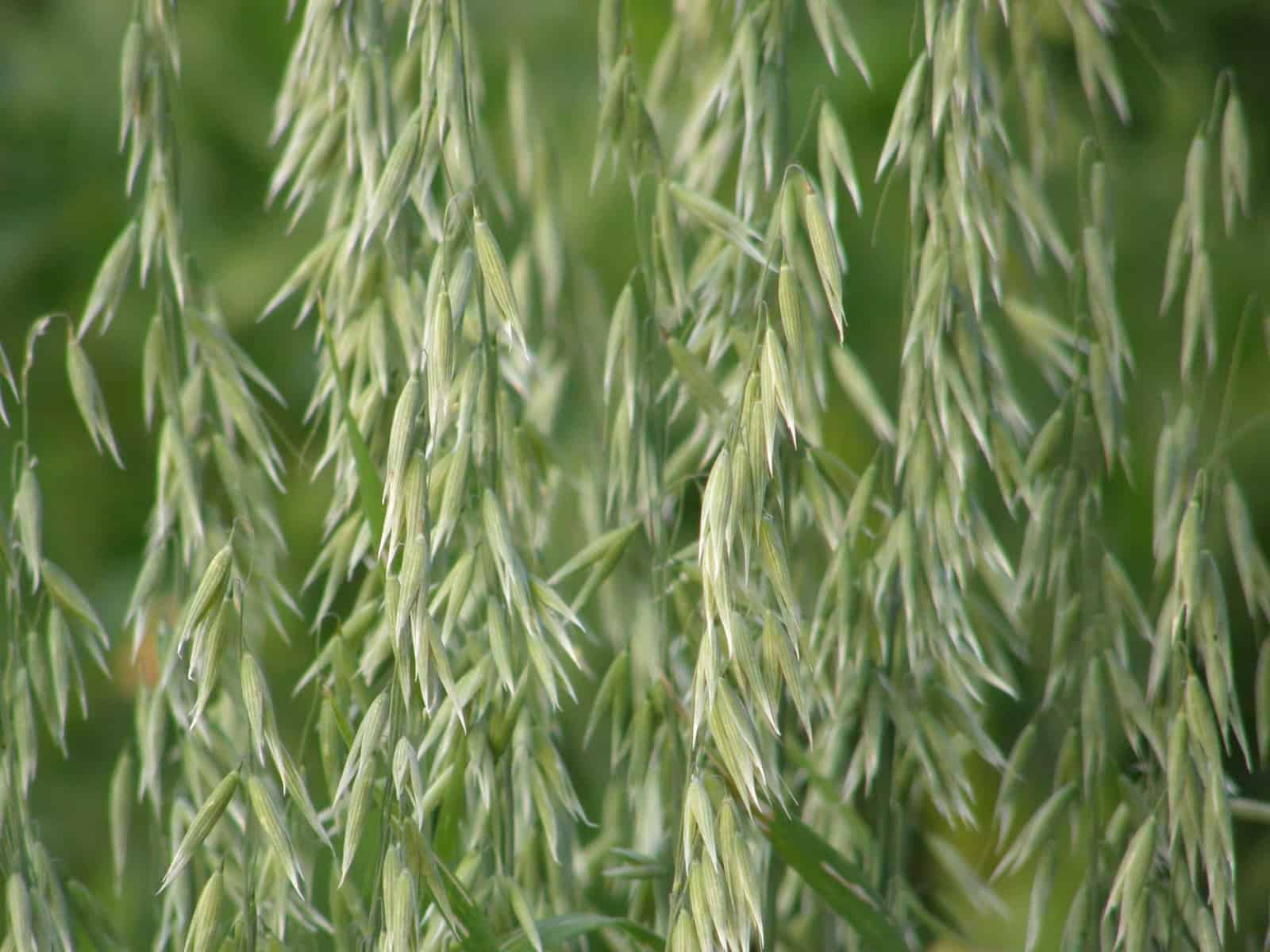
Avena sativa is the common oat plant — yes, the same species that gives us oatmeal. But the nootropic version isn’t made from the grain you eat for breakfast. “Oat straw” extract comes from the green, unripened aerial parts of the plant — the stems and leaves — harvested before the oat grain matures. This distinction matters. The bioactive compounds concentrated in the green plant are different from what you’ll find in a bowl of Quaker Oats.
Humans have been using oat straw medicinally for a surprisingly long time. Ancient Egyptians and Arabian healers used oat baths around 2000 BC to treat insomnia, anxiety, and skin conditions. By the 1800s, British and American herbalists were recommending oat straw tea for “fortifying the nerves” and “soothing mental agitation.” In traditional herbal medicine, it’s classified as a nervine tonic — a gentle restorative for a frazzled nervous system. The phrase “sowing your wild oats” may even trace back to the plant’s historical reputation as a vitality enhancer.
What makes modern oat straw extracts interesting is the chemistry. The green plant concentrates unique polyphenols called avenanthramides (first isolated in the 1980s and confirmed bioavailable in humans by Tufts University researchers in 1999), triterpene saponins called avenocosides, and flavonoids like vitexin and isovitexin. These aren’t just random plant chemicals — they have specific, measurable effects on how your brain functions.
Reality Check: Before you rush to buy oat straw expecting a cognitive revolution, remember the foundations-first principle. No supplement — no matter how well-studied — is going to compensate for poor sleep, chronic stress, or a gut that’s on fire. If those basics aren’t dialed in, start there. Oat straw works best when it’s optimizing a brain that already has a solid foundation.
How Does Avena sativa Work?
Here’s where oat straw gets genuinely interesting. Most gentle herbal nootropics have vague or poorly understood mechanisms. Avena sativa actually has several well-characterized pathways, and they converge in a way that makes neurochemical sense.
The dopamine connection. Green oat extract significantly inhibits monoamine oxidase B (MAO-B) — the enzyme responsible for breaking down dopamine in your brain. In vitro studies show about 50% MAO-B inhibition at relatively low concentrations. In plain English: oat straw helps your brain hold onto more of its own dopamine. That’s the same neurotransmitter involved in motivation, working memory, and that satisfying feeling of being “locked in” on a task. It’s a gentler version of what certain pharmaceutical cognitive enhancers do.
The cAMP boost. Oat straw also inhibits phosphodiesterase 4 (PDE4), the enzyme that breaks down cyclic AMP (cAMP). cAMP is a critical secondary messenger involved in long-term memory consolidation and neural signaling speed. By preserving cAMP levels, oat straw may help your brain process and store information more efficiently. Think of cAMP as the signal amplifier in your neural circuitry — more of it means cleaner, stronger signals.
Better blood flow to the brain. The avenanthramides in oat straw enhance nitric oxide production and suppress inflammatory signaling through NF-κB inhibition. The practical result is vasodilation — wider blood vessels delivering more oxygen and nutrients to brain tissue. One study found cerebral vascular responsiveness increased by 42% after 24 weeks of supplementation at 1500 mg/day. More blood flow means more fuel for your neurons.
Brainwave modulation. EEG studies show something I find particularly compelling: oat extract increases alpha-2 brainwave activity in the left frontotemporal region. Alpha-2 waves are associated with focused attention, flow states, and relaxed alertness — that “in the zone” feeling where you’re sharp but not stressed. A 2021 study using event-related potentials (ERPs) found that 800 mg of a standardized extract reduced several markers of effortful processing while actually improving reaction time. The brain was working less hard to achieve better results. That’s efficiency.
So what does all this mean practically? Oat straw isn’t pushing your brain into overdrive. It’s removing friction. It’s helping your brain hold onto its dopamine, amplify its internal signals, get better blood flow, and operate in a more efficient attentional state. It’s a tune-up, not a turbocharger.
Benefits of Avena sativa
The clinical evidence for oat straw is genuinely encouraging — but it comes with important caveats that I want to be upfront about.
Acute Cognitive Enhancement
The strongest evidence is for single-dose, acute cognitive benefits. Multiple randomized, double-blind, placebo-controlled trials show meaningful improvements:
A 2017 crossover study in middle-aged adults (40–65 years) found that 800 mg of green oat extract improved global speed of performance, delayed word recall, executive function, and working memory span. The researchers concluded that 800 mg appeared to be at or near the optimal dose.
A 2011 crossover trial in older adults with below-average cognition found that 1600 mg improved attention and concentration on the Stroop test. Notably, 2400 mg did not improve results — suggesting a clear dose ceiling where more is not better.
A larger 2020 study with 132 healthy adults (35–65 years) found that a single dose of 1290 mg improved working memory and multitasking ability. After 4 weeks of daily use, both 430 mg and 1290 mg doses improved working memory, and the higher dose also reduced physiological stress response.
A 2021 study combined behavioral testing with EEG and found that 800 mg improved processing speed, attention, and executive function while showing more efficient neural resource allocation on brain imaging.
Chronic Supplementation
Here’s where it gets murkier. A 12-week crossover trial in older adults using 1500 mg/day found no cognitive benefits with chronic use — though cerebral blood flow did improve. However, the 2020 study mentioned above did find benefits after 29 days of daily supplementation. The discrepancy likely comes down to differences in formulation and testing protocols.
A 2023 systematic review of all available RCTs (6 trials, 287 participants total) concluded that acute supplementation appears to positively influence accuracy and speed of cognitive performance, while the evidence for long-term chronic use remains uncertain.
Important: Several key clinical trials were funded by Frutarom/IFF, the manufacturer of the Neuravena extract used in the studies. This doesn’t invalidate the results — the study designs were solid — but it’s a potential conflict of interest worth noting. Independent replication would strengthen the evidence considerably.
Cerebrovascular Support
A 24-week study in 37 overweight older adults found 1500 mg/day significantly improved blood flow to the heart and brain, with that 42% increase in cerebral vascular responsiveness I mentioned earlier. This is preliminary but intriguing, especially for anyone concerned about age-related cognitive decline.
Emerging Neuroprotective Research
Animal studies published in 2022 and 2025 show promising neuroprotective effects — including reduced amyloid-beta plaque deposition in Alzheimer’s model mice and activation of BDNF and Nrf2 pathways in scopolamine-induced cognitive impairment models. These are early-stage findings in animals, not proof of human benefits, but they suggest oat straw’s mechanism profile may have deeper implications than just acute focus enhancement.
How to Take Avena sativa
Dosage
Based on the clinical literature, the sweet spot is 800–1600 mg per day of standardized green oat extract.
- For acute cognitive support: 800 mg as a single dose is the best-supported protocol
- For daily supplementation: 430–1290 mg/day (the 2020 study found benefits at both ends of this range)
- For cerebrovascular support: 1500 mg/day (based on the 24-week blood flow study)
Don’t go above 1600 mg. The Berry 2011 study showed that 2400 mg was less effective than 1600 mg. This is one of those compounds where the dose-response curve actually bends backwards at higher amounts.
Timing and Administration
Take it with food to improve absorption and minimize any GI discomfort. Morning or early afternoon makes the most sense given the cognitive and attentional effects — you probably don’t want enhanced alpha brainwave activity right before bed.
For acute use, expect effects to kick in within 1–2.5 hours, lasting up to about 6 hours based on clinical EEG data.
Forms
Standardized extracts (Neuravena, Cognitaven) are by far the most reliable choice. These are the actual formulations used in clinical trials, standardized to specific marker compounds like isovitexin. If you want to replicate the study results, use the study materials.
Generic oat straw capsules and dried herb teas are available but much less standardized — you’re essentially guessing at how much bioactive content you’re getting.
Pro Tip: If you’re trying oat straw for the first time, start with 800 mg of a standardized extract and use it acutely — before a demanding work session or study period. Give it 2 hours to kick in. This lets you gauge your personal response before committing to daily use. The acute evidence is stronger than the chronic evidence anyway, so this approach also happens to align with where the science is most solid.
Cycling
No formal cycling protocols exist in the literature. Given that the acute research is stronger than the chronic research, using oat straw on an as-needed basis for cognitively demanding days may actually be the most evidence-aligned approach. That said, the Kennedy 2020 study showed maintained benefits after 29 days of continuous use, so daily supplementation isn’t unreasonable if it’s working for you.
Side Effects and Safety
Oat straw has a strong safety profile. In clinical trials running up to 24 weeks, no serious adverse effects were reported.
What you might experience:
- Mild GI discomfort — bloating and gas, particularly at higher doses. This is related to the fiber content and usually settles with continued use.
- At very high doses: loose stools or mild nausea.
Who should be cautious:
- Celiac disease or gluten sensitivity: Oats contain avenin, which is distinct from gluten and tolerated by most people with celiac disease. However, cross-contamination with wheat and barley during commercial processing is common. If you have celiac disease, only use certified gluten-free oat straw extracts.
- Oat allergy: Rare, but if you have a known allergy to Avena sativa, obviously avoid it.
- IBS or inflammatory bowel conditions: You may experience more pronounced GI effects.
Drug interactions: The main concern is with prescription MAO inhibitors — since oat straw has mild MAO-B inhibitory activity, combining it with pharmaceutical MAOIs could theoretically amplify effects. This is worth discussing with your doctor. Oat fiber can also decrease absorption of statins and iron supplements, though this is more relevant for whole oat products than concentrated extracts.
Stacking Avena sativa
Oat straw’s mechanism profile — dopaminergic support via MAO-B, cAMP enhancement via PDE4, and alpha brainwave promotion — makes it a natural pairing with several other nootropics.
Oat Straw + L-Theanine: Both compounds promote alpha brainwave activity through different mechanisms. L-theanine works primarily through GABA and glutamate modulation, while oat straw acts through vasodilation and dopamine preservation. Together, they create a layered foundation for calm, focused attention. Try 800 mg oat straw + 200 mg L-theanine.
Oat Straw + Bacopa Monnieri: This is a “speed + memory” combination. Oat straw provides acute benefits for attention and processing speed, while bacopa builds long-term memory consolidation over 8–12 weeks. Different timescales, complementary mechanisms.
Oat Straw + Alpha-GPC or Citicoline: Adding cholinergic support alongside oat straw’s dopaminergic and cAMP activity covers more of the neurotransmitter landscape. This is a good stack for demanding cognitive work that requires both focus and recall.
Oat Straw + B-Vitamins: B-vitamins (particularly B6, B12, and folate) support overall neurotransmitter synthesis. Since oat straw is preserving dopamine rather than creating more of it, ensuring your brain has the raw materials for adequate dopamine production makes the combination more effective.
What to avoid: Don’t combine with prescription MAO inhibitors without medical supervision. And stacking oat straw with other high-fiber supplements may lead to more GI discomfort than either alone — stagger your doses if you’re taking multiple fiber-containing products.
My Take
Oat straw isn’t flashy. It doesn’t have the hype of Lion’s Mane or the dramatic subjective effects of a racetam. And I think that’s exactly why most people sleep on it.
In my experience, oat straw delivers a subtle but real shift in cognitive quality — particularly for sustained attention tasks. The best way I can describe it is that mental resistance decreases. Reading dense material becomes slightly easier. Switching between tasks feels a little smoother. It’s the kind of effect where you don’t notice it kicking in, but you notice when you look up and realize you’ve been focused for two hours without reaching for your phone.
Who is this best for? I’d recommend oat straw to anyone looking for a gentle, well-tolerated cognitive enhancer — especially if stimulants make you anxious or if you’re in the 40+ age range where the cerebrovascular benefits become particularly relevant. It’s also a solid choice for people just starting their nootropic journey who want something mild and low-risk before graduating to more potent compounds.
Who should try something else? If you need dramatic, immediately noticeable effects, oat straw will probably disappoint you. If you’re looking for potent memory enhancement, Bacopa Monnieri has a stronger evidence base. If focus under pressure is your primary goal, Rhodiola Rosea is more established for that use case.
My honest assessment: oat straw is a B+ nootropic in a world that’s constantly chasing A+ compounds. The mechanism of action is genuinely interesting, the acute clinical data is solid (if limited in scale), and the safety profile is excellent. I keep a standardized extract on hand for days when I need clear, steady focus without any stimulant edge — and it consistently delivers on that modest but valuable promise.
Start with 800 mg of a standardized extract, use it before a demanding work session, and judge for yourself. Sometimes the most useful tools aren’t the loudest ones.