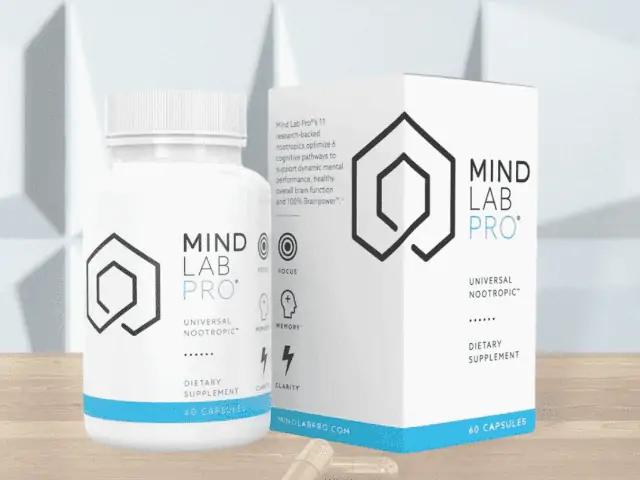
I spent years chasing focus and memory — racetams, cholinergics, the whole nootropic gauntlet — before I realized the single biggest upgrade to my mental health had nothing to do with a capsule. It was a hormone I’d written off as “the cuddle chemical.” Turns out, oxytocin does a lot more than make you feel warm and fuzzy after a hug. It rewires how your brain handles stress, how deeply you connect with the people around you, and even how well your gut talks to your brain.
The problem? Most of the advice out there is either vague (“just hug more!”) or tries to sell you an overpriced nasal spray. Neither is particularly helpful.
The Short Version: Oxytocin is a neuropeptide that drives social bonding, lowers cortisol, and supports emotional resilience. You don’t need exogenous sprays to raise it — consistent physical touch, group activities, targeted nutrition (Vitamin C, Magnesium, probiotics), and vagus nerve activation can meaningfully boost your levels. Below, I break down 10 methods ranked by evidence strength, with specific protocols you can start today.
Oxytocin 101 (Why This Hormone Deserves Your Attention)
Oxytocin is a neuropeptide — a small protein that acts as both a hormone and a neurotransmitter. It’s produced in the hypothalamus, stored in the posterior pituitary gland, and released into your bloodstream and brain in response to specific triggers. Most people associate it with childbirth and breastfeeding, and that’s fair — it literally drives uterine contractions and milk ejection. But that’s maybe 5% of the story.
Here’s what oxytocin actually does in your daily life:
- Lowers cortisol and dampens the HPA axis stress response
- Enhances social cognition — your ability to read faces, interpret tone, and build trust
- Modulates the gut-brain axis — oxytocin receptors line your intestinal tract
- Promotes neuroplasticity in regions tied to emotional regulation
- Reduces amygdala reactivity — less anxiety, less social threat perception
The mechanism is elegantly simple. Sensory stimuli — touch, warmth, sound, even certain smells — activate the vagus nerve, which signals your hypothalamus to release oxytocin. That release cascades through your brain and body, shifting you from a sympathetic (fight-or-flight) state into a parasympathetic (rest-and-connect) state.
Reality Check: Oxytocin isn’t a magic “love drug.” Research shows it amplifies whatever social context you’re already in — it enhances trust in safe environments but can increase defensiveness toward perceived out-groups. Context matters.
This is why I think of oxytocin less as a supplement target and more as a lifestyle metric. You can’t just pop a pill. You have to build the conditions for your body to produce it. That said, certain nutrients and probiotics genuinely support the machinery. Let’s get into the specifics.
1. The 20-Second Hug (The Simplest Hack That Actually Works)
I know — “hug more” sounds like advice from a greeting card. But the data here is surprisingly robust. Physical touch activates somatosensory pathways that trigger oxytocin release within minutes, and the duration matters.
Research on sustained embraces shows that a 20-second hug can raise oxytocin levels by approximately 45% while simultaneously reducing cortisol and blood pressure. A 2023 synthesis by Uvnäs-Moberg and colleagues in Frontiers in Neuroscience pooled data across more than 500 participants and found moderate-to-large effects on bonding and stress markers (Cohen’s d ~0.5–0.8, p<0.01) from touch-based interventions.
The key variables:
| Factor | Effect on Oxytocin |
|---|---|
| Duration (20+ seconds) | Significantly higher release vs. brief contact |
| Relationship closeness | Partner/family > friend > stranger |
| Reciprocity | Mutual embrace > one-sided |
| Frequency | Cumulative benefits with daily practice |
The protocol: Aim for 3 intentional 20-second hugs per day with someone you’re close to. That’s literally one minute of your day. If you live alone, physical contact with a pet counts — studies on human-dog interaction show significant oxytocin spikes in both the owner and the dog.
Insider Tip: If you’re not a natural hugger, start with hand-holding or sitting shoulder-to-shoulder. The vagus nerve responds to sustained, gentle pressure — you don’t need a bear hug to get the effect.
2. Massage (Give It AND Get It)
This one has solid clinical backing. A 2012 study with 95 adults found that a 15-minute massage significantly boosted oxytocin levels in both the person receiving the massage and the person giving it. A 2015 follow-up confirmed the bidirectional effect.
That bidirectional piece matters. You don’t need to book a $120 spa session. Giving your partner a shoulder rub works. The act of nurturing touch triggers the same oxytocin pathways as receiving it.
For maximum effect:
- Duration: 15 minutes minimum
- Frequency: 3 times per week
- Pressure: Moderate — too light feels ticklish, too deep activates pain pathways
- Areas: Shoulders, neck, and upper back have the highest density of pressure receptors
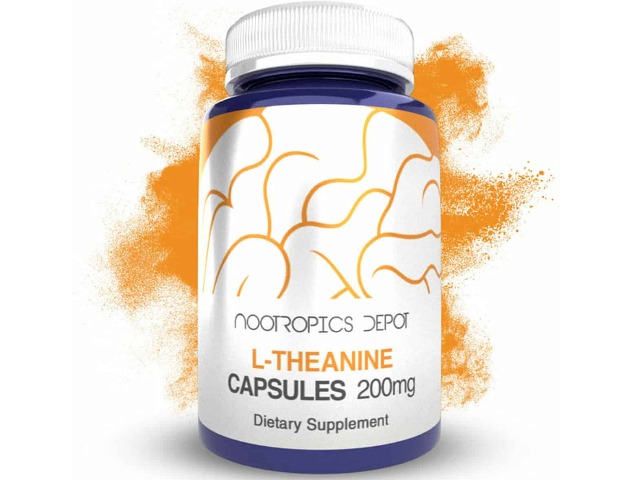
Pairing massage with L-Theanine (200mg, 30 minutes before) can deepen the relaxation response by supporting alpha brain wave activity, which may create a more favorable state for oxytocin release.
3. Group Singing and Music (Your Brain on Harmony)
Here’s one most people don’t expect. Improvised group singing — not just listening to music, but actively creating it with others — raises oxytocin, endorphins, and dopamine simultaneously. It’s one of the few activities that hits all three.
Research on choral and group singing shows measurable increases in plasma oxytocin alongside reductions in self-reported anxiety. The effect is stronger for improvised or participatory singing compared to passive listening, suggesting that the social coordination element is doing heavy lifting.
You don’t need to be good at singing. The mechanism is about rhythmic synchronization with other humans — your brain registers “we’re doing something together” and rewards it biochemically.
Practical options:
- Join a community choir or drumming circle
- Sing along with friends (karaoke counts)
- Play music with others — even casual jam sessions
- Chant or do call-and-response during group meditation
Pro Tip: If group singing feels like a stretch, even dancing with others produces similar effects. The key ingredient is synchronized movement with other people, not musical talent.
4. Yoga and Meditation (The Long Game for Oxytocin)
A small clinical trial (n~20–30) published in 2013 tested yoga therapy in people with schizophrenia and found that one month of daily practice raised oxytocin levels and improved emotion recognition — a core social cognition deficit in that population.
Now, that’s a specific clinical sample, but the principle scales. Yoga combines several oxytocin triggers: controlled breathing (vagus nerve activation), physical postures (proprioceptive input), and often a group setting. Meditation adds sustained interoceptive awareness, which appears to sensitize oxytocin receptors over time.
The catch: this isn’t a quick hit. Unlike a hug that spikes oxytocin in minutes, yoga and meditation build a higher baseline over weeks. Think of it like cardiovascular fitness — one run doesn’t change your VO2 max, but consistent training does.
Recommended protocol:
- 30–60 minutes daily
- Prioritize styles with breathwork: Kundalini, Vinyasa, or pranayama-focused
- Group classes amplify the effect (social synchronization + touch adjustments)
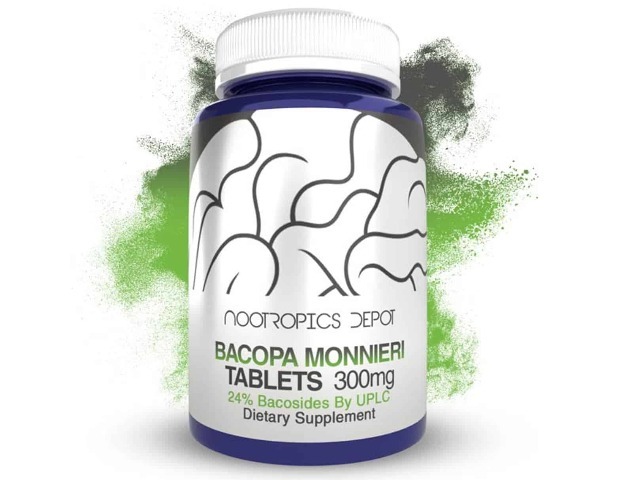
- Combine with Bacopa Monnieri for synergistic social cognition support
5. Playing With Pets (Seriously, Your Dog Is a Hormone Factory)
If you’ve ever wondered why you feel so good after roughhousing with your dog, it’s not just serotonin. Studies on human-animal interaction show that mutual gaze between owners and dogs triggers oxytocin release in both species — it’s the same bonding mechanism that evolved between mothers and infants.
This is genuine biochemistry, not just “aww, cute puppy” feelings. The oxytocin loop between you and your pet strengthens with time and physical contact. Petting, playing, and even just making eye contact activates it.
How to maximize it:
- Spend 15+ minutes of focused interaction (not just being in the same room)
- Include physical touch — stroking, belly rubs, gentle play
- Make eye contact — this specifically triggers the oxytocin feedback loop
- Take walks together — combines movement, outdoors, and bonding
6. Vitamin C (The Cofactor Nobody Talks About)
Vitamin C (ascorbic acid) serves as a direct cofactor in oxytocin synthesis. Your hypothalamus needs it to convert the precursor peptide into active oxytocin. Without adequate vitamin C, you’re literally rate-limiting your own oxytocin production.
This is mechanistic evidence rather than large-scale RCT data — no one has run a 500-person trial on vitamin C and oxytocin specifically. But the biochemistry is clear, and vitamin C deficiency is far more common than most people realize, especially in people under chronic stress (which burns through vitamin C rapidly).
| Form | Dosage | Absorption | Best For |
|---|---|---|---|
| Liposomal C | 500–1000mg/day | High (bypasses GI limitations) | Maximum bioavailability |
| Ascorbic acid powder | 500–2000mg/day | Moderate | Budget option |
| Buffered C (calcium ascorbate) | 500–1000mg/day | Moderate | Sensitive stomachs |
Food sources: Bell peppers, broccoli, kiwi, citrus, strawberries. A single red bell pepper delivers ~170mg — more than an orange.
Important: Vitamin C enhances iron absorption. If you have hemochromatosis or iron overload, keep your dose moderate and don’t take it alongside iron-rich meals.
7. Magnesium (The Receptor Sensitizer)
If vitamin C helps you make oxytocin, Magnesium helps your body use it. Magnesium enhances oxytocin receptor sensitivity, meaning the oxytocin you produce has a stronger downstream effect. It also supports GABA activity and parasympathetic tone — both of which create the calm, safe state that favors oxytocin release.
An estimated 50% of Americans don’t meet the RDA for magnesium. Chronic stress, poor soil quality, and processed food diets are the usual suspects. If you’re supplementing for oxytocin support, form matters enormously:
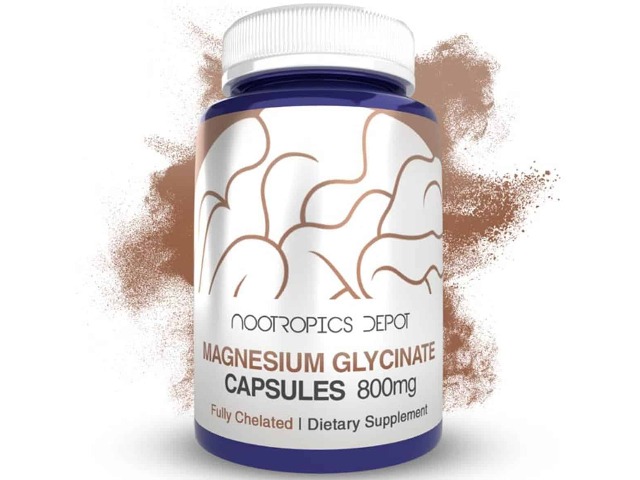
- Magnesium Glycinate: Best for relaxation and sleep; high bioavailability, minimal GI issues. 300–400mg/day.
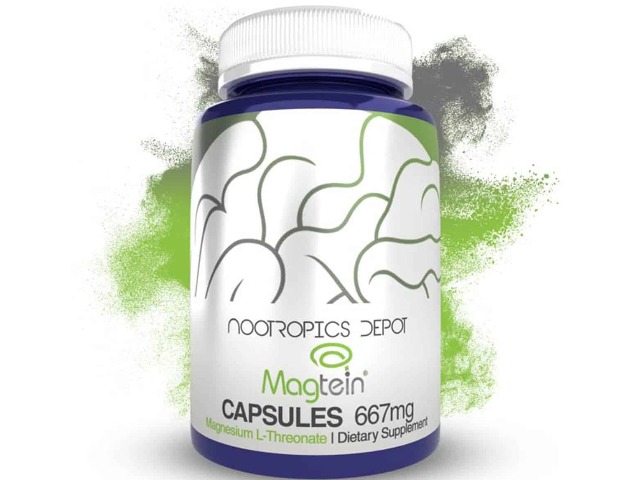
- Magnesium L-Threonate: Crosses the blood-brain barrier; best for cognitive and neurological support. 144mg elemental/day (typically 2g of the threonate salt).
- Magnesium Oxide: Cheap but poorly absorbed (~4%). Skip it for this purpose.
Food sources: Dark chocolate (70%+), pumpkin seeds, spinach, almonds, black beans. A 30g square of 85% dark chocolate delivers ~50mg of magnesium plus flavanols that support blood flow.
8. Probiotics and the Gut-Brain Axis (The Frontier)
This is where things get genuinely exciting. Limosilactobacillus reuteri (formerly Lactobacillus reuteri) has been shown to directly stimulate oxytocin secretion from intestinal tissue. In preclinical research, L. reuteri raised plasma oxytocin levels significantly compared to other probiotic strains, suggesting a specific strain-level effect rather than a general probiotic benefit.
The human data is still early — mostly small-scale and building on strong in vitro and animal models — but the mechanism is plausible. Your gut contains oxytocin receptors, and the vagus nerve provides a direct communication highway between gut bacteria and the hypothalamus.
What to look for:
- BioGaia Gastrus — contains L. reuteri DSM 17938 + ATCC PTA 6475; ~10⁹ CFU; third-party tested
- Fermented foods — kefir, yogurt, sauerkraut support general microbiome diversity
- Dose: 10⁹ CFU/day minimum for the L. reuteri strains studied
Reality Check: The probiotic-oxytocin connection is promising but still mostly preclinical. Don’t expect the same magnitude of effect as physical touch. Think of it as creating a favorable biological environment, not flipping a switch.
Rare side effects include mild GI upset during the first week. If you’re immunocompromised, consult your doctor before starting any probiotic regimen.
9. Acts of Generosity and Social Bonding (The Behavioral Trigger)
Giving — whether it’s money, time, or attention — triggers oxytocin release. This isn’t woo-woo; it’s been measured. Participants who gave to others in economic games showed elevated oxytocin compared to those who kept resources for themselves.
The evolutionary logic tracks. Oxytocin rewires your brain to find cooperative, prosocial behavior rewarding. The more you do it, the stronger the circuit becomes. It’s a self-reinforcing loop.
Practical applications:
- Volunteer regularly (in-person > remote for the oxytocin effect)
- Practice active listening — genuine attention is a form of giving
- Cook for someone, write a thoughtful note, offer help unprompted
- Share meals — eating together is one of the oldest human bonding rituals
This pairs well with the stress-reducing stack of L-Theanine (200mg) and Ashwagandha, which can lower baseline anxiety enough to make social engagement feel easier, especially if social situations feel draining.
10. Foods That Support Oxytocin Production (Eat Your Way to Better Bonding)
Beyond individual supplements, a few dietary patterns support the full oxytocin production chain:
| Food | Key Nutrient | Oxytocin Connection |
|---|---|---|
| Dark chocolate (70%+) | Magnesium, flavanols | Receptor sensitization + blood flow |
| Bell peppers, broccoli | Vitamin C | Synthesis cofactor |
| Eggs, fatty fish | Vitamin D, omega-3s | Receptor expression support |
| Kefir, yogurt | L. reuteri, probiotics | Gut-mediated release |
| Spinach, pumpkin seeds | Magnesium | Receptor sensitivity |
| Chamomile tea | Apigenin | Anxiolytic → parasympathetic tone |
| Bananas | Tryptophan, B6 | Serotonin → oxytocin cross-talk |
The common thread? These foods support either the raw materials for oxytocin synthesis, the receptor sensitivity to respond to it, or the calm parasympathetic state that favors its release.
A Rhodiola Rosea supplement (200–400mg standardized extract) can further support stress adaptation, making it easier for your body to stay in the “rest and connect” mode where oxytocin thrives.
Putting It All Together (Your Oxytocin Protocol)
Here’s what a practical, evidence-ranked daily protocol looks like:
Morning:
- Magnesium Glycinate — 200mg with breakfast
- Vitamin C — 500mg (or eat a bell pepper)
- L. reuteri probiotic — 10⁹ CFU
Midday:
- 15+ minutes of intentional physical contact (hug, hand-holding, pet time)
- One act of generosity or genuine social connection
Evening:
- 30 minutes of yoga or breathwork (group class if possible)
- 15-minute massage exchange with a partner
- 30g dark chocolate (70%+) — yes, this is medicinal
Weekly:
- Group singing, dancing, or team activity — 30 minutes, 2–3x/week
- Dedicated pet play session (if applicable)
| Intervention | Evidence Level | Time to Effect | Effort |
|---|---|---|---|
| 20-second hugs | Moderate-strong | Minutes | Low |
| Massage (15 min) | Moderate (n=95) | Minutes | Low-medium |
| Group singing | Moderate | During activity | Medium |
| Yoga (daily) | Preliminary (small n) | 2–4 weeks | Medium |
| Vitamin C (500mg+) | Mechanistic | Weeks (baseline) | Low |
| Magnesium (300mg+) | Mechanistic | Weeks (baseline) | Low |
| L. reuteri probiotic | Preclinical/early | 2–4 weeks | Low |
| Pet interaction | Moderate | Minutes | Low |
| Acts of generosity | Moderate | During activity | Low |
| Oxytocin-supportive diet | Supportive | Cumulative | Low |
Insider Tip: Don’t try to do everything at once. Pick 2–3 interventions that fit your life and do them consistently for a month. Consistency beats intensity when it comes to oxytocin — you’re building a higher baseline, not chasing spikes.
My Take
Here’s what I’ve found after years of testing nootropics and lifestyle interventions: the most powerful cognitive enhancers are often the ones that don’t come in a bottle. Oxytocin is a prime example. You can spend a fortune chasing the “right” stack for mood and social cognition, or you can build a life that naturally produces more of the bonding hormone your brain is already wired to respond to.
That said, I’m not going to pretend the evidence is all airtight. The hugging and massage data is solid. The group singing research is compelling. But the supplement angle — vitamin C, magnesium, L. reuteri — is mostly mechanistic and preclinical. It makes biological sense, and I’ve personally noticed that optimizing these basics (especially magnesium and gut health) made the lifestyle interventions feel more impactful. But I can’t point to a 500-person RCT proving that magnesium supplementation raises oxytocin by X%.
Who should care most about this? If you’re dealing with social anxiety, postpartum mood challenges, loneliness, or just feeling disconnected despite having “enough” social interactions — these are exactly the situations where intentional oxytocin-building practices can shift things. Start with the physical touch interventions (highest evidence, fastest effect), layer in the nutritional foundations (Vitamin C, Magnesium, probiotics), and give it a month.
The supplement industry wants you to believe there’s a pill for connection. There isn’t. But there is a set of evidence-backed practices — most of them free — that can meaningfully change how your brain handles bonding, trust, and stress. That’s worth more than any nootropic stack I’ve ever tried.