
- Improved sleep quality and onset
- Reduced anxiety and stress response
- Migraine prevention
- Muscle relaxation and recovery
- Neuroprotection via NMDA receptor modulation
- Supports 300+ enzymatic processes
I used to lie in bed at 2 AM staring at the ceiling, mentally replaying every awkward conversation I’d had since middle school. My “sleep routine” was three hours of doom-scrolling followed by passing out from sheer exhaustion. I tried melatonin — made me groggy. Tried valerian root — smelled like old socks and did nothing. Then I tried magnesium glycinate, almost as an afterthought, and within a week I was falling asleep like a normal human being.
That experience sent me down a research rabbit hole that fundamentally changed how I think about brain health. Because here’s the thing — magnesium isn’t some exotic nootropic. It’s a basic mineral that your brain desperately needs, and there’s a solid chance you’re not getting enough of it.
The Short Version: Magnesium glycinate is a chelated form of magnesium bonded to the amino acid glycine, making it one of the most absorbable and gut-friendly magnesium supplements available. It’s best for sleep quality, anxiety reduction, and correcting the widespread magnesium deficiency that affects an estimated 60% of adults. Below, I break down the science, compare it to other forms, and share exactly how to use it.
What Is Magnesium Glycinate?
Magnesium glycinate (also called magnesium bisglycinate) is a compound where one magnesium ion is bonded to two molecules of glycine — an amino acid your body already recognizes and uses. That bond is called chelation, from the Greek word chele meaning “claw.” Picture two glycine molecules gripping a magnesium ion like a tiny molecular lobster claw.
Why does this matter? Because that chelation changes everything about how your body absorbs it. Instead of competing for the same crowded mineral transport pathways in your gut, the glycine essentially disguises the magnesium as an amino acid. Your intestinal cells have dedicated amino acid transporters, and the chelated complex gets to piggyback on those — bypassing the traffic jam that makes cheaper forms like magnesium oxide so poorly absorbed.
This chelation technology was pioneered by Albion Minerals (now Balchem) starting back in 1956, but the glycinate form really gained traction in the supplement world in the 2000s as researchers and practitioners started paying more attention to bioavailability — not just how much magnesium is in the pill, but how much actually gets into your cells.
Reality Check: Magnesium isn’t glamorous. Nobody’s posting “magnesium glycinate changed my life” on Instagram next to a sunset. But correcting a mineral deficiency that affects over half the population might do more for your brain than any exotic nootropic stack. Foundations first — always.
Why Magnesium Deficiency Is a Bigger Deal Than You Think
Here’s a number that should genuinely alarm you: roughly 60% of adults don’t hit adequate dietary magnesium intake. And somewhere between 10–30% of any given population has outright subclinical deficiency — meaning their levels are low enough to cause real problems, even if they don’t show up on a standard blood test.
That last part is important. Standard serum magnesium tests are borderline useless for detecting deficiency. Your body will strip magnesium from your cells and bones just to keep blood levels normal — so by the time serum magnesium drops, you’re already deeply depleted. If you want a real picture, ask for RBC (red blood cell) magnesium testing. Most doctors don’t order it unless you ask.
And magnesium isn’t some minor player. It’s a cofactor in over 300 enzymatic reactions — including the ones that make your neurotransmitters, produce ATP for energy, regulate your stress response, and maintain healthy sleep architecture. When levels drop, everything downstream suffers.
How Does Magnesium Glycinate Work?
The Plain-English Version
Think of your brain as having two competing systems: a gas pedal (glutamate, the excitatory neurotransmitter) and a brake pedal (GABA, the calming neurotransmitter). Magnesium glycinate works both sides — it eases up on the gas AND presses the brake. The magnesium component blocks overexcited nerve signaling, while the glycine component directly supports your calming neurotransmitter systems.
The Science
Magnesium exerts its neurological effects through several well-characterized mechanisms:
- NMDA receptor blockade: Magnesium ions physically sit in the calcium channel of NMDA glutamate receptors, preventing excessive calcium influx that leads to excitotoxicity. A 2025 study in Neuron found this blocking effect is especially pronounced at GluN1-N2B receptor subtypes, where magnesium actually increases glycine-binding affinity and reduces desensitization.
- GABA-A receptor modulation: Magnesium acts as a positive allosteric modulator at GABA-A receptors — the same receptors targeted by benzodiazepines. Research confirms that magnesium’s anti-anxiety effects are blocked by flumazenil (a benzo antagonist), proving it directly interacts with this receptor complex.
- HPA axis regulation: Magnesium decreases catecholamine (adrenaline/noradrenaline) release and dials down the hypothalamic-pituitary-adrenal stress axis — your body’s central stress command center.
- CREB signaling: Magnesium serves as a second messenger in NMDA receptor-mediated CREB signaling, influencing gene expression related to neuroplasticity and long-term memory formation.
Then there’s the glycine half of the equation. Glycine isn’t just a passive carrier — it’s an inhibitory neurotransmitter in its own right, acting on glycine receptors in the brainstem. It also serves as a precursor for GABA synthesis. So you’re getting calming effects from both the mineral and the amino acid simultaneously.
Pro Tip: This dual mechanism is exactly why magnesium glycinate tends to feel more calming than other magnesium forms like citrate or malate. You’re not just getting magnesium — you’re getting a meaningful dose of glycine (roughly 1,500mg in a standard serving) that amplifies the relaxation effect.
Benefits of Magnesium Glycinate
Sleep Quality — Strong Evidence
This is where the evidence is most compelling. A 2025 randomized, double-blind, placebo-controlled trial with 155 adults found that magnesium bisglycinate supplementation (250mg elemental magnesium + 1,523mg glycine daily) significantly reduced Insomnia Severity Index scores compared to placebo. Participants fell asleep faster, woke up less during the night, and reported better overall sleep quality — with most improvements kicking in within the first 14 days.
The effect size was d = 0.2 — modest but statistically significant and clinically meaningful. A 2024 systematic review of 15 studies (11 RCTs) corroborated these findings, with adverse events being mild and uncommon across the board.
Anxiety and Stress Reduction — Moderate Evidence
The same systematic review found seven studies reporting anxiety-related outcomes, with the majority showing reductions in self-reported anxiety. The mechanism is solid — GABA-A modulation and HPA axis regulation are well-established anxiolytic pathways. Most anxiety trials use magnesium broadly rather than glycinate specifically, but the glycine component adds additional calming support that other forms lack.
Migraine Prevention — Strong Evidence
Multiple meta-analyses support magnesium for migraine prevention at doses of 400–600mg elemental magnesium daily. The American Academy of Neurology and American Headache Society rate magnesium as “probably effective” for migraine prophylaxis. The glycinate form’s superior GI tolerance is a practical advantage here, since the doses needed for migraine prevention are on the higher end.
Muscle Relaxation and Recovery — Strong Evidence
This is basic physiology. Magnesium regulates muscle contraction and relaxation at the cellular level. Deficiency leads to cramps, tension, and spasms. Repletion resolves them. Straightforward, well-established, and one of the most immediately noticeable benefits for people who are deficient.
Neuroprotection — Moderate Evidence
The NMDA receptor voltage-dependent block is a well-characterized neuroprotective mechanism. By preventing excessive calcium influx through overexcited glutamate receptors, magnesium protects neurons from excitotoxic damage. The evidence here is more mechanistic than clinical, but the pathway is robust.
| Benefit | Evidence Level | Key Finding |
|---|---|---|
| Sleep improvement | Strong (RCT) | Significant ISI reduction within 14 days |
| Anxiety/stress | Moderate | GABA mechanism well-established; human trials positive |
| Migraine prevention | Strong | AAN/AHS endorsed; multiple meta-analyses |
| Muscle relaxation | Strong | Well-established physiological mechanism |
| Neuroprotection | Moderate | NMDA blockade mechanism well-characterized |
| Antidepressant effects | Preliminary | Strong animal data; human RCTs needed |
How to Take Magnesium Glycinate Without Wasting Your Money
Dosage
| Use Case | Elemental Mg Dose | Timing | Notes |
|---|---|---|---|
| General wellness | 200–400mg | Any time, with food | Good maintenance dose |
| Sleep support | 150–300mg | 1–2 hours before bed | Most popular use case |
| Migraine prevention | 400–600mg | Split AM/PM | Higher end; monitor tolerance |
| Starting dose | 100–200mg | With dinner | Increase over 1–2 weeks |
Important: A “500mg magnesium glycinate” capsule does NOT contain 500mg of elemental magnesium. Magnesium glycinate is only about 14.1% elemental magnesium by mass — so that 500mg capsule delivers roughly 70mg of actual magnesium. Always check labels for the elemental magnesium amount. This is the single most common mistake I see people make.
Timing and Absorption Tips
- For sleep: Take 1–2 hours before bedtime — not right as your head hits the pillow
- Split larger doses: Anything above 200mg elemental is better split into two doses (morning and evening) to maximize absorption
- Take with food to enhance absorption and minimize any GI effects
- Separate from competing minerals: Space calcium, zinc, and iron supplements by 2+ hours
- Vitamin B6 is your friend: B6 (especially as P5P) facilitates magnesium transport into cells — many good formulas include it
Cycling
Not necessary. Magnesium is an essential mineral, not a drug. No tolerance develops. Many people benefit from year-round supplementation given how widespread dietary insufficiency is.
Insider Tip: Consistency matters more than dose. Taking 200mg every single day for 8 weeks will outperform taking 600mg sporadically. Magnesium repletion is a marathon, not a sprint — your body needs time to refill depleted cellular stores.
The Side Effects Nobody Warns You About
Good news first: magnesium glycinate has the best GI tolerance of any magnesium form. This is literally its main selling point over citrate, oxide, and other forms.
Common Side Effects
- Loose stools — much less common than other forms, but possible at higher doses
- Mild drowsiness — especially if taken during the day (feature or bug, depending on your goal)
- Occasional nausea — usually mild and transient
Serious Concerns (rare at normal doses)
- Hypermagnesemia — nausea, flushing, low blood pressure, slow heart rate. Essentially impossible with oral supplementation in people with healthy kidneys.
Who Should Avoid It
- Kidney disease: Your kidneys clear magnesium. Impaired function = dangerous accumulation. This is the big one.
- Myasthenia gravis: Magnesium can worsen muscle weakness
- Heart block: Magnesium may slow cardiac conduction further
Drug Interactions to Watch
- Antibiotics (tetracyclines, fluoroquinolones) — separate by 2–4 hours
- Bisphosphonates (alendronate) — separate by 2+ hours
- Gabapentin/pregabalin — separate by 2+ hours
- Levothyroxine — separate by 4 hours
- PPIs (omeprazole, etc.) — long-term use depletes magnesium; you may need more
- Blood pressure medications — additive hypotensive effects possible
- Diuretics — loop and thiazide types increase magnesium loss
Pregnancy and nursing: Standard doses (200–400mg elemental) are generally considered safe. Many prenatal vitamins already contain magnesium. Doses above 400–500mg daily should be discussed with your provider.
Stacking Magnesium Glycinate
The Sleep Stack (my personal go-to)
Magnesium glycinate (200–400mg elemental) + L-Theanine (200mg) + Apigenin (50mg), taken 1–2 hours before bed. Three different calming mechanisms that complement each other beautifully without next-day grogginess.
Essential Cofactor Synergies
- Vitamin D3 (2,000–5,000 IU): Magnesium is literally required for vitamin D activation. Without adequate magnesium, supplemental vitamin D can’t be converted to its active form. Aim for roughly 1mg of magnesium per 100 IU of vitamin D.
- Vitamin B6 / P5P (25–50mg): Facilitates magnesium transport into cells. A force multiplier.
- Vitamin K2-MK7 (100–200mcg): Works with vitamin D and magnesium for proper calcium metabolism. The D3/K2/Mg trio is one of the most well-supported supplement stacks in existence.
The Brain Magnesium Stack
Magnesium glycinate + Magnesium L-Threonate — glycinate for systemic magnesium repletion and its calming glycine component; threonate specifically for elevating brain magnesium levels (it’s the only form shown to reliably cross the blood-brain barrier). Different purposes, complementary benefits.
The Stress/Anxiety Stack
Magnesium glycinate + Ashwagandha + L-Theanine — mineral cofactor + adaptogen + amino acid, hitting stress from three different angles.
What NOT to Take at the Same Time
- High-dose calcium, zinc, or iron — compete for absorption pathways. Space by 2+ hours.
- Alcohol — increases magnesium depletion. If you drink, you probably need more magnesium, not less.
How to Avoid Fake Magnesium Glycinate
This section might be the most important in the entire article. NOW Foods conducted independent testing of magnesium glycinate products on Amazon and found that almost all other brands failed to contain the actual chelated form claimed on their labels. Many were just cheap magnesium oxide or carbonate mixed with free glycine powder — dramatically inferior absorption for the same price tag.
What to Look For on the Label
- “Magnesium bisglycinate (fully reacted)” or “chelated magnesium bisglycinate” — this is the real thing
- Elemental magnesium clearly stated separately from total chelate weight
- Third-party testing: NSF, USP, or independent lab verification
- TRAACS (The Real Amino Acid Chelate System) from Albion/Balchem — the gold standard for verified chelation
Red Flags
- “Magnesium glycinate” that lists magnesium oxide in the Other Ingredients
- Suspiciously low prices for the claimed dose
- No third-party testing certifications
- “Proprietary blend” obscuring the actual form
- Very high elemental magnesium in a tiny capsule — real glycinate chelate is bulky (100mg elemental requires 700+ mg of chelate)
Magnesium Glycinate vs. Other Forms
| Form | Bioavailability | GI Tolerance | Best For | Cost |
|---|---|---|---|---|
| Glycinate/Bisglycinate | High | Excellent | Sleep, anxiety, general repletion | $$ |
| L-Threonate | High (brain-specific) | Good | Cognitive function, memory | $$$ |
| Citrate | High | Moderate (laxative) | General repletion, constipation | $ |
| Taurate | High | Good | Cardiovascular, blood sugar | $$ |
| Malate | High | Good | Energy, muscle pain, fibromyalgia | $$ |
| Oxide | Low (~4%) | Poor | Constipation, antacid | $ |
My Take
Magnesium glycinate is one of those rare supplements where the hype is actually underselling the reality. It’s not flashy. It doesn’t promise to make you limitless. But it quietly corrects a deficiency that most people don’t even know they have, and the downstream effects touch everything from sleep to anxiety to muscle recovery to cognitive function.
In my experience, it’s the single most impactful “boring” supplement I’ve ever taken. The sleep improvements alone made it a permanent part of my nightly routine. The reduced background anxiety was a bonus I didn’t expect.
Who it’s best for: Anyone with poor sleep quality, elevated stress or anxiety, muscle tension or cramps, or anyone who hasn’t been specifically tracking their magnesium intake (which is most people). If you’ve never supplemented magnesium, glycinate is the form I’d start with — high absorption, easy on the stomach, and the glycine provides additional calming benefits you won’t get from citrate or oxide.
Who should look elsewhere: If your primary goal is cognitive enhancement specifically, Magnesium L-Threonate is the better standalone choice for brain magnesium elevation. If you’re on a tight budget and just need to correct a basic deficiency, magnesium citrate gets the job done at a lower price point (just be prepared for looser stools). If cardiovascular health is your priority, Magnesium Taurate deserves a look.
My honest recommendation: start with 200mg of elemental magnesium glycinate with dinner, taken consistently for 2–4 weeks. If you notice improvements in sleep or stress levels — and statistically, there’s a good chance you will — you’ve found yourself a foundation supplement that’s worth keeping around permanently. And if you want to get serious about brain health, consider adding threonate in the morning while keeping glycinate at night. That’s the stack I keep coming back to.
Recommended Magnesium Glycinate Products
I know how frustrating it is to sort through dozens of brands making the same claims. These are the ones I've personally vetted — because quality is the difference between results and wasted money.
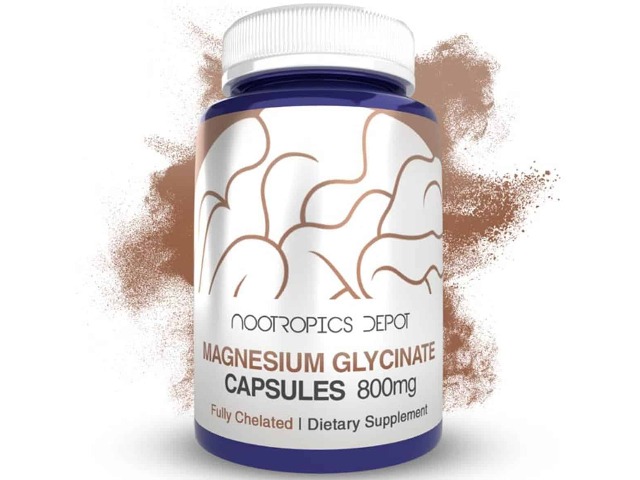
Magnesium Glycinate
Shop Now →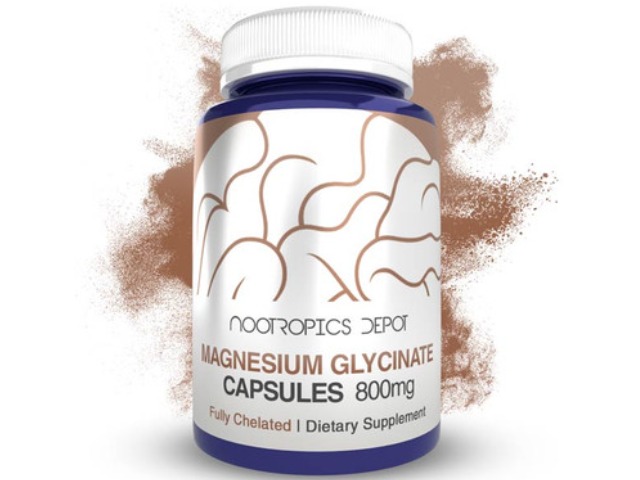
Magnesium Glycinate Capsules | 800mg by Nootropics Depot
Shop Now →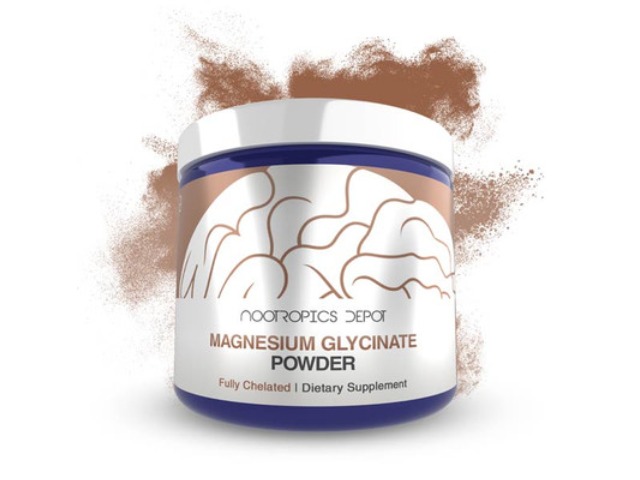
Buy Magnesium Glycinate Powder by Nootropics Depot
Shop Now →Disclosure: These are affiliate links. I earn a small commission if you purchase — at no extra cost to you. I only recommend products I personally use or have thoroughly researched.