I spent three years dealing with chronic lower back pain before I stumbled onto inversion therapy — and like most people, I was equal parts hopeful and skeptical. Hanging upside down to fix your spine sounds like either ancient wisdom or a medieval torture technique, depending on who you ask. After digging into the research and testing it myself, the truth lands somewhere in the middle. Inversion therapy isn’t a miracle cure, but it’s also not the gimmick some physical therapists make it out to be. The key is knowing what it can realistically do for you — and more importantly, who absolutely should not try it.
The Short Version: Inversion therapy uses gravity to decompress the spine, which may reduce back pain, improve posture, and support circulation. The clinical evidence is modest but promising for specific conditions like herniated discs. Start at 20–30 degrees for 1–2 minutes, build gradually, and skip it entirely if you have glaucoma, uncontrolled hypertension, or heart disease. Below, I break down all nine benefits, the safety data, and exactly how to get started.
What Inversion Therapy Actually Is (And Isn’t)
Inversion therapy is a form of spinal traction that uses gravity to decompress the vertebral column. By tilting or fully inverting your body, you reduce the compressive load on intervertebral discs, facet joints, and spinal nerves. This can be done with an inversion table, gravity boots, inversion chairs, or even a simple “legs up the wall” yoga pose.
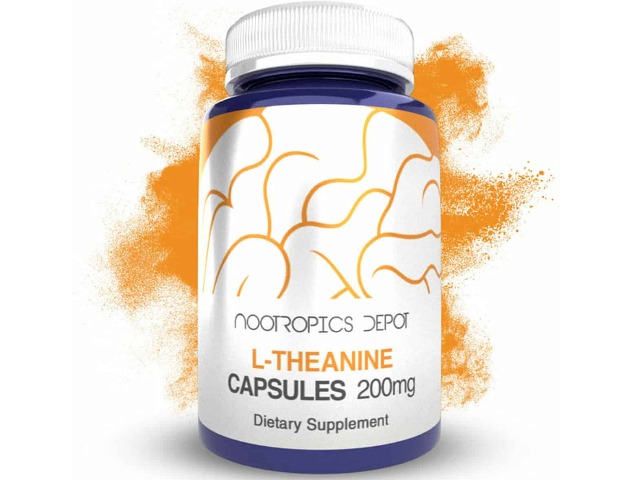
Here’s what it is not: a replacement for physical therapy, chiropractic care, or medical treatment for serious spinal conditions. Think of it as one tool in a broader toolkit — similar to how L-Theanine can support relaxation but isn’t a standalone anxiety treatment.
The mechanism is straightforward. When you’re upright, gravity compresses your spine by roughly 1–2% of your body height over the course of a day. Inversion reverses that compression, creating negative pressure that allows discs to rehydrate and decompress. A 1995 study in the Archives of Physical Medicine and Rehabilitation found that inversion at 60 degrees produced measurable separation between lumbar vertebrae.
Reality Check: The American College of Physicians noted in 2017 that there is “a lack of clinical evidence to support the effectiveness of inversion therapy” as a standalone treatment. That doesn’t mean it’s useless — it means the large-scale randomized controlled trials haven’t been done yet. Most positive findings come from smaller studies or combination protocols.
9 Benefits of Inversion Therapy (What the Evidence Actually Says)
Let me be upfront: some of these benefits have solid research behind them, and others are more mechanistically plausible than clinically proven. I’ll tell you which is which.
1. Spinal Decompression and Back Pain Relief
This is the headline benefit, and it has the most evidence behind it. A 2012 study published in Disability and Rehabilitation found that patients with single-level lumbar disc disease who used inversion therapy in combination with physiotherapy were significantly less likely to require surgery (23% vs. 78% in the control group). That’s a striking difference — though it’s worth noting the study involved just 26 patients per group.
The mechanism makes intuitive sense. Gravitational traction increases the intervertebral space, reduces intradiscal pressure, and may help retract herniated disc material. For people dealing with compression-related pain, this can provide meaningful relief.
Common mistake: Jumping straight to full inversion. Start at 20–30 degrees. The decompression effect begins well before you’re fully upside down.
2. Improved Posture Over Time
Hours of sitting create a forward-head, rounded-shoulder posture that compresses the thoracic spine. Inversion counteracts this by stretching the anterior spinal ligaments and allowing the vertebrae to realign under gentle traction.
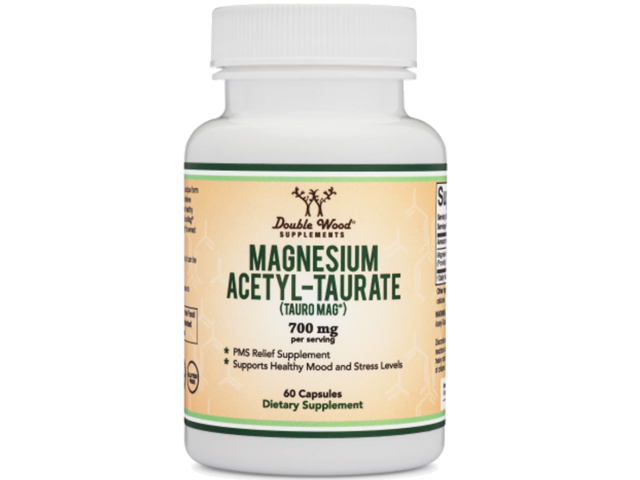
This isn’t a one-session fix. Consistent use over 4–6 weeks tends to produce noticeable postural improvements. Pairing inversion with Magnesium supplementation can support the muscular relaxation needed for postural retraining — tight, magnesium-depleted muscles fight against realignment.
3. Reduced Muscle Tension and Spasms
When spinal nerves are compressed, the surrounding muscles often go into protective spasm. By decompressing the nerve root, inversion can break this pain-spasm cycle. A small study in BMC Musculoskeletal Disorders (2014) observed reduced EMG activity in paraspinal muscles during inversion, suggesting genuine muscle relaxation — not just perceived relief.
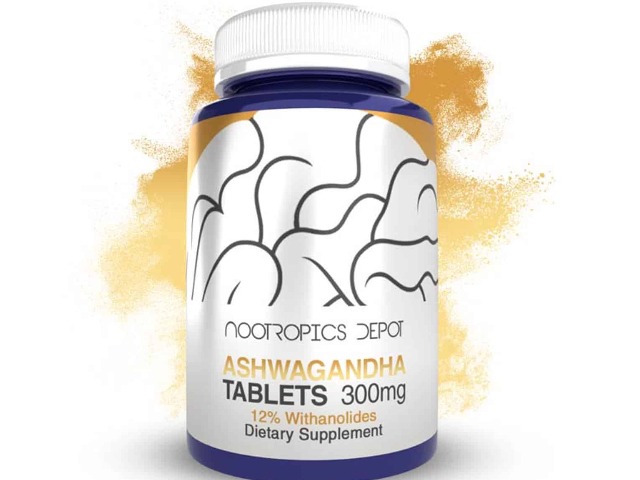
Insider Tip: If you’re using inversion for muscle tension, try timing your sessions in the evening. Combining spinal decompression with your body’s natural cortisol decline creates a compounding relaxation effect. An adaptogen like Ashwagandha taken 30–60 minutes before can further support the parasympathetic shift.
4. Joint Decompression Beyond the Spine
Inversion doesn’t just work on your back. Hanging inverted decompresses the hips, knees, and ankles — all joints that bear compressive loads during the day. For people who run, lift weights, or stand for extended periods, this offers a passive recovery method that doesn’t require any effort.
The caveat: if you have joint hypermobility or connective tissue disorders, excessive traction can destabilize joints rather than help them. Know your body.
5. Enhanced Circulation and Lymphatic Drainage
This benefit is mechanistically sound but clinically understudied. Inverting your body reverses the normal gravitational gradient, which can:
- Improve venous return from the lower extremities
- Support lymphatic drainage (the lymphatic system lacks its own pump and relies partly on gravity and movement)
- Temporarily increase blood flow to the brain and upper body
One important nuance — research published in Archives of Physical Medicine and Rehabilitation (2005) showed that inversion increases both heart rate and blood pressure in the short term. This is your cardiovascular system responding to the positional change, not a sign of benefit for heart health. For most healthy people, this is a non-issue. For those with cardiovascular conditions, it’s a reason to avoid inversion entirely.
Supporting your circulatory system from the nutritional side makes sense here too. Rhodiola Rosea has demonstrated mild vasodilatory and adaptogenic effects that complement physical circulation-enhancing practices.
6. Stress Reduction and Parasympathetic Activation
Here’s where my own experience diverges from what you’d expect. Hanging upside down sounds stressful — and for the first few sessions, it is. Your body doesn’t love being inverted. But once you adapt, something shifts. The gentle traction combined with the stillness creates a surprisingly meditative state.
There’s a physiological basis for this. Spinal decompression activates mechanoreceptors in the paraspinal muscles, which can trigger a parasympathetic (rest-and-digest) response. Think of it as a deep-tissue massage for your spine, delivered by gravity.
| Stress-Reduction Method | Active Effort Required | Equipment Needed | Time per Session |
|---|---|---|---|
| Inversion therapy | Low (passive) | Inversion table | 3–10 minutes |
| Meditation | High (mental) | None | 10–20 minutes |
| Yoga | Moderate (physical) | Mat | 30–60 minutes |
| Adaptogen stack | None (supplemental) | Ashwagandha, L-Theanine | N/A |
For a comprehensive stress-management protocol, I’d stack inversion therapy with L-Theanine (200 mg) and a 10-minute session. The combination of physical decompression and GABAergic support works synergistically.
7. Potential Sleep Quality Improvements
This one is anecdotal and mechanistically inferred — I haven’t found a controlled trial specifically testing inversion therapy on sleep outcomes. The logic: reduced pain, lower muscle tension, and parasympathetic activation should all downstream into better sleep. And in my experience, evening inversion sessions do seem to improve sleep onset.
If sleep is your primary goal, don’t rely on inversion alone. Build a proper sleep stack: Magnesium glycinate (200–400 mg), L-Theanine (200 mg), and address your sleep hygiene fundamentals first.
Pro Tip: If you’re inverting for sleep, keep sessions gentle (20–30 degrees) and short (3–5 minutes). Full inversion before bed can actually be stimulating due to the blood pressure spike — the opposite of what you want.
8. Immune and Lymphatic System Support
The lymphatic system is your body’s waste-removal network, and unlike your cardiovascular system, it doesn’t have a dedicated pump. Movement, muscle contraction, and gravity all drive lymph fluid through your body. Inversion reverses the normal gravitational pull on lymph, potentially helping to mobilize stagnant fluid — particularly in the lower extremities.
This is a theoretical benefit with no direct clinical trials that I’m aware of. But the anatomy supports it, and practitioners of lymphatic drainage massage have used positional therapy (including elevation and inversion) for decades.
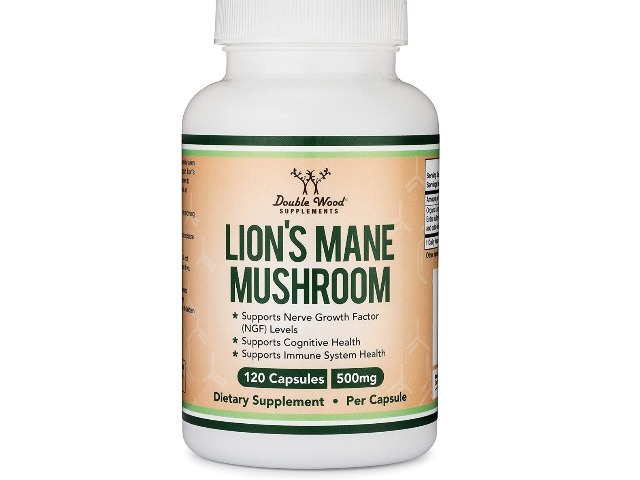
Supporting lymphatic function nutritionally with Lion’s Mane — which has demonstrated immunomodulatory properties in research published in Food & Function (2017) — is a reasonable complement.
9. Mood Elevation
The mood benefit likely stems from the combination of pain relief, stress reduction, and improved circulation rather than any direct neurochemical mechanism. When your back doesn’t hurt and your muscles aren’t in spasm, you feel better. That’s not revolutionary — it’s just how the body works.
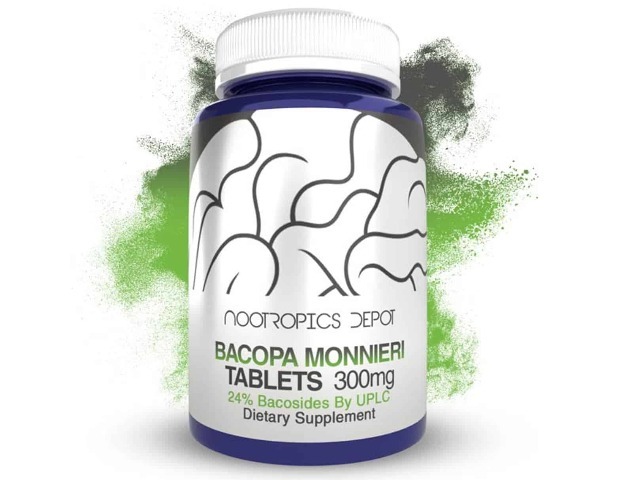
Bacopa Monnieri and Rhodiola Rosea are both evidence-backed options for mood support that work through different pathways — Bacopa via serotonergic modulation and Rhodiola via stress-axis regulation. Combining these with a physical practice like inversion gives you both structural and neurochemical coverage.
| Benefit | Evidence Level | Mechanism | Best For |
|---|---|---|---|
| Spinal decompression | Moderate (small RCTs) | Gravitational traction | Herniated discs, compression pain |
| Posture improvement | Low-moderate (observational) | Anterior ligament stretching | Desk workers, forward-head posture |
| Muscle spasm relief | Low-moderate (small studies) | Nerve decompression, mechanoreceptor activation | Chronic tension, paraspinal spasms |
| Joint decompression | Mechanistic/theoretical | Gravitational unloading | Athletes, standing occupations |
| Circulation enhancement | Mechanistic/theoretical | Reversed gravitational gradient | Sedentary individuals |
| Stress reduction | Low (anecdotal + mechanistic) | Parasympathetic activation | General wellness |
| Sleep improvement | Anecdotal | Downstream from pain/tension relief | Evening protocol users |
| Lymphatic support | Theoretical | Gravitational drainage reversal | General wellness |
| Mood elevation | Low (indirect evidence) | Composite of pain relief + circulation | Those with pain-related mood issues |
Who Should NOT Use Inversion Therapy (This Is Non-Negotiable)
I need to be direct here. Inversion therapy has real risks for specific populations, and these aren’t just lawyer-friendly disclaimers.
Important: The FDA’s Manufacturer and User Facility Device Experience (MAUDE) database documented 10 adverse events related to inversion tables between 2012 and 2022, including 2 spinal cord injuries and 1 death from brain injury caused by equipment failure. While rare, these are not trivial.
Do NOT use inversion therapy if you have:
- Glaucoma or elevated intraocular pressure — Inversion significantly raises IOP, which can damage the optic nerve. A study in Journal of Glaucoma (2019) confirmed rapid IOP increases even at partial inversion angles.
- Uncontrolled hypertension — Blood pressure spikes during inversion. If your baseline is already elevated, this adds dangerous cardiovascular strain.
- Heart disease or history of stroke — Decreased cardiac output and increased arterial pressure during inversion create unacceptable risk.
- Osteoporosis — Compromised vertebrae may not tolerate traction forces.
- Hiatal hernia — Inversion worsens acid reflux and hernia symptoms.
- Pregnancy — Positional changes and abdominal pressure make this inappropriate.
- Obesity (BMI >35) — Most inversion tables have weight limits, and the cardiovascular strain is amplified.
- Blood clot history (DVT/PE) — Positional changes can dislodge clots.
- Recent spinal surgery or acute disc herniation — Traction on healing or acutely inflamed structures can worsen injury.
If you’re unsure, get cleared by your doctor. This is one area where “just try it and see” is genuinely bad advice.
How to Start Inversion Therapy Safely (Step-by-Step)
Step 1: Choose Your Equipment
For most people, an inversion table is the safest and most controllable option. Look for:
- UL certification or equivalent safety testing
- Weight capacity that exceeds your body weight by at least 50 lbs
- Adjustable angle control — preset stops at 20°, 40°, and 60° are ideal for beginners
- Secure ankle locks — this is the most critical safety feature. Poorly designed ankle mechanisms are the leading cause of inversion-table injuries.
- Padded backrest and ergonomic design for comfort during longer sessions
| Equipment Type | Best For | Approximate Cost | Inversion Range |
|---|---|---|---|
| Inversion table | Beginners to advanced | $150–$500 | 20°–90° (full) |
| Gravity boots | Experienced users | $50–$100 | Full inversion only |
| Inversion chair | Those with ankle issues | $200–$400 | 20°–70° |
| Yoga (legs up wall) | Total beginners, free option | $0 | Partial (~45°) |
Step 2: Set Up in a Safe Space
Place your inversion table on a flat, non-slip surface with at least 3 feet of clearance on all sides. Have someone present for your first several sessions — if the ankle lock fails or you feel dizzy, you need a spotter.
Step 3: Follow the Progression Protocol
Week 1–2: Adaptation Phase
- Angle: 20–30 degrees
- Duration: 1–2 minutes per session
- Frequency: 3–4 times per week
- Focus: Getting comfortable with the sensation
Week 3–4: Building Phase
- Angle: 30–45 degrees
- Duration: 3–5 minutes per session
- Frequency: 4–5 times per week
Week 5+: Maintenance Phase
- Angle: 45–60 degrees (full inversion only if comfortable and cleared by a healthcare provider)
- Duration: 5–10 minutes per session
- Frequency: Daily or as needed
- Never exceed 15 minutes per session
Reality Check: Full 90-degree inversion is unnecessary for most people. The decompression benefit plateaus around 60 degrees for the majority of users. Going fully upside down dramatically increases cardiovascular strain without proportional spinal benefit.
Step 4: Monitor Your Response
Signs it’s working:
- Reduced back pain or stiffness after sessions
- Improved range of motion over 2–4 weeks
- Better posture awareness
- Less muscle tension in the evening
Signs to stop immediately:
- Persistent headache during or after inversion
- Visual changes (blurriness, pressure sensation in eyes)
- Dizziness that doesn’t resolve within 60 seconds of returning upright
- Increased pain in any area
- Numbness or tingling in extremities
Step 5: Return to Upright Slowly
This step gets overlooked constantly. Do not snap back to upright from an inverted position. Return slowly through intermediate angles, pausing for 15–30 seconds at each stage. Rapid positional changes can cause orthostatic hypotension — a sudden blood pressure drop that causes dizziness or fainting.
Putting It All Together: A Practical Inversion Protocol
Here’s what a sensible weekly inversion routine looks like, integrated with supportive supplementation:
Morning Protocol (3–4x/week):
- 5-minute gentle stretching
- Inversion at 30–45 degrees for 5–7 minutes
- Slow return to upright
- Rhodiola Rosea (200–400 mg) with breakfast for stress resilience and circulation support
Evening Protocol (2–3x/week):
- Inversion at 20–30 degrees for 3–5 minutes (keep it gentle before bed)
- Slow return to upright
- Magnesium glycinate (200–400 mg) and L-Theanine (200 mg) for sleep support
Ongoing Nutritional Support:
- Bacopa Monnieri (300 mg daily) for cognitive function and mood
- Lion’s Mane (500–1000 mg daily) for neuroprotection and immune modulation
- Ashwagandha (300–600 mg daily) for stress-axis regulation
Timeline of expected results:
- Week 1: Adaptation to the sensation; possible mild soreness
- Week 2–3: Noticeable reduction in muscle tension and back stiffness
- Week 4–6: Cumulative postural and pain-relief benefits
- Week 8+: Maintenance of benefits with consistent practice
My Take
I’ll be honest — when I first tried inversion therapy, I was doing it because my lower back was wrecked from years of sitting at a desk researching nootropics (ironic, I know). I wasn’t expecting much beyond some temporary relief.
What I found was that inversion became one of those “keystone habits” — a small practice that made everything else work better. Less back pain meant better sleep. Better sleep meant clearer thinking. Clearer thinking meant I actually stuck with my supplement protocols instead of forgetting half of them.
But I want to be transparent about the evidence. The clinical research on inversion therapy is thin. Most studies are small, and the American College of Physicians hasn’t endorsed it as a standalone treatment. What we have is a mechanistically sound practice with modest but real evidence for spinal decompression, and a lot of anecdotal support for the secondary benefits.
My recommendation: if you don’t have any contraindications, try it for 4–6 weeks with the progression protocol above. Pair it with foundational nutrition — Magnesium, Ashwagandha, and good sleep hygiene. Track your pain levels and flexibility weekly. If you’re not seeing improvement by week 6, it’s probably not your tool.
The worst-case scenario with responsible inversion therapy is that you spent $200 on a table and 5 minutes a day stretching your spine. There are far worse ways to invest in your health.