I spent years obsessing over nootropics — racetams, choline sources, adaptogens, the whole lineup — before a routine doctor’s visit handed me a reality check. My blood pressure was creeping up. Not dramatically, not “you need medication right now” territory, but enough that my doctor raised an eyebrow. And here’s the thing that rattled me: the research connecting blood pressure to cognitive decline isn’t some fringe theory. It’s one of the most robust findings in neuroscience. I was spending hundreds of dollars a month optimizing my brain while ignoring the single biggest vascular threat to it.
If you’re reading this site, you probably care about your brain more than the average person. But if you haven’t checked your blood pressure recently — or worse, you know it’s off and you’re hoping supplements alone will fix it — this article is for you.
The Short Version: Both high and low blood pressure damage your brain over time by disrupting cerebral blood flow. The latest research (2023–2025) shows that intensive blood pressure control significantly reduces dementia and cognitive impairment risk — but going too low is dangerous too. The sweet spot matters, and specific supplements can help you get there alongside lifestyle fundamentals.
Your Brain Runs on Blood Flow (And Blood Pressure Controls the Faucet)
Your brain is roughly 2% of your body weight but consumes about 20% of your cardiac output. It’s a greedy organ, and it has zero tolerance for supply chain disruptions.
Cerebral blood flow (CBF) is the delivery system — oxygen, glucose, and nutrients flowing through a dense network of tiny vessels. Your brain regulates this flow through a process called neurovascular coupling, which matches blood supply to metabolic demand in real time. When you’re solving a math problem, blood flow increases to the regions doing the work. When you’re resting, it dials back.
Blood pressure is the force driving that entire system. Too much pressure damages the vessel walls. Too little and the delivery trucks can’t reach their destination. Either way, your brain pays the price.
Reality Check: Most people only worry about blood pressure when their doctor brings it up. But by the time high BP causes noticeable cognitive symptoms, the damage has been accumulating for years — sometimes decades.
Here’s what happens at the vascular level when blood pressure goes wrong:
- Hypertension batters the endothelial cells lining your blood vessels, triggering oxidative stress and chronic inflammation. Over time, this causes small vessel disease — damage to the tiny arteries feeding deep brain structures. The result: white matter lesions, reduced cerebrovascular reserve, and measurable deficits in executive function, attention, and memory.
- Hypotension narrows the window of cerebral autoregulation — your brain’s ability to maintain stable blood flow despite fluctuations in systemic pressure. When BP drops too low, especially during physical stress or position changes, your brain literally doesn’t get enough blood.
Both conditions shift the autoregulation curve in dangerous directions. And both accelerate amyloid accumulation and neurodegeneration — the hallmarks of Alzheimer’s disease.
What the Latest Research Actually Shows (2023–2025)
This is where things get interesting — and where the old advice of “just lower your blood pressure” gets a critical update.
SPRINT MIND Sub-Analysis (2023)
The original SPRINT MIND trial was a landmark — 8,363 adults over 50 with high systolic blood pressure, randomized to either intensive control (systolic BP under 120 mmHg) or standard control (under 140 mmHg). The 2023 sub-analysis, published in Hypertension, answered a question that had been nagging clinicians: does aggressive systolic lowering harm people who already have low diastolic pressure?
The answer was no. Intensive systolic control reduced the combined risk of probable dementia and mild cognitive impairment regardless of baseline diastolic blood pressure. Even participants in the lowest diastolic subgroups benefited. The fear that pushing systolic down would cause dangerous cerebral hypoperfusion in low-diastolic patients turned out to be largely unfounded — at least over the ~4-year follow-up period.
This matters because it expands the population who can safely benefit from tighter blood pressure control.
Blood Pressure and Cognitive Impairment in Chinese Adults (2024)
A 2024 study in PLOS ONE examined the relationship from the other direction — what happens at the low end of the blood pressure spectrum? The findings were striking:
| Blood Pressure Group | Cognitive Impairment Risk | Statistical Significance |
|---|---|---|
| Hypotension (lowest group) | OR = 1.590 (59% higher risk) | P = 0.018 |
| Hypertension (SBP ~155 mmHg median) | OR = 0.734 (27% lower risk) | P = 0.007 |
The hypotension group had significantly higher cognitive impairment risk compared to those with intermediate blood pressure. Meanwhile, those with moderately elevated BP actually showed reduced risk — a finding consistent with the “cardiovascular paradox” seen in elderly populations.
The study also found something clinically important: the relationship between systolic BP and cognition was non-linear in adults over 80 and in those taking antihypertensives. Restricted cubic spline models confirmed a U-shaped or J-shaped curve. Translation: there’s a Goldilocks zone, and both extremes are bad.
Important: If you’re over 80 or already on blood pressure medication, the “lower is always better” mantra doesn’t apply to you. Work with your doctor to find your optimal range.
Racial Disparities in BP-Cognition Decline (2025)
A 2025 longitudinal study found that white adults with high blood pressure showed faster decline across multiple cognitive domains — global cognition, perceptual speed, semantic memory, and working memory — compared to Black adults with similarly elevated BP. The mechanisms behind this disparity aren’t fully understood, but the finding underscores that blood pressure management isn’t one-size-fits-all. Genetics, social determinants, and access to care all shape outcomes.
The Four Misconceptions That Could Cost You (And Your Brain)
“Lower blood pressure is always better”
This is the most dangerous oversimplification out there. The 2024 PLOS ONE data showed hypotension carrying a 59% increased risk of cognitive impairment (OR = 1.590, P = 0.018). There’s a U-shaped curve — or more precisely, a J-shaped curve — where both ends carry risk. The optimal zone for most adults appears to be systolic 120–140 mmHg, but this shifts with age.
”Only hypertension matters for brain health”
Hypotension is equally dangerous, just through a different mechanism. While hypertension damages vessels through excessive force, hypotension starves the brain through inadequate perfusion. Both disrupt the cerebral autoregulation system. If you’ve ever felt dizzy standing up quickly, you’ve experienced what your brain deals with chronically when blood pressure is too low.
”Intensive BP control is dangerous if your diastolic is already low”
The 2023 SPRINT MIND sub-analysis directly refutes this. Benefits of intensive systolic control persisted across all diastolic subgroups. If anything, people with low diastolic pressure who didn’t receive intensive systolic control had higher rates of cognitive decline.
”The relationship between blood pressure and cognition is simple and linear”
It’s not. Restricted cubic spline modeling from the 2024 Chinese cohort study showed a decidedly non-linear relationship, especially in people over 80 and those already on antihypertensives. This means cookie-cutter blood pressure targets are inadequate — personalization matters.
Insider Tip: If you’re tracking your blood pressure at home (and you should be), don’t just look at the numbers. Track the variability. Blood pressure fluctuations greater than 20 mmHg systolic between readings are an independent risk factor for cognitive decline, separate from absolute BP levels.
Supplements That Support Both Blood Pressure and Brain Function
Now we’re in my territory. The supplements below have evidence supporting both blood pressure management and cognitive function — which makes them particularly relevant for this article. I’m listing them in order of evidence strength.
| Supplement | BP Effect | Cognitive Effect | Daily Dose | Best For |
|---|---|---|---|---|
| Omega-3s (Fish Oil) | ↓ SBP ~4.5 mmHg | Protects cerebral blood flow | 2–3g EPA/DHA | General brain-vascular support |
| Magnesium Glycinate | ↓ BP 2–3 mmHg | Endothelial function, NMDA regulation | 300–400 mg | Hypertensives with sleep issues |
| Beetroot Extract | ↓ SBP 4–5 mmHg via nitric oxide | Improved cognition in hypertensives | 500 mg nitrates | Acute performance + BP support |
| Citicoline | Indirect (enhances CBF) | Proven in vascular cognitive impairment | 500–1000 mg | Existing cognitive symptoms |
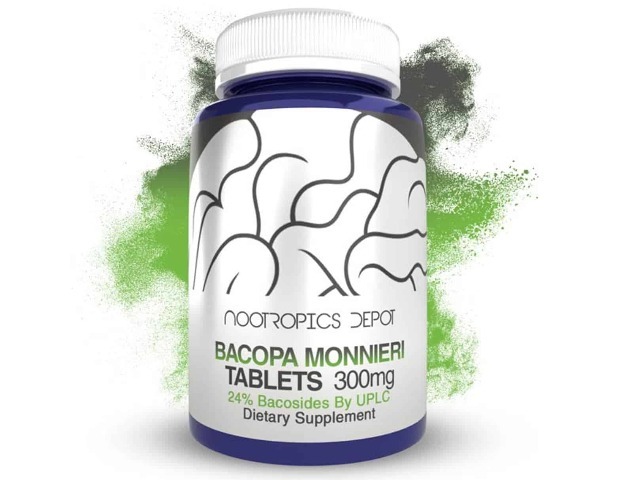
| Bacopa Monnieri | Mild BP stabilization under stress | Neuroprotective, memory enhancement | 300 mg (55% bacosides) | Long-term cognitive maintenance |
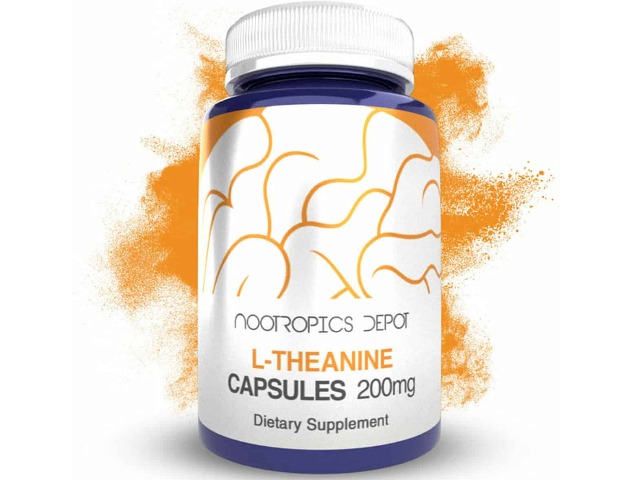
| L-Theanine | ↓ BP stress response | Focus without perfusion disruption | 200 mg | Stress-driven hypertension |
| Alpha-GPC | Potential CBF support | Cholinergic cognitive enhancement | 300–600 mg | Low-perfusion states |
| PQQ | Emerging vascular benefits | Mitochondrial support for neurons | 20 mg | Experimental/forward-looking |
The Heavy Hitters
Omega-3 fatty acids have the deepest evidence base here. Multiple meta-analyses show systolic BP reductions of approximately 4.5 mmHg, and the cerebral blood flow protection is well-documented. If you’re only going to add one supplement for the BP-cognition axis, this is it. Look for products with high EPA/DHA content and third-party testing (IFOS 5-star certification is the gold standard).
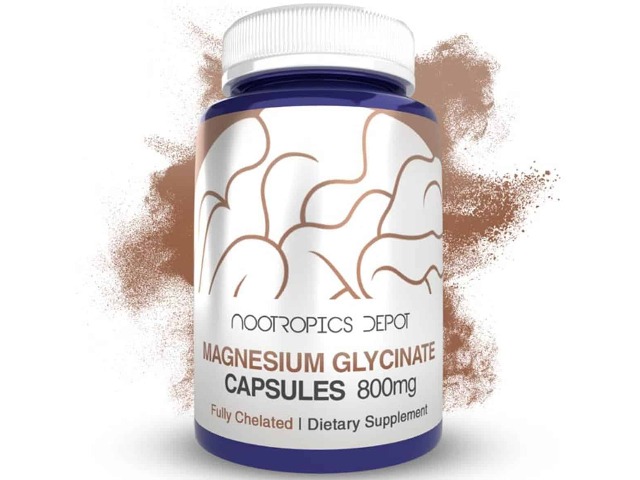
Magnesium is the most underappreciated player. It improves endothelial function, modulates NMDA receptors involved in learning and memory, and most adults are deficient. Glycinate is my preferred form — better absorption, fewer GI issues, and the glycine itself supports sleep (which independently lowers blood pressure).
Beetroot extract works through nitric oxide production, directly dilating blood vessels and improving cerebral perfusion. A small 2023 trial showed cognitive improvements in hypertensive adults alongside the expected BP reductions. It’s particularly useful as a pre-workout or pre-cognitive-demand supplement.
Pro Tip: Stack magnesium glycinate + omega-3s as your daily foundation, then add beetroot on days requiring peak cognitive performance. This covers the three main mechanisms: endothelial repair, anti-inflammatory CBF protection, and acute nitric oxide–driven perfusion.
The Targeted Options
Citicoline is the go-to if you already have symptoms of vascular cognitive impairment — brain fog, slow processing speed, memory lapses in the context of known blood pressure issues. Small trials show it enhances cerebral blood flow directly and supports phospholipid membrane repair. The 500–1000 mg dose range is well-tolerated.
Bacopa Monnieri plays a longer game. Its neuroprotective effects accumulate over 8–12 weeks, and it provides mild blood pressure stabilization during stress. Not a first-line BP supplement, but a strong addition for comprehensive brain health protocols.
L-Theanine is specifically useful for stress-mediated hypertension — when your blood pressure spikes because you’re anxious or overstimulated. It blunts the sympathetic nervous system response without sedation, which keeps blood pressure and cerebral perfusion steady during high-demand situations. Pairs beautifully with caffeine.
Your Blood Pressure–Brain Health Protocol (What to Actually Do)
Step 1: Know Your Numbers
Buy a validated home blood pressure monitor. Measure first thing in the morning, seated, after 5 minutes of rest. Track for at least a week to establish your baseline. Note the variability between readings — this matters as much as the averages.
Target ranges for cognitive protection:
- Under 50: Systolic 110–130 mmHg
- 50–79: Systolic 120–135 mmHg (intensive control if tolerated)
- 80+: Individualized — avoid both extremes; work with your physician
Step 2: Foundations Before Supplements
This is the “foundations first” philosophy I preach on every page of this site, and it applies here more than almost anywhere else:
- Exercise: 30 minutes of moderate aerobic activity daily reduces systolic BP by 5–8 mmHg. This alone is equivalent to adding a blood pressure medication. Walking counts.
- DASH-style eating: Fruits, vegetables, whole grains, lean protein, low sodium. Proven to reduce BP and independently associated with better cognitive outcomes.
- Sleep: 7–9 hours. Poor sleep drives nocturnal BP spikes that damage cerebral vasculature while you’re unconscious. If you snore, get a sleep study.
- Stress management: Even 10 minutes of daily meditation or breathwork lowers resting BP and improves heart rate variability — both of which feed back into better cerebral blood flow.
Step 3: Targeted Supplementation
Tier 1 (everyone with BP-cognition concerns):
- Magnesium glycinate: 300–400 mg/day
- Omega-3s: 2–3g EPA/DHA daily
Tier 2 (add based on your situation):
- Stress-driven BP: Add L-Theanine 200 mg
- Performance days: Add Beetroot extract 500 mg nitrates
- Existing cognitive symptoms: Add Citicoline 500–1000 mg
Tier 3 (long-term brain protection stack):
- Bacopa Monnieri: 300 mg daily (allow 8–12 weeks)
- Alpha-GPC: 300–600 mg for cholinergic support
- PQQ: 20 mg (emerging evidence, optional)
Step 4: Monitor and Adjust
- Weekly home BP measurements
- Annual cognitive screening (ask your doctor about the MoCA test)
- If systolic fluctuates more than 20 mmHg between readings, bring this data to your physician
Important: If you’re on antihypertensive medication, several of these supplements can potentiate their effects — particularly magnesium, which can enhance ACE inhibitors and cause hypotension. Always coordinate with your prescribing physician before adding supplements to an existing BP regimen. Omega-3s at high doses also have blood-thinning effects relevant to anyone on warfarin or similar anticoagulants.
My Take
Blood pressure and cognition isn’t a sexy topic. Nobody’s out here making TikToks about cerebral autoregulation curves. But after years of researching nootropics, I’ve come to believe this might be the single most actionable lever most people are ignoring.
The 2023 SPRINT MIND data gave us something we rarely get in neuroscience: a clear intervention (intensive BP control) with a clear outcome (reduced dementia and MCI risk) in a large, well-designed trial. The 2024 data from China added crucial nuance — the U-shaped curve, the dangers of hypotension, the non-linear dynamics in elderly populations. Together, they paint a picture that’s more sophisticated than “just lower your blood pressure.”
Here’s what I tell people: get your blood pressure right first, then layer in the nootropics. Magnesium, omega-3s, and beetroot are doing double duty — supporting both BP and brain function simultaneously. Citicoline and Bacopa add targeted cognitive support on top of that vascular foundation.
The readers who will benefit most from this article are the ones in their 30s and 40s who haven’t thought about blood pressure yet. Midlife is when the damage starts accumulating silently. By the time you’re 65 and noticing memory problems, you’re playing catch-up against decades of vascular injury. Start now. Check your numbers. Build the foundation. Your future brain will thank you.