I spent three years blaming coffee for my gut problems. Bloating after my morning cup? Must be the coffee. Acid reflux after lunch? Coffee again. I cut it out entirely for six months — switched to matcha, chicory root, even plain hot water with lemon. You know what happened? Nothing changed. My gut was still a mess.
Turns out, coffee wasn’t the villain. My diet was. And when I finally fixed the foundations — fiber, sleep, stress management — and added coffee back in, something unexpected happened. My digestion actually improved. That sent me down a research rabbit hole that completely changed how I think about coffee and the gut microbiome.
The Short Version: Moderate coffee consumption (3-4 cups daily) increases beneficial gut bacteria like Bifidobacterium and Veillonella, enhances colon motility by up to 60% compared to water, and delivers polyphenols that boost microbial diversity. Filter coffee retains the most bioactive compounds. Below, I break down the 2024-2025 science, bust the biggest myths, and give you a practical protocol.
What’s Actually in Your Cup (And Why Your Gut Cares)

Most people think of coffee as caffeine delivery. That’s like calling a salad “crouton delivery.” You’re missing the main event.
Coffee is one of the richest sources of polyphenols in the Western diet — bioactive plant compounds that your gut bacteria absolutely love. The big players include:
- Chlorogenic acid — the star polyphenol, present at 3.23–4.5 mg/mL in filter coffee. Acts as a prebiotic fuel source for beneficial microbes
- Caffeic acid and quinic acid — breakdown products of chlorogenic acid that directly modulate gut bacterial composition
- Trigonelline — supports Bifidobacterium growth and has neuroprotective properties
- Melanoidins — formed during roasting, these act as dietary fiber that feeds colonic bacteria
Here’s the part that surprised me: coffee also contains soluble fiber. About 0.5–1g per cup. Not headline-worthy on its own, but across 3-4 cups daily, that’s an extra 2-4g of prebiotic fiber feeding your microbiome — roughly the same as a small banana.
Insider Tip: Your coffee’s bioactive profile depends enormously on how you brew it. Paper-filtered coffee retains the highest chlorogenic acid content while filtering out diterpenes (compounds linked to elevated cholesterol). If gut health is your goal, a simple pour-over or drip machine beats a French press.
How Coffee Reshapes Your Microbiome (The 2024-2025 Evidence)
The old research on coffee and gut health was decent but surface-level. The 2024-2025 data is where things get genuinely exciting — we now have multi-omics analyses, Mendelian randomization studies, and large-cohort data that tell a much more detailed story.
The Bacteria Coffee Feeds
A 2024 literature review published by the Institute for Scientific Information on Coffee analyzed multiple studies and found a consistent pattern: moderate coffee consumption (under 4 cups daily) significantly shifts the microbiome in favorable directions.
| Bacteria Increased by Coffee | Bacteria Decreased by Coffee |
|---|---|
| Bifidobacterium (probiotic) | Bacteroidetes (inflammatory at excess) |
| Firmicutes phylum | Enterobacteria (includes pathogenic strains) |
| Actinobacteria phylum | Clostridium spp. |
| Lactobacilli (probiotic) | |
| Veillonella (SCFA producer) | |
| Lawsonibacter asaccharolyticus |
That last one — Lawsonibacter asaccharolyticus — is a 2024 discovery from a multi-cohort, multi-omic analysis across US and UK populations. This polyphenol-driven microbe showed reproducible increases in coffee drinkers across independent datasets. Researchers believe it’s specifically attracted to the chlorogenic acid metabolites that reach the colon.
The Veillonella Discovery (And Why Filter Coffee Matters Most)
This is the finding that genuinely changed my perspective. A 2025 Mendelian randomization study using UK Biobank and MiBioGen GWAS data found that unsweetened filter coffee specifically increased Veillonella — a bacterium that produces propionic acid, one of the most beneficial short-chain fatty acids (SCFAs).
Here’s where it gets interesting: that Veillonella increase mediated 43.33% of coffee’s effect on lowering HbA1c (a key blood sugar marker). The numbers were significant — HbA1c decreased with an odds ratio of 0.97 (95% CI: 0.943–0.99, P=0.04). Only filtered coffee showed this effect. Not espresso. Not instant. Not French press.
Reality Check: The HbA1c effect, while statistically significant, is modest. A 3% relative reduction isn’t replacing metformin. But as a free benefit from something you’re already drinking? That’s a meaningful edge, especially stacked with other lifestyle interventions.
The practical takeaway is clear: if you’re drinking coffee for gut and metabolic benefits, how you brew matters as much as what you brew.
Short-Chain Fatty Acids — The Real Prize
SCFAs are the metabolic currency of a healthy gut. Your beneficial bacteria ferment fiber and polyphenols into these compounds, which then:
- Feed colon cells (butyrate is the primary fuel for colonocytes)
- Strengthen the gut barrier
- Reduce systemic inflammation
- Signal to the brain via the vagus nerve
Coffee’s polyphenols — particularly chlorogenic acid — get broken down by colonic bacteria into compounds that increase SCFA production, especially propionic acid. This is the same mechanism that makes prebiotics like psyllium husk and inulin so valuable for gut health. Coffee just happens to deliver a similar benefit in a much more enjoyable package.
Coffee and Digestion: The Motility Factor (It’s Not Just Caffeine)
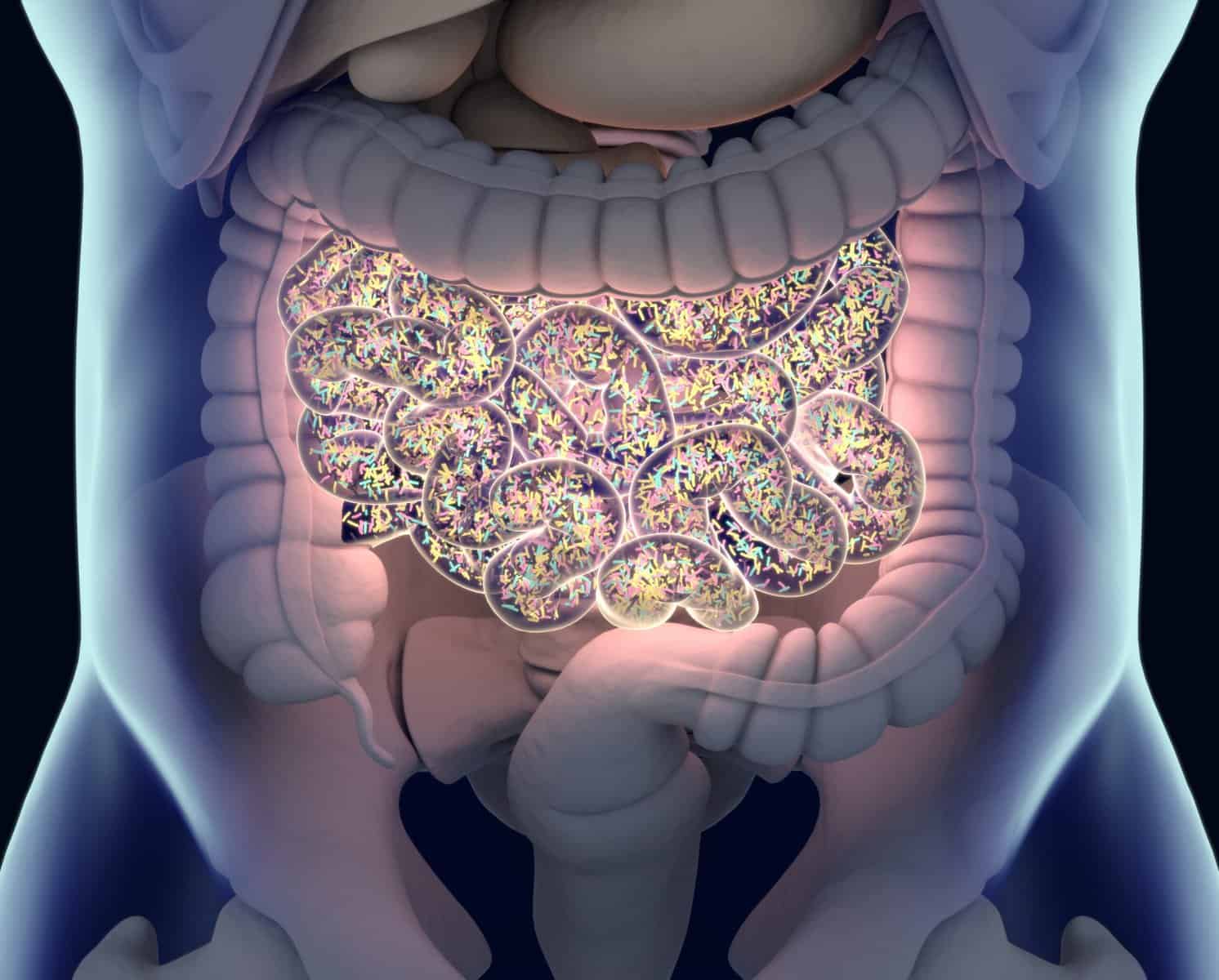
If you’ve ever felt coffee “move things along,” you’re not imagining it. Nehlig’s comprehensive 2022 review in Nutrients (analyzing 194 studies) quantified this effect:
- Coffee increases colon motility 60% more than water
- Coffee increases colon motility 23% more than decaf
- Effects begin within 4 minutes of ingestion
Coffee stimulates the release of gastrin and cholecystokinin (CCK) — hormones that trigger hydrochloric acid production and bile release, respectively. This means your body breaks down food more efficiently after coffee consumption.
| Digestive Mechanism | What Coffee Does | Caffeine-Dependent? |
|---|---|---|
| Gastrin release | Stimulates stomach acid production | Partially |
| CCK release | Triggers bile for fat digestion | No — polyphenols contribute |
| Colon motility | Accelerates stool transit | Partially (23% gap vs. decaf) |
| Microbiome feeding | Polyphenol-to-SCFA conversion | No — occurs with decaf too |
Pro Tip: If you’re using coffee strategically for digestion, timing matters. Drink it 15-30 minutes before or during a meal to maximize the gastrin/CCK response. Drinking on a completely empty stomach first thing in the morning can cause discomfort for some people — though this is individual, not universal.
The Myths That Won’t Die (Let’s Kill Them)
“Coffee Causes Acid Reflux”
This is the myth I believed for years. Nehlig’s 2022 review found no direct causal link between moderate coffee consumption and GERD. The association people observe is almost always confounded by obesity, high-fat diets, eating too close to bedtime, and other lifestyle factors.
Does coffee lower esophageal sphincter pressure slightly? Yes. Does this cause clinical reflux in healthy people? The evidence says no. If you already have GERD, coffee may be additive to existing triggers — but it’s not the root cause.
”Coffee Kills Gut Bacteria”
The opposite is true. The 2024 review data consistently shows coffee increases microbial diversity at moderate doses. The polyphenols in coffee act as selective prebiotics — feeding beneficial strains while making the environment less hospitable for pathogenic ones.
”Decaf Has the Same Gut Benefits”
Not quite. Decaf retains polyphenol benefits (chlorogenic acid survives decaffeination), so you still get microbiome-feeding effects. But you lose about 23% of the motility benefit and the caffeine-driven gastrin stimulation. If you’re caffeine-sensitive, decaf is still a solid choice — just know you’re getting roughly 75-80% of the full package.
”All Coffee Is Created Equal”
The 2025 Mendelian randomization study made this abundantly clear: filter coffee was the only preparation method that significantly increased Veillonella and lowered HbA1c. The likely explanation is that paper filters retain chlorogenic acid while removing diterpenes and coffee oils that may interfere with some bacterial pathways.
Your Coffee-for-Gut-Health Protocol
Based on the current evidence, here’s what an optimized approach looks like:
The Basics:
- Drink 3-4 cups daily (8-12 oz each, staying under 400mg caffeine)
- Use paper-filtered brewing — pour-over, drip machine, or AeroPress with a paper filter
- Drink it unsweetened — sugar feeds pathogenic bacteria and negates polyphenol benefits
- Pair with a fiber-rich meal — oats, vegetables, legumes amplify the SCFA production from coffee’s polyphenols
The Stack (For Gut-Brain Optimization):
Coffee pairs exceptionally well with several nootropics that support the gut-brain axis:
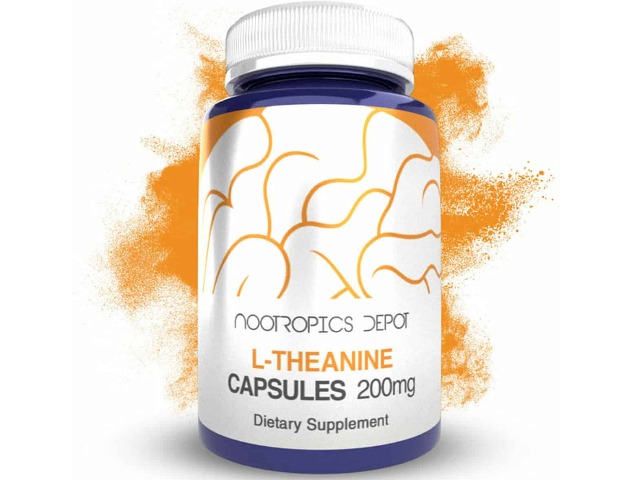
- L-Theanine (100-200mg) — Reduces caffeine jitters while supporting alpha brain waves. The calm focus combo is real.
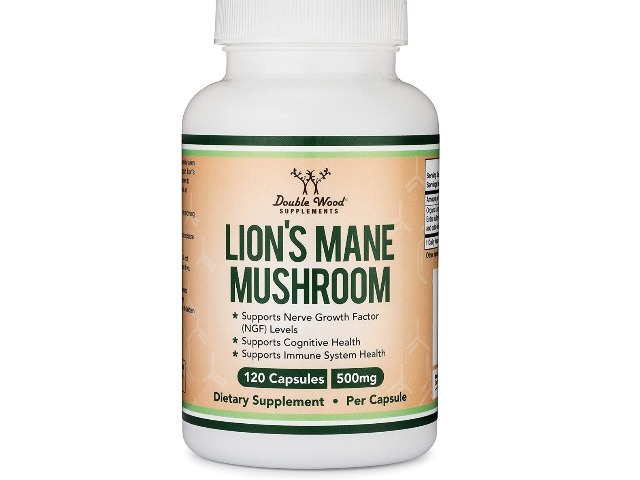
- Lion’s Mane — Contains prebiotic beta-glucan fiber that feeds the same Bifidobacterium strains coffee promotes. The synergy here is underrated.
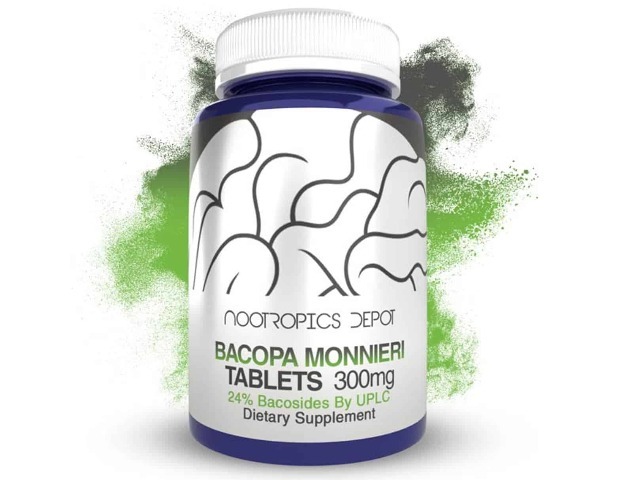
- Bacopa Monnieri — Polyphenol-rich adaptogen with gut-protective, anti-inflammatory properties. Take with your second or third cup.
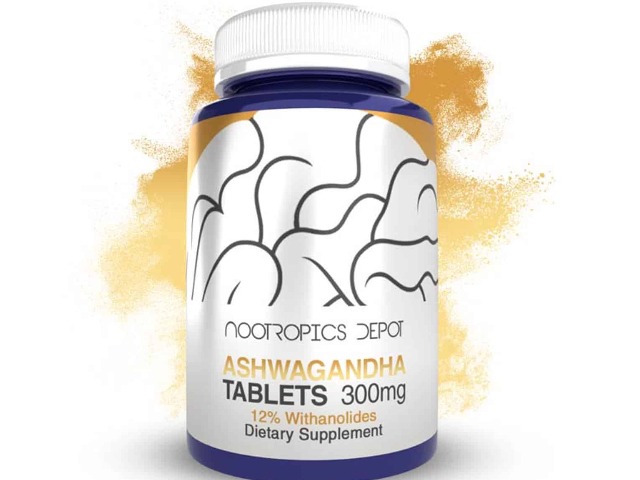
- Ashwagandha — If coffee elevates cortisol for you, ashwagandha’s stress-buffering effect helps maintain the gut barrier (cortisol damages it).
- Rhodiola Rosea — Another adaptogen that complements coffee’s stimulation without adding jitteriness. Supports stress resilience, which directly impacts gut permeability.
Important: If you have anxiety disorders, are pregnant (keep caffeine under 200mg), have active IBS flare-ups, or take theophylline, adjust your intake accordingly. Chlorogenic acid may also interact with glucose-lowering medications — if you’re on metformin or similar drugs, monitor your HbA1c with your doctor after changing coffee habits.
Who Should Consider Decaf Instead:
- Anyone with diagnosed anxiety or panic disorder
- Pregnant or breastfeeding individuals
- People on medications with caffeine interactions
- Anyone who finds coffee disrupts sleep even when consumed before noon
Decaf still delivers polyphenols and microbiome benefits — you’re just trading the motility and gastrin boost for better tolerance.
Coffee Types Compared: What the Evidence Actually Shows
| Brewing Method | Chlorogenic Acid | Diterpenes | Motility Boost | HbA1c Effect | Best For |
|---|---|---|---|---|---|
| Paper-filtered (drip/pour-over) | High (3.23-4.5 mg/mL) | Very low | Full | Significant (P=0.04) | Overall gut health |
| Espresso | Moderate | Moderate | Full | Not significant | Quick caffeine + partial benefits |
| French press | Moderate-high | High | Full | Not significant | Flavor (less optimal for gut) |
| Instant | Low-moderate | Low | Reduced | Not significant | Convenience only |
| Cold brew | Moderate | Low-moderate | Moderate | Not studied | Lower acidity preference |
The evidence points clearly toward filter coffee as the optimal choice for gut and metabolic health. If you’re currently using a French press or pod system, consider switching your daily driver to a pour-over. Your microbiome will notice the difference even if your taste buds take a week to adjust.
What About Coffee and the Gut-Brain Axis?
This is where coffee’s story connects to the broader nootropics picture. Your gut produces roughly 95% of your body’s serotonin and communicates with your brain through the vagus nerve. When coffee improves your microbiome composition — increasing SCFA-producing bacteria, boosting Bifidobacterium, enhancing diversity — those changes ripple upward.
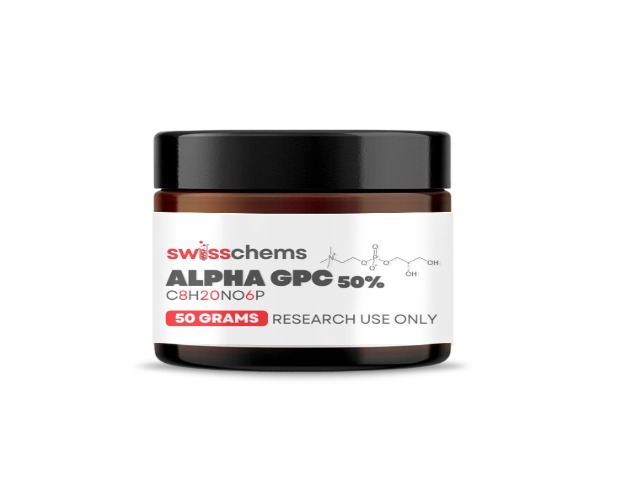
The polyphenols in coffee support many of the same pathways that nootropics like Alpha-GPC and Lion’s Mane target, just from the gut side of the equation. This is why I always tell people: fix the gut first. The fanciest nootropic stack in the world can’t compensate for a dysfunctional microbiome.
If you’re building a cognitive optimization protocol, coffee isn’t just a caffeine source. It’s a polyphenol delivery system that primes the gut-brain axis for everything else you’re taking.
Insider Tip: Consider adding a high-quality probiotic containing Bifidobacterium strains alongside your coffee habit. Coffee creates a favorable environment for these bacteria — a probiotic gives them reinforcements. It’s the prebiotic-probiotic one-two punch, except the prebiotic tastes like a perfectly brewed cup of coffee.
My Take
I went from blaming coffee for my gut issues to considering it one of the most underrated gut health tools available. The 2024-2025 evidence isn’t ambiguous — moderate filter coffee consumption genuinely improves microbiome composition, enhances digestive motility, and even contributes to metabolic health through SCFA production.
That said, I want to be honest about the limitations. Most of the microbiome studies are observational or use Mendelian randomization rather than long-term RCTs. The HbA1c effect, while real, is modest. And coffee is not a fix for a fundamentally broken diet — I learned that the hard way.
Here’s my actual protocol: 3 cups of paper-filtered coffee daily, first cup with breakfast alongside fiber, last cup before 1 PM. I pair it with L-Theanine to smooth out the stimulation and Lion’s Mane for the prebiotic synergy. On weekends, I sometimes cycle off caffeine entirely — not because the evidence demands it, but because maintaining caffeine sensitivity means each cup hits harder when it counts.
If you’re currently avoiding coffee because someone told you it’s “bad for your gut,” reconsider. The science says otherwise. And if you’re already drinking it, switching to a paper-filtered method and dropping the sugar might be the easiest gut health upgrade you make this year.
Your gut has 100 trillion microbes waiting to be fed. Turns out, they like coffee just as much as you do.