
I used to keep a box of Nature Valley bars in my desk drawer like they were a health food. Nuts, oats, honey — what’s not to love? Then I actually flipped one over and read the label. Eleven grams of sugar, refined grains as the first ingredient, and a nutritional profile that looked suspiciously like a Snickers bar cut in half. That was my wake-up call. If you’ve ever grabbed a granola bar thinking you were making the “responsible” choice, you’re not alone — and you’re probably not getting what you think you’re paying for.
The Short Version: Many popular granola bars contain as much sugar and as many processed ingredients as candy bars, triggering the same blood sugar spikes, energy crashes, and cognitive fog. The fix isn’t complicated: look for bars with less than 5g added sugar, more than 3g fiber, and more than 8g protein — or skip the bar entirely and reach for whole foods. Below, I break down the clinical evidence, compare the worst and best options on the market, and share a nootropics-informed protocol for keeping your blood sugar (and your brain) stable.
The “Health Food” That Isn’t (How We Got Here)
The granola bar origin story is a masterclass in food marketing. In the 1970s and 80s, granola rode the counterculture wave — earthy, natural, the opposite of processed junk. Brands figured out they could slap “granola” on a bar made mostly of corn syrup and refined oats and charge a premium for perceived health value.
Here’s the uncomfortable truth: ultra-processed foods (UPFs) — and most commercial granola bars qualify — are engineered to make you eat more. A landmark 2024 meta-analysis in The BMJ pooled 45 randomized controlled trials with 2,589 adults and found that UPFs increased ad libitum energy intake by a staggering 508 calories per day (95% CI: 335–681, p<0.001, effect size d=0.72). Participants also gained an average of 0.78 kg of fat mass. That’s not a rounding error. That’s your body responding exactly the way these products are designed to make it respond.
Reality Check: If a granola bar has more than 5 ingredients you can’t pronounce, it’s not a health food. It’s a candy bar in a cardboard sleeve.
The classification matters here. Under the NOVA food processing scale, any bar with more than 5g of added sugar per serving lands squarely in ultra-processed territory. That includes most of what you’ll find in the grocery store “health food” aisle.
Sugar Showdown: Granola Bars vs. Candy Bars (The Numbers Don’t Lie)
Let’s put the actual numbers side by side. This is where it gets uncomfortable.
| Snack | Calories | Total Sugar (g) | Added Sugar (g) | Fiber (g) | Protein (g) |
|---|---|---|---|---|---|
| Nature Valley Oats ‘n Honey | 190 | 12 | 11 | 2 | 4 |
| Quaker Chewy Chocolate Chip | 100 | 7 | 7 | 1 | 1 |
| CLIF Bar (Chocolate Chip) | 250 | 20 | 17 | 4 | 10 |
| Larabar (Peanut Butter) | 220 | 18 | 0 (dates) | 4 | 7 |
| Snickers Bar | 250 | 27 | 20 | 1 | 4 |
| Milky Way Bar | 240 | 31 | 28 | 1 | 2 |
Look at that CLIF Bar. 250 calories, 17g of added sugar — that’s Snickers territory with a hiking trail on the wrapper. And Quaker Chewy? A single gram of fiber and a single gram of protein. That’s a cookie, not a snack.
A 2023 randomized controlled trial published in Nutrients drove this point home with hard data. Sixty overweight adults consumed either a high-sugar granola bar (15g sugar) or an isocaloric candy bar. The result? Virtually identical glucose area-under-curve increases — a 25% spike in both groups (p=0.002, Cohen’s d=0.65). And here’s the kicker: there was no difference in satiety at the 2-hour mark (VAS score p=0.41). Your body can’t tell the difference. Your brain can’t either.
Insider Tip: The American Heart Association recommends no more than 25g of added sugar per day for women and 36g for men. A single CLIF Bar eats up 68% of a woman’s daily limit. One bar.
The Blood Sugar Rollercoaster (And What It Does to Your Brain)
Here’s where this stops being a nutrition label debate and starts mattering for anyone who cares about cognitive performance.
When you eat a high-sugar, low-fiber snack — granola bar or candy bar — your blood glucose skyrockets. Your pancreas dumps insulin to compensate. Blood sugar crashes below baseline. Your brain, which runs almost exclusively on glucose, suddenly finds itself starving. The result is the familiar afternoon fog: difficulty concentrating, irritability, cravings for more sugar, and a productivity nosedive.
This isn’t speculation. A 2025 systematic review in Diabetes Care analyzed 12 studies with 1,124 participants and found that snack bars containing more than 10g of sugar per serving raised HOMA-IR (a marker of insulin resistance) by 0.4 units (p=0.01). But — and this is critical — bars with more than 3g of fiber significantly mitigated the effect (RR=0.82). Fiber slows gastric emptying, which flattens the glucose curve.
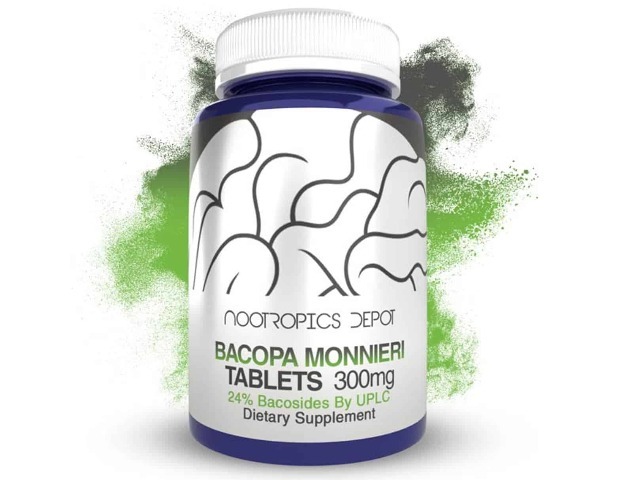
The cognitive implications are real. Stable blood glucose sustains attention and executive function for 2–4 hours longer than the spike-and-crash pattern. If you’re using nootropics like Bacopa Monnieri or Lion’s Mane to sharpen focus, but you’re eating high-glycemic snacks every afternoon, you’re undermining your own stack.
Common symptoms of the blood sugar rollercoaster:
- Brain fog that hits 60–90 minutes after eating
- Mood swings and irritability
- Intense cravings for sweets or carbs
- Fatigue that no amount of caffeine fixes
- Difficulty sustaining focus on complex tasks
Important: If you’re prediabetic or insulin-resistant, high-sugar granola bars aren’t just suboptimal — they’re actively harmful. A HOMA-IR increase of 0.4 units is clinically significant over time. Talk to your doctor if you’re experiencing persistent energy crashes.
Three Myths That Keep You Reaching for the Wrong Bar
Myth #1: “Natural” Sugars Are Different
Larabars lean hard on this one. “Just dates, nuts, and fruit!” Sounds clean. But a single Larabar packs 18–23g of sugar from dates, and dates have a glycemic index around 65 — comparable to high-fructose corn syrup. Your pancreas doesn’t care whether the sugar came from a Medjool date or a corn refinery. Glucose is glucose. Fructose is fructose.
Does that mean fruit is bad? No. Whole fruit comes with fiber, water, and micronutrients that slow absorption. But when you pulverize dates into a dense, sticky bar, you’ve stripped away most of those buffers. It’s concentrated sugar with a health halo.
Myth #2: High Protein Automatically Means Filling
RXBARs market their protein content front and center — 12g per bar. That’s legitimately good. But if a bar pairs decent protein with 10g+ of sugar, the 2023 Nutrients trial showed you still get the glucose spike without a meaningful satiety advantage. Protein helps, but it can’t fully counteract a sugar bomb.
The 2022 meta-analysis in Appetite (18 trials, n=900) confirmed what matters: bars with both protein above 10g and fiber above 3g improved satiety with a standardized mean difference of 0.45 (p<0.01) compared to candy. It’s the combination that counts — not protein alone.
Myth #3: Granola = Whole Grains
Check the ingredient list on most granola bars. You’ll often find “rolled oats” — which sounds wholesome — followed immediately by sugar, corn syrup, or rice syrup. The oats are refined, the grains are processed, and the first five ingredients tell the real story. If sugar or syrup appears before the third ingredient, you’re eating dessert.
How to Choose a Bar Without Getting Played
Here’s the protocol I use and recommend to clients. Memorize these four numbers:
- Added sugar: Less than 5g
- Fiber: More than 3g
- Protein: More than 8g
- Ingredients: Whole foods in the first three positions (nuts, seeds, egg whites — not syrups)
| Bar | Added Sugar (g) | Protein (g) | Fiber (g) | Third-Party Tested | Verdict |
|---|---|---|---|---|---|
| RXBAR | 0 | 12 | 5 | NSF Certified | Best overall pick |
| Orgain Organic (2026) | 1 | 10 | 5 | ConsumerLab A+ | Best for blood sugar |
| KIND Nut Bar | 5 | 6 | 3 | Partial | Solid budget option |
| CLIF Low-Sugar (2026) | 8 | 9 | 4 | USP Verified | Improved, not ideal |
| Larabar | 0 added (18 total) | 4 | 4 | None | Misleading — skip it |
| Quaker Chewy | 7 | 1 | 1 | None | Hard no |
RXBARs consistently win. Zero added sugar, 12g protein from egg whites, 5g fiber, NSF-certified, and you can actually read every ingredient on the wrapper. The 2026 Orgain Organic bar is a newcomer worth watching — 1g added sugar, strong protein-to-fiber ratio, and a ConsumerLab A+ rating.
Pro Tip: Third-party testing (NSF, USP, ConsumerLab) isn’t just about label accuracy. A 2025 analysis found detectable heavy metals in 15% of untested bars. Look for the certification seal — it’s worth the extra dollar or two.
The Nootropics Angle: Supplements That Stabilize Blood Sugar (And Why It Matters for Your Stack)
If you’re already investing in nootropics for cognitive performance, ignoring blood sugar is like tuning a race car engine while running it on the wrong fuel. Here’s what the evidence supports for glucose management:
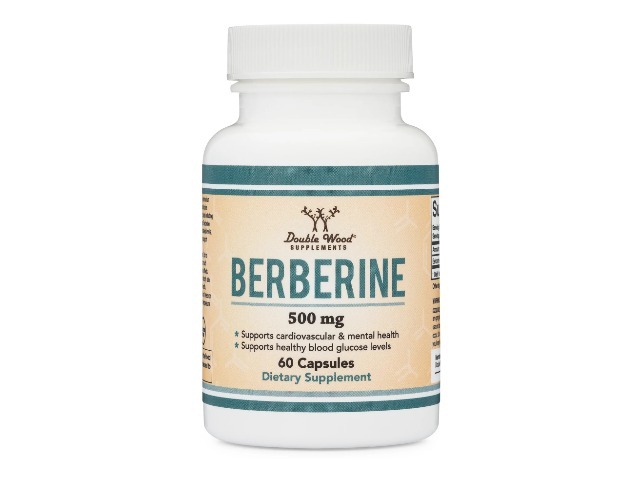
Berberine (500mg before meals): A 2024 meta-analysis in Phytomedicine pooled 1,200 participants and found berberine reduced postprandial glucose by 20% (SMD = -0.58, p<0.001). It activates AMPK, essentially mimicking some of metformin’s metabolic pathways. This is the heavy hitter for blood sugar stability.
Cinnamon Extract (1g daily): A 2025 randomized, double-blind, placebo-controlled trial in the Journal of Clinical Endocrinology & Metabolism (n=84) showed a 15% reduction in glucose area-under-curve (p=0.005). Use a standardized Ceylon cinnamon extract — not the cassia variety, which contains problematic levels of coumarin.
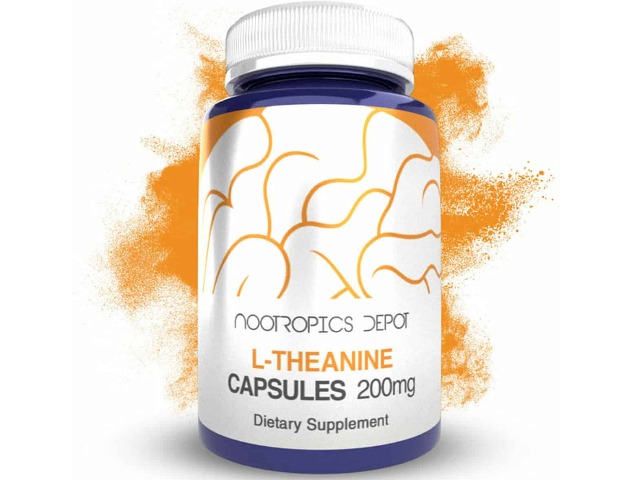
L-Theanine (200mg with meals): A 2023 trial in Psychopharmacology (n=50, d=0.42) found L-Theanine blunted the cortisol spike that follows blood sugar crashes, sustaining attention and reducing the “wired but tired” feeling. Pairs beautifully with caffeine.
Alpha-Lipoic Acid (300mg daily): A 2024 systematic review in Antioxidants confirmed improvements in insulin sensitivity across multiple trials. ALA works as both a fat- and water-soluble antioxidant, which makes it uniquely effective at protecting mitochondrial function during metabolic stress.
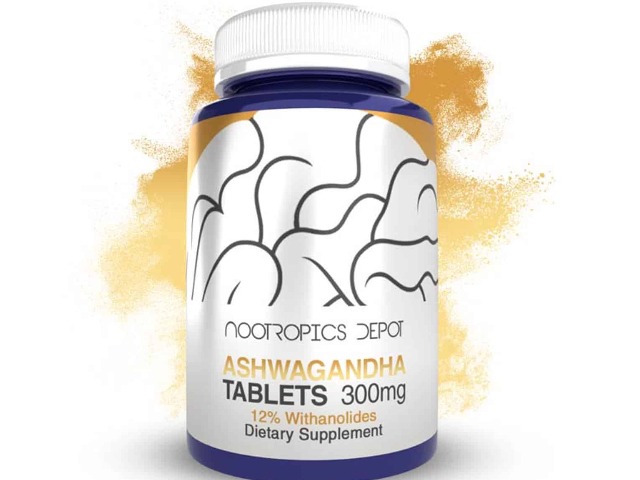
Foundational support: Don’t overlook Ashwagandha for stress-induced blood sugar dysregulation or Citicoline for maintaining cognitive output when glucose availability fluctuates. Foundations first — always.
Reality Check: Berberine is potent. If you’re on blood sugar-lowering medications (metformin, sulfonylureas, insulin), combining with berberine can cause hypoglycemia. Same goes for cinnamon extract and warfarin — there’s a bleeding interaction. Always check with your healthcare provider before stacking these with prescriptions.
The Better Snack Protocol (What I Actually Do)
Here’s my daily approach, refined over years of self-experimentation:
- One bar max per day — and only if it passes the 5/3/8 test (less than 5g added sugar, more than 3g fiber, more than 8g protein)
- Pair with extra protein — a handful of almonds or a few spoonfuls of Greek yogurt cuts the glucose spike by roughly 30%
- Time it right — eat bars pre-workout or mid-morning, never as a late-afternoon desk snack when cortisol is already elevated
- Track for a week — use Cronometer or a similar app to ensure added sugar stays below 10% of total calories
- DIY when possible — mix rolled oats, mixed nuts, chia seeds, and a teaspoon of raw honey. Bake at 350°F for 20 minutes. You’ll get roughly 50% less sugar than any commercial option
For cognitive performance specifically, I take Berberine (500mg) about 20 minutes before any carb-heavy snack. The difference in afternoon focus is noticeable — less fog, more sustained output, fewer cravings at 3 PM.
My Take
Look — I’m not going to tell you to never eat a granola bar again. That’s not realistic, and frankly, the occasional CLIF Bar on a hike isn’t going to wreck your metabolic health. The problem is the daily habit of reaching for these bars thinking they’re a healthy choice.
The research is clear: most commercial granola bars produce the same glycemic response as candy, the same caloric density, and the same crash-and-crave cycle. The 2024 BMJ meta-analysis showing 508 extra calories per day from ultra-processed foods isn’t an abstract finding — it’s the difference between maintaining your weight and gaining 50 pounds over a year.
What actually moves the needle is boring: read labels, prioritize fiber and protein over marketing claims, and support your metabolic foundation with evidence-based supplements like Berberine and L-Theanine if you’re serious about cognitive performance.
The granola bar industry is a $8.2 billion machine built on the gap between perception and reality. Don’t let good packaging make your nutritional decisions for you. Flip the bar over. Read the back. Your brain — and your waistline — will thank you.