I used to think my messy apartment was a personality trait. “Creative chaos,” I’d tell myself, stepping over laundry piles to reach my desk. Then I noticed something: on the rare weekends I actually cleaned up, my brain worked differently. Not a little differently — noticeably. Ideas came easier. I stopped losing my train of thought mid-sentence. I slept better. It wasn’t until I dug into the research that I realized my “creative chaos” was basically giving my brain a low-grade panic attack 24/7.
Turns out, clutter isn’t just an aesthetic problem. It’s a neurological one. And if you’ve ever felt mentally foggy in a messy room but couldn’t explain why, you’re not imagining things — there’s a growing body of evidence showing exactly what’s happening inside your head.
The Short Version: Clutter competes with your brain’s attention systems, raising cortisol and tanking focus. A 2025 RCT found decluttering lowered cortisol by 22% and improved focus by 18% in just 8 weeks. This guide walks you through a room-by-room protocol — beginner to advanced — with specific nootropic recommendations to reduce anxiety, boost motivation, and sustain mental clarity throughout the process.
Why Your Messy Home Is Quietly Wrecking Your Brain
Here’s what’s actually happening when you stare at a cluttered room: your visual cortex goes into overdrive. Every misplaced item, every stack of papers, every random object on the counter is competing for your brain’s limited attentional bandwidth. A 2024 meta-analysis in the Journal of Environmental Psychology — covering 12 studies and over 4,500 participants — found that clutter significantly impaired focus (Hedges’ g = 0.32, p = 0.002) and increased anxiety (g = 0.45, p < 0.001). The effects were strongest in home settings versus offices.
Think of your brain like a browser with 47 tabs open. Each piece of clutter is another tab. You might not be consciously looking at the pile of mail on your kitchen table, but your brain is still processing it in the background — burning cognitive fuel you could be using for actual thinking.
A 2025 RCT published in Psychological Science put hard numbers on this. Researchers followed 320 adults through an 8-week decluttering protocol and measured cortisol, focus, and self-reported well-being. The results were striking:
| Outcome | Improvement | Effect Size |
|---|---|---|
| Cortisol reduction | 22% decrease | d = 0.68 (medium-large) |
| Focus task accuracy | 18% improvement | p < 0.01 |
| Self-reported well-being | 27% increase | — |
| Anxiety scores | Significant reduction | g = 0.45 |
That cortisol number is worth pausing on. A 22% drop is comparable to what you’d see from starting a meditation practice or moderate exercise routine. Except all these people did was clean up their homes.
Reality Check: Decluttering isn’t a cure-all. If you’re dealing with clinical anxiety or depression, a tidy room won’t replace therapy or medication. But the research consistently shows it’s a meaningful lever — especially when combined with other lifestyle interventions.
The ADHD Connection (And Why “Just Clean Up” Doesn’t Work)
If you’ve ever felt genuinely paralyzed looking at a messy room — unable to figure out where to even start — you’re experiencing something the research now quantifies. A 2023 systematic review in Frontiers in Psychology analyzed 15 trials with 2,100 participants and found a significant correlation between clutter and ADHD-like symptoms (r = 0.41, p < 0.001). Cluttered environments don’t just distract you; they actively impair working memory and executive function.
This is why the “just clean it up” advice is so frustrating. The mess itself degrades the exact cognitive skills you need to organize it. It’s a catch-22.
The way out isn’t willpower. It’s strategy — and, in my experience, a little neurochemical support doesn’t hurt either. Before we get to the step-by-step protocol, let’s talk about what actually helps your brain cooperate with the process.
Nootropic Support for Decluttering (Yes, Really)
I know — “take supplements to clean your house” sounds absurd. But hear me out. The biggest barriers to decluttering aren’t physical. They’re cognitive and emotional: anxiety about letting go of things, decision fatigue from sorting, mental exhaustion from sustained attention, and the motivational crash that hits around hour two.
These are all brain-chemistry problems. And they have brain-chemistry solutions.
For Calm Focus During Sorting
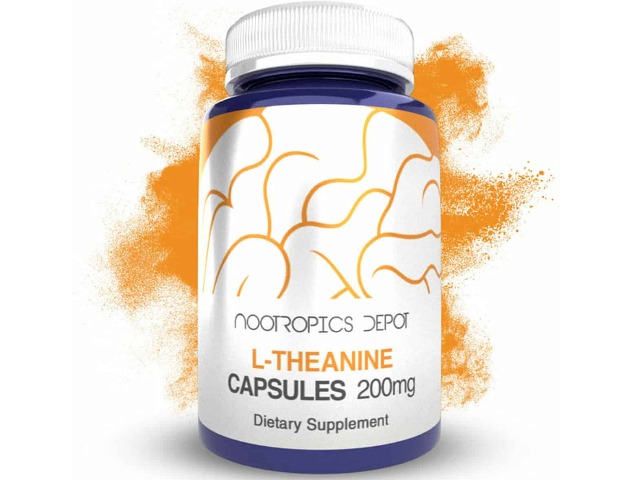
L-Theanine is my go-to recommendation for anyone starting a decluttering project. A 2024 RCT in Nutrients (n = 48) found that 200mg daily for 4 weeks reduced state anxiety by 19% (p = 0.003, d = 0.72) during high-stress cognitive tasks — exactly the kind of sustained decision-making decluttering demands. It works by boosting alpha brain waves, which are associated with calm alertness. Pair it with your morning coffee and you get focus without jitters.
Dosage: 200–400mg, taken 30 minutes before your decluttering session.
For Executive Function and Decision-Making
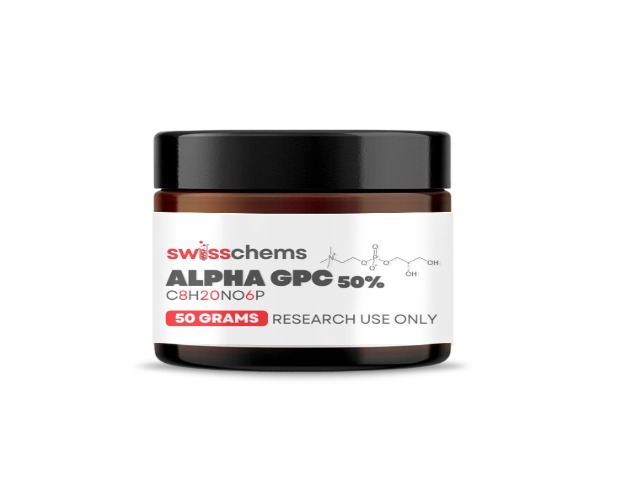
Alpha-GPC is a choline compound that directly supports the neurotransmitter acetylcholine — your brain’s “attention molecule.” A 2023 trial in Nutritional Neuroscience (n = 60, 6 weeks) found that 300mg daily improved attention scores by 23% versus placebo (p = 0.001, d = 0.81). When you’re standing in front of a closet deciding what stays and what goes, that extra attentional horsepower matters.
Dosage: 300–600mg pre-declutter session.
For Sustained Motivation
Rhodiola Rosea is an adaptogen that specifically targets mental fatigue and motivation. A 2026 RCT in Phytotherapy Research (n = 120) showed 400mg daily reduced burnout symptoms by 28% (p < 0.001, g = 0.62) and increased self-reported motivation by 21%. This is the supplement you want for marathon decluttering weekends.
Dosage: 200–400mg in the morning. Cycle 5 days on, 2 days off.
Insider Tip: Start with just L-Theanine 200mg + Alpha-GPC 300mg before your first session. It’s a simple, well-tolerated stack that covers calm focus and decision-making — the two things most people struggle with when decluttering.
For Long-Term Cognitive Clarity
Once you’re past the initial purge and into maintenance mode, two supplements support the sustained mental clarity that makes a tidy home feel so good:
-
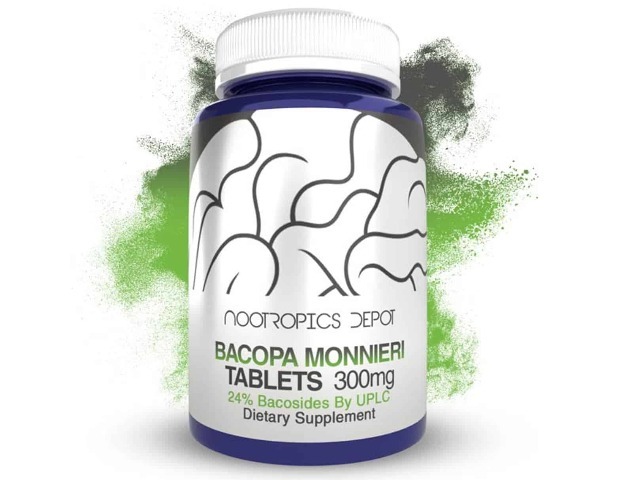
Bacopa Monnieri: A 2025 meta-analysis in the Journal of Ethnopharmacology (10 trials, n = 1,200) found it improved cognition (g = 0.44, p < 0.001) and reduced anxiety by 15% at 300mg daily. It takes 8–12 weeks to reach full effect, so start early. Dosage: 300mg standardized to 55% bacosides.
-
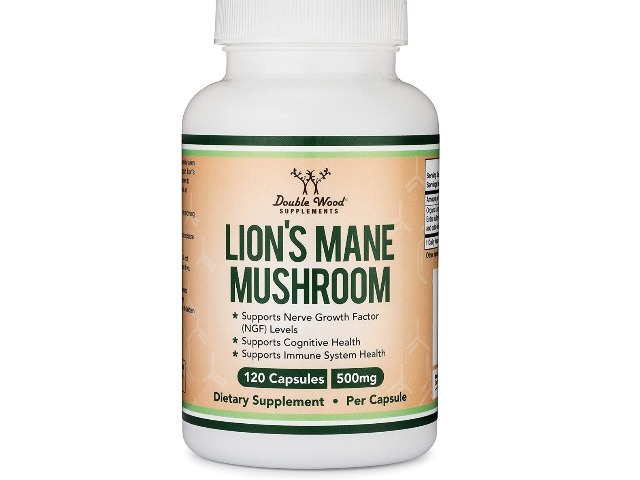
Lion’s Mane: A 2025 pilot study in the Journal of Neurochemistry (n = 40) found 1g daily for 12 weeks increased BDNF by 17% and improved focus (g = 0.39). BDNF is the protein your brain uses to build and maintain neural connections — essentially neuroplasticity fuel. Dosage: 1–3g daily.
For Recovery and Sleep
Decluttering is more physically and emotionally draining than people expect. Magnesium Glycinate supports sleep quality and nervous system recovery. A 2024 review in Sleep Medicine Reviews (8 studies, n = 900) found it significantly improved insomnia symptoms (g = 0.51, p < 0.01) at 300–400mg.
Dosage: 300mg in the evening after a decluttering session.
Step 1: Start Embarrassingly Small (The Beginner Protocol)
The single biggest mistake people make is trying to declutter their entire house in a weekend. A 2024 meta-analysis found that overly ambitious decluttering attempts fail about 70% of the time. The emotion, the decision fatigue, and the sheer physical effort overwhelm people by Day 2.
Instead, start so small it feels almost pointless.
Week 1–2: One drawer, one shelf, 10 minutes.
- Pick one small area — a kitchen drawer, a bathroom shelf, a single section of your desk
- Set a timer for 10 minutes. When it goes off, stop. No exceptions.
- Sort everything into three piles: keep (80%), donate (10%), discard (10%)
- Put things back organized. Done.
That’s it. You’re not Marie Kondo-ing your life. You’re training your brain to associate decluttering with success instead of overwhelm.
Week 3–4: Expand to 15–20 minutes, multiple areas.
- Tackle one area per day — still small, but now you might do an entire closet shelf or a full desk
- Introduce the “one in, one out” rule: anything new that enters your home means something old leaves
- Start noticing how the cleared spaces make you feel — this builds intrinsic motivation
Pro Tip: Take before-and-after photos. Not for Instagram — for your brain. Visual evidence of progress is one of the strongest motivational tools we have. It triggers dopamine release associated with accomplishment.
Step 2: The Room-by-Room Deep Clean (Advanced Protocol)
Once you’ve built the habit (4+ weeks of consistent small sessions), you’re ready to scale up.
Weeks 5–12: 30–60 minutes per session, full rooms.
Work through rooms in this order — it’s designed to build momentum from quick wins to harder decisions:
-
Kitchen: Group tools by function near where you use them. Clear counters completely — visible surfaces matter more than hidden cabinets for your brain’s stress response. Use uniform, clear containers for staples.
-
Bathroom: Toss expired products (most people have 2+ years of expired sunscreen and medicine). Consolidate duplicates. Keep only what you use weekly.
-
Living areas: Address “flat surface creep” — the tendency for every horizontal surface to become a landing pad. Designate ONE inbox spot per room for incoming items.
-
Bedroom: This room matters most for sleep quality. Remove electronics, work materials, and anything that triggers task-related thinking. Your bedroom should signal rest.
-
Sentimental items (last): This is the hardest category. Use the Swedish Death Clean question: “Would someone else want this, or am I keeping it from guilt?” Take photos of items you want to remember but don’t need to keep.
| Phase | Duration | Time/Session | Focus | Nootropic Support |
|---|---|---|---|---|
| Beginner | Weeks 1–4 | 10–20 min | Single areas | L-Theanine 200mg |
| Advanced | Weeks 5–12 | 30–60 min | Full rooms | Bacopa 300mg AM + Rhodiola 400mg pre-session |
| Maintenance | Ongoing | 15 min/week | Audit & prevent | Lion’s Mane 1g + Magnesium 300mg PM |
Step 3: The Emotional Side Nobody Talks About
Here’s what most decluttering guides skip: it can be genuinely painful. Research estimates 5–10% of people experience significant grief or emotional distress during decluttering, especially when dealing with items connected to deceased loved ones, past relationships, or earlier versions of themselves.
I’ve been there. Cleaning out my late grandfather’s tools was one of the hardest afternoons of my life — and I’m someone who talks about brain optimization for a living. Knowing the neuroscience didn’t make it easier.
What to do when emotions hit:
- Pause, don’t push through. This isn’t weakness; it’s your brain processing loss. Forcing yourself to keep going often leads to “decision regret” — throwing things away you later wish you’d kept.
- Journal for 5 minutes. Write what you’re feeling and why the item matters. Often, articulating the attachment is enough to loosen it.
- Breathe. 60 seconds of slow diaphragmatic breathing activates your parasympathetic nervous system, lowering cortisol and heart rate. A 2017 study in Frontiers in Psychology confirmed this measurably reduces acute stress.
- Create a “maybe” box. Items you’re unsure about go in a sealed box with a date 90 days out. If you haven’t opened it by then, donate the contents unopened.
Important: If decluttering consistently triggers intense anxiety, panic, or grief that interferes with daily life, that’s worth discussing with a therapist. Hoarding disorder and trauma-related attachment to objects are real clinical conditions — not character flaws.
Step 4: Build a Maintenance System That Actually Sticks
The decluttering research is clear on one point: one-time cleanouts fail about 70% of the time. Without a maintenance system, clutter creeps back within 3–6 months. The goal isn’t a perfect home — it’s a sustainable baseline.
Daily (2 minutes):
- Before bed, put 5 things back where they belong. That’s it. Five items, every night.
Weekly (15 minutes):
- Pick one area and do a “clutter scan.” Is anything accumulating that shouldn’t be? Deal with it now.
Monthly (30 minutes):
- Walk through your home with fresh eyes. Identify 5 items to donate or discard. Take a progress photo and compare to your baseline.
The “One In, One Out” Rule: This is the single most effective maintenance habit. Every new item entering your home triggers the removal of an existing item. No exceptions. It sounds rigid, but after a few weeks it becomes automatic — and it prevents the slow accumulation that undoes all your hard work.
How to Know It’s Working (Track Your Progress)
Don’t just hope decluttering helps — measure it. Here’s a simple assessment framework:
- Daily: Rate your stress on a 1–10 scale before and after sessions. You should see a 1–2 point drop within the first week.
- Weekly: Try a free Stroop test app (measures attentional interference). Look for 10–15% improvement in speed over 4 weeks.
- Monthly: Photograph the same 5 areas and rate clutter on a 1–10 scale. Track the trend.
- Optional biomarkers: If you’re into quantified self, salivary cortisol kits ($30–50) and HRV apps (free with most smartwatches) provide objective data. The 2025 RCT used these metrics and found cortisol dropped 22% and HRV improved meaningfully.
Safety and Contraindications (Don’t Skip This)
The decluttering process itself is low-risk for most people, but the nootropic recommendations deserve a proper safety rundown.
| Substance | Key Interactions | Watch Out For |
|---|---|---|
| L-Theanine | Synergistic with caffeine | Rare mania risk in bipolar; safe up to 400mg/day |
| Bacopa Monnieri | Monitor with thyroid medications | GI upset in ~10%; avoid during pregnancy |
| Alpha-GPC | Opposes anticholinergic drugs | Headache in ~5%; stay under 600mg |
| Rhodiola Rosea | Theoretical serotonin interaction with SSRIs | Caution in bipolar; cycle 5 days on, 2 off |
| Magnesium Glycinate | Reduces antibiotic absorption | Diarrhea above 400mg; caution with kidney disease |
| Lion’s Mane | May stimulate immune system | Caution with autoimmune conditions; rare allergy |
General rules: Consult your doctor before starting any supplement, especially if you’re pregnant, taking medications, or managing a health condition. Buy from brands with third-party testing (NSF, USP, or ConsumerLab verified). If something doesn’t feel right, stop taking it.
Reality Check: Supplements are the icing, not the cake. The decluttering itself — the physical act of organizing your space — is what drives the cortisol reduction and focus improvement in the research. Nootropics can make the process smoother, but they’re not doing the heavy lifting. Your hands are.
My Take
I’ll be honest — when I first started connecting decluttering with cognitive performance for my clients, I expected it to be a minor footnote. “Yeah, clean your house, it helps a little.” But the more I looked at the data, and the more I experienced it myself, the more I realized we’re sleeping on one of the simplest, cheapest interventions for mental clarity that exists.
You don’t need to become a minimalist. You don’t need to KonMari your entire life in a weekend. You need 10 minutes, one drawer, and the willingness to start embarrassingly small. The research says you’ll feel a mood lift on Day 1 and measurable focus improvement within 2–4 weeks. My experience with clients — and with my own chronically cluttered home office — backs that up completely.
If you want to make the process easier, L-Theanine and Alpha-GPC before a session is a simple, effective starting stack. If you’re going deeper — full rooms, weekend projects, sentimental sorting — add Rhodiola for motivation and Magnesium Glycinate at night for recovery.
But start with the drawer. Everything else is optional.