I’ve been deep in the longevity space for years now, and if there’s one molecule that keeps coming up in every serious conversation about aging, it’s NAD+. Nicotinamide Adenine Dinucleotide is a coenzyme present in every living cell, and it drives hundreds of metabolic processes — from energy production to DNA repair to cellular communication. The problem is that NAD+ levels decline steadily as we age, and that decline is increasingly linked to the hallmarks of aging itself.
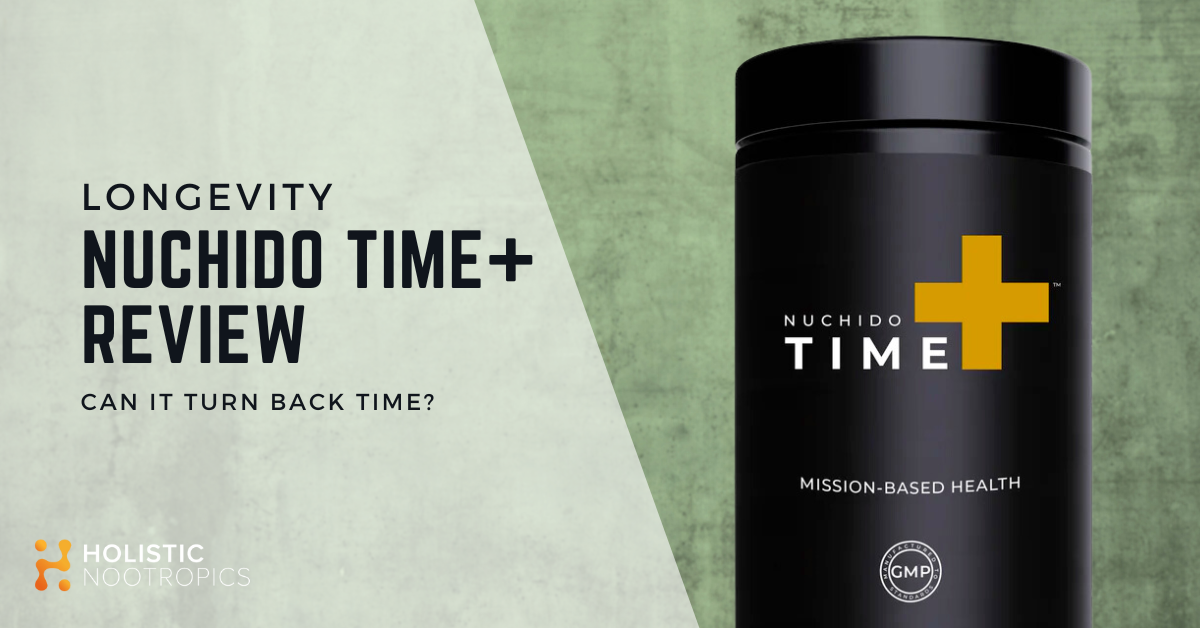
So when Nuchido Time+ came across my desk claiming a 242% increase in NAD+ levels within 28 days, I was intrigued but skeptical. I’ve seen plenty of NAD+ boosters come and go, and bold claims without rigorous backing don’t impress me. What caught my attention was their approach: instead of simply flooding the body with a single precursor, Nuchido targets multiple points in the NAD+ production and recycling pathway simultaneously.
I decided to put it to the test myself — six full months of daily use, tracked against my baseline energy, sleep, and cognitive performance. Here’s what I found.
Key Takeaways: Nuchido Time+ takes a multi-pathway approach to NAD+ restoration, combining NMN, resveratrol, and quercetin to support both production and recycling. After 6 months of personal use, I experienced improved sustained energy, better sleep quality, and sharper mental clarity. The clinical trial data is promising but still limited. At a premium price point, it’s best suited for those serious about longevity who want an all-in-one NAD+ solution rather than assembling individual ingredients.
Why NAD+ Matters for Longevity and Cognition
NAD+ isn’t just another buzzword in the supplement world — it’s foundational to how your cells produce energy and repair themselves. Here’s what it does at the cellular level:
- Energy production: NAD+ is essential for mitochondrial function and ATP synthesis. When NAD+ drops, your mitochondria produce less energy, and you feel it as fatigue and brain fog.
- DNA repair: NAD+ activates sirtuins (particularly SIRT1 and SIRT3), which are enzymes responsible for repairing DNA damage and regulating gene expression. This is one of the primary mechanisms behind its anti-aging potential.
- Cellular communication: NAD+ is consumed by enzymes like PARPs (poly ADP-ribose polymerases) during DNA repair, and by CD38, an enzyme that increases with age and is a major driver of NAD+ depletion.
The decline starts in your 30s and accelerates from there. By middle age, your NAD+ levels may be half of what they were in your twenties. This isn’t theoretical — it’s measurable, and it correlates with the onset of age-related cognitive decline, metabolic dysfunction, and reduced cellular resilience.
Recent research has deepened our understanding of why this matters. A 2024 study revealed that mitochondria serve as critical NAD+ reservoirs, and when these reserves become exhausted over extended periods, cells may no longer possess sufficient NAD+ capacity to drive vital energy-dependent processes — potentially triggering the cascade of cellular dysfunction associated with aging. Additionally, a head-to-head comparison trial published in Nature Metabolism found that NMN and NR approximately doubled circulating NAD+ levels after 14 days of supplementation, while the gut microbiome plays a previously unrecognized role: gut bacteria convert NMN and NR to nicotinic acid, a potent NAD+ booster, suggesting individual microbiome composition may influence how well these supplements work for you.
How NAD+ Boosters Work: Three Approaches
Before getting into Nuchido specifically, it helps to understand the three main strategies for increasing NAD+:
Precursors supply the raw materials for NAD+ synthesis. NMN (Nicotinamide Mononucleotide) and NR (Nicotinamide Riboside) are the two most common. They feed directly into the NAD+ salvage pathway, which is the primary way your body recycles and regenerates NAD+.
Activators stimulate the enzymes responsible for NAD+ production. Resveratrol is the best-known example — it activates SIRT1, which in turn upregulates NAD+ synthesis pathways.
Recycling enhancers focus on making the NAD+ you already produce last longer by inhibiting enzymes that consume it (like CD38) or by supporting the efficiency of the salvage pathway.
Most NAD+ supplements on the market rely on a single precursor. Nuchido Time+ attempts to address all three mechanisms simultaneously, which is what makes it theoretically more comprehensive.
What’s Inside Nuchido Time+
The formulation includes several key active ingredients:
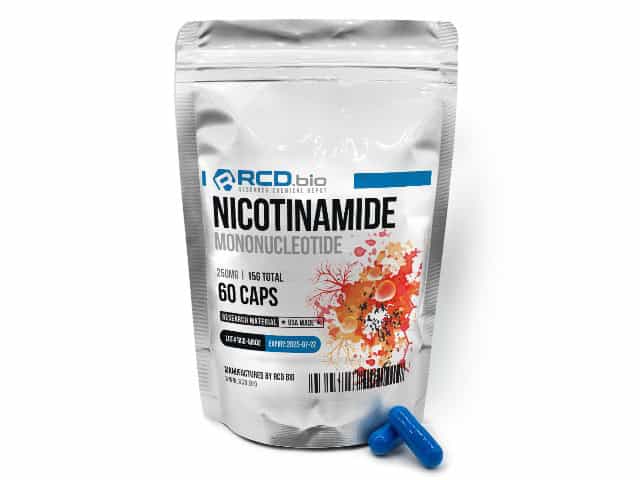
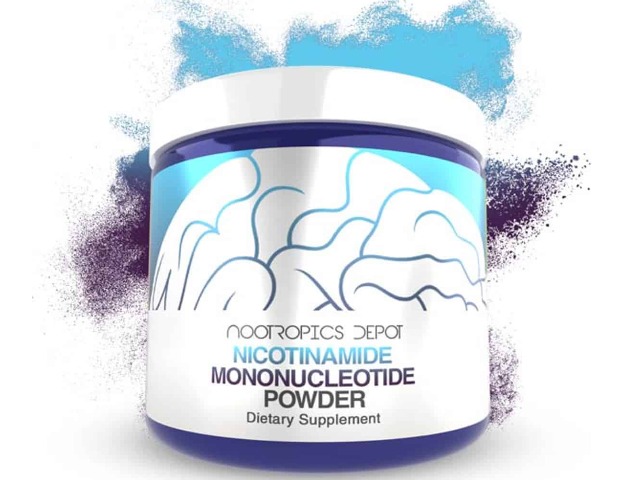
- NMN (Nicotinamide Mononucleotide): The primary NAD+ precursor. NMN is converted to NAD+ via the enzyme NMNAT, and research suggests it’s efficiently absorbed and utilized.
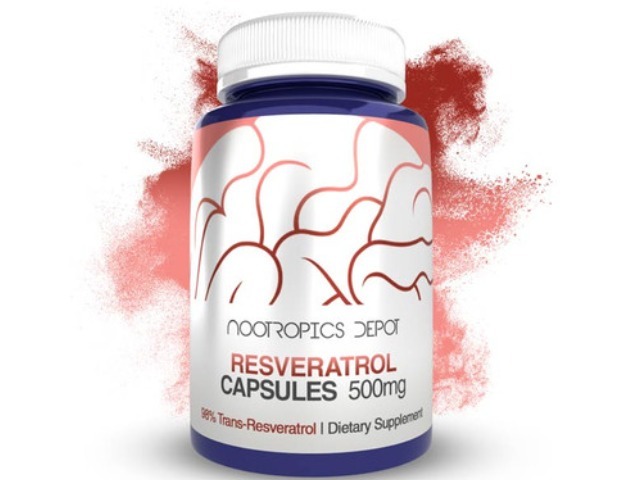
- Resveratrol: A polyphenol that activates SIRT1 and supports NAD+ synthesis. It also has independent antioxidant and anti-inflammatory properties.
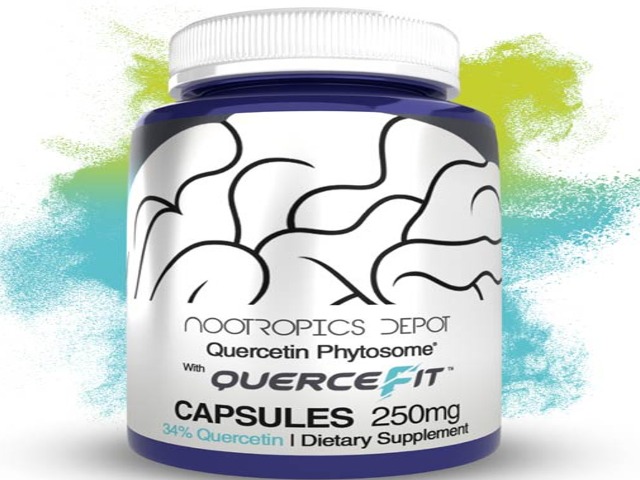
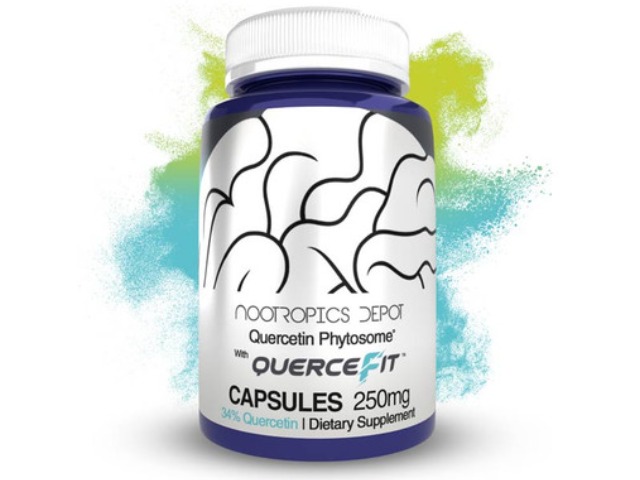
- Quercetin: A flavonoid that serves double duty — it has antioxidant properties on its own and appears to enhance the bioavailability of NMN. Quercetin also functions as a senolytic agent, helping to clear damaged senescent cells.
- Additional cofactors: The formulation includes supporting ingredients designed to optimize the cellular environment for NAD+ production and utilization.
What sets Nuchido apart from competitors like Tru Niagen (which uses NR alone) or Elysium Basis (NR + pterostilbene) is this multi-target approach. Rather than relying on one pathway, it attempts to restore NAD+ production, enhance recycling, and reduce wasteful consumption all at once.
The Clinical Evidence
Nuchido conducted a double-blind, placebo-controlled trial over 12 weeks with human participants. The headline result: a 242% increase in NAD+ levels in the treatment group versus essentially no change in the placebo group. The study also reported positive shifts in biomarkers associated with cellular health and aging.
That said, I want to be transparent about the limitations:
- Small sample size: The initial claim of 242% was based on a very small participant pool. Larger trials are needed to confirm this magnitude of effect.
- Short duration: 12 weeks is encouraging, but long-term data on sustained NAD+ elevation and its real-world health outcomes is still lacking.
- Individual variability: NAD+ metabolism is influenced by genetics, diet, exercise, and baseline health. Your results may differ significantly from the average.
The science of NAD+ supplementation is genuinely exciting, but it’s still maturing. I wouldn’t hang everything on a single trial, no matter how promising the numbers look.
That said, the broader clinical landscape for NAD+ boosters has strengthened considerably. A 2024 randomized, double-blind, placebo-controlled trial published in GeroScience found that 12 weeks of NMN supplementation (250 mg/day) in 60 older adults significantly improved walking speed and sleep quality, with a significant negative correlation between NAD+ elevation and walking time — meaning greater NAD+ increases correlated with better physical performance. A separate 2024 trial in Journal of Clinical Endocrinology and Metabolism showed that 2,000 mg/day NMN for 28 days significantly reduced body weight, total cholesterol, LDL cholesterol, and diastolic blood pressure in overweight adults. And a 2025 randomized trial at Massachusetts General Hospital found that high-dose NR (2,000 mg/day) increased NAD+ levels 2.6- to 3.1-fold, with exploratory analyses showing improvements in fatigue, sleep disturbances, and depressive symptoms in long COVID patients.
My 6-Month Experience
I incorporated Nuchido Time+ into my daily routine at the recommended dose for a full six months. Here’s what I noticed:
Energy: This was the most pronounced effect. By the second week, I noticed more sustained energy throughout the day — not a stimulant-like spike, but a steady baseline that kept me productive through long work sessions without the afternoon crash I’d previously relied on caffeine to push through.
Cognitive clarity: My focus and working memory felt sharper, particularly during complex research tasks. This is consistent with improved mitochondrial function in neurons, which are among the most energy-demanding cells in the body. I found this complemented my existing stack of alpha-GPC and Bacopa monnieri well.
Sleep quality: I slept deeper and woke feeling more restored. This was unexpected — I hadn’t anticipated a longevity supplement would impact sleep — but improved NAD+ levels support circadian rhythm regulation through sirtuin-mediated pathways.
Skin: A secondary observation, but my skin texture improved noticeably over the six months. This tracks with NAD+‘s role in cellular repair and reduced oxidative damage.
Side effects: None. The supplement was well-tolerated throughout the entire period.
Overall rating: 4 out of 5. The effects were real and consistent, but the premium price point means this isn’t for everyone, and I’d like to see more robust long-term clinical data before calling it a must-have.
What Reddit Users Report
Community feedback on Nuchido Time+ is mixed, which is typical for any supplement in this space:
Several users report significant improvements in sleep quality and sustained energy, with some noting benefits from the first week. Others are more skeptical, pointing out that the 242% NAD+ increase claim was based on a very small study. Some users question whether Nuchido’s specific blend offers meaningful advantages over cheaper individual supplements like standalone NMN or NR.
The most balanced take I’ve seen: the multi-pathway approach is theoretically sound, but whether it justifies the price premium over assembling your own stack depends on how much you value convenience and the specific formulation ratios.
How It Compares
Nuchido Time+ vs. Tru Niagen: Tru Niagen uses Nicotinamide Riboside (NR) as a standalone precursor. It’s well-studied and more affordable, but it only addresses one pathway. Nuchido’s multi-pathway approach is more comprehensive in theory.
Nuchido Time+ vs. Elysium Basis: Basis combines NR with pterostilbene (a resveratrol analogue). It’s a step toward multi-pathway support but doesn’t include the quercetin-enhanced bioavailability or the breadth of Nuchido’s approach.
Nuchido Time+ vs. DIY stacks: You could assemble NMN + resveratrol + quercetin separately at a lower cost. The trade-off is uncertainty about ratios, potential quality inconsistencies across vendors, and the convenience factor.
One important note on the regulatory front: the FDA reclassified NMN from a dietary supplement to a drug in the United States, which may affect availability and pricing of standalone NMN products. Multi-ingredient formulations like Nuchido Time+ may navigate this differently, but it’s worth monitoring as the regulatory landscape evolves.
Who Should Consider Nuchido Time+
Nuchido Time+ makes the most sense for people who are already committed to a longevity-focused lifestyle and want a single, well-formulated product targeting NAD+ through multiple mechanisms. If you’re over 35, noticing age-related energy or cognitive decline, and willing to invest in a premium supplement, it’s worth trying for at least 3 months to assess your personal response.
If you’re on a tighter budget or prefer more control over your stack, sourcing individual NAD+ precursors and cofactors separately is a reasonable alternative. Either way, NAD+ optimization is one of the more promising areas in longevity science, and getting ahead of age-related decline is something I recommend to all my clients.
For foundational support alongside any NAD+ protocol, make sure your sleep, exercise, and nutrition are dialed in — no supplement can compensate for a broken foundation. I’d also recommend exploring magnesium L-threonate for sleep optimization and Lion’s Mane for complementary cognitive support.