
Few topics in mental health have shifted as dramatically as psychedelic medicine. When I first started writing about nootropics and cognitive enhancement a decade ago, psychedelics were firmly in the counterculture category — interesting historically, but not something serious researchers were willing to stake their careers on. That has changed completely. Today, some of the world’s leading institutions — Johns Hopkins, Imperial College London, NYU, UCSF — have dedicated psychedelic research centers, and the clinical data emerging from rigorous trials is genuinely remarkable.
I want to be upfront about my perspective: I’m neither a psychedelic evangelist nor a skeptic. I’m someone who evaluates evidence for a living, and the evidence here is compelling enough to warrant serious attention — while also carrying real risks that get underplayed in the enthusiasm. If you’re interested in this space, you deserve a balanced, evidence-based assessment rather than either hype or fear.
The Short Version: Clinical trials show that psilocybin-assisted therapy produces rapid, sustained antidepressant effects that outperform SSRIs in some head-to-head comparisons. MDMA-assisted therapy for PTSD has shown response rates exceeding 70% in phase III trials. The proposed mechanisms include disruption of rigid neural circuits (the “default mode network”), enhanced neuroplasticity, modulation of serotonin receptors, and anti-inflammatory effects. However, psychedelics carry real risks including psychological distress during sessions, potential cardiovascular effects, serotonin syndrome risk with certain medications, and contraindications for psychotic spectrum disorders. These are powerful tools that require proper screening, guidance, and integration — not casual experimentation.
How Psychedelics Affect the Brain
Classical psychedelics — psilocybin, LSD, DMT, mescaline — primarily act on serotonin 5-HT2A receptors in the cortex. This triggers a cascade of downstream effects that fundamentally alter how the brain processes information, at least temporarily.
The leading theoretical framework is the REBUS model (Relaxed Beliefs Under Psychedelics), proposed by Robin Carhart-Harris. Under this model, psychedelics reduce the weight of top-down predictions that the brain uses to filter incoming information. Normally, your brain is constantly predicting what it expects to encounter based on prior experience. These predictions are efficient but also rigid — they’re what keep you stuck in depressive rumination loops, traumatic re-experiencing, or addictive behavioral patterns.
Psychedelics temporarily loosen these constraints, creating a window of enhanced neuroplasticity where new neural connections form more readily and entrenched patterns can be disrupted. This is why the therapeutic context matters so much: the psychedelic experience opens a window, but what happens during that window determines the therapeutic outcome.
Key mechanisms include:
- Default mode network disruption — the DMN is the brain network most associated with self-referential thinking, rumination, and the “narrative self.” Psychedelics dramatically reduce DMN activity, which correlates with the ego dissolution experiences commonly reported and may explain why depressive thought loops break
- Enhanced neural connectivity — under psychedelics, brain regions that don’t normally communicate begin talking to each other. This cross-talk may underlie the novel insights and perspective shifts that patients report
- Serotonin receptor modulation — 5-HT2A activation triggers downstream BDNF release and glutamate signaling, promoting synaptic plasticity
- Anti-inflammatory effects — emerging research suggests psychedelics modulate inflammatory cytokines through serotonin receptor pathways, which is relevant given the growing evidence linking neuroinflammation to depression
Clinical Evidence for Depression
The strongest clinical evidence exists for psilocybin in treatment-resistant depression. A pivotal trial at Johns Hopkins found that two psilocybin sessions (given 2 weeks apart) with psychological support produced rapid and large decreases in depression scores. Over 70% of participants showed a clinically significant response, and over 50% achieved remission — with effects persisting at 12-month follow-up.
What makes these results particularly striking is the comparison to conventional treatment. SSRIs typically take 4-6 weeks to show effects and have response rates around 40-60%. Psilocybin therapy produced comparable or superior results in 1-2 sessions. A head-to-head trial comparing psilocybin to escitalopram (Lexapro) found that while both groups improved, the psilocybin group showed greater improvements in secondary outcomes including wellbeing, meaning, and social functioning.
This doesn’t mean psilocybin will replace SSRIs wholesale. But for treatment-resistant cases — people who have tried multiple medications without adequate relief — the data suggests a genuinely novel therapeutic mechanism.
2025 Phase 3 breakthrough: In June 2025, Compass Pathways announced the first successful Phase 3 clinical trial of a synthetic psilocybin (COMP360) for treatment-resistant depression. The COMP005 trial — a randomized, double-blind, placebo-controlled study with 258 participants across 32 sites in the United States — demonstrated that a single 25 mg dose of COMP360 produced a highly statistically significant reduction in depression severity compared to placebo (p < 0.001), with a clinically meaningful difference of -3.6 on the MADRS scale at week 6. This is the first Phase 3 efficacy data ever reported for a classic psychedelic, and it represents a pivotal moment for the entire field.
Clinical Evidence for PTSD
MDMA-assisted therapy for PTSD has arguably the most dramatic clinical data. Phase III trials conducted by MAPS (Multidisciplinary Association for Psychedelic Studies) showed that approximately 71% of participants no longer met PTSD diagnostic criteria after three MDMA-assisted therapy sessions, compared to 48% in the therapy-plus-placebo group.
MDMA works differently from classical psychedelics. Rather than disrupting the default mode network, it increases oxytocin and serotonin release while reducing amygdala fear responses. This creates a state where patients can revisit traumatic memories without the overwhelming fear response that normally prevents therapeutic processing. In essence, MDMA creates an emotional safety window that allows trauma to be integrated rather than avoided.
The FDA’s path for MDMA approval has been significantly more complicated than many anticipated. In August 2024, the FDA declined to approve Lykos Therapeutics’ New Drug Application for MDMA-assisted therapy, requesting an additional Phase 3 trial. The FDA’s concerns included ineffective blinding due to MDMA’s psychoactive effects, failure to collect key safety data (electrocardiograms, liver function tests, measures of euphoria), and risks related to therapist misconduct during sessions. While this was a setback for the MDMA specifically, the underlying efficacy signal remains robust across multiple studies, and the FDA’s feedback has been described by industry experts as an opportunity to strengthen the evidence base for psychedelic medicine more broadly.
Evidence for Addiction
Psilocybin-assisted therapy has shown promising results for smoking cessation and alcohol use disorder. A Johns Hopkins pilot study found that 80% of participants remained abstinent from smoking at 6 months after psilocybin therapy — compared to approximately 35% with the best conventional treatments. A larger randomized trial at NYU showed significant reductions in heavy drinking days following psilocybin therapy.
The mechanism appears related to the “mystical experience” component. Participants who report profound, personally meaningful experiences during psilocybin sessions show better treatment outcomes across conditions. This suggests that the psychological content of the experience — not just the pharmacology — drives therapeutic change.
Risks and Safety Considerations
Psychedelics are not risk-free, and the current enthusiasm sometimes obscures legitimate safety concerns.
Psychological risks during sessions: Even in controlled clinical settings, a significant minority of participants experience fear, anxiety, paranoia, and confusion during psychedelic sessions. These “challenging experiences” are not the same as lasting harm — most participants report integrating difficult experiences as ultimately beneficial. But in uncontrolled settings without skilled support, bad trips can be genuinely traumatic.
Cardiovascular effects: Psychedelics can temporarily elevate blood pressure and heart rate. This is manageable in clinical settings with monitoring but represents a risk for people with cardiovascular conditions.
Serotonin syndrome: Combining classical psychedelics with SSRIs, SNRIs, or MAOIs carries a risk of serotonin syndrome — a potentially life-threatening condition. This is a critical contraindication that must be managed with proper medical screening.
Psychotic spectrum disorders: Psychedelics are strongly contraindicated in individuals with a personal or family history of schizophrenia, psychosis, or bipolar I disorder. The disruption of top-down processing that’s therapeutic for depression can be dangerous for someone predisposed to psychotic episodes.
Hallucinogen Persisting Perception Disorder (HPPD): A small percentage of users experience persistent visual disturbances (trails, halos, snow) after psychedelic use. While usually mild and self-limiting, this risk exists and is not well understood.
Unregulated use: Perhaps the biggest real-world risk is that people attempt to self-administer psychedelic therapy based on clinical trial results, without proper screening, guidance, or integration support. The clinical trials that produced remarkable results involved extensive preparation, skilled therapists, controlled environments, and structured integration sessions afterward. Eating mushrooms alone in your apartment is not the same thing.
Complementary Approaches
For those interested in supporting mental health through similar pathways without psychedelics, several evidence-based nootropics work on overlapping mechanisms:
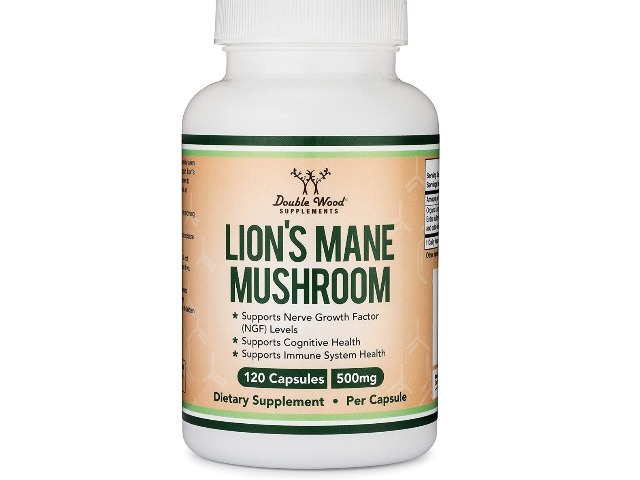
- Lion’s mane mushroom promotes neuroplasticity through nerve growth factor stimulation — the same neuroplasticity window that psychedelics temporarily open, but through a gentler, sustained mechanism. See our medicinal mushrooms guide for details.
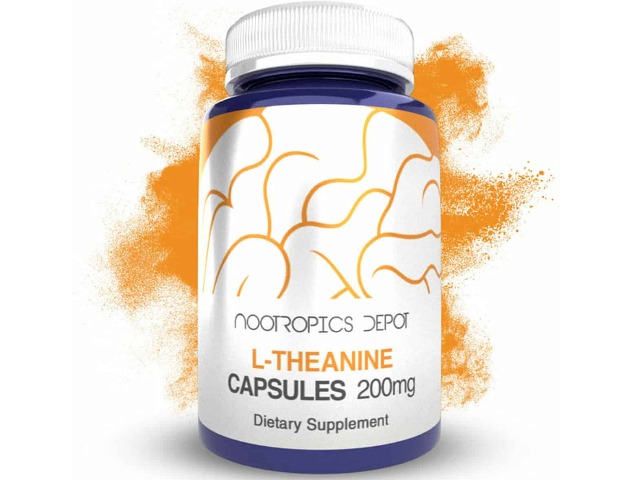
- L-Theanine promotes alpha brain wave activity associated with calm, meditative states
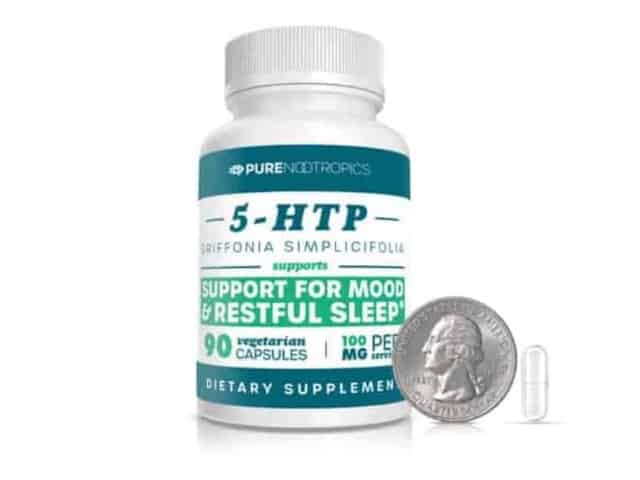
- 5-HTP supports serotonin synthesis through precursor availability
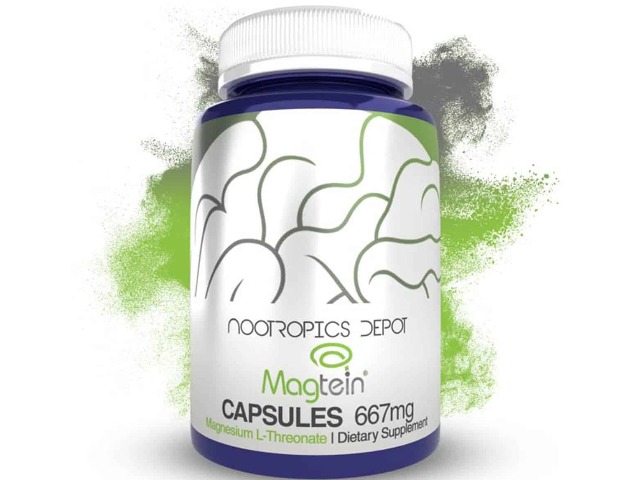
- Magnesium L-threonate supports NMDA receptor function and neuroplasticity
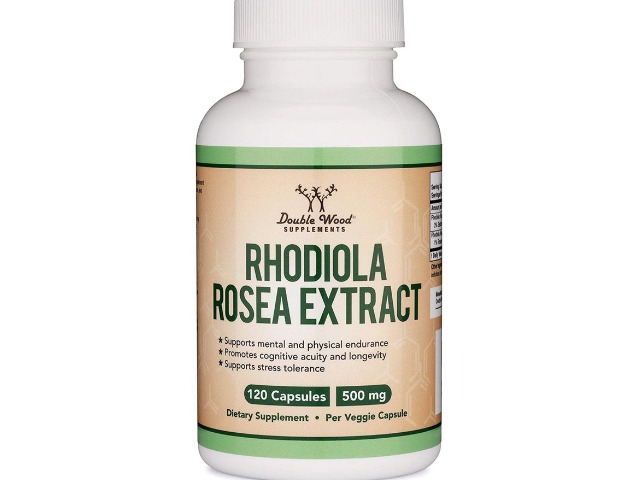
- Rhodiola rosea modulates the stress response and supports emotional resilience
These aren’t psychedelic substitutes, but they address some of the same underlying systems — neuroplasticity, serotonergic function, stress resilience — through daily, sustainable supplementation.
The Regulatory Landscape
The legal status of psychedelics is evolving rapidly. Oregon legalized psilocybin therapy services in 2020 (with centers opening in 2023). Colorado followed with broader decriminalization. Several cities have deprioritized enforcement of psilocybin laws. Australia approved psilocybin and MDMA for clinical use in 2023, becoming the first country to do so at a national level.
Ketamine clinics, while using a different pharmacological mechanism, currently offer the most accessible legal option for psychedelic-adjacent therapy. Ketamine is FDA-approved as an anesthetic, and esketamine (Spravato) is approved specifically for treatment-resistant depression. Many clinics offer off-label IV ketamine infusions, though insurance coverage remains inconsistent.
The timeline for broader psilocybin and MDMA availability in the U.S. remains uncertain but is likely within the next several years as regulatory processes continue.
The competitive landscape has expanded considerably since 2024. In addition to Compass Pathways’ Phase 3 psilocybin program, the Usona Institute is testing psilocybin for major depressive disorder, Awakn Life Sciences is testing ketamine for alcohol use disorder, and MindMed is conducting Phase 3 trials of LSD for generalized anxiety disorder — all with FDA breakthrough therapy designations. A 2024 Emory University study estimated that more than 5 million Americans would be eligible for psychedelic therapy once approved, underscoring the scale of potential impact. Given the MDMA setback, it now appears more likely that psilocybin will be the first classic psychedelic to receive FDA approval, potentially based on Compass Pathways’ Phase 3 data.
My Take
Psychedelic medicine represents a genuine paradigm shift in mental health treatment — the first truly novel mechanism of action for depression and PTSD in decades. The clinical data is strong enough that dismissing it would be intellectually dishonest. At the same time, these are powerful psychoactive substances that demand respect, proper screening, and professional guidance.
If you’re dealing with treatment-resistant depression, PTSD, or addiction and conventional approaches haven’t worked, this is a space worth following closely and discussing with your healthcare provider. If you’re considering self-directed use, I’d strongly encourage you to prioritize safety: thorough research, proper screening for contraindications, an experienced sitter, a controlled environment, and structured integration afterward.
The mental health crisis is real, and we need all the evidence-based tools we can get. Psychedelics appear to be one of those tools — powerful, promising, and requiring the same rigorous approach we bring to any serious therapeutic intervention.