
Medicinal mushrooms are one of the few categories of natural supplements where the hype is actually backed by legitimate clinical research. I’ve been recommending them to clients and readers for years, and they remain a cornerstone of my personal cognitive enhancement protocol. Unlike many nootropics that work through a single mechanism, mushrooms deliver a complex matrix of bioactive compounds — beta-glucans, terpenes, hericenones, erinacines, cordycepin — that work through multiple, complementary pathways to support brain health.
What sets medicinal mushrooms apart from most synthetic nootropics is their safety profile combined with genuine efficacy. These are substances with thousands of years of traditional use in Chinese and Ayurvedic medicine, now validated by modern double-blind trials. They don’t give you a sharp, stimulant-like cognitive “hit” — instead, they build resilience, protect neurons, and enhance function over weeks and months of consistent use. If you’re looking for a long-game approach to brain health (and you should be), mushrooms deserve serious consideration.
The Short Version: Lion’s mane has the strongest evidence for direct cognitive enhancement — it stimulates nerve growth factor (NGF) production and has demonstrated significant improvements in memory, concentration, and processing speed in human trials. Cordyceps enhances cellular energy through ATP production and oxygen utilization, translating to better mental stamina. Reishi provides adaptogenic stress reduction and anti-inflammatory neuroprotection. Chaga offers potent antioxidant activity through the Nrf2 pathway. For best results, use full-spectrum fruiting body extracts from reputable brands that verify beta-glucan content.
Why Mushrooms Work Differently Than Other Nootropics
Most nootropics target a single neurotransmitter system. Alpha-GPC boosts acetylcholine. L-tyrosine supports dopamine synthesis. These are useful, targeted tools. But mushrooms operate more like adaptogenic systems — delivering hundreds of bioactive compounds that modulate multiple pathways simultaneously.
This multi-target approach is why mushrooms tend to produce broad, balanced cognitive improvement rather than hyper-specific effects. They nourish the underlying infrastructure of brain health: neuronal growth, inflammation regulation, mitochondrial energy, cerebral blood flow, and neurotransmitter balance. When these foundations are optimized, every other cognitive intervention works better.
The other key advantage is safety. Full-spectrum mushroom extracts have remarkably clean safety profiles with minimal side effects, even at higher doses. This makes them ideal as a daily foundation that you can build more targeted nootropics on top of.
Lion’s Mane: The Neuroplasticity Mushroom
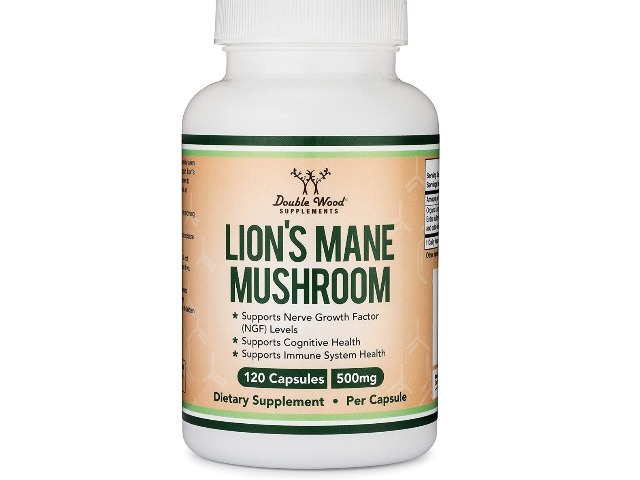
Of all the medicinal mushrooms, lion’s mane (Hericium erinaceus) has the most compelling evidence for direct cognitive enhancement. It’s the mushroom I recommend most often, and it’s been a staple in my own daily stack for years.
The magic lies in two unique compound classes: hericenones (found in the fruiting body) and erinacines (found in the mycelium). These are the only known natural compounds that stimulate both nerve growth factor (NGF) and brain-derived neurotrophic factor (BDNF) synthesis. NGF is essential for the survival, maintenance, and regeneration of neurons — particularly cholinergic neurons in the basal forebrain that drive memory and attention.
Multiple double-blind human trials show lion’s mane extract significantly improving:
- Memory and recall — particularly in older adults with mild cognitive impairment
- Concentration and processing speed — noticeable improvements after 8-12 weeks
- Overall cognitive scores — on standardized tests like the MMSE
A 2025 double-blind, placebo-controlled crossover study published in Frontiers in Nutrition tested 3g of standardized lion’s mane extract in healthy adults aged 18-35 and found that while acute single-dose administration did not produce global cognitive enhancement, it did improve performance on specific psychomotor tasks — reinforcing that lion’s mane’s real strength lies in chronic use over weeks, not acute dosing. Meanwhile, a 49-week trial of erinacine A-enriched lion’s mane mycelia in patients with mild Alzheimer’s disease demonstrated improved instrumental activities of daily living (IADL), suggesting functional benefits for everyday cognitive tasks even in neurodegenerative populations.
Perhaps most remarkably, lion’s mane is one of the only compounds shown to promote myelination — the formation of the protective sheath around nerves that improves signal transmission speed. Myelin naturally degrades with age, contributing to slower processing and memory formation. A compound that rebuilds it is genuinely significant.
Dose: 500-1,000mg of dual-extracted fruiting body extract daily. Look for products that specify beta-glucan content (ideally >25%) and use hot water or dual extraction methods. I take 500mg in the morning with breakfast.
Timeline: Minor energy and mood benefits within 1-2 weeks. Measurable cognitive improvements typically emerge around the 4-8 week mark as neuronal growth compounds accumulate.
For a deep dive into the research, see our lion’s mane substance page and our complete nootropic mushroom guide.
Cordyceps: The Mental Energy Mushroom
Cordyceps has been used in Chinese medicine for thousands of years, traditionally prized for its ability to enhance vitality and endurance. Modern research confirms that cordyceps increases ATP production — the fundamental energy currency of every cell in your body, including neurons.
The key compounds here are cordycepin (3’-deoxyadenosine) and cordycepic acid, which enhance mitochondrial efficiency and improve oxygen utilization in ways similar to the metabolic benefits of exercise. Several studies confirm these energizing effects, and they translate directly to the brain:
- Enhanced mental stamina during prolonged cognitive tasks
- Improved oxygen delivery to brain tissue via increased cerebral blood flow
- Neuroprotective effects through free radical scavenging
A 2025 randomized clinical trial published in Frontiers in Neurology tested Cordyceps sinensis fermentation broth in 90 patients with primary insomnia and found significant improvements in sleep quality by day 14, with further gains at day 28. The mechanism appears to involve cordycepin upregulating adenosine A1, A2A, and A2B receptor protein levels in the hypothalamus — the brain region orchestrating sleep-wake cycles. Given the tight connection between sleep quality and cognitive performance, this positions cordyceps as supporting brain function through both direct energy metabolism and improved sleep architecture.
The practical experience matches the research. On days when I’m facing 6-8 hours of writing or research, cordyceps provides a clean, sustained mental energy that’s qualitatively different from stimulant-based approaches. There’s no jitteriness, no crash — just a steady ability to maintain output.
Cordyceps stacks exceptionally well with lion’s mane. Lion’s mane builds the neural infrastructure; cordyceps powers it. Many people also combine cordyceps with caffeine and L-theanine for amplified but balanced cognitive performance.
Dose: 1,000-3,000mg of standardized extract daily. Cs-4 mycelial extract and fruiting body extracts both have research support, but fruiting body extracts (particularly those standardized for cordycepin and adenosine) are generally preferred.
Reishi: The Neuroprotective Adaptogen
Reishi (Ganoderma lucidum) has earned its traditional title as the “mushroom of immortality” through a remarkably broad range of health benefits, and its effects on the brain are no exception.
Where lion’s mane stimulates growth and cordyceps powers energy, reishi’s primary cognitive contribution is through stress modulation and neuroprotection. Several randomized trials confirm that reishi improves measures of cognitive function while simultaneously reducing anxiety and stress markers — particularly in people with elevated baseline stress levels.
The mechanism appears to work through:
- Cortisol regulation — triterpenoid compounds in reishi help buffer excessive cortisol output, protecting the hippocampus (memory center) from cortisol-driven damage
- Anti-inflammatory activity — ganoderic acids reduce neuroinflammation, which is a major driver of cognitive decline and brain fog
- GABAergic modulation — some evidence suggests reishi supports GABA activity, promoting calm without sedation
In practice, reishi provides a feeling of relaxed clarity — mental sharpness without the activation or stimulation of something like cordyceps. This makes it ideal for creative work, memory consolidation, or sustained mental effort during stressful periods. It’s the perfect complement to the more stimulating mushrooms in a stack.
Dose: 1,000-2,000mg of hot water extract or dual extract daily. Reishi is commonly taken in the evening given its calming properties, though it’s not sedating enough to impair daytime function.
Chaga: The Antioxidant Shield
Growing on birch trees in cold northern climates, chaga doesn’t look like much from the outside, but it harbors some of the highest antioxidant activity measured in any natural substance. Its primary brain benefit is neuroprotection through the Nrf2 pathway — the master regulator of your body’s own antioxidant defense system.
Research shows chaga:
- Activates the Nrf2 pathway, increasing production of endogenous antioxidants like glutathione and superoxide dismutase
- Scavenges free radicals that damage neuronal membranes and mitochondria
- Contains melanin compounds that may offer additional neuron-stimulating effects
Recent research on a chaga extract enriched in inotodiol (INO10) demonstrated that oral administration significantly improved spatial memory in transgenic Alzheimer’s disease mice, as evidenced by increased spontaneous alternation in the Y-maze test. The extract also attenuated neuroinflammation by reducing microglial activation and downregulating pro-inflammatory cytokines, while reducing both amyloid-beta accumulation and tau phosphorylation in the hippocampus. Chaga’s ORAC (Oxygen Radical Absorbance Capacity) value is approximately seven times higher than dark chocolate and over 100 times higher than green tea, and regular consumption has been shown to increase endogenous antioxidant enzyme activity by 20-40%.
Think of chaga as cellular insurance for your brain. It doesn’t produce the acute cognitive effects of lion’s mane or the energy boost of cordyceps, but it protects the neural infrastructure that everything else depends on. By reducing oxidative damage and supporting cellular cleanup processes, chaga contributes to long-term cognitive preservation.
Dose: 1,000-2,000mg of extract daily. Pairs well with virtually any mushroom stack.
Turkey Tail: The Immune-Brain Connection
Turkey tail (Trametes versicolor) is primarily known for its powerful immune-modulating effects, driven by polysaccharide-K (PSK) and polysaccharopeptide (PSP). While its brain benefits are more indirect than the mushrooms above, the connection between immune health and cognitive function is well-established.
Systemic inflammation — whether from chronic infections, autoimmune conditions, or a compromised immune system — is one of the major drivers of brain fog and cognitive decline. By bolstering immune function and reducing inflammatory signaling, turkey tail provides a protective effect that supports cognitive resilience.
Turkey tail is particularly worth considering if you’re prone to frequent illness, have autoimmune tendencies, or suspect that immune dysfunction is contributing to cognitive symptoms.
Dose: 1,000-3,000mg of extract daily.
How to Choose Quality Mushroom Supplements
The mushroom supplement market is unfortunately flooded with low-quality products. Here’s what to look for:
- Fruiting body extracts over mycelium-on-grain products. Mycelium grown on grain often contains significant amounts of starch filler with diluted active compounds
- Verified beta-glucan content — this is the best proxy for bioactive potency. Look for >25% beta-glucans
- Hot water or dual extraction — many bioactive compounds require hot water extraction to become bioavailable
- Third-party testing for heavy metals, pesticides, and microbial contaminants
- Organic certification when possible
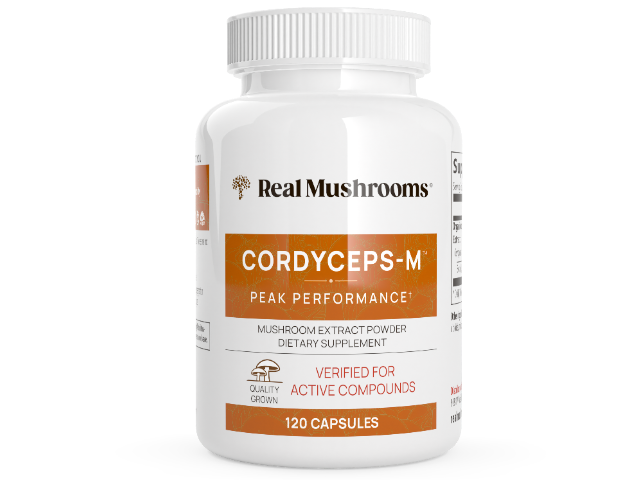
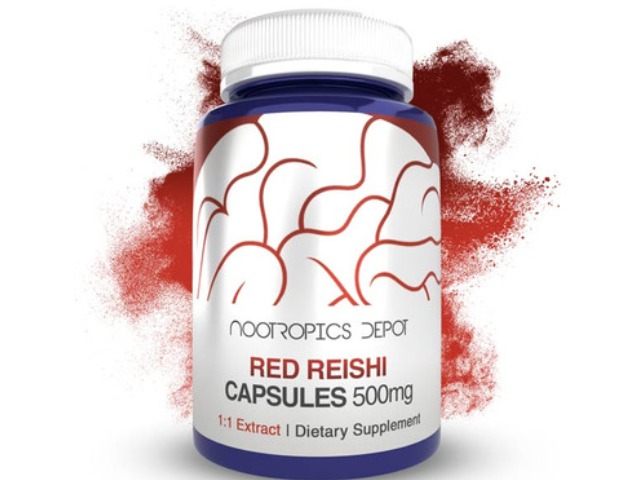
Brands I trust include Real Mushrooms (excellent transparency on beta-glucan content), Nootropics Depot (rigorous third-party testing), and Om Mushrooms (good quality-to-price ratio).
Building a Mushroom Stack
For comprehensive brain support, I recommend combining mushrooms based on your primary goals:
Cognitive enhancement focus:
- Lion’s mane (500-1,000mg daily) + Cordyceps (1,000-2,000mg daily)
- Add alpha-GPC for additional cholinergic support
Stress resilience focus:
- Reishi (1,000-2,000mg daily) + Lion’s mane (500-1,000mg daily)
- Consider adding Bacopa monnieri for synergistic adaptogenic effects
Neuroprotection focus:
- Chaga (1,000-2,000mg daily) + Lion’s mane (500-1,000mg daily) + Turkey tail (1,000mg daily)
My daily protocol: I take lion’s mane (500mg) and cordyceps (1,000mg) in the morning, and reishi (1,000mg) in the evening. I’ve maintained this stack for over two years and consider it foundational — everything else I take is built on top of this mushroom base.
Frequently Asked Questions
How long does lion’s mane take to work?
Minor mood and energy benefits often appear within 1-2 weeks. Measurable cognitive improvements in memory and concentration typically emerge around the 4-8 week mark at effective doses. The neurotrophic effects (NGF/BDNF stimulation, myelination) are cumulative and continue building over months of use.
Can I take mushrooms daily?
Yes. Daily dosing yields the best long-term benefits for lion’s mane and reishi. Some people cycle cordyceps (5 days on, 2 days off) to maintain sensitivity, but overall mushroom extracts have minimal tolerance or side effect concerns with daily use.
Do mushrooms increase intelligence?
Not directly in the way a stimulant increases alertness. But by promoting new neural pathways, increasing synaptic density, improving cerebral blood flow, and enhancing energy metabolism, they build the infrastructure that supports learning, reasoning, and cognitive performance. Over time, this translates to measurably better brain function.
What’s the best mushroom for overall brain health?
If I could only take one, it would be lion’s mane — the neuroplasticity benefits are unique and well-supported. But the best approach is combining mushrooms with complementary mechanisms: lion’s mane for growth, cordyceps for energy, and reishi for protection.