I’m going to make a claim that might sound dramatic: magnesium might be the most underused tool for anxiety and depression that you can buy without a prescription. Not because it’s a miracle cure — it isn’t — but because the evidence is now genuinely strong, the risk is almost zero, and the majority of people reading this are probably deficient.
If you’ve already read our Complete Magnesium Guide, you know the basics of magnesium forms and dosing. This article goes deeper on the specific question: does magnesium actually help with anxiety and depression, and if so, how should you use it?
The short answer is yes. A 2023 meta-analysis found a large effect size. A landmark RCT showed improvements comparable to starting an antidepressant. And new research shows it can enhance SSRI effectiveness when used alongside existing medication. Let me walk through all of it.
The Short Version: A 2023 meta-analysis of 7 RCTs (Moabedi et al., Frontiers in Psychiatry) found magnesium supplementation reduced depression scores with a standardized mean difference of −0.92 — a medium-to-large effect. The most well-designed trial (Tarleton 2017) showed 248mg/day of elemental magnesium produced a 6-point drop in PHQ-9 depression scores and a 4.5-point drop in anxiety scores within 2 weeks. Magnesium works through HPA axis modulation, NMDA receptor antagonism, and GABA enhancement. Magnesium glycinate is the preferred form for mood and anxiety. Doses of 200-250mg elemental magnesium per day appear optimal — more isn’t necessarily better.
The Evidence for Depression
Let’s start with what we actually know from controlled trials, because this is where magnesium’s case has strengthened dramatically in recent years.
The Moabedi 2023 Meta-Analysis
The strongest evidence comes from a 2023 systematic review and meta-analysis published in Frontiers in Psychiatry (PMID 38213402). Moabedi and colleagues pooled data from seven randomized clinical trials — 325 total participants — and found that magnesium supplementation produced a standardized mean difference of −0.919 (95% CI: −1.443 to −0.396, p = 0.001) in depression scores compared to placebo.
To put that in context: an SMD of 0.9 is a medium-to-large effect size. That’s comparable to what many pharmaceutical antidepressants achieve in their approval trials. The subgroup analyses were interesting too — doses of 250mg/day or less actually showed a stronger effect than higher doses, suggesting that more isn’t necessarily better when it comes to magnesium and mood.
The Tarleton Trial: The Best Individual Study
The single most convincing study is the 2017 randomized trial by Emily Tarleton at the University of Vermont (PMID 28654669). This one is worth knowing in detail because it’s well-designed and the results are striking.
126 adults with mild-to-moderate depression (PHQ-9 scores of 5-19) received either 248mg elemental magnesium daily (as magnesium chloride) or served as their own controls in a crossover design. After 6 weeks:
- Depression scores dropped 6.0 points on the PHQ-9 (95% CI: −7.9 to −4.2, p < 0.001)
- Anxiety scores dropped 4.5 points on the GAD-7 (95% CI: −6.6 to −2.4, p < 0.001)
- Effects appeared within 2 weeks of starting supplementation
- Benefits were consistent regardless of age, sex, baseline severity, or whether participants were already on antidepressants
- 61% of participants said they’d continue using magnesium afterward
A 6-point PHQ-9 improvement is clinically meaningful — it’s the threshold used to determine whether psychotherapy or antidepressant medications are producing adequate benefit. And the 2-week onset is notably faster than the 4-6 weeks most SSRIs require to reach full effect.
The Case Report Literature
Before the RCTs, Eby and Eby (2006, PMID 16542786) published a series of case reports showing rapid recovery from major depression with magnesium supplementation — improvements within 7 days in some cases. While case reports aren’t strong evidence on their own, they’re consistent with what the controlled trials later confirmed: magnesium can act surprisingly fast for a nutritional intervention.
The Evidence for Anxiety
The anxiety evidence is somewhat less developed than depression, but still compelling.
Boyle et al. (2017, PMID 28445426) conducted a systematic review of magnesium for subjective anxiety and stress, examining 18 studies. The results were mixed but generally positive: about half of anxiety studies showed significant benefit. The reviewers noted that study quality was often poor, with small sample sizes and inconsistent dosing — a call for better research rather than evidence against efficacy.
What’s emerged since then has been more encouraging. The Tarleton trial’s secondary anxiety outcome (−4.5 points on GAD-7) was highly significant. And Mendelian randomization studies — which use genetic variants to estimate causal effects — have provided suggestive evidence that magnesium has a genuinely protective role against anxiety, not just an association.
The anxiety mechanism makes intuitive sense if you understand the neurochemistry. Anxiety, at its most basic, is your brain being too “on” — excessive excitatory signaling relative to inhibitory signaling. Magnesium directly addresses this imbalance through multiple pathways, which we’ll cover next.
Why It Works: The Mood Mechanisms
I won’t rehash everything covered in the Complete Magnesium Guide or the individual magnesium substance pages, but the mood-specific mechanisms are worth understanding because they explain why magnesium is particularly relevant for anxiety and depression — not just general health.
HPA Axis Regulation
Your body’s stress response runs through the hypothalamic-pituitary-adrenal (HPA) axis. When you perceive stress, the hypothalamus releases CRF, the pituitary releases ACTH, and the adrenals release cortisol. Magnesium acts as a brake on this cascade at multiple points.
This isn’t theoretical. Sartori et al. (2012, PMID 21835188) showed that magnesium-deficient mice develop elevated CRF expression, elevated baseline ACTH, and anxiety-like behavior — all of which normalize when magnesium is restored. The magnesium-deficient mice showed hyperexcitability in the hypothalamic paraventricular nucleus, the brain region that initiates the entire stress cascade.
In humans, higher magnesium levels consistently correlate with lower cortisol. But here’s the vicious cycle: chronic stress depletes magnesium through increased urinary excretion, and lower magnesium impairs your ability to regulate the stress response. Supplementation breaks this cycle.
GABA Enhancement and Glutamate Reduction
Anxiety and depression both involve an imbalance between excitatory (glutamate) and inhibitory (GABA) neurotransmission. Magnesium shifts this balance toward inhibition through several mechanisms:
- NMDA receptor blockade — Magnesium physically blocks the NMDA glutamate receptor channel at resting potential, preventing excessive calcium influx and excitotoxicity
- Reduced glutamate release — Magnesium decreases presynaptic glutamate release, lowering overall excitatory drive
- GABA receptor activation — Magnesium has direct GABA-agonistic activity, enhancing inhibitory tone
This is mechanistically similar to how benzodiazepines work (GABA enhancement), but through a completely different pathway — and without the addiction potential.
Serotonin Support
Magnesium is a required cofactor for tryptophan hydroxylase, the enzyme that converts tryptophan into serotonin. Without adequate magnesium, serotonin synthesis is impaired. This creates an interesting clinical implication: if you’re magnesium deficient, your SSRI may be working against a bottleneck in serotonin production. Restoring magnesium removes that bottleneck.
Magnesium as an SSRI Enhancer
This is one of the most practically important findings in recent magnesium research, and one that most people aren’t aware of.
A 2023 randomized, double-blind trial (PMID 36870573) gave 60 patients with major depression either 250mg/day of magnesium or placebo alongside their existing SSRI regimen. The results: the magnesium group showed significantly greater depression reductions at 4 and 6 weeks compared to the SSRI-only group.
The implications are significant. Roughly half of people started on an SSRI don’t achieve full remission. Another 20-30% get only partial improvement. Adding magnesium — something cheap, safe, and available without a prescription — meaningfully enhanced SSRI outcomes in this trial.
The mechanism makes sense when you consider that magnesium and SSRIs work through complementary pathways: SSRIs increase serotonin availability in the synapse, while magnesium supports serotonin synthesis, reduces glutamatergic excitotoxicity, and modulates the HPA axis. These aren’t redundant effects — they’re additive.
If you’re currently on an SSRI with incomplete symptom relief, this is probably the most actionable piece of information in this article. Talk to your prescriber about adding 200-250mg of elemental magnesium daily. The risk is minimal and the potential benefit is supported by controlled evidence.
Which Form Is Best for Mood?
If you want the full comparison of every magnesium form, see our Complete Magnesium Guide. For mood specifically, here’s what matters:
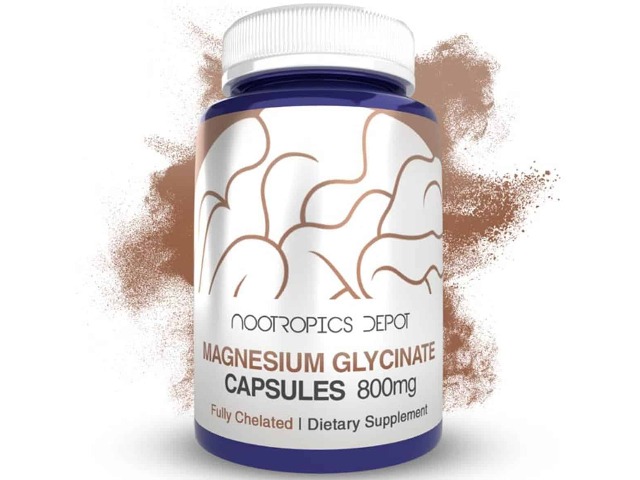
Magnesium glycinate is the preferred form for anxiety and depression. It’s highly bioavailable, very gentle on the stomach, and the glycine component has independent calming and mood-supporting effects — including GABA enhancement and improved sleep quality. This is what I take in the evening.
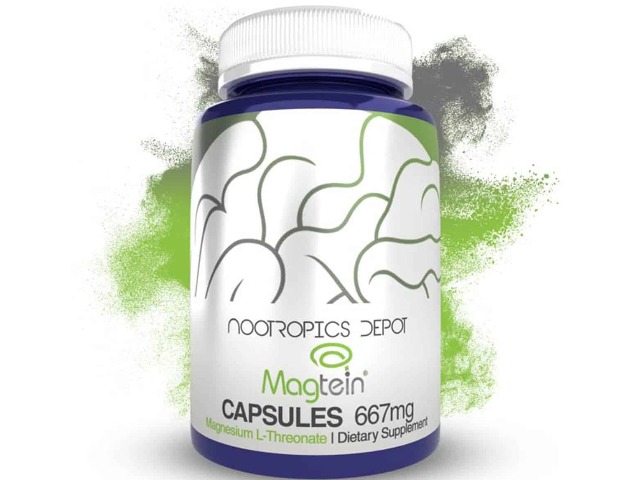
Magnesium L-threonate is the best option if cognitive symptoms (brain fog, poor concentration) are prominent alongside your mood symptoms. It’s the only form proven to raise brain magnesium levels. I take this in the morning — see the Complete Magnesium Guide for my full protocol.
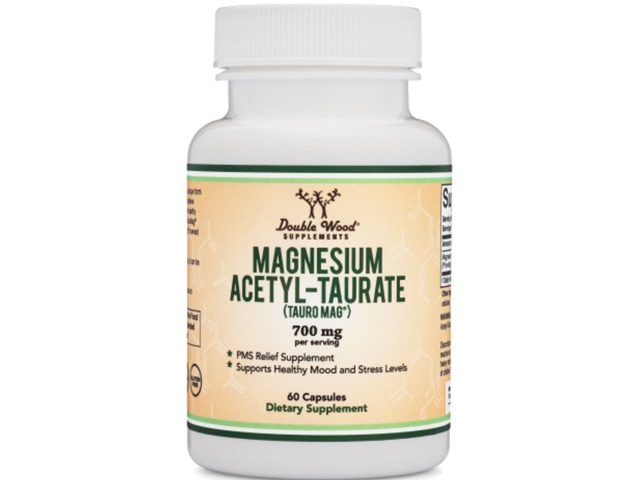
Magnesium taurate is worth considering if anxiety is your primary concern, as taurine has independent anxiolytic properties and may facilitate magnesium entry into the brain.
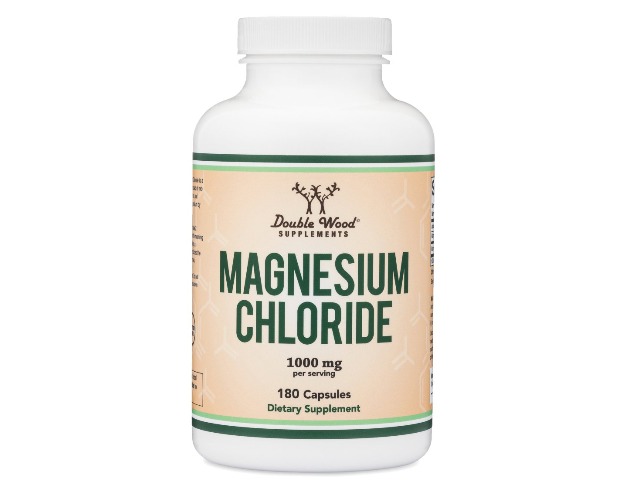
Magnesium chloride is what was used in the Tarleton trial (the strongest individual study), so it has direct evidence behind it, but it’s less commonly available as a supplement and can cause more GI distress than glycinate.
Avoid magnesium oxide for mood purposes. It has approximately 4% bioavailability — you’re paying for a laxative, not a mood supplement.
The Dose-Response Relationship: More Isn’t Better
This is an important nuance that gets lost in the “just take magnesium” advice. A 2025 dose-response analysis in Frontiers in Nutrition found a non-linear relationship between magnesium intake and depression risk:
- Below ~367mg/day, each additional 1mg of magnesium was associated with a 0.2% decrease in depression risk
- Above ~367mg/day, the relationship reversed, with higher intake associated with slightly increased depression risk
- In adults over 60, the inflection point was even lower (~271mg/day)
This aligns with the Moabedi meta-analysis finding that doses of 250mg/day or less outperformed higher doses. And it’s consistent with what we know about serum magnesium and cognition — a U-shaped relationship where both too little and too much are associated with worse outcomes.
Practical takeaway: Aim for 200-250mg of elemental magnesium from supplements. Don’t megadose. The sweet spot is correcting deficiency, not maximizing intake.
My Protocol for Mood Support
My approach, which combines cognitive and mood support:
- Morning: 1,000mg magnesium L-threonate (~72mg elemental) for cognitive clarity
- Evening: 200mg elemental magnesium from glycinate, 30-60 minutes before bed, for sleep, relaxation, and mood stability
Total supplemental magnesium: ~272mg elemental, well within the optimal range. The glycinate before bed specifically targets the evening anxiety and racing thoughts that many people with mood disorders experience.
If you’re starting from zero, I’d begin with just the evening glycinate dose for a week before adding the morning threonate. Most people notice sleep improvements within 2-3 days and mood improvements within 1-2 weeks — consistent with the Tarleton trial’s timeline.
Who Should Try This
Based on the evidence, magnesium supplementation for mood is particularly worth trying if you:
- Have mild-to-moderate depression or anxiety that hasn’t responded fully to other interventions
- Are on an SSRI with incomplete improvement — the adjunctive evidence is compelling
- Experience chronic stress — stress depletes magnesium, and restoring it breaks the cycle
- Have insomnia alongside mood symptoms — magnesium addresses both simultaneously
- Take PPIs, diuretics, or other magnesium-depleting medications
- Eat a typical Western diet — you’re almost certainly not getting enough from food
The safety profile makes this an easy recommendation. At 200-250mg/day, side effects are rare and mild (occasional loose stools). The only real contraindication is significant kidney disease — if your kidneys can’t clear magnesium properly, supplementation can be dangerous. Otherwise, the risk-benefit ratio is extremely favorable.
What Magnesium Won’t Do
I want to be honest about the limitations. Magnesium supplementation is not:
- A replacement for therapy or medication in severe depression or anxiety disorders
- Effective for everyone — if you’re not deficient, the benefits are likely smaller
- A fast fix for deep-rooted psychological patterns — it changes neurochemistry, not cognition
- Equivalent to a pharmaceutical antidepressant for major depressive disorder
What it is: a safe, evidence-backed intervention that corrects a common nutritional deficiency, produces clinically meaningful improvement in many people, and works well alongside other treatments. For the cost of about $15-20 per month, that’s a very good deal.
Frequently Asked Questions
Can magnesium replace my antidepressant?
For mild-to-moderate depression, some people find magnesium sufficient on its own — the Tarleton trial showed effects comparable to starting medication. But for moderate-to-severe depression, think of magnesium as additive to your treatment plan, not a replacement. Never discontinue prescribed medication without discussing it with your provider.
How quickly will I notice mood improvements?
The Tarleton trial showed significant effects at the 2-week mark. Many people report improved sleep within days and mood improvements within 1-2 weeks. Full cognitive benefits from magnesium L-threonate may take 4-6 weeks.
Should I get my magnesium levels tested?
Standard serum magnesium tests only measure 0.3% of your body’s magnesium and frequently miss deficiency. An RBC (red blood cell) magnesium test is more informative but still imperfect. Given how safe and cheap supplementation is, I’d argue it’s more practical to simply supplement for 4-6 weeks and see how you feel rather than chasing lab values.
Can I take magnesium with my anxiety medication?
Magnesium is generally safe alongside most psychiatric medications, including SSRIs, SNRIs, and buspirone — and may enhance their effectiveness. Use caution with benzodiazepines (additive sedation) and separate from gabapentin by 2 hours (magnesium reduces absorption). Always inform your prescriber about supplements you’re taking.
Is there anyone who should avoid magnesium supplementation?
People with significant kidney disease (eGFR below 30) should avoid supplemental magnesium or use it only under medical supervision. The kidneys are responsible for clearing excess magnesium, and impaired clearance can lead to dangerous accumulation. Otherwise, magnesium at recommended doses is safe for virtually all adults.