
- Immune system support
- Anti-inflammatory effects
- Neuroprotection
- Antioxidant defense
- Cholinergic support
I’ll be honest — I slept on Andrographis paniculata for years. It didn’t have the flashy nootropic reputation of a racetam or the wellness-influencer glow of Lion’s Mane. It was just that bitter herb people in Southeast Asia swore by for colds. Then I started digging into the neuroprotection research, and the mechanisms stopped me in my tracks — NF-κB inhibition, Nrf2 activation, cholinergic support, even hippocampal neurogenesis. All from a plant most Americans have never heard of.
Here’s the catch, though. The brain benefits are still almost entirely preclinical. So let me walk you through what we actually know, what’s hype, and whether this “King of Bitters” deserves a spot in your stack.
The Short Version: Andrographis paniculata is a powerful immune-boosting herb with the strongest clinical evidence for fighting upper respiratory infections. Its active compound, andrographolide, crosses the blood-brain barrier and shows impressive neuroprotective effects in animal studies — but we don’t yet have human trials confirming cognitive benefits. Best used for immune support with piperine to fix its terrible bioavailability.
What Is Andrographis paniculata?
Andrographis paniculata is an herbaceous plant in the Acanthaceae family, native to India and Sri Lanka and widely cultivated across Southeast Asia and China. If you’ve ever traveled through Thailand, you may have encountered it as Fah Talai Jone — it’s practically a household remedy there. In Ayurveda, it’s been used for thousands of years under the name Kalmegh, classified as tikta (bitter) and sheeta (cooling), prescribed for fevers, infections, and digestive complaints.
The name “King of Bitters” isn’t marketing fluff. Every part of this plant is intensely, almost aggressively bitter. That bitterness comes from its primary bioactive compounds — diterpenoid lactones, with andrographolide being the star of the show, making up roughly 1–4% of the dried plant’s weight.
Here’s where it gets interesting for the nootropics crowd. While Andrographis has been used traditionally for infections and inflammation, modern research starting around 2014 began uncovering significant neuroprotective properties. Andrographolide crosses the blood-brain barrier, distributes into different brain regions, and interacts with several pathways directly relevant to cognitive health. It’s not a traditional nootropic — but the mechanisms suggest it probably should be on our radar.
That said, let me put my “foundations first” hat on for a moment. If your immune system is constantly fighting fires — chronic inflammation, gut issues, poor sleep — no supplement is going to outperform fixing those basics. Andrographis is a tool, not a shortcut. It works best when the fundamentals are already in place.
How Does Andrographis paniculata Work?
Think of chronic neuroinflammation like a fire alarm that’s stuck in the “on” position. Your brain’s immune cells keep sounding the alarm, flooding your neurons with inflammatory molecules, even when there’s no actual threat. Over time, that constant noise damages the very brain cells it was supposed to protect.
Andrographolide essentially walks into that control room and flips several switches at once.
The NF-κB shutdown. NF-κB is your body’s master inflammation switch. When it’s overactivated — which happens with chronic stress, poor diet, and aging — it drives the production of inflammatory cytokines like IL-1β, IL-6, and TNF-α. Andrographolide physically binds to a specific amino acid (Cys62) on the NF-κB p50 subunit through a Michael addition reaction, effectively jamming the switch in the “off” position. This is one of the most direct and well-characterized anti-inflammatory mechanisms in the botanical world.
The antioxidant boost. Simultaneously, andrographolide activates the Nrf2/Keap1 pathway — your body’s built-in antioxidant defense system. By inhibiting KEAP1, it frees NRF2 to enter the cell nucleus and turn on genes that produce protective enzymes like HO-1. A 2024 study published in BMC Complementary Medicine and Therapies confirmed that the ethanol extract works through the p62-Keap1-Nrf2 pathway to protect against neurotoxicity and cognitive impairment in animal models.
The acetylcholine preservation. Here’s where it gets directly nootropic. Andrographolide dose-dependently inhibits acetylcholinesterase (AChE) — the enzyme that breaks down acetylcholine, your brain’s primary learning and memory neurotransmitter. Less AChE activity means more acetylcholine stays available in the synapse. This is the same basic mechanism behind prescription Alzheimer’s drugs like donepezil, though andrographolide’s potency is considerably milder.
In plain English: andrographolide turns down brain inflammation, turns up antioxidant defenses, and helps preserve the neurotransmitter most critical for sharp thinking. It also modulates serotonin and dopamine transmission, stimulates GABA production, and protects against glutamate excitotoxicity — which is a fancy way of saying it helps keep your brain’s excitation/inhibition balance from tipping into damage.
The most encouraging finding? In Alzheimer’s disease mouse models, andrographolide reduces amyloid-beta aggregation and hyperphosphorylated tau — the two hallmark proteins of neurodegeneration. A 2021 study in International Immunopharmacology showed it alleviated cognitive impairments, reduced Aβ deposition, and decreased neuroinflammation in APP/PS1 transgenic mice.
Benefits of Andrographis paniculata
Let me be straight with you about the evidence here, because this is where a lot of supplement sites start cherry-picking.
Immune Support — Strong Evidence
This is where Andrographis really shines. A meta-analysis of 33 randomized controlled trials with over 7,000 participants found that it significantly reduced symptoms of upper respiratory tract infections — cough, sore throat, and overall illness severity. The Kan Jang formulation (Andrographis combined with Siberian Ginseng) has the most robust clinical backing. If you’re looking for a well-supported natural immune booster, this is one of the better options available.
Anti-Inflammatory Effects — Strong Evidence
The NF-κB inhibition isn’t just a lab curiosity. Multiple human studies confirm meaningful anti-inflammatory activity. For people dealing with chronic low-grade inflammation — which, let’s be real, describes most of us living modern lifestyles — this is genuinely useful.
Neuroprotection — Promising but Preclinical
Here’s where I need to pump the brakes. The brain-related benefits are compelling in animal models:
- Reduced cognitive impairment in Alzheimer’s mouse models
- Protection against chemotherapy-induced cognitive damage (“chemobrain”)
- Decreased oxidative damage in hippocampal cells exposed to neurotoxins
- Promoted hippocampal neurogenesis (growth of new brain cells)
- Antidepressant-like effects through modulation of corticosterone and hippocampal function
But — and this is a big but — there are zero human clinical trials testing andrographolide specifically for cognitive enhancement or neuroprotection. Not one. Every brain-related finding comes from rodent studies or cell cultures.
Reality Check: The neuroprotective research on Andrographis is genuinely exciting at the mechanistic level — targeting NF-κB, Nrf2, acetylcholinesterase, and amyloid-beta simultaneously is a remarkable profile for any compound. But “works in mice” and “works in humans” are separated by a valley of failed translations. If you’re taking this primarily for brain benefits, know that you’re making an educated bet on preclinical data, not following proven clinical evidence.
Antioxidant Defense — Moderate Evidence
Animal studies consistently show reduced malondialdehyde (a marker of oxidative damage) and increased superoxide dismutase activity. These findings align well with the Nrf2 activation mechanism and are plausible in humans, but direct human brain antioxidant data is still missing.
How to Take Andrographis paniculata
Dosage
- For general wellness and nootropic use: 200–600mg daily of extract standardized to ≥10% andrographolides
- For acute immune support (cold/flu): 48–60mg of total andrographolides per day, divided into 3–4 doses. This is the higher end — use it short-term (5–10 days)
- Kan Jang protocol: 4–5.6mg andrographolide with 400mg Siberian Ginseng, three times daily
Start at the lower end. Seriously. The GI side effects hit some people hard, and there’s no benefit to finding your tolerance limit the unpleasant way.
The Bioavailability Problem
Here’s the elephant in the room that most Andrographis articles conveniently ignore: andrographolide has approximately 2.67% oral bioavailability. That means for every 100mg you swallow, your body actually uses about 2.7mg. The rest gets chewed up by first-pass metabolism in your gut and liver, or gets pumped right back out by P-glycoprotein efflux transporters.
Pro Tip: Co-administer with piperine (black pepper extract) to increase bioavailability by 131–196%. This isn’t optional advice — it’s practically a requirement if you want meaningful blood levels. Take 5–10mg of piperine with each dose. β-cyclodextrin complexes and lipid-based formulations can also help, but piperine is the most accessible solution.
Timing and Form
Take with food to minimize GI discomfort and enhance absorption. Split your daily dose into 2–3 servings rather than taking it all at once. Standardized extract capsules (10–50% andrographolides) are strongly preferred over raw herb powder for consistent dosing.
Cycling
I recommend cycling Andrographis rather than taking it continuously. A 5-days-on, 2-days-off protocol works well. For longer-term use beyond a few months, stick to the lower end of the dosage range and take periodic breaks. The limited long-term safety data and immune-stimulating properties make continuous high-dose use inadvisable.
Side Effects & Safety
Common Side Effects
- GI discomfort — nausea, diarrhea, and stomach upset are the most frequently reported issues, especially at higher doses or on an empty stomach
- Bitter/metallic taste — particularly noticeable with powder forms. There’s a reason it’s called “King of Bitters”
- Headache and fatigue — mainly reported with high-dose isolated andrographolides
- Appetite loss — typically at larger doses
Most of these resolve by taking it with food or reducing the dose. If GI issues persist at low doses, this may not be the right supplement for you.
Important: Andrographis has documented anti-fertility effects in animal studies. High doses inhibited pregnancy in 100% of tested female mice, and some studies show reduced sperm count, motility, and testosterone in males. If you’re pregnant, nursing, or trying to conceive — skip this one entirely. The risk-benefit math doesn’t work.
Who Should Avoid This
- Pregnant or nursing women — abortifacient effects in animal studies
- Anyone trying to conceive — anti-fertility effects in both sexes
- People with autoimmune conditions — Andrographis stimulates immune function, which can worsen autoimmune diseases like lupus, rheumatoid arthritis, or MS
- Pre-surgical patients — may affect blood clotting; discontinue at least 2 weeks before any scheduled surgery
Drug Interactions
- Immunosuppressants (cyclosporine, azathioprine) — may reduce their effectiveness
- Blood thinners (warfarin, aspirin, clopidogrel) — increased bleeding risk
- Blood pressure medications — may enhance hypotensive effects
- CYP450-metabolized drugs — may alter clearance (reduced AUC of theophylline has been documented)
If you’re on any medication, talk to your doctor before adding Andrographis. This isn’t just standard CYA advice — the immune-stimulating and anticoagulant properties create real interaction potential.
Stacking Andrographis paniculata
High-Synergy Combinations
Andrographis + Piperine — This is stack number one, full stop. The 131–196% bioavailability increase from piperine transforms Andrographis from “mostly wasted” to “actually working.” 5–10mg piperine with each dose.
Andrographis + Curcumin — Both target NF-κB and Nrf2 pathways through different mechanisms. Curcumin also has poor bioavailability (use a lipid or piperine-enhanced form), but together they create a complementary anti-inflammatory and antioxidant stack. This is a particularly logical pairing for neuroinflammation.
Andrographis + Lion’s Mane — Lion’s Mane stimulates NGF production while andrographolide promotes hippocampal neurogenesis through different pathways. If you’re interested in the neuroprotective angle, this combination covers two distinct mechanisms of brain cell growth and repair.
Andrographis + Bacopa Monnieri — Both support cholinergic function and antioxidant defense. Bacopa has the stronger human cognitive evidence, so this pairing hedges your bets — proven cognitive benefits from Bacopa with emerging neuroprotective support from Andrographis.
Andrographis + Rhodiola Rosea — Fellow adaptogens with complementary neuroprotective profiles. Research on combined adaptogen extracts (Rhodiola + Schisandra + Eleutherococcus) showed protection of neuroglia cells against chemotherapy-induced damage, suggesting synergistic potential.
What NOT to Stack
- Immunosuppressant medications — Andrographis pulls in the opposite direction
- Other anticoagulants — stacking blood-thinning compounds (fish oil, ginkgo, vitamin E) on top of Andrographis’s antiplatelet effects increases bleeding risk
- Multiple strongly bitter herbs at high doses — your GI tract will not thank you
My Take
I think Andrographis paniculata is genuinely underrated in the nootropics space — but not for the reasons you might expect.
Is it a proven cognitive enhancer? No. The brain evidence is preclinical, period. If you need something with human-tested cognitive benefits, Bacopa, Lion’s Mane, or Rhodiola are smarter starting points.
But here’s what Andrographis does have going for it: some of the strongest anti-inflammatory and immune-modulating evidence of any botanical supplement. And if you buy into the idea — as I do — that chronic neuroinflammation is one of the root drivers of cognitive decline, brain fog, and neurodegeneration, then keeping inflammation in check is itself a neuroprotective strategy. You’re not taking Andrographis to feel smarter tomorrow. You’re taking it because a brain that isn’t constantly on fire functions better in every measurable way.
The bioavailability issue is real and can’t be ignored. Always pair it with piperine. Always use a standardized extract. And be aware that over 25% of commercial products fail quality standards — this is not a supplement where you buy the cheapest option on Amazon.
Who it’s best for: People dealing with frequent infections, chronic low-grade inflammation, or anyone interested in a long-game neuroprotective strategy with strong anti-inflammatory backing. Also a solid choice if you’re building an adaptogen/anti-inflammatory stack alongside curcumin.
Who should look elsewhere: If you want noticeable cognitive enhancement, there are compounds with far more human evidence. If you have an autoimmune condition, this isn’t for you. And if you’re trying to conceive — hard pass.
Insider Tip: The quality variance in Andrographis products is genuinely concerning. Look for extracts standardized to at least 10% andrographolides with third-party testing documentation. Nootropics Depot offers a product standardized to 50% andrographolides — that’s the kind of potency that actually makes a difference when your starting bioavailability is under 3%.
Recommended Andrographis Products
I know how frustrating it is to sort through dozens of brands making the same claims. These are the ones I've personally vetted — because quality is the difference between results and wasted money.
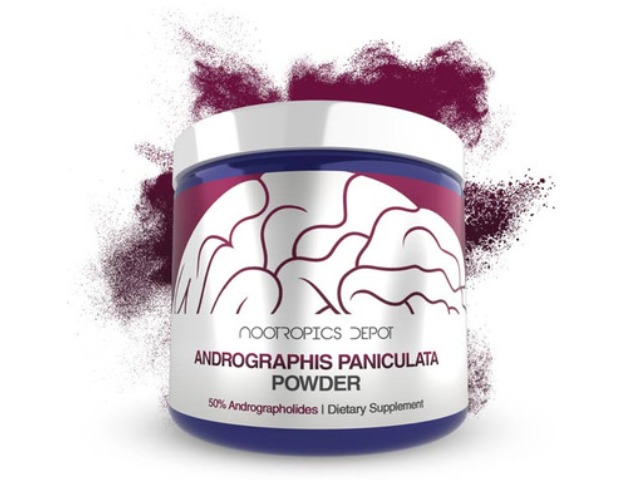
Nootropics Depot Andrographis Paniculata Powder | 50% Andrographolides
Shop Now →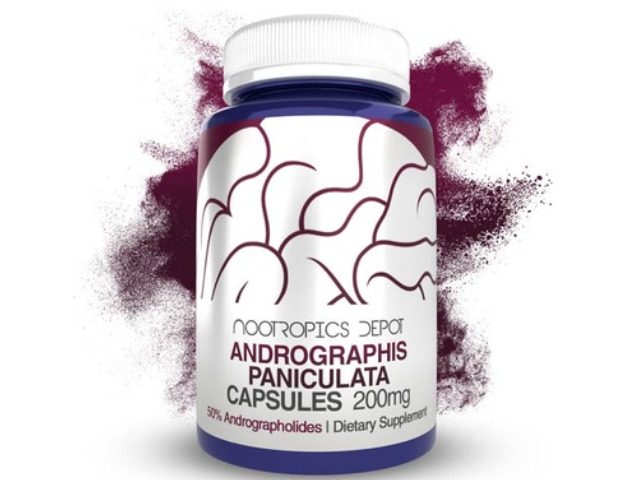
Nootropics Depot Buy Andrographis Paniculata Capsules
Shop Now →Disclosure: These are affiliate links. I earn a small commission if you purchase — at no extra cost to you. I only recommend products I personally use or have thoroughly researched.
Research & Studies
This section includes 5 peer-reviewed studies referenced in our analysis.