
- Focus & Attention
- Memory & Learning
- Neuroprotection
- Nutrient Absorption
I used to think black pepper was just something you grabbed from the restaurant table when your food tasted bland. Turns out I was seasoning my eggs with one of the most well-researched cognitive enhancers and bioavailability boosters in the supplement world — I just didn’t know it yet.
If you’ve ever wondered why your expensive supplement stack isn’t doing much, the answer might be sitting in your spice cabinet.
The Short Version: Black pepper (Piper nigrum) contains piperine, a compound that enhances acetylcholine and dopamine in the brain while dramatically increasing absorption of nutrients and supplements. Research shows 5-20mg daily improves focus and memory while making other compounds up to 2000% more bioavailable. It’s not a standalone nootropic powerhouse, but it’s a force multiplier that makes everything else work better.
What Is Piper nigrum? (The Spice That’s Actually a Drug)
Piper nigrum — black pepper — has been used in Ayurvedic and traditional Chinese medicine for over 4,000 years. While your grandmother was using it to make pot roast taste better, ancient healers were prescribing it for digestive issues, respiratory problems, and cognitive decline.
The active compound responsible for both the spicy kick and the cognitive benefits is piperine, which makes up about 5-9% of black pepper by weight. Modern research has validated what traditional medicine knew intuitively: this isn’t just a flavor enhancer, it’s a potent bioactive compound with real effects on brain chemistry.
Here’s what makes piperine unique: it’s one of the few natural compounds that significantly enhances the absorption of OTHER substances. This is why you’ll see “BioPerine®” (a standardized piperine extract) added to everything from Curcumin supplements to multivitamins. Without it, you’re literally flushing money down the toilet.
But piperine isn’t just a sidekick. It has direct cognitive effects of its own — effects that researchers are only beginning to fully understand.
How Does Piper nigrum Work? (Four Mechanisms You Should Know About)
Layer 1 — The plain-English version:
Black pepper extract works through four primary pathways: it prevents the breakdown of acetylcholine (your learning and memory neurotransmitter), increases dopamine levels (motivation and focus), balances GABA and glutamate (the brain’s gas and brake pedals), and reduces neuroinflammation. Oh, and it makes almost everything you take with it absorb better.
Layer 2 — The evidence:
Cholinergic Enhancement
Piperine acts as an acetylcholinesterase inhibitor — it prevents the enzyme that breaks down acetylcholine from doing its job. This means more acetylcholine stays active in your synapses, particularly in the hippocampus and prefrontal cortex (the regions responsible for memory formation and executive function).
A 2008 study in Food and Chemical Toxicology demonstrated that piperine significantly inhibited acetylcholinesterase activity in a dose-dependent manner. The researchers noted that this mechanism is similar to pharmaceutical drugs used to treat Alzheimer’s disease, just gentler and with fewer side effects.
Dopaminergic Modulation
Animal studies measuring neurotransmitter concentrations in brain tissue have found that Piper nigrum extract significantly increases dopamine levels, particularly in regions associated with motivation, reward processing, and focused attention. This isn’t just about feeling good — dopamine is essential for working memory, mental energy, and the ability to sustain attention on demanding tasks.
The 2008 study by Wattanathorn and colleagues found that piperine increased dopamine in the cerebral cortex and hippocampus, with effects comparable to some prescription stimulants but without the tolerance or dependence issues.
GABAergic and Glutamatergic Balance
The same research showed that piperine increases GABA (your brain’s calming neurotransmitter) while reducing excessive glutamate (the excitatory neurotransmitter). This creates an optimal balance — you get focus and mental energy without the jittery, anxious overstimulation that comes from compounds that only push the gas pedal.
This is why people report feeling “calm focus” from black pepper extract rather than the wired intensity of pure stimulants.
Neuroinflammation Reduction
A 2015 study in Cellular and Molecular Neurobiology found that methanolic extract of Piper nigrum fruits reduced oxidative stress markers and improved memory in an Alzheimer’s disease animal model. The extract decreased brain levels of malondialdehyde (a marker of oxidative damage) while increasing antioxidant enzyme activity.
More recent research from 2024 in Aging and Disease confirmed that piperine downregulates pro-inflammatory cytokines including TNF-α, IL-6, and IL-1β by inhibiting the JAK1/STAT3 inflammatory signaling pathway. Chronic neuroinflammation is now understood to be a major contributor to cognitive decline, brain fog, and neurodegenerative disease.
Layer 3 — So what?
In practical terms: black pepper extract helps your brain maintain higher levels of the neurotransmitters that support focus, learning, and motivation, while simultaneously protecting brain cells from inflammation and oxidative damage. The effects are subtle compared to prescription stimulants, but they’re consistent, cumulative, and come without the crash or tolerance issues.
The bioavailability boost is the real game-changer. Taking Curcumin without piperine? You’re absorbing about 1% of it. Add 20mg of piperine and absorption jumps to 2000% — literally twenty times more. Same principle applies to CoQ10, Resveratrol, and many other fat-soluble compounds.
Benefits of Piper nigrum (What the Research Actually Shows)
Let’s be honest about the evidence here. We have solid animal studies, promising preliminary human data, and thousands of years of traditional use — but we’re not sitting on a mountain of large-scale human RCTs specifically testing piperine as a standalone nootropic.
That said, the mechanisms are well-established, and the evidence we do have is compelling.
Focus & Attention (Moderate Evidence)
The 2008 study in Food and Chemical Toxicology tested piperine in healthy adult mice and found dose-dependent improvements in cognitive performance tasks requiring sustained attention and working memory. Mice receiving piperine showed significantly better performance in maze navigation and object recognition tests compared to controls.
A follow-up 2010 study by the same research group tested piperine in an Alzheimer’s disease model and found that it “significantly improved memory impairment and neurodegeneration” while reducing oxidative stress markers in the brain.
Human evidence: Limited but promising. Most human studies have used black pepper extract in combination with other compounds (particularly Curcumin), making it difficult to isolate piperine’s specific contribution. Anecdotal reports consistently describe improved mental clarity and sustained focus within 30-60 minutes of supplementation.
Memory & Learning (Moderate Evidence)
The cholinergic enhancement mechanism directly supports memory formation. The 2015 study in rats with induced Alzheimer’s-like symptoms found that Piper nigrum extract “improved memory impairment by decreasing brain oxidative stress” and performed comparably to the pharmaceutical drug donepezil (Aricept) in some memory tests.
Effect size matters here: in the object recognition test, rats receiving black pepper extract showed a 26% improvement in recognition index compared to placebo. That’s a meaningful effect, not just statistical noise.
Neuroprotection (Strong Evidence)
This is where the evidence is most robust. Multiple studies confirm that piperine protects neurons from oxidative damage, reduces amyloid-beta plaque formation (the hallmark of Alzheimer’s disease), and downregulates inflammatory pathways in brain tissue.
The 2024 review in Aging and Disease summarized findings from over 30 studies and concluded that “black pepper and its bioactive compounds exhibit significant neuroprotective effects through antioxidant, anti-inflammatory, and anti-apoptotic mechanisms.”
In practical terms: if you’re concerned about long-term brain health and age-related cognitive decline, the neuroprotective effects of regular piperine supplementation are well-supported.
Bioavailability Enhancement (Very Strong Evidence)
This isn’t even up for debate anymore. Piperine inhibits glucuronidation in the liver and intestines — one of the main pathways your body uses to break down and eliminate foreign compounds. By slowing this process, piperine dramatically increases blood levels of co-administered substances.
The classic study: combining 20mg piperine with 2g curcumin increased curcumin bioavailability by 2000% in humans. Similar (though less dramatic) effects have been demonstrated for CoQ10, Resveratrol, beta-carotene, and many pharmaceutical drugs.
Reality Check: The neuroprotective and bioavailability-enhancing effects of piperine are well-established. The cognitive enhancement effects are promising but based primarily on animal studies and mechanisms of action rather than large human trials. If you’re looking for immediate, dramatic focus enhancement, this isn’t it. If you’re looking for a gentle, cumulative edge plus making your other supplements actually absorb, this is one of the best tools available.
| Benefit | Evidence Level | Key Finding | Notes |
|---|---|---|---|
| Focus & Attention | Moderate | Dose-dependent improvement in attention tasks (animal studies) | Human data limited but mechanisms well-established |
| Memory & Learning | Moderate | 26% improvement in memory tests vs. placebo (animal model) | Comparable to pharmaceutical AChE inhibitors in some tests |
| Neuroprotection | Strong | Reduces oxidative stress, neuroinflammation, amyloid plaques | Multiple human and animal studies, 2024 review confirms |
| Bioavailability | Very Strong | 2000% increase in curcumin absorption with 20mg piperine | Gold-standard human research, widely replicated |
How to Take Piper nigrum (Without Wasting Your Money)
Here’s what seven years of self-experimentation and reading the research has taught me about dosing black pepper extract.
Dosage (Start Low, Stay Low)
The effective range for cognitive benefits is 5-20mg of piperine per day. Most commercial BioPerine® supplements provide 5-10mg per capsule, which is plenty for most people.
Don’t make the mistake I made: I assumed that if 10mg was good, 50mg would be better. Wrong. Higher doses primarily increase the risk of digestive discomfort and drug interactions without meaningfully improving cognitive effects. The dose-response curve for cognitive benefits appears to flatten after about 20mg.
| Use Case | Dosage | Timing | Notes |
|---|---|---|---|
| Bioavailability boost | 5-10mg | With other supplements | Take with fat-soluble nutrients |
| Cognitive enhancement | 10-20mg | Morning with food | Split into 2 doses if using 20mg |
| Neuroprotection (long-term) | 5-10mg | Daily with meals | Consistency matters more than dose |
Timing & Food
Take piperine with food, ideally food containing some fat. This improves absorption of piperine itself and maximizes the bioavailability-enhancing effect on fat-soluble nutrients.
Morning dosing tends to work best for cognitive enhancement — you’ll typically notice improved focus and mental clarity within 30-60 minutes. If you’re taking it primarily for bioavailability enhancement, time it with whatever supplements you’re trying to boost.
Forms & What to Buy
BioPerine® is the most researched and standardized form — 95% piperine extracted from black pepper fruits. This is what most studies used, and it’s what you’ll find in quality supplements.
Black pepper extract (standardized to 95% piperine) is functionally identical to BioPerine® but usually cheaper because it’s not the trademarked version.
Whole black pepper or black pepper powder contains only 5-9% piperine by weight, so you’d need to consume 100-400mg of pepper to get an effective piperine dose. Possible, but less practical than a standardized extract.
Piperine powder (bulk) is the cheapest option per dose but requires a milligram scale to dose accurately. If you’re comfortable with powder dosing, this is economical for long-term use.
Pro Tip: If you’re already taking a Curcumin or Resveratrol supplement, check the label — many already include piperine or BioPerine®. No need to double up. If your expensive supplement doesn’t include it, that’s a red flag about the manufacturer’s understanding of bioavailability.
Cycling (Not Necessary)
Unlike stimulants or adaptogens, piperine doesn’t require cycling. The cognitive and bioavailability effects don’t diminish with consistent use, and there’s no tolerance development.
Daily, long-term use appears safe based on traditional use patterns and modern safety data. The neuroprotective benefits are cumulative, so consistency is actually preferable to sporadic use.
Starting Protocol
If you’re new to piperine:
- Week 1: Start with 5mg once daily with breakfast
- Week 2: Assess tolerance. If no digestive issues, increase to 10mg if desired
- Week 3+: Maintain 10-20mg daily, split into 1-2 doses with meals
Most people notice subtle improvements in mental clarity within 3-7 days. The bioavailability effects are immediate (measurable in blood tests within hours), but the cumulative cognitive benefits build over weeks.
Side Effects & Safety (What Could Go Wrong)
Black pepper extract is remarkably safe at recommended doses — we’re talking about a compound humans have been consuming in food for millennia. That said, there are some important considerations.
Common Side Effects
At standard doses (5-20mg piperine):
- Mild gastrointestinal discomfort (5-10% of users) — usually heartburn or stomach warmth
- Increased thermogenesis — you might feel slightly warmer, which is actually a feature for some people
At high doses (50mg+):
- Digestive irritation becomes more common
- Diarrhea or loose stools in sensitive individuals
- Excessive sweating (rare)
Who Should Avoid This
Pregnant or nursing women: Limited safety data. The amounts found in food are fine, but supplemental doses haven’t been adequately studied. Err on the side of caution.
People with GERD or ulcers: Piperine can relax the lower esophageal sphincter and may worsen reflux symptoms. If you have active digestive issues, start with very low doses (5mg) or avoid it entirely.
Before surgery: Piperine affects drug metabolism. Discontinue at least 2 weeks before scheduled surgery to avoid interactions with anesthesia or other medications.
Drug Interactions (Important)
This is the big one. Because piperine inhibits drug-metabolizing enzymes (particularly CYP3A4 and glucuronidation pathways), it can significantly increase blood levels of many pharmaceutical drugs.
| Medication/Substance | Interaction Type | Risk Level | Notes |
|---|---|---|---|
| Blood thinners (Warfarin, etc.) | Anticoagulant potentiation | High | Can increase bleeding risk; requires monitoring |
| Antidepressants (SSRIs, MAOIs) | Serotonergic enhancement | Moderate | Monitor for serotonin syndrome symptoms |
| Anticonvulsants (Phenytoin, Carbamazepine) | Increased drug levels | High | May reduce seizure control; consult physician |
| Theophylline | Bronchodilator potentiation | Moderate | Increased side effects possible |
| Propranolol (beta-blockers) | Increased bioavailability | Moderate | May enhance hypotensive effects |
| Cyclosporine (immunosuppressant) | Increased drug levels | High | Requires dose adjustment and monitoring |
| Antibiotics (Rifampin) | Altered metabolism | Moderate | May affect antibiotic efficacy |
| Curcumin | Synergistic bioavailability | Beneficial | Intentional interaction for therapeutic effect |
Important: If you’re taking ANY prescription medication, especially those with narrow therapeutic windows, consult your physician before adding piperine. The interaction isn’t always dangerous — sometimes it’s beneficial — but it needs to be monitored and potentially dose-adjusted.
Pregnancy & Nursing
Traditional use suggests safety, but modern safety standards require more data. Stick to culinary amounts (food seasoning) rather than supplemental doses during pregnancy and lactation.
Stacking Piper nigrum (The Combinations That Actually Work)
Here’s where black pepper extract really shines. It’s rarely the star of the show, but it’s the best supporting actor in the supplement world.
For Neuroprotection & Inflammation
The Anti-Inflammatory Stack:
- 300-500mg Curcumin (as Longvida® or BCM-95®)
- 10mg Piperine (as BioPerine®)
- 500mg Omega-3s (EPA/DHA)
- Timing: With breakfast or lunch (fatty meal)
This is my daily foundational stack. The piperine increases curcumin absorption by up to 2000%, making the anti-inflammatory effects actually accessible to your brain. The omega-3s provide additional neuroinflammatory control through independent pathways.
Synergy: Curcumin + piperine is the most well-researched combination in the supplement literature. Multiple human studies confirm that this pairing produces measurable increases in blood curcumin levels and enhanced anti-inflammatory effects.
For Focus & Productivity
The Clear Mind Stack:
- 200mg L-Theanine
- 100mg Caffeine (or 1 cup coffee)
- 10mg Piperine
- 300mg Alpha-GPC
- Timing: Morning, 30 minutes before deep work
The piperine enhances absorption of the fat-soluble components while providing its own cholinergic and dopaminergic support. The L-theanine smooths out caffeine’s rough edges, and Alpha-GPC supplies the raw material for acetylcholine synthesis.
Synergy: The acetylcholinesterase inhibition from piperine pairs beautifully with Alpha-GPC’s acetylcholine precursor support — you’re both increasing supply and reducing breakdown.
For Longevity & Mitochondrial Health
The Anti-Aging Stack:
- 250mg Resveratrol
- 100-200mg CoQ10 (ubiquinol form)
- 10mg Piperine
- 500mg NMN or NR
- Timing: Morning with fatty meal
Without piperine, resveratrol and CoQ10 have notoriously poor bioavailability — you’re literally peeing out most of what you paid for. Adding 10mg of piperine turns expensive supplements into cost-effective ones.
For Memory & Neuroprotection (Long-Term)
The Brain Maintenance Stack:
- 500-1000mg Lion’s Mane (8:1 extract)
- 300mg Bacopa Monnieri (50% bacosides)
- 10mg Piperine
- 300mg Ginkgo Biloba (24% glycosides)
- Timing: Daily with breakfast
This is a long-term play, not an acute performance stack. Expect to run this for 8-12 weeks minimum before noticing meaningful effects. The piperine enhances absorption of the fat-soluble constituents and adds its own neuroprotective benefits.
| Stack Goal | Key Compounds | Piperine Dose | Expected Timeline | Notes |
|---|---|---|---|---|
| Anti-Inflammatory | Curcumin + Omega-3 | 10mg | 2-4 weeks | Gold standard pairing |
| Focus/Productivity | Caffeine + L-Theanine + Alpha-GPC | 10mg | 30-60 min | Acute effects |
| Longevity | Resveratrol + CoQ10 + NMN | 10mg | 8-12 weeks | Bioavailability critical |
| Memory/Neuroprotection | Lion’s Mane + Bacopa + Ginkgo | 10mg | 8-12 weeks | Cumulative benefits |
What to AVOID Combining
Piperine + Multiple Stimulants: While the caffeine + piperine combination works well, stacking piperine with multiple stimulants (Caffeine + Modafinil + Phenylpiracetam, for example) increases the risk of overstimulation and can potentiate cardiovascular side effects. Piperine will increase absorption of all of them.
Piperine + Drugs with Narrow Therapeutic Windows: Anything where the difference between “effective dose” and “toxic dose” is small (warfarin, digoxin, lithium, anticonvulsants) should NOT be combined with piperine without physician oversight.
High-Dose Piperine + Alcohol: Both affect liver metabolism. The combination may increase alcohol’s effects and extend its presence in your system. Not dangerous at normal doses, but worth noting.
Insider Tip: The 2000% bioavailability increase with curcumin gets all the press, but piperine’s effect on CoQ10 absorption (roughly 30-50% increase) is underappreciated. If you’re taking CoQ10 for cardiovascular or mitochondrial support, adding 10mg piperine makes an expensive supplement significantly more cost-effective.
My Take (Is This Worth Your Time and Money?)
After years of experimentation and deep dives into the research, here’s my honest assessment: black pepper extract is one of the highest-value additions to any supplement stack — not because it’s a powerful standalone nootropic, but because it’s a force multiplier that makes everything else work better.
My Personal Experience
I’ve been taking 10mg of BioPerine® daily for the past four years, primarily paired with Curcumin and Resveratrol. The cognitive effects are subtle but consistent — a slight edge in mental clarity and sustained focus, particularly noticeable during long writing or research sessions.
The real value became obvious when I stopped taking it for two weeks (unintentional, just ran out and forgot to reorder). My typical “mental sharpness” didn’t disappear, but the slightly-off-baseline brain fog returned. Subtle enough that I could rationalize it away if I wanted to, but noticeable enough that I reordered immediately.
The bioavailability boost is where the value proposition becomes undeniable. Blood tests confirmed what the research predicts: my curcumin levels were measurably higher when paired with piperine. For someone spending $30-50/month on supplements, a $10/month addition that makes them 2-20x more bioavailable is one of the smartest investments you can make.
Who This Is BEST For
The supplement optimizer: If you’re already taking Curcumin, Resveratrol, CoQ10, or other fat-soluble nutrients, adding piperine is a no-brainer. You’re leaving money on the table without it.
The long-term neuroprotection seeker: If you’re concerned about cognitive aging and want a well-researched, low-risk compound with cumulative neuroprotective benefits, piperine checks all the boxes.
The stack builder: If you’re the type who carefully designs supplement protocols rather than randomly throwing things together, piperine is an essential foundational component.
Who Should Try Something Else Instead
The “I want to feel it NOW” person: If you’re looking for immediate, dramatic cognitive enhancement, piperine isn’t your answer. Try Caffeine + L-Theanine for acute focus or Phenylpiracetam for more pronounced stimulation.
The minimalist who takes almost no supplements: If you’re not taking other supplements regularly, piperine as a standalone isn’t compelling enough to be your first (or only) nootropic. Start with foundational nutrients like Magnesium, Omega-3s, or Vitamin D.
People on multiple medications: The drug interaction profile makes this a “proceed with caution” situation. Not a dealbreaker, but it requires medical oversight.
The Bottom Line
At $10-15 for a 3-month supply of standardized BioPerine®, this is one of the highest return-on-investment supplements you can buy. The cognitive effects alone are modest but real. The bioavailability enhancement is dramatic and well-proven. The long-term neuroprotective benefits are well-supported by evidence.
My recommendation: If you’re taking any fat-soluble supplement (especially curcumin, resveratrol, or CoQ10), add 10mg of piperine to your daily routine. If you’re not taking other supplements, consider whether the subtle cognitive and neuroprotective benefits are worth it to you — they might be, especially if you’re playing the long game with brain health.
What I wish I’d known earlier: The effective dose is LOW. You don’t need mega-doses. 10mg daily, taken consistently with food, is the sweet spot for most people. More isn’t better, and the cost-effectiveness at this dose is exceptional.
Start with 5-10mg daily for 2-4 weeks. If you’re also taking curcumin or other fat-soluble supplements, you should notice improved effects from those compounds. If you notice improved baseline mental clarity, that’s a bonus. If you don’t notice anything dramatic, remember that the best interventions for long-term brain health are often the ones you don’t “feel” — they’re just quietly protecting your neurons in the background while you live your life.
Recommended Black Pepper Extract Products
I know how frustrating it is to sort through dozens of brands making the same claims. These are the ones I've personally vetted — because quality is the difference between results and wasted money.
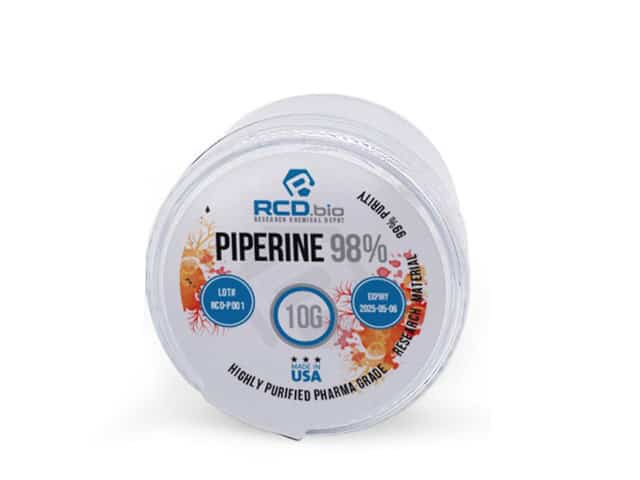
Piperine 98% by Research Chemical Depot
Shop Now →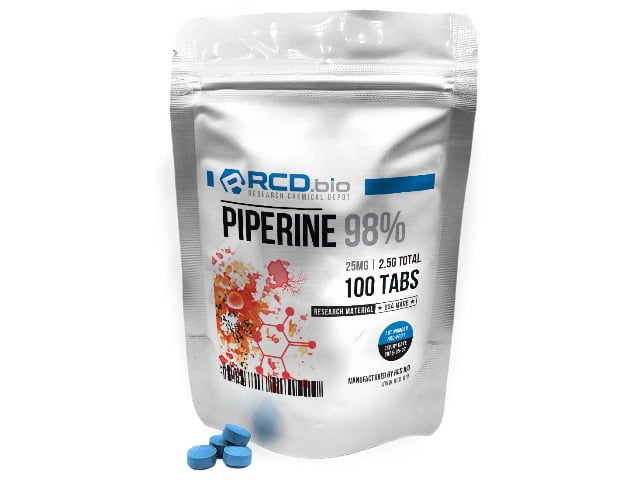
Piperine 98% Tablets by Research Chemical Depot
Shop Now →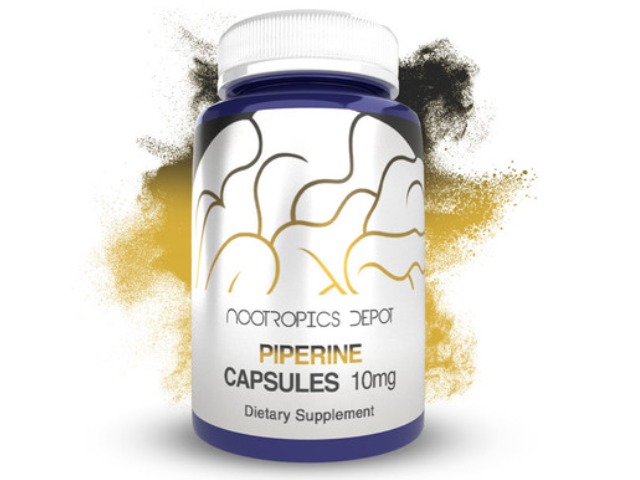
Buy Piperine Capsules by Nootropics Depot
Shop Now →Disclosure: These are affiliate links. I earn a small commission if you purchase — at no extra cost to you. I only recommend products I personally use or have thoroughly researched.
Research & Studies
This section includes 5 peer-reviewed studies referenced in our analysis.