
- Promotes sustained wakefulness without amphetamine-like stimulation
- Enhances sustained attention and executive function
- Improves working memory capacity under fatigue
- Supports alertness during shift work and irregular schedules
- May improve focus and motivation in cognitively demanding tasks
I’ll be honest — for a long time, I thought modafinil was the endgame for wakefulness. Then I tried armodafinil, and the difference was like switching from regular coffee to a perfectly dialed-in espresso. Same family, but the experience was noticeably smoother, longer, and more predictable.
That’s not marketing fluff. There’s a real pharmacological reason armodafinil hits differently — and whether that difference matters for you depends on what you’re actually trying to accomplish. If you’re researching wakefulness-promoting agents, dealing with shift work fatigue, or just curious whether this is worth the prescription hassle, this guide breaks down everything I’ve learned.
The Short Version: Armodafinil is the purified, longer-lasting half of modafinil. It’s FDA-approved for sleep disorders and widely used off-label for focus and productivity. At 150mg, it delivers 8–15 hours of clean alertness with minimal side effects for most people. The catch? It’s prescription-only, it interferes with hormonal birth control, and the cognitive enhancement evidence is strongest in people who are sleep-deprived — not well-rested individuals looking for a limitless pill.
What Is Armodafinil?
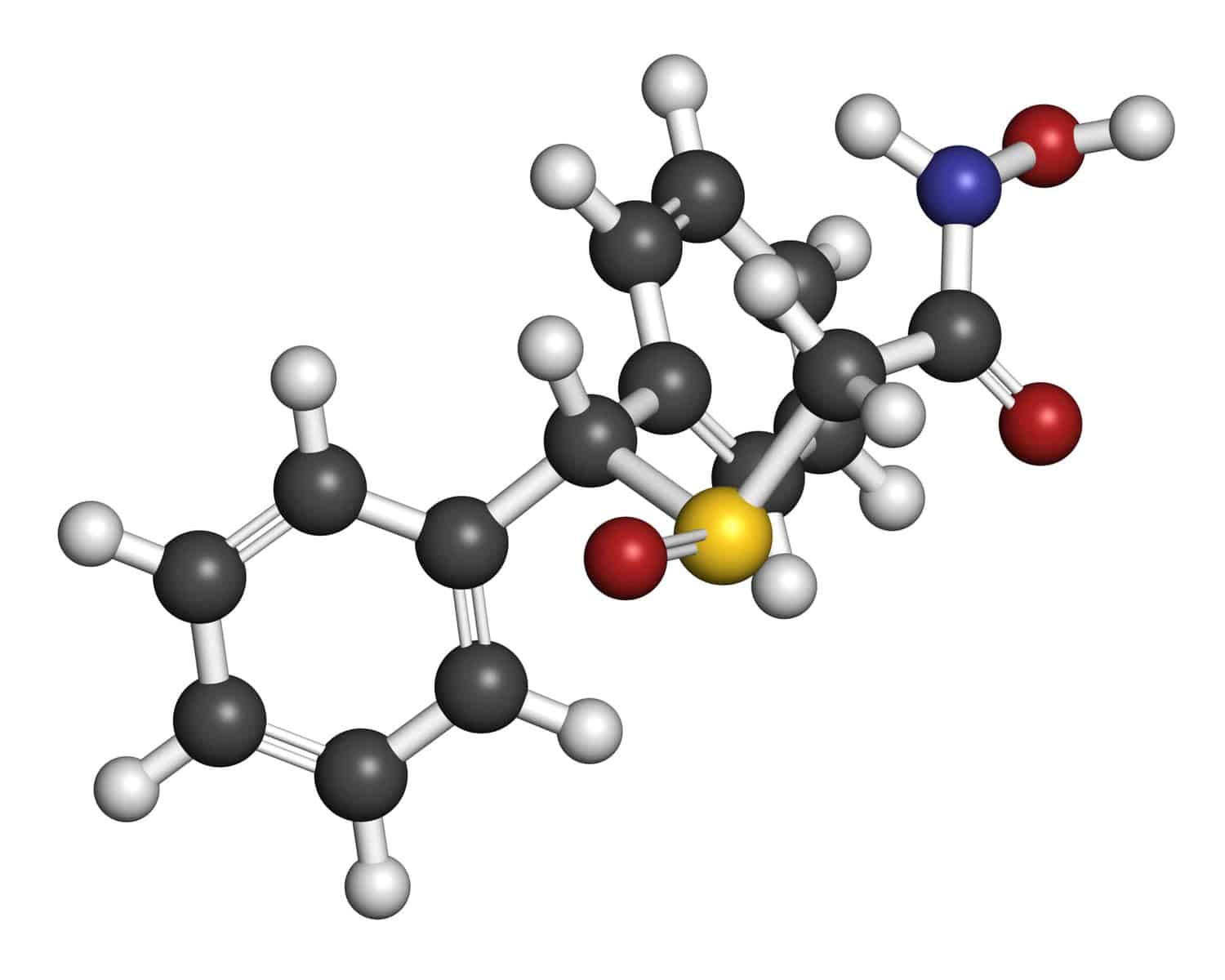
Armodafinil is the R-enantiomer of modafinil — and if that sentence made your eyes glaze over, here’s the plain version: modafinil is actually two mirror-image molecules stuck together in a 50/50 mix. One of those molecules (the R-enantiomer) lasts longer and maintains higher blood levels throughout the day. Armodafinil is just that longer-lasting half, purified and sold on its own as Nuvigil.
It was developed by Cephalon, Inc. (later acquired by Teva Pharmaceutical) and received FDA approval on June 15, 2007, for three conditions: narcolepsy, shift work sleep disorder, and excessive daytime sleepiness from obstructive sleep apnea. Generic versions hit the market in 2016, making it significantly more affordable.
Armodafinil is classified as a Schedule IV controlled substance — the same category as benzodiazepines like Xanax. That sounds alarming until you realize this is actually the lowest scheduling tier for controlled substances, reflecting genuinely low abuse potential. It’s a far cry from the Schedule II classification of amphetamines like Adderall.
Here’s what makes armodafinil interesting from a nootropics perspective: it promotes wakefulness without the rollercoaster ride of traditional stimulants. No euphoric rush, no crash, no jitters. Just a steady, sustained state of “I’m awake and I can think clearly.” Whether that’s enough for your goals — or whether you’re better served by something else entirely — depends on the details below.
How Does Armodafinil Work?
Think of your brain’s wakefulness system like a mixing board in a recording studio. There are multiple channels — dopamine, norepinephrine, histamine, orexin — and they all contribute to the final output: how alert and focused you feel. Armodafinil turns up several of these channels simultaneously, but it does so in a way that’s fundamentally different from amphetamines.
The primary mechanism is dopamine reuptake inhibition. Armodafinil binds to the dopamine transporter (DAT) and blocks it from vacuuming up dopamine from the synapse. More dopamine sticks around, and you feel more awake and motivated. But here’s the critical nuance: it binds to DAT in a structurally distinct way from cocaine or amphetamines. A 2007 study by Minzenberg and Carter published in Neuropsychopharmacology showed that armodafinil preferentially activates cortical arousal pathways while leaving the subcortical reward circuits relatively quiet. That’s why you get wakefulness without the “high” — and why the abuse potential stays low.
Beyond dopamine, armodafinil also increases norepinephrine signaling through the locus coeruleus (your brain’s alertness hub), elevates histamine in the tuberomammillary nucleus (another key wakefulness center), boosts excitatory glutamate transmission, and reduces inhibitory GABA signaling. It even potentiates orexin neurons — the same system that’s broken in narcolepsy.
So what does all that mean in practice? Your brain’s “stay awake” signals get amplified across multiple channels while the “time to sleep” signals get dialed down. The result is a broad, stable state of wakefulness rather than the narrow, intense spike you’d get from a single-mechanism stimulant. It’s less like flipping a light switch and more like gradually turning up the brightness in a room.
The pharmacokinetic advantage is the real selling point. A 2009 study by Darwish et al. in Clinical Pharmacokinetics found that armodafinil maintains 33–40% higher blood levels than modafinil on a milligram-to-milligram basis throughout the day. That’s because modafinil’s S-enantiomer gets cleared from your system quickly, causing a biphasic decline — you get a peak, then a dip, then a second lower plateau. Armodafinil declines smoothly and predictably. Clinically, this means 150mg of armodafinil roughly equals 200mg of modafinil, but with more consistent late-day effects.
Benefits of Armodafinil
What the Evidence Actually Supports
Let’s be clear about where the evidence is strong versus where it’s still catching up.
Rock-solid evidence (multiple randomized controlled trials): Armodafinil significantly improves wakefulness in narcolepsy, shift work sleep disorder, and obstructive sleep apnea. This is what it was approved for, and the data from four phase III trials is unambiguous.
Good evidence (clinical populations): A comprehensive 2024 review by Lamas-Aguilar et al. in Current Neuropharmacology analyzed 86 articles and concluded that armodafinil improves wakefulness, memory, impulse control, and executive function in adults with sleep disorders. Specific cognitive domains with the strongest support include sustained attention, working memory, executive function (planning and decision-making), and processing speed.
Mixed evidence (depression): An initial proof-of-concept trial showed armodafinil 150mg significantly improved depressive symptoms in bipolar I disorder when added to existing mood stabilizers. A meta-analysis backed this up. But then two subsequent phase III trials failed to replicate those findings, and the sponsor pulled the plug on development for this indication. The takeaway? Promising but unproven.
Reality Check: Most of the impressive cognitive enhancement data comes from sleep-deprived or clinically impaired populations. If you’re a healthy, well-rested person hoping armodafinil will turn you into Bradley Cooper in Limitless, temper your expectations. A 2015 Oxford systematic review of modafinil in healthy subjects found genuine cognitive benefits, but they were more pronounced on complex tasks than simple ones. It’s a tool, not a superpower.
Preliminary evidence (ADHD): The 2024 Lamas-Aguilar review suggested armodafinil “could be useful for the treatment of ADHD in adults” based on its effects on attention and executive function — but direct evidence in ADHD populations is scarce. This remains firmly in off-label, investigational territory.
How to Take Armodafinil
Dosage
The standard starting dose is 150mg once daily, taken in the morning. This is the sweet spot for most people — both in clinical trials and in real-world use. Doses up to 250mg are FDA-approved, but studies have not consistently shown that higher doses provide additional benefit for narcolepsy or sleep apnea.
Available tablet strengths are 50mg, 150mg, 200mg, and 250mg.
For shift work sleep disorder, take 150mg approximately one hour before your shift begins.
Timing Matters More Than You Think
Armodafinil reaches peak blood levels in about 2 hours on an empty stomach. Take it with food, and that peak gets delayed by 2–4 hours. For the fastest, most predictable onset, take it fasted with a glass of water.
Here’s the part that trips people up: the half-life is approximately 13 hours. That means if you take it at 8am, half the drug is still in your system at 9pm. Do not take this after noon unless you want to stare at your ceiling at 2am. I learned this the hard way exactly once.
Pro Tip: If you’re new to armodafinil, start with 150mg on a day when you have no evening commitments and can afford a slightly disrupted night’s sleep. This gives you a baseline for how the drug affects your personal sleep timing so you can dial in your dosing window.
Building to Steady State
Armodafinil reaches steady state after about 7 days of daily dosing, at which point your systemic exposure is roughly 1.8 times what you’d get from a single dose. This means the first few days may feel milder than expected — give it a full week before judging effectiveness.
What About Cycling?
No formal cycling protocol exists in the clinical literature. Some nootropic users cycle on/off to prevent tolerance — common patterns include 5 days on / 2 days off (weekdays only) or 3 weeks on / 1 week off. There’s no clinical data validating these approaches, but the logic is sound: periodic breaks from any dopaminergic compound may help maintain receptor sensitivity.
Side Effects and Safety
The Common Stuff
Headache is the most frequently reported side effect at roughly 17% in clinical trials — nearly 1 in 5 users. Nausea hits about 7%, dizziness and insomnia each around 5%. Dry mouth, anxiety, and diarrhea are also reported. Most of these are dose-dependent and tend to improve with continued use.
The Serious (But Rare) Stuff
Important: Armodafinil carries a rare but potentially life-threatening risk of Stevens-Johnson Syndrome (SJS) and Toxic Epidermal Necrolysis (TEN) — severe skin reactions that can be fatal. Discontinue immediately and seek emergency care at the first sign of any rash, blistering, mouth sores, or skin peeling. This is not a “wait and see” situation. DRESS syndrome (Drug Reaction with Eosinophilia and Systemic Symptoms) and angioedema are also possible. These reactions are very rare but require immediate medical attention.
Psychiatric side effects — including agitation, irritability, hallucinations, and in rare cases suicidal ideation — have been reported. If you notice significant mood changes, talk to your prescriber.
Cardiovascular effects include increased heart rate, palpitations, and chest pain. Avoid armodafinil if you have a history of recent heart attack, unstable angina, cardiac ischemia, left ventricular hypertrophy, or mitral valve prolapse.
Drug Interactions — The Big Ones
This is where armodafinil gets complicated. It’s a moderate inducer of CYP3A4 and a moderate inhibitor of CYP2C19, which means it changes how your liver processes a long list of other medications.
The interaction everyone needs to know about: Armodafinil reduces the effectiveness of hormonal birth control — pills, patches, implants, rings, injections, even hormonal IUDs. You must use an alternative or additional barrier method during treatment and for one full month after stopping. This is not optional.
Other notable interactions include MAOIs (potential serious reaction), warfarin (altered INR — monitor closely), other CNS stimulants (additive overstimulation), and any medication metabolized by CYP3A4. The FDA lists serious interactions with at least 35 drugs and moderate interactions with nearly 300.
Pregnancy and Nursing
Observational data and international registries show a potential increased risk of major congenital malformations with in utero exposure. Health Canada contraindicated modafinil and armodafinil in pregnancy in 2019. The bottom line: avoid during pregnancy and use effective non-hormonal contraception.
Withdrawal
Abrupt cessation after chronic use can cause shaking, sweating, chills, nausea, confusion, and vomiting. If you’ve been taking it daily for more than a few weeks, taper gradually rather than stopping cold turkey.
Stacking Armodafinil
Armodafinil works across multiple neurotransmitter systems already, so the goal with stacking isn’t to pile on more stimulation — it’s to smooth out the edges and fill in the gaps.
L-Theanine (100–200mg) is the classic pairing. It takes the edge off any anxiety or jitteriness without dulling the focus. The combination gives you calm alertness rather than wired alertness. This is my top recommendation for first-time armodafinil users.
Citicoline (250–500mg) adds cholinergic support for memory and sustained attention. Since armodafinil doesn’t directly target the cholinergic system, citicoline fills a genuine gap in the stack. Think of it as adding a memory lane to the wakefulness highway.
Caffeine (50–100mg, low dose only) provides complementary adenosine antagonism. But keep doses conservative — armodafinil is already a powerful wakefulness promoter, and stacking it with your usual 3-cup coffee habit is a recipe for anxiety and insomnia. I’d cut your normal caffeine intake in half on days you take armodafinil.
Magnesium glycinate or threonate taken in the evening helps counteract the muscle tension and sleep disruption that some users experience. Threonate specifically crosses the blood-brain barrier and supports sleep quality — a smart counterbalance to a long-acting wakefulness agent.
Omega-3 fatty acids aren’t going to create an acute synergy you can feel, but they provide long-term neuroprotection and anti-inflammatory support that makes the entire stack more sustainable.
What to Avoid
Do not combine with amphetamines or high-dose caffeine. The cardiovascular strain and anxiety risk aren’t worth it. If you’re already on a prescribed stimulant, talk to your doctor before adding armodafinil — don’t freelance this.
Avoid MAOIs entirely. The interaction potential is serious and unpredictable.
Be cautious with alcohol. Armodafinil can mask the sedating effects of alcohol, leading you to drink more than you realize. The cognitive impairment from alcohol is still happening — you just can’t feel it as clearly.
My Take
Armodafinil is one of the most reliable wakefulness tools I’ve encountered in years of exploring nootropics. When I need 10–12 hours of sustained, clear-headed focus — the kind of day where I’m writing, researching, recording a podcast, and still need to be sharp for evening calls — it delivers consistently.
But I want to be honest about what it is and isn’t. It’s a wakefulness promoter, not a cognitive enhancer in the way most people imagine. It won’t make you smarter. It will make you more awake — and for many people, especially those dealing with fatigue, shift work, or sleep debt, that’s the bottleneck that was holding their cognition back all along. Remove the fatigue, and the brain you already have starts performing better.
Who this is best for: Shift workers, people with diagnosed sleep disorders, professionals who need reliable long-duration focus, and anyone whose cognitive performance is limited by fatigue or excessive daytime sleepiness.
Who should look elsewhere: If you’re well-rested, sleeping 7–9 hours, and looking for a pure cognitive boost, the evidence for armodafinil is weaker than you’d hope. You might get more mileage from addressing foundational factors first, or exploring compounds with stronger cognitive enhancement data in healthy populations, like Bacopa Monnieri or Lion’s Mane.
The prescription barrier is real. Unlike many nootropics, you can’t just order this online (legally, anyway). You’ll need a conversation with your doctor, which honestly isn’t a bad thing given the drug interaction profile — especially the birth control issue.
If you do get a prescription, start at 150mg, take it early in the morning on an empty stomach, pair it with L-theanine, and give yourself a full week before judging. And for the love of your circadian rhythm, do not take it after noon.
Research & Studies
This section includes 9 peer-reviewed studies referenced in our analysis.