
- Enhanced wakefulness and alertness
- Improved executive function and working memory
- Increased motivation and mental stamina
- Reduced fatigue during sleep deprivation
- Potential mood-elevating effects
I’ll be honest — the first time I tried modafinil, I thought I’d found the cheat code. Twelve hours of laser focus, zero jitters, and I plowed through a backlog of work that had been haunting me for weeks. I felt like the guy from Limitless.
Then I took it five days straight, barely slept, forgot to eat, and crashed so hard I was useless for an entire weekend. Classic rookie mistake.
That experience taught me something important: modafinil is a genuinely powerful tool, but it’s not magic, and it absolutely demands respect. After years of research and careful use, I have a much more nuanced view — and that’s exactly what I’m going to share with you here.
The Short Version: Modafinil is a prescription wakefulness-promoting agent that legitimately enhances focus, executive function, and mental stamina. It’s one of the most well-studied cognitive enhancers available, with a cleaner side-effect profile than traditional stimulants. But it’s not a substitute for sleep, it’s not risk-free, and it works best as an occasional tool — not a daily crutch. Below, I break down the science, the practical protocols, and the stuff most “modafinil guides” leave out.
What Is Modafinil?
Modafinil is a eugeroic — a fancy word for “wakefulness-promoting agent” — that was developed in France in the late 1970s by neurophysiologist Michel Jouvet and Lafon Laboratories. It was approved by the FDA in 1998 under the brand name Provigil for treating narcolepsy, and later expanded to cover shift work sleep disorder and obstructive sleep apnea.
But here’s where it gets interesting. Somewhere along the way, modafinil escaped the sleep clinic and became the world’s most popular “smart drug.” Silicon Valley executives, Wall Street traders, military pilots, grad students pulling all-nighters — the off-label use exploded. A 2018 survey published in the International Journal of Drug Policy estimated that modafinil was the most commonly used pharmaceutical cognitive enhancer globally.
And unlike a lot of nootropic hype, modafinil actually has real clinical data behind it. We’re not talking about rat studies and Reddit anecdotes — there are dozens of randomized controlled trials in healthy adults. That doesn’t make it a miracle pill. But it does make it one of the few compounds in this space where the evidence genuinely matches (at least some of) the hype.
Reality Check: Modafinil is a prescription medication in most countries, including the United States, the UK, Canada, and Australia. This article is for educational purposes. If you’re considering modafinil, talk to a healthcare provider who can evaluate whether it’s appropriate for your situation — especially if you have a history of heart problems, psychiatric conditions, or are taking other medications.
How Does Modafinil Work?
Here’s where things get fascinating — and a little humbling. Despite decades of research, scientists still don’t fully understand modafinil’s mechanism of action. What we do know is that it works very differently from traditional stimulants like amphetamines or methylphenidate.
Think of your brain’s wakefulness system like a series of dimmer switches. Amphetamines crank every switch to maximum — dopamine, norepinephrine, serotonin — which is why they feel so powerful but also create that wired, jittery, crash-prone experience. Modafinil is more selective. It gently turns up specific switches while leaving others alone.
The best current evidence points to several overlapping mechanisms:
-
Dopamine reuptake inhibition. Modafinil weakly blocks the dopamine transporter (DAT), increasing dopamine levels in the prefrontal cortex and nucleus accumbens. A landmark 2009 PET imaging study in JAMA by Volkow et al. confirmed this mechanism in humans. The key word is “weakly” — it increases dopamine enough to boost motivation and focus without the euphoric rush and crash cycle of stronger stimulants.
-
Orexin/hypocretin activation. Modafinil appears to activate the orexin system — the same neurons that are dysfunctional in narcolepsy. These neurons act as a master switch for wakefulness, and stimulating them promotes alertness through a fundamentally different pathway than traditional stimulants.
-
Histamine elevation. It increases histamine release in the hypothalamus, which is your brain’s primary “stay awake” signal. This is similar to how caffeine works, but through a different mechanism.
-
GABA reduction and glutamate enhancement. Modafinil suppresses GABA (the brain’s main inhibitory neurotransmitter) while boosting glutamate (the main excitatory one). This shifts the overall neurochemical balance toward alertness and cognitive activation.
In plain English: modafinil doesn’t force your brain into overdrive the way amphetamines do. Instead, it nudges multiple wakefulness systems simultaneously, creating a state of calm, sustained alertness. That’s why most people describe it as “feeling normal, but more focused” rather than feeling stimulated or high.
Benefits of Modafinil
Let me be straight with you: modafinil has more high-quality human evidence behind it than almost any other nootropic compound. That said, the benefits vary depending on context — it does different things for sleep-deprived people than it does for well-rested people.
Wakefulness and fatigue resistance
This is modafinil’s home turf, and the evidence is rock solid. Multiple large-scale RCTs have demonstrated that modafinil significantly improves wakefulness, reaction time, and cognitive performance in sleep-deprived individuals. The U.S. military has even approved it for use during sustained operations — it’s been used by Air Force pilots on long-duration missions since 2003.
Executive function and focus
A comprehensive 2015 meta-analysis published in European Neuropsychopharmacology by Battleday and Brem reviewed 24 studies and concluded that modafinil consistently improved attention, executive function, and learning in non-sleep-deprived individuals — particularly on more complex, demanding tasks. Simple tasks showed less benefit.
Working memory
The evidence here is moderate. Some studies show meaningful improvements in working memory tasks, while others show no significant difference from placebo. The benefit seems to be most pronounced when tasks are cognitively demanding and when baseline performance is lower.
Motivation and mental stamina
This is one of modafinil’s most consistently reported subjective benefits, and it tracks with the dopamine mechanism. A 2014 study in Annals of Clinical and Translational Neurology found that modafinil reduced “effort discounting” — essentially, participants were more willing to tackle difficult tasks for rewards.
| Benefit | Evidence Level | Key Finding |
|---|---|---|
| Wakefulness/fatigue resistance | Strong (multiple RCTs) | Significant improvement in sleep-deprived populations |
| Executive function/attention | Strong (meta-analysis) | Consistent improvement, especially on complex tasks |
| Working memory | Moderate (mixed results) | Benefits depend on task complexity and baseline ability |
| Motivation/mental stamina | Moderate (RCTs + subjective reports) | Reduced effort discounting, increased willingness to engage |
| Mood enhancement | Preliminary (secondary outcomes) | Some studies note improved subjective well-being |
| Creativity | Weak/Negative | Some evidence it may slightly impair divergent thinking |
Insider Tip: Here’s something most modafinil guides won’t tell you: if you’re already well-rested, well-nourished, and cognitively sharp, modafinil’s benefits shrink considerably. The compound shines brightest when there’s a deficit to correct — fatigue, sleep debt, or cognitively demanding periods that exceed your normal capacity. If your baseline is already optimized through good sleep, nutrition, and exercise, you’ll get less out of it.
How to Take Modafinil
Getting the protocol right matters more than most people realize. I’ve seen plenty of people dismiss modafinil as “didn’t work for me” because they took it wrong, and I’ve seen others swear it’s a miracle because they happened into the right protocol by accident.
Dosage
| Use Case | Dosage | Notes |
|---|---|---|
| Starting dose / assessment | 50–100mg | Take for 3–5 days to gauge response |
| Standard cognitive enhancement | 100–200mg | Most common effective dose |
| FDA-approved (narcolepsy) | 200mg | Single morning dose |
| Maximum recommended | 400mg | Rarely needed; increased side effects, minimal added benefit |
- Start low. I cannot stress this enough. Many people respond fully to 100mg or even 50mg. The 200mg dose is the clinical standard, but it’s not the minimum effective dose for everyone.
- The sweet spot for most people is 100–200mg. Going above 200mg rarely provides proportionally more benefit and significantly increases side effect risk.
- Splitting the dose (e.g., 100mg morning + 100mg early afternoon) can extend the cognitive window without the insomnia risk of a single large afternoon dose — but only do this if you’re taking it before noon.
Timing
- Take it early. Modafinil’s half-life is 12–15 hours. If you take 200mg at 8 AM, half of it is still active at 8 PM. Take it at noon, and you’re staring at the ceiling at midnight.
- With or without food. Food doesn’t significantly affect absorption, but taking it with a meal may delay onset by 30–60 minutes. On an empty stomach, most people feel effects within 30–45 minutes.
- Onset to peak: Roughly 2–4 hours to reach peak plasma concentration.
Cycling
This is where I have a strong opinion: do not take modafinil every day.
Tolerance develops. Not dramatically and not quickly — modafinil is more forgiving than most stimulants in this regard — but consistent daily use does blunt the effect over weeks to months. More importantly, daily use masks sleep debt rather than addressing it.
My recommended cycling protocols:
- 2–3 days per week, on your most demanding days
- 1 week on, 1 week off for periods of sustained high output
- As-needed use for occasional demanding days (my personal preference)
Pro Tip: Keep a log for your first two weeks. Note the dose, time taken, when you felt onset, peak focus duration, and when effects wore off. This data is invaluable for dialing in your personal protocol. Everyone metabolizes modafinil differently — some people are “fast metabolizers” who burn through it in 8 hours, while others feel residual effects for 16+ hours.
Side Effects and Safety
Modafinil has a favorable safety profile compared to traditional stimulants, but “favorable” doesn’t mean “harmless.” Let’s be thorough here.
Common side effects (reported in clinical trials)
- Headache (34% — the most common, often from dehydration; drink more water)
- Nausea (11%)
- Anxiety or nervousness (8%)
- Insomnia (5% — almost always a timing issue)
- Reduced appetite (4%)
- Dizziness (5%)
- Dry mouth
- Diarrhea or GI discomfort
Serious but rare risks
- Stevens-Johnson Syndrome (SJS). This is the big one. SJS is a severe, potentially life-threatening skin reaction. It’s extremely rare — estimated at 1–6 cases per million — but it’s real. If you develop any skin rash, blistering, mouth sores, or peeling skin after starting modafinil, stop immediately and seek emergency medical care.
- Cardiovascular effects. Modafinil can modestly increase heart rate and blood pressure. People with pre-existing heart conditions, uncontrolled hypertension, or a history of cardiac events should avoid it.
- Psychiatric effects. In rare cases, modafinil can trigger or worsen anxiety, mania, or psychosis — particularly in individuals with pre-existing psychiatric conditions.
Important: Modafinil is a CYP3A4 inducer, which means it can reduce the effectiveness of hormonal contraceptives (birth control pills, patches, implants). If you use hormonal birth control, you need an alternative or additional method while taking modafinil and for one month after discontinuation. This is a critical safety issue that many nootropic guides completely ignore.
Drug interactions to watch
- Hormonal contraceptives — reduced effectiveness (see above)
- Warfarin and other blood thinners — modafinil may alter metabolism
- Cyclosporine — significantly reduced levels
- MAOIs — potential for dangerous interactions
- Other stimulants (including high-dose caffeine) — additive cardiovascular stress
- SSRIs/SNRIs — generally safe, but monitor for increased anxiety or serotonin-related symptoms
Who should NOT take modafinil
- People with a history of heart problems, arrhythmia, or uncontrolled hypertension
- Anyone with a history of psychosis, severe anxiety, or bipolar disorder
- Pregnant or nursing individuals (insufficient safety data)
- People with a history of substance abuse (modafinil does have weak dopaminergic reward potential)
- Anyone with a known hypersensitivity to modafinil or armodafinil
Stacking Modafinil
Modafinil already affects multiple neurotransmitter systems, so stacking requires some thought. You’re not trying to amplify everything — you’re trying to cover modafinil’s gaps and mitigate its side effects.
Synergistic combinations
-
Modafinil + L-Theanine (100–200mg): My top recommendation. L-Theanine takes the edge off modafinil’s stimulating effects without reducing focus. It promotes alpha brain wave activity, which smooths out the experience and reduces the anxiety that some people get from modafinil alone.
-
Modafinil + Alpha-GPC (300–600mg): Provides choline to support acetylcholine production, which complements modafinil’s dopaminergic effects. Many users report sharper memory and verbal fluency with this combination.
-
Modafinil + Magnesium L-Threonate (1,000–2,000mg): Supports sleep quality on days you take modafinil (take the magnesium in the evening). Also helps prevent the tension headaches that are modafinil’s most common side effect.
-
Modafinil + Creatine Monohydrate (5g daily): Creatine supports brain energy metabolism through a completely different pathway (ATP recycling). The combination addresses both neurochemical and bioenergetic aspects of cognitive performance.
Combinations to avoid
- Modafinil + high-dose caffeine — additive stimulation, increased heart rate, heightened anxiety. Moderate caffeine (one cup of coffee) is usually fine, but don’t stack 200mg modafinil with 400mg caffeine.
- Modafinil + other dopaminergic compounds (Phenylpiracetam, selegiline, etc.) — risk of excessive dopamine stimulation. Use one or the other, not both.
- Modafinil + Adrafinil — Adrafinil is literally a prodrug that converts to modafinil in your liver. Taking both is redundant and unnecessarily taxes your liver.
- Modafinil + alcohol — modafinil can mask the sedating effects of alcohol, leading people to drink more than they realize. The cognitive impairment from alcohol is still there even if you don’t feel tired.
My Take
After years of research and personal experience, here’s my honest assessment: modafinil is the real deal — with caveats.
It’s genuinely one of the most effective cognitive enhancers available. The evidence base is strong. The side-effect profile, when used responsibly, is manageable. And the subjective experience — that feeling of sustained, calm focus — is hard to replicate with anything else I’ve tried.
But I’ve also learned the hard way that modafinil is a tool, not a lifestyle. The people who get the most out of it use it strategically — for demanding days, important deadlines, or periods when sleep debt is unavoidable. The people who get into trouble treat it as a daily performance drug and slowly erode their sleep quality, stress resilience, and natural motivation.
Who modafinil is best for:
- Professionals facing occasional high-demand cognitive tasks
- Shift workers managing irregular sleep schedules
- Students during exam periods (occasional use, not daily)
- Anyone dealing with diagnosed sleep disorders (under medical supervision)
Who should probably try something else first:
- If your brain fog is caused by poor sleep, gut issues, or chronic stress, fix those foundations before reaching for modafinil. Seriously. Magnesium, L-Theanine, and Bacopa Monnieri combined with sleep hygiene will outperform modafinil if the real problem is a broken foundation.
- If you’re looking for daily, long-term cognitive support, compounds like Lion’s Mane, Citicoline, or Creatine are better suited for that role.
- If you have a history of anxiety, modafinil can make it worse. Consider L-Theanine or Ashwagandha first.
My personal protocol these days? I keep modafinil in my toolkit for maybe 2–3 days per month — the days when I genuinely need 10+ hours of sharp focus and the stakes are high. On normal days, my foundation stack (Magnesium L-Threonate, Lion’s Mane, Creatine, good sleep) handles the job.
That’s not as exciting as “take this pill and become superhuman.” But it’s the truth. And in my experience, the truth is what actually works.
Recommended Modafinil Products
I know how frustrating it is to sort through dozens of brands making the same claims. These are the ones I've personally vetted — because quality is the difference between results and wasted money.
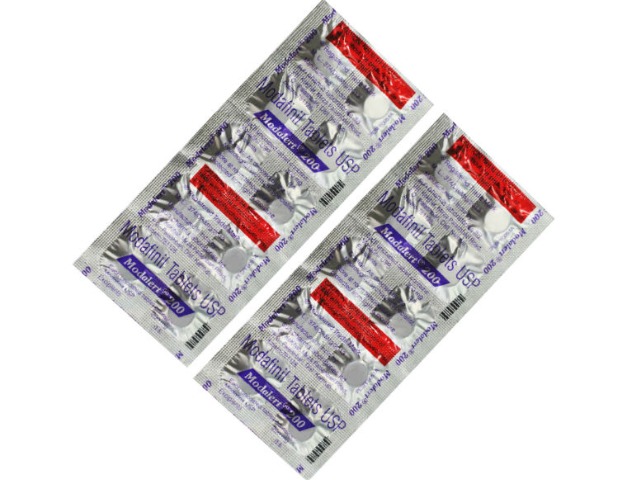
Modafinil + Related Products
Shop Now →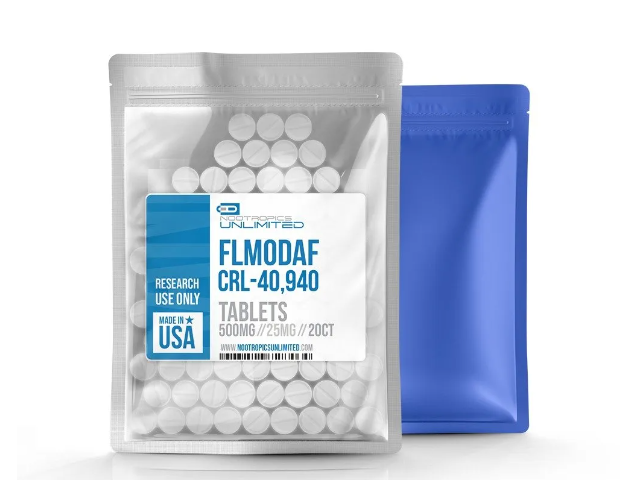
Fl Modafinil by Nootropics Unlimited
Shop Now →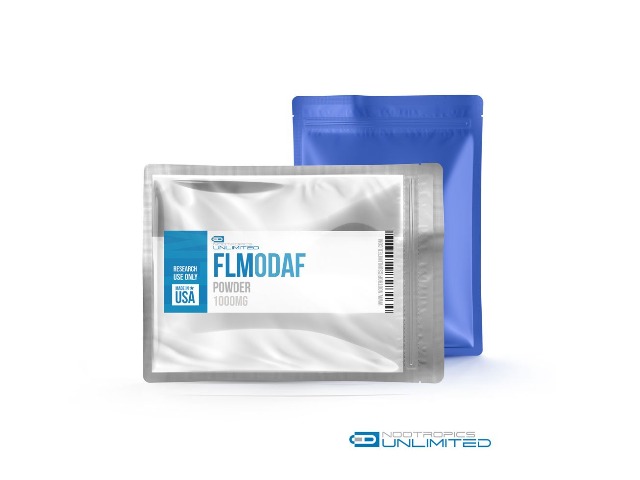
Flmodafinil by Nootropics Unlimited
Shop Now →Disclosure: These are affiliate links. I earn a small commission if you purchase — at no extra cost to you. I only recommend products I personally use or have thoroughly researched.
Research & Studies
This section includes 34 peer-reviewed studies referenced in our analysis.
To whom do inner-city minors talk about their pregnancies? Adolescents' communication with parents and parent surrogates.
Modafinil, d-amphetamine and placebo during 64 hours of sustained mental work. I. Effects on mood, fatigue, cognitive performance and body temperature.
Modafinil augmentation of antidepressant treatment in depression.
Cataplexy worsened by modafinil.
Dosing regimen effects of modafinil for improving daytime wakefulness in patients with narcolepsy.
Modafinil for remitted bipolar depression with hypersomnia.
Effect of the wake-promoting agent modafinil on sleep-promoting neurons from the ventrolateral preoptic nucleus: an in vitro pharmacologic study.
Effects of acute modafinil ingestion on exercise time to exhaustion.
Effects of modafinil on working memory processes in humans.
What keeps us awake: the neuropharmacology of stimulants and wakefulness-promoting medications.
Showing 10 of 34 studies. View all →