
- Anti-Inflammatory
- Pain Relief (Analgesic)
- Neuroprotective
- Anxiolytic
- Pro-Cognitive
- Antioxidant
- Immunomodulatory
You’ve probably been eating a cannabinoid your entire life without knowing it.
Every time you’ve cracked fresh black pepper over your dinner, chewed on a clove, or even caught a whiff of oregano — you’ve been exposing yourself to beta-caryophyllene, a compound that activates the same receptor system as cannabis. No, it won’t get you high. But what it does do for inflammation, brain health, and pain is genuinely fascinating — and the science is stacking up fast.
I stumbled onto BCP while digging into the endocannabinoid system for a podcast episode, and honestly, I was skeptical. “A pepper compound that acts like cannabis?” Sounded like clickbait. But the more I read, the more I realized this is one of the most underappreciated compounds in the nootropic world.
The Short Version: Beta-caryophyllene (BCP) is a naturally occurring terpene found in black pepper, cloves, and cannabis that selectively activates CB2 cannabinoid receptors — delivering anti-inflammatory, neuroprotective, and anxiolytic benefits without any psychoactive effects. The preclinical evidence is impressive, but human clinical data is still thin. It’s best suited for people dealing with neuroinflammation, chronic pain, or stress-related cognitive issues who want a well-tolerated, food-derived approach.
What Is Beta-Caryophyllene?
Beta-caryophyllene (BCP) is a bicyclic sesquiterpene — which is a fancy way of saying it’s a specific type of aromatic compound found in essential oils. It’s one of the most abundant terpenes in nature, showing up in black pepper (Piper nigrum), cloves (Syzygium aromaticum), hops, rosemary, oregano, and cannabis.
What makes BCP special isn’t just where it comes from — it’s what it does once it’s in your body. BCP is the only known dietary terpene that directly activates cannabinoid receptor type 2 (CB2). That makes it a functional cannabinoid that you can get from food. The FDA has even classified it as “Generally Recognized as Safe” (GRAS), meaning it has a long safety track record in human consumption.
People use BCP primarily for its anti-inflammatory and pain-relieving properties, but it’s gaining serious traction in the nootropic community for neuroprotection and anxiety support. And unlike THC or even CBD, BCP doesn’t touch CB1 receptors in the brain — so there’s zero psychoactive effect. You get the downstream benefits of endocannabinoid system activation without the mental fog or legal headaches.
If you’re someone who’s already dialed in your foundations — sleep, gut health, stress management — BCP is the kind of targeted tool that can address lingering neuroinflammation or stress-driven cognitive issues that the basics alone don’t fully resolve.
How Does Beta-Caryophyllene Work?
Think of your endocannabinoid system as a dimmer switch for inflammation and stress throughout your body. CB1 receptors — mostly in the brain — are the switch that cannabis flips (and why THC gets you high). CB2 receptors are the other switch, found primarily in immune cells, the gut, and peripheral tissues. BCP exclusively targets CB2.
When BCP binds to CB2 receptors, it triggers a cascade of anti-inflammatory signaling. Specifically, it suppresses NF-κB — a master transcription factor that controls the expression of pro-inflammatory cytokines like TNF-α, IL-1β, and IL-6. In plain English: BCP tells your immune system to calm down at the genetic level. A 2014 study in the European Journal of Pain demonstrated that BCP reduced inflammatory pain in mice through this CB2-dependent mechanism, and the effect was completely blocked when CB2 receptors were knocked out — confirming that’s the pathway doing the heavy lifting.
But BCP isn’t a one-trick pony. It also activates PPARγ (peroxisome proliferator-activated receptor gamma), a nuclear receptor involved in glucose metabolism, lipid storage, and — critically for brain health — neuroinflammation regulation. PPARγ activation has been linked to neuroprotection in models of Alzheimer’s, Parkinson’s, and multiple sclerosis. BCP also modulates TLR4 signaling and downregulates the NLRP3 inflammasome, two pathways increasingly implicated in neurodegenerative disease.
So what does all this mean for your brain? BCP works through multiple overlapping anti-inflammatory and neuroprotective pathways — not just one receptor, but an entire network. That redundancy is actually a strength. Instead of hammering one target (like most pharmaceuticals), BCP gently nudges several systems back toward balance. It’s the kind of multi-target approach that functional medicine people like me get excited about, because chronic neuroinflammation rarely has a single cause.
What Beta-Caryophyllene Actually Does to Your Brain
Anti-Inflammatory and Neuroprotective Effects
This is BCP’s headline act. Chronic, low-grade neuroinflammation is now considered a driving factor in everything from brain fog to Alzheimer’s disease. BCP’s ability to suppress NF-κB and reduce pro-inflammatory cytokines has been demonstrated consistently across animal models of neurodegeneration, traumatic brain injury, and ischemic stroke.
A 2020 review in Frontiers in Pharmacology catalogued BCP’s neuroprotective effects across multiple disease models, concluding that its multi-target mechanism — hitting CB2, PPARγ, and TLR4 simultaneously — gives it a uniquely broad neuroprotective profile among natural compounds.
Reality Check: The neuroprotection research is compelling but almost entirely preclinical. We’re talking rodent models and cell cultures, not large-scale human trials. That doesn’t mean it doesn’t work in humans — it means we can’t make definitive claims yet. The biological plausibility is strong, the animal data is consistent, and the safety profile is excellent. But intellectual honesty requires acknowledging the gap.
Anxiety and Stress Support
BCP shows consistent anxiolytic (anti-anxiety) effects in animal models, and this is one area where the mechanism makes intuitive sense. CB2 receptor activation in the peripheral immune system reduces circulating inflammatory markers, which in turn reduces the neuroinflammatory signaling that drives anxiety-like behavior.
A study published in Physiology & Behavior found that BCP reduced anxiety-related behaviors in mice through a CB2-dependent mechanism — and importantly, without the sedation or motor impairment you’d see with benzodiazepines or even high-dose CBD. If stress-driven inflammation is part of your anxiety picture (and for many people it is), BCP targets that root cause rather than just masking symptoms.
Cognitive Support
Here’s where it gets interesting for the nootropic crowd. A 2024 study found that BCP improved working memory and reduced neuroinflammation in an aged mouse model — suggesting it may help with age-related cognitive decline specifically by tamping down the inflammatory processes that accelerate brain aging.
BCP also appears to support BDNF (brain-derived neurotrophic factor) expression in some models, which is relevant for neuroplasticity and learning. But again — these are animal findings. The one standalone human RCT we have on BCP showed promising results for pain and inflammation, but cognitive endpoints in humans haven’t been rigorously tested yet.
Pain Relief
BCP’s analgesic effects are well-documented in preclinical models. It reduces both inflammatory and neuropathic pain through CB2 activation, and some studies suggest it may enhance the effectiveness of conventional analgesics — potentially allowing lower doses of pharmaceutical painkillers.
Insider Tip: If you’re using BCP primarily for pain, combining it with palmitoylethanolamide (PEA) may enhance the effect. PEA works through a complementary endocannabinoid pathway (PPARα), and the two compounds together cover more of the pain-inflammation network than either one alone.
Antioxidant and Gut Health
BCP demonstrates meaningful antioxidant activity, scavenging reactive oxygen species and upregulating endogenous antioxidant enzymes like SOD and glutathione. It also shows gut-protective effects — reducing intestinal inflammation and supporting barrier integrity in colitis models. Given the gut-brain axis connection, this is another indirect pathway through which BCP may support cognitive function.
How to Take Beta-Caryophyllene Without Wasting Your Money
Dosage: Most preclinical studies use doses that translate to roughly 50–300 mg daily in humans. The single human RCT used a combination product, making it hard to isolate BCP’s exact effective dose. A reasonable starting point is 50–100 mg of isolated BCP daily, working up to 200–300 mg if well tolerated.
Timing: Take BCP with food — ideally a meal containing some fat. As a lipophilic terpene, BCP absorbs significantly better with dietary fat. Taking it on an empty stomach reduces bioavailability and may increase the chance of mild GI discomfort.
Forms: BCP is available as:
- Isolated BCP oil/softgels — the most standardized option, easiest to dose accurately
- Copaiba essential oil — naturally high in BCP (up to 50-60%), but concentration varies by brand
- Full-spectrum black pepper or clove extracts — contain BCP along with other terpenes, but at lower and less consistent concentrations
- Food sources — black pepper, cloves, oregano, cinnamon, and hops all contain BCP, but you’d need unrealistic quantities to hit therapeutic doses
Starting Protocol: Begin at 50–100 mg daily with a fat-containing meal. Assess for 2–4 weeks before increasing. BCP’s anti-inflammatory effects are cumulative — don’t expect overnight results. Most people report noticing a difference in general inflammation and mood within 2–6 weeks.
Pro Tip: BCP’s bioavailability is a known limitation — it gets metabolized quickly by the liver. Some newer formulations use lipid-based delivery systems or nano-emulsification to improve absorption. If you’re not noticing effects at standard doses, a bioavailability-enhanced product may be worth trying before assuming BCP doesn’t work for you.
The Side Effects Nobody Warns You About
Good news: there isn’t much to warn you about. BCP has an exceptionally clean safety profile, which makes sense given that humans have been consuming it in food for millennia.
Common side effects (generally mild and dose-dependent):
- Mild GI discomfort, especially on an empty stomach
- Slight warming sensation (it’s a pepper compound, after all)
- Occasional headache at higher doses
Drug interactions to be aware of:
- BCP may inhibit CYP3A4 and CYP2D6 enzymes, which metabolize a wide range of medications. If you’re on prescription drugs — particularly those with narrow therapeutic windows — talk to your doctor before adding BCP.
- Theoretical interaction with immunosuppressants, given BCP’s immunomodulatory effects.
Important: If you’re taking blood thinners, chemotherapy drugs, or immunosuppressants, consult your healthcare provider before supplementing with BCP. The CB2 activation and enzyme inhibition effects could alter how your body processes these medications.
Who should be cautious:
- Pregnant or nursing women (insufficient safety data for supplemental doses)
- People with autoimmune conditions (immunomodulation could theoretically go either direction)
- Anyone on multiple medications metabolized by CYP3A4
Stacking Beta-Caryophyllene
BCP plays well with others, especially compounds that target complementary pathways in the inflammation-cognition network.
BCP + Palmitoylethanolamide (PEA): The endocannabinoid stack. BCP activates CB2 while PEA works through PPARα — together they cover the major anti-inflammatory arms of the endocannabinoid system. Excellent for pain and neuroinflammation.
BCP + Curcumin: Both are multi-target anti-inflammatories, but they hit different nodes in the NF-κB pathway. Curcumin also has poor bioavailability on its own, so use a lipid-based or piperine-enhanced form. The irony of pairing a black pepper compound with piperine-enhanced curcumin isn’t lost on me.
BCP + Lion’s Mane: If your goal is neuroprotection and cognitive support, this is a strong pairing. BCP handles the anti-inflammatory side while Lion’s Mane drives NGF production and neuroplasticity. Different mechanisms, complementary outcomes.
BCP + Magnesium: Magnesium supports over 300 enzymatic processes and is foundational for nervous system health. Adding BCP’s anti-inflammatory action on top of adequate magnesium creates a solid base for stress resilience and cognitive function.
What to avoid combining:
- High-dose CBD + BCP — not dangerous, but redundant. Both modulate the endocannabinoid system, and stacking them aggressively may yield diminishing returns rather than additive benefits.
- Multiple CYP3A4 inhibitors — if you’re already taking grapefruit, berberine, or other strong CYP3A4 inhibitors alongside medications, adding BCP could compound the enzyme inhibition.
My Take
I’ll be straight with you: beta-caryophyllene isn’t going to give you the “limitless” feeling that some nootropic influencers promise from their latest stack. It’s not that kind of compound.
What BCP is good at is quietly reducing the background inflammation that makes everything else work worse. In my experience, it’s one of those supplements where you don’t notice a dramatic “on” switch — you notice that your baseline improves over weeks. Less joint stiffness. Slightly better mood stability. That persistent brain fog lifting by five or ten percent.
I think BCP is best suited for:
- People over 35 dealing with age-related inflammatory creep
- Anyone with chronic low-grade inflammation (elevated hs-CRP, joint pain, persistent brain fog)
- People who respond well to CBD but want something with cleaner pharmacology and no regulatory gray area
- Stacking enthusiasts who already have their foundations locked in and want a targeted anti-inflammatory layer
If you’re 22, sleeping well, eating clean, and just want sharper focus for studying — BCP probably isn’t your first stop. Look at Lion’s Mane or Bacopa Monnieri instead.
The biggest caveat is the evidence gap. The preclinical data is genuinely exciting — multi-target mechanism, excellent safety profile, strong consistency across studies. But we’re still waiting for robust human clinical trials to confirm what the animal models suggest. I’m optimistic, but I’m not going to pretend the evidence is more mature than it is.
For the price point and safety profile, I think BCP is worth a 2–3 month trial if you fit the profile above. Start low, take it with food, give it time, and pay attention to the subtle shifts. Sometimes the best nootropics aren’t the ones that hit you over the head — they’re the ones that remove the obstacles your brain was fighting against all along.
Recommended Beta-Caryophyllene Products
I know how frustrating it is to sort through dozens of brands making the same claims. These are the ones I've personally vetted — because quality is the difference between results and wasted money.
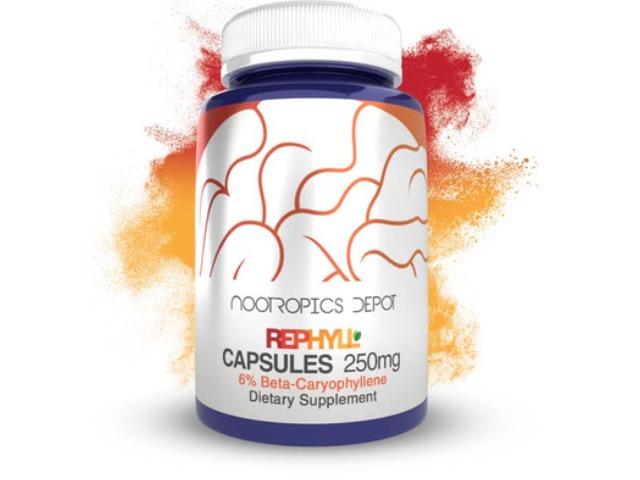
Buy Rephyll Capsules | Beta Caryophyllene Benefits by Nootropics Depot
Shop Now →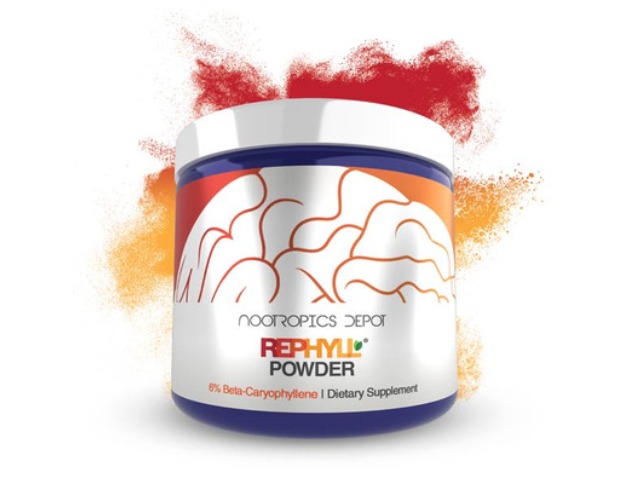
Buy Rephyll Powder | Beta Caryophyllene Benefits by Nootropics Depot
Shop Now →Disclosure: These are affiliate links. I earn a small commission if you purchase — at no extra cost to you. I only recommend products I personally use or have thoroughly researched.
Research & Studies
This section includes 7 peer-reviewed studies referenced in our analysis.