
- Enhanced focus and attention
- Increased alertness and wakefulness
- Improved reaction time
- Physical performance enhancement
- Neuroprotection
- Mood elevation
- Metabolic boost
I used to think more caffeine was always the answer. Feeling sluggish at 2pm? Another espresso. Can’t focus on a deadline? Pop a 200mg caffeine pill on top of my morning coffee. By the time I was averaging 600–700mg a day, I was jittery, sleeping terribly, and — here’s the kicker — less focused than when I started.
It took me an embarrassingly long time to realize that caffeine isn’t just “energy in a pill.” It’s a legitimate psychoactive compound with real pharmacology, a dose-response curve that actually matters, and a tolerance profile that’ll sneak up on you if you’re not paying attention. Once I dialed in my approach — precise doses, strategic timing, proper cycling — the difference was night and day.
Whether you’re new to caffeine supplementation or you’ve been white-knuckling your way through six cups of coffee a day, this guide will help you use the world’s most popular nootropic the right way.
The Short Version: Caffeine anhydrous is pure, dehydrated caffeine in powder or capsule form — chemically identical to the caffeine in coffee but with faster absorption and more precise dosing. It’s the most well-researched cognitive enhancer on the planet, with strong evidence for improving attention, reaction time, alertness, and physical performance. The sweet spot for most people is 100–200mg, ideally paired with L-theanine at a 1:2 ratio. Always use pre-measured capsules — never bulk powder.
What Is Caffeine Anhydrous?
Caffeine anhydrous is simply caffeine with all the water removed. “Anhydrous” comes from the Greek an- (without) and hydor (water). The result is a concentrated, crystalline powder that’s chemically identical to the caffeine molecule you’d find in your morning coffee — 1,3,7-trimethylxanthine — but at roughly 99% purity.
The compound itself has a fascinating origin story. In 1819, German chemist Friedlieb Ferdinand Runge isolated pure caffeine after receiving a bag of coffee beans from none other than Johann Wolfgang von Goethe. Goethe had been so impressed by Runge’s demonstration of belladonna’s pupil-dilating effects that he essentially said, “Here — figure out what makes coffee tick.” Within months, Runge had extracted the molecule he called Kaffein, and the rest is history.
In nature, caffeine shows up in coffee beans, tea leaves, cacao, guarana seeds, kola nuts, and yerba mate. The anhydrous form is produced by extracting caffeine from these sources (or synthesizing it), then purifying, crystallizing, and dehydrating it into a concentrated powder. Most supplement capsules contain this form.
So why would anyone choose a capsule over a cup of coffee? Two reasons: precision and speed. A cup of coffee contains anywhere from 80 to 200mg of caffeine depending on the beans, the brew method, and even the water temperature. An anhydrous capsule delivers an exact dose every time. It also hits your bloodstream faster — peak levels in 20–30 minutes versus 30–60 for coffee — because there are no other compounds slowing absorption.
How Does Caffeine Anhydrous Work?
Here’s the simplest way to think about it: your brain has a built-in “sleepiness timer” that runs on a molecule called adenosine. Throughout the day, adenosine builds up and binds to receptors in your brain, gradually telling your neurons to slow down. By evening, you’ve accumulated enough adenosine that you feel genuinely tired. Caffeine is shaped almost identically to adenosine, so it slides into those same receptors and blocks the signal. The adenosine is still building up — caffeine just prevents your brain from hearing the “time to wind down” message.
That’s the primary mechanism: adenosine receptor antagonism. But the downstream effects are where things get interesting.
When caffeine blocks adenosine A₂A receptors in a brain region called the ventrolateral preoptic area, it reduces inhibitory GABA signaling to the tuberomammillary nucleus. In plain English: it takes the brakes off your brain’s arousal system, letting histamine-driven wakefulness flow freely. This is why caffeine makes you feel alert, not just stimulated — it’s removing a natural suppression signal rather than artificially amping things up.
The ripple effects extend to several other neurotransmitter systems. Adenosine A₂A receptors and dopamine D₂ receptors actually form physical pairs (called heteromers) in the striatum, so blocking adenosine enhances dopamine signaling — which explains caffeine’s effects on motivation and reward. You also get increased norepinephrine release (contributing to alertness and that “ready to go” feeling), disinhibition of acetylcholine neurons (sharper attention and memory), and modest serotonin bumps that may improve mood.
Practically speaking, this means caffeine doesn’t just make you “not sleepy.” It actively enhances multiple cognitive systems at once — attention, motivation, processing speed, and mood. The catch is that these effects follow a dose-response curve with a clear ceiling. More isn’t always better, and past a certain point, you start trading focus for jitteriness.
Pro Tip: The anhydrous form reaches peak plasma concentration in about 20–30 minutes on an empty stomach. If you need it for a specific event — a workout, an exam, a presentation — time your dose accordingly. Taking it with food slows absorption slightly but gives a smoother ride.
Benefits of Caffeine Anhydrous
Let’s be honest: if you need convincing that caffeine works, you probably haven’t had your first cup yet today. But there’s a difference between “I feel more awake” and understanding what the evidence actually supports.
Cognitive Enhancement
This is where the data is rock-solid. A 2025 systematic review and meta-analysis covering 31 trials and 1,455 participants found that caffeine significantly improved both attention accuracy and response speed. Another meta-analysis of 13 randomized controlled trials in sports settings confirmed benefits for attention, accuracy, and self-reported energy and mood.
The effects are most reliable for sustained attention (staying locked in during boring or repetitive tasks), vigilance (detecting important signals over time), reaction time, and executive function during fatigue. If you’ve ever noticed that caffeine helps you more on a sleep-deprived Monday than a well-rested Saturday, the research backs you up — the cognitive benefits are most pronounced when you’re running a deficit.
Neuroprotection
This one comes with a caveat, but it’s still compelling. A dose-response meta-analysis of 33 studies involving nearly 390,000 participants found that regular coffee consumption reduced cognitive disorder risk by 27%, with peak protection at around 2.5 cups per day reducing Alzheimer’s risk by 26%. Multiple large prospective studies show an inverse relationship between caffeine intake and Parkinson’s disease risk.
Reality Check: Most neuroprotection data comes from epidemiological studies on coffee and tea — not caffeine supplements. Coffee contains hundreds of bioactive compounds (chlorogenic acids, polyphenols, diterpenes) that may contribute to these effects independently. Taking caffeine anhydrous might not replicate the full protective profile of whole coffee. The evidence is promising, not conclusive, for isolated caffeine.
Physical Performance
Caffeine is one of the most well-validated ergogenic aids in sports science. At doses of 3–6mg per kilogram of body weight (roughly 200–400mg for most adults), it improves endurance, power output, and anaerobic capacity. A 2025 network meta-analysis found that caffeine combined with taurine provided particularly strong benefits for reaction time and anaerobic performance.
Mood and Alertness
Low-to-moderate doses reliably reduce perceived fatigue, increase subjective alertness, and provide a mild mood boost. The dopaminergic enhancement via A₂A antagonism may even contribute to antidepressant-like effects, though this shouldn’t be confused with treating clinical depression.
How to Take Caffeine Anhydrous
Getting this right matters more than most people realize. The difference between “caffeine changed my life” and “caffeine made me an anxious wreck” usually comes down to dose, timing, and tolerance management.
Dosing
| Goal | Dose | Notes |
|---|---|---|
| Mild alertness and focus | 50–100mg | Great starting point; equivalent to ~1 cup of coffee |
| Standard nootropic dose | 100–200mg | The sweet spot for most people |
| Athletic performance | 3–6mg/kg body weight | Take 30–60 minutes before exercise |
| FDA safe daily ceiling | 400mg/day | For healthy adults; less is usually more |
If you’re new to caffeine supplementation, start at 50–100mg and see how you respond before escalating. If you’re already a heavy coffee drinker, you may need 200mg to notice a difference — but that’s also a sign your tolerance is too high and a reset might serve you better.
Timing
Take your dose in the morning or early afternoon. The half-life is 3–6 hours for most people, meaning if you take 200mg at 2pm, you could still have 100mg circulating at 8pm. Even if you can fall asleep with caffeine in your system, research shows it disrupts sleep architecture — less deep sleep, more nighttime awakenings — even when you don’t notice it.
Insider Tip: Your genetics play a huge role here. The CYP1A2 gene determines how fast your liver clears caffeine. If you’re a “fast metabolizer” (AA genotype), you’ll process it roughly four times faster than a “slow metabolizer” (AC/CC genotype). Slow metabolizers feel caffeine longer, experience more side effects, and face higher cardiovascular risk at the same doses. If caffeine keeps you up at night even when you take it in the morning, or if small doses make you anxious, you may be a slow metabolizer — and that’s worth knowing.
Tolerance and Cycling
Here’s the part nobody in the supplement industry wants to talk about: caffeine tolerance develops within 1–2 weeks of daily use. Your brain literally grows more adenosine receptors to compensate for the blockade, and suddenly your morning dose just makes you feel “normal” instead of sharp.
My recommended approach: Cycle your caffeine. Options include:
- 5 days on, 2 days off (weekday dosing only)
- 3 weeks on, 1 week off
- Full reset: 7–14 days of complete abstinence to restore sensitivity
Withdrawal symptoms — headache, fatigue, irritability, brain fog — typically peak at 24–48 hours and resolve within a week. Gradual tapering (cutting your dose by 25% per week) makes this more manageable.
Forms
Always use pre-measured capsules. This isn’t just a suggestion — it’s a safety imperative. One teaspoon of pure caffeine powder contains approximately 3,200mg, which is equivalent to about 28 cups of coffee and well within the range of lethal toxicity. The FDA considers bulk sales of pure powdered caffeine to consumers unlawful for this exact reason.
Side Effects and Safety
Caffeine is safe for most healthy adults at reasonable doses. But “most widely consumed” doesn’t mean “harmless,” and the anhydrous form demands more respect than a cup of coffee because of how concentrated it is.
Common side effects (dose-dependent): jitteriness, anxiety, insomnia, elevated heart rate and blood pressure, digestive discomfort, acid reflux, and frequent urination. These are almost always manageable by reducing the dose.
Important: The estimated lethal dose of caffeine is 150–200mg/kg — roughly 10–14 grams for a 70kg adult — but fatalities have occurred at lower amounts. Virtually all lethal caffeine intoxications involve powder or tablet forms, not beverages. Never eyeball caffeine powder doses. Never.
Who should avoid caffeine anhydrous:
- People with cardiovascular disease, arrhythmias, or uncontrolled hypertension
- Those with anxiety disorders or panic disorder — caffeine can trigger or worsen episodes
- Anyone with active gastric ulcers or severe GERD
- People on MAOIs, lithium, theophylline, or ephedrine
- Pregnant and nursing women should limit total caffeine to ≤200mg/day from all sources
- Children and adolescents (per AAP recommendations)
Key drug interactions to know: Fluvoxamine and ciprofloxacin both inhibit CYP1A2, dramatically slowing caffeine clearance and increasing toxicity risk. Oral contraceptives can roughly double caffeine’s half-life. If you’re taking any prescription medications, check for interactions — there are 114 documented ones.
Stacking Caffeine Anhydrous
The Gold Standard: Caffeine + L-Theanine
If there’s one nootropic stack that actually lives up to the hype, it’s this one. A 2025 meta-analysis of 50 randomized controlled trials found that combining caffeine with L-theanine improved attention switching accuracy, choice reaction time, and overall mood compared to placebo.
L-theanine — an amino acid found naturally in green tea — promotes alpha brain wave activity and modulates glutamate, producing a calm, focused state without sedation. When paired with caffeine, it smooths out the jitteriness and anxiety while preserving (and even enhancing) the focus and alertness. The result is what many people describe as “flow state in a capsule.”
Recommended ratios:
- Beginners: 100mg caffeine + 200mg L-theanine (1:2 ratio) — maximum smoothness
- Experienced users: 200mg caffeine + 100–200mg L-theanine — more drive, still balanced
Other Effective Combinations
Caffeine + Taurine: A 2025 network meta-analysis showed this combination improved reaction time (effect size g=0.75) and anaerobic capacity more than either alone. Particularly useful for athletic performance.
Caffeine + Creatine Monohydrate: Complementary cognitive support. Caffeine blocks the sleepiness signal; creatine fuels brain energy metabolism at the cellular level. Different mechanisms, additive benefits.
Caffeine + L-Tyrosine: Tyrosine provides the raw material for dopamine and norepinephrine synthesis. Pairing it with caffeine (which enhances dopamine signaling) may extend cognitive benefits, especially under stress or sleep deprivation.
Caffeine + Alpha-GPC: Boosts the cholinergic side of the equation — memory encoding and attention. Preliminary evidence, but the mechanistic rationale is solid.
What NOT to Stack
Avoid combining caffeine with ephedrine, high-dose synephrine, DMAA, or other potent stimulants. The cardiovascular stress is additive and the risk-reward ratio is terrible. Also avoid pairing with MAOIs (major interaction) or using caffeine to mask alcohol intoxication — that’s a recipe for dangerous decision-making.
My Take
Look, caffeine anhydrous isn’t going to win any awards for novelty. It’s not exotic, it’s not cutting-edge, and nobody’s writing breathless Reddit posts about their “caffeine awakening.” But there’s a reason it’s the backbone of nearly every pre-workout, focus supplement, and productivity stack on the market: it works, it’s cheap, and we have more evidence supporting it than virtually any other cognitive enhancer.
What I wish I’d known years ago — before I was deep into six-espresso territory — is that the magic of caffeine is in the restraint. A well-timed 100–150mg dose on a mostly caffeine-free baseline is a completely different experience from grinding through 400mg+ every day just to feel normal. One gives you genuine cognitive enhancement. The other is just avoiding withdrawal symptoms.
If you’re just starting your nootropic journey, my honest recommendation is this: get a bottle of caffeine + L-theanine capsules (100mg/200mg), use them 3–4 days a week, and spend the first month getting your sleep, nutrition, and stress management dialed in. That foundation will amplify everything else you try down the road.
For the veteran caffeine users reading this and realizing you’ve been running on tolerance for months — consider a reset. Two weeks off will be uncomfortable, but the renewed sensitivity on the other side is worth it. Your future 100mg dose will hit like your current 300mg dose, and you’ll wonder why you waited so long.
Caffeine anhydrous is the most proven nootropic we have. The only question is whether you’re using it strategically or just throwing it at fatigue and hoping for the best.
Recommended Caffeine Anhydrous Products
I know how frustrating it is to sort through dozens of brands making the same claims. These are the ones I've personally vetted — because quality is the difference between results and wasted money.
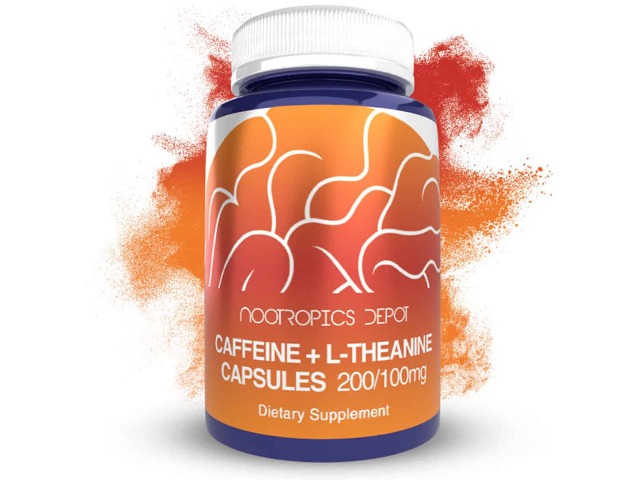
Caffeine + L-theanine by Nootropics Depot
Shop Now →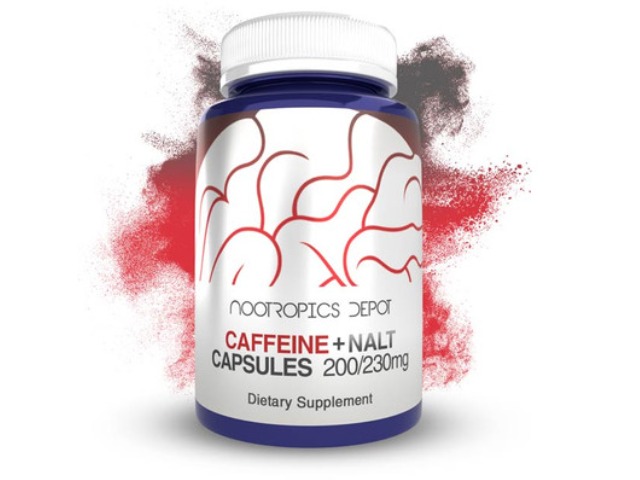
Caffeine + N-Acetyl L-Tyrosine Capsules by Nootropics Depot
Shop Now →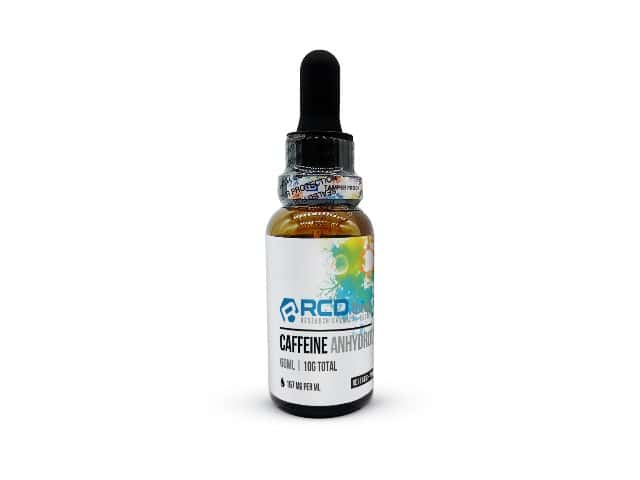
Caffeine Anhydrous Liquid from Research Chemical Depot
Shop Now →Disclosure: These are affiliate links. I earn a small commission if you purchase — at no extra cost to you. I only recommend products I personally use or have thoroughly researched.
Research & Studies
This section includes 3 peer-reviewed studies referenced in our analysis.