

- Calm, sustained focus without jitteriness
- Long-term neuroprotection and brain health
- Stress reduction and mood support
- Enhanced attention and working memory
I used to think coffee was the only way to power through a long workday. Five cups deep by 2 PM, hands shaking, heart racing, rereading the same email for the third time because my brain was simultaneously wired and completely fried.
Then a friend handed me a cup of matcha and said, “Try this instead.” I rolled my eyes. Tea? Seriously? But within an hour, something clicked. I was focused — really focused — without the chest-tightening anxiety I’d accepted as the price of productivity. That was my introduction to the unique neurochemistry of Camellia sinensis, and it fundamentally changed how I think about cognitive enhancement.
The Short Version: Green tea extract contains three compounds that work together in a way no other plant does: EGCG (a powerful brain-protective antioxidant), L-theanine (a calming amino acid), and caffeine. The result is calm, sustained focus — what many users describe as “alert relaxation.” The strongest evidence supports the L-theanine + caffeine combo for acute mental performance, while EGCG provides long-term neuroprotective benefits. Take 250–500mg standardized extract with food, keeping EGCG under 400mg/day.
What Is Camellia sinensis extract?
Camellia sinensis is the plant behind every cup of true tea you’ve ever had — green, black, white, oolong. The difference between them is processing. Green tea extract comes from the unoxidized leaves, which preserves the highest concentration of polyphenols, particularly a group of compounds called catechins.
Humans have been drinking tea for nearly 5,000 years, starting in ancient China where it was used medicinally long before it became a social ritual. There’s a reason it stuck around. The plant produces a combination of bioactive compounds that’s genuinely unique in nature.
Here’s what matters for your brain:
- EGCG (epigallocatechin gallate) — the star catechin, making up 50–65% of total catechins. This is where the antioxidant and neuroprotective heavy lifting happens.
- L-Theanine — an amino acid found almost exclusively in tea. It’s the reason green tea feels different from coffee.
- Caffeine — present at lower levels than coffee (~30–50mg per cup vs. 80–100mg), providing a gentler stimulant effect.
A quality standardized extract will list 95% polyphenols, 75% catechins, and 45–50% EGCG on the label. If you see those numbers, you’re looking at a serious product. If the label is vague about percentages, keep shopping.
Reality Check: Green tea extract isn’t going to turn you into a superhuman. It’s a subtle, foundational nootropic — the kind that makes everything else work better over time. If you’re sleeping five hours a night and eating garbage, no amount of EGCG is going to fix your brain fog. Fix the foundations first.
How Does Camellia sinensis extract Work?
Think of green tea extract as a three-instrument ensemble, where each player covers a different part of the cognitive spectrum.
EGCG is the long game. It crosses the blood-brain barrier and gets to work protecting your neurons from oxidative stress and inflammation — the kind of slow, invisible damage that accumulates over decades and eventually shows up as cognitive decline. EGCG scavenges reactive oxygen species, downregulates pro-inflammatory signaling through NF-κB, and activates your body’s own antioxidant defense system (the Nrf2 pathway). It also stimulates the ERK/CREB/BDNF signaling cascade — in plain English, it tells your brain to build and maintain more neural connections.
Research published in the International Journal of Molecular Sciences has shown that EGCG enhances long-term potentiation (LTP) in the hippocampus, the brain region most critical for learning and memory. LTP is essentially your brain strengthening the connections between neurons that fire together — it’s the cellular mechanism behind “practice makes perfect.”
L-Theanine is the right-now calm. It stimulates alpha brainwave activity — those 8–14 Hz frequencies associated with the relaxed-but-alert state you get during meditation or flow. It modulates GABA receptors for a calming effect without sedation, and it lowers cortisol, your body’s primary stress hormone. This is why green tea feels so fundamentally different from coffee — the L-theanine is literally changing your brainwave pattern while the caffeine keeps you alert.
Caffeine is the spark plug. It blocks adenosine receptors (the “I’m sleepy” signal) and promotes dopamine and norepinephrine release. But here’s the magic: when paired with L-theanine, caffeine’s stimulant edge gets smoothed out. You get the alertness without the anxiety. The focus without the jitters. Researchers call this combination “alert calm,” and it’s one of the most well-documented nootropic synergies in existence.
There’s also emerging research on EGCG’s role in the gut-brain axis. A 2025 study in Nutrients found that EGCG modulates gut microbiota composition in ways that influence mood-related neurotransmitter production — serotonin and dopamine — through the HPA axis. We’re still in the early chapters of this story, but it’s a fascinating connection between your tea habit and your mental health.
Benefits of Camellia sinensis extract
What the Evidence Actually Shows
Attention and focus — strong evidence. The L-theanine + caffeine combination is one of the most robust nootropic findings in the literature. A 2025 systematic review and meta-analysis in Nutrition Reviews confirmed beneficial effects on sustained attention, reaction time, and task switching. This isn’t speculative — it’s been replicated across multiple double-blind, placebo-controlled trials.
Reduced cognitive decline risk — strong observational evidence. Multiple large-scale epidemiological studies show that regular green tea drinkers (2–3 cups per day over several years) have a 30–40% lower risk of developing cognitive impairment. These are observational studies — they can’t prove causation — but the consistency across different populations is compelling.
Relaxation without drowsiness — strong evidence. Human EEG studies consistently show that L-theanine increases alpha-wave activity and subjective calmness. This effect has been replicated numerous times. It’s real, it’s measurable, and it’s noticeable.
Memory and working memory — moderate evidence. A study on subjects with mild cognitive impairment found that a combination of green tea extract and L-theanine improved memory and attention scores. The evidence is positive but not as deep as the attention data. The effects seem most pronounced in people who already have some cognitive challenges.
Mood support — moderate evidence. Self-report measures consistently show reduced stress and improved calmness from green tea components. Animal studies show EGCG restoring serotonin and dopamine levels in depression models, with efficacy comparable to escitalopram in some research published in Frontiers in Pharmacology. However, a systematic review of human RCTs found no statistically significant effect on BDNF levels in humans, despite improvements in mood symptoms. The mood benefits are real but more subtle than some supplement companies suggest.
Neuroprotection — moderate-to-preliminary evidence. There’s extensive preclinical evidence that EGCG protects dopaminergic neurons and reduces neuroinflammation. A small pilot study (n=29) found that EGCG at 9mg/kg/day for 3 months significantly improved episodic memory in adults with Down syndrome. Promising, but we need larger and longer human trials.
Insider Tip: Most of the acute cognitive benefits you’ll feel from green tea extract come from the L-theanine + caffeine combo, not the EGCG. EGCG’s benefits are more about long-term brain health — think of it as retirement savings for your neurons. You won’t notice it day-to-day, but your 70-year-old self will thank you.
How to Take Camellia sinensis extract
Dosage
| Form | Daily Dose | EGCG Content |
|---|---|---|
| Standardized extract | 250–500mg | ~100–250mg EGCG |
| EGCG-specific supplement | 200–400mg EGCG | Direct |
| Brewed green tea | 2–4 cups | ~40–80mg EGCG per cup |
| Matcha powder | 1–2 tsp | ~100–220mg EGCG per cup |
Start at the lower end — 250mg extract or 2 cups of tea daily — for the first two weeks. If you tolerate it well, you can gradually increase. The European Food Safety Authority flagged 800mg EGCG/day as the threshold where liver issues start appearing, so I recommend keeping EGCG intake under 400mg/day from supplements to maintain a comfortable safety margin.
Timing
Take green tea extract with food — this is non-negotiable. Taking it on an empty stomach significantly increases both GI distress and the (small) risk of liver stress. Morning or early afternoon works best, especially if you’re sensitive to caffeine.
One important detail most guides skip: separate your green tea from iron-rich meals or iron supplements by at least one hour. The tannins in green tea bind to iron and reduce absorption. If you’re managing iron levels, this matters.
Forms and Bioavailability
Matcha beats brewed green tea, which beats bottled tea. With matcha, you’re consuming the entire leaf — you get 2–3x the EGCG of a standard brewed cup. For supplements, look for products that include piperine (black pepper extract) to enhance EGCG absorption.
Here’s a counterintuitive finding: taking EGCG on an empty stomach increases absorption and toxicity risk. More isn’t better here. Take it with food and accept slightly lower absorption in exchange for a much better safety profile.
Pro Tip: If you want the full cognitive package from green tea extract, you’ll probably need to supplement L-theanine separately. A standard 500mg green tea extract capsule provides only about 20–30mg of L-theanine — well below the 100–200mg dose used in most cognitive studies. Pair your extract with a standalone 200mg L-theanine supplement for the complete nootropic effect.
Cycling
Green tea extract doesn’t require strict cycling. There’s no evidence that you develop tolerance to EGCG or L-theanine. The caffeine component is minimal in most extracts (~15–20mg per 500mg capsule), but if you’re stacking it with other caffeine sources, some users prefer 5 days on / 2 days off to keep caffeine sensitivity fresh.
Side Effects and Safety
The Common Stuff
Nausea and stomach upset are the most frequent complaints — almost always from taking it on an empty stomach. Headache from the caffeine component is possible but uncommon given the low caffeine content. Sleep disruption can happen if you take it too late in the day.
The Serious Stuff
Liver toxicity is the real risk to respect here. The EFSA’s scientific opinion documented that doses of 800mg EGCG/day or higher from supplements cause statistically significant increases in liver enzymes. Over 100 cases of green tea extract-related liver injury are in the medical literature. Women appear disproportionately affected (74% of serious cases), and the reactions can be idiosyncratic — meaning they can happen even at moderate doses in susceptible individuals.
Important context: brewed green tea has never been associated with liver damage, even at high consumption levels. The risk comes from concentrated supplement forms, particularly when taken while fasting.
Important: If you have any history of liver problems or elevated liver enzymes, do not take concentrated green tea extract supplements. Stick to brewed tea. If you’re taking supplements, get your liver enzymes checked periodically — especially during the first few months.
Who Should Avoid This
- People with liver disease or elevated liver enzymes
- Those with iron deficiency anemia (it blocks iron absorption)
- People taking warfarin — green tea contains vitamin K, which directly counteracts this blood thinner
- Anyone on nadolol (a beta blocker) — green tea can reduce its blood-pressure-lowering effects
- Cancer patients on bortezomib — EGCG directly inactivates this drug. This is a critical, potentially life-threatening interaction.
Regarding pregnancy: moderate brewed tea (1–2 cups daily) is generally considered acceptable, but concentrated supplements should be avoided due to interference with folic acid absorption. For nursing mothers, about 1% of caffeine transfers to breast milk — limit to 2–3 cups of brewed tea and skip the concentrated supplements.
Stacking Camellia sinensis extract
The Classic: L-Theanine + Caffeine
This is the most well-researched nootropic stack in existence. Green tea contains both compounds naturally, but not in optimal ratios for cognitive enhancement. To get the full benefit:
- If you’re caffeine-sensitive: 100mg caffeine + 200mg L-theanine (2:1 theanine-to-caffeine)
- If you’re a regular caffeine user: 200mg caffeine + 100–200mg L-theanine
The L-theanine smooths out caffeine’s rough edges — you get sustained attention and working memory enhancement without the jitteriness, anxiety, or crash.
Brain Health Stack
Pair green tea extract with Lion’s Mane for a powerful neuroprotective combination. Both promote BDNF and neurogenesis but through completely different mechanisms — Lion’s Mane via nerve growth factor stimulation, EGCG via the ERK/CREB pathway. They’re complementary, not redundant.
Memory Support Stack
Combine with Bacopa monnieri for memory-specific benefits. Bacopa has stronger direct evidence for long-term memory formation (via bacosides), while green tea extract covers attention, focus, and antioxidant protection. Both require consistent daily use over weeks to show their full effects — they’re marathon compounds, not sprinters.
Absorption Enhancers
Adding piperine from black pepper extract (6mg) significantly improves EGCG bioavailability. Vitamin C may also help stabilize catechins in the gut, though this evidence is more preliminary.
What Not to Stack
Avoid combining concentrated green tea extract with other high-caffeine sources if you’re sensitive to stimulants. Don’t take it alongside iron supplements — separate by at least an hour. And if you’re on warfarin or bortezomib, this is a hard no without physician guidance.
My Take
Green tea extract is one of those rare nootropics that I recommend to almost everyone — with caveats.
For daily cognitive enhancement, I actually prefer drinking matcha or high-quality brewed green tea over taking capsules. You get the full spectrum of compounds in their natural ratios, the ritual of preparation is grounding in itself, and you completely sidestep the liver toxicity concerns associated with concentrated supplements. My morning matcha has been a non-negotiable part of my routine for years now, and the “calm focus” effect is something I genuinely notice when I skip it.
If you’re going the supplement route — maybe you hate the taste of green tea, or you want a more precise dose — stick to a standardized extract at 250–500mg daily, always with food, and add a standalone 200mg L-theanine supplement to get the full nootropic synergy. Keep your EGCG intake under 400mg/day. Get your liver enzymes checked if you’re planning to supplement long-term.
Here’s who I think benefits most: people who are caffeine-sensitive but still want cognitive enhancement, anyone playing the long game on brain health, and people dealing with stress-related cognitive fog. The L-theanine component is genuinely remarkable for anxiety-prone individuals — it’s one of the few compounds that reliably reduces anxiety without making you drowsy or dulling your thinking.
Who should look elsewhere? If you want an immediate, dramatic cognitive boost, green tea extract will disappoint you. It’s subtle. The acute effects are pleasant but mild, and the neuroprotective benefits are an investment in your future self. If you need something with more obvious acute impact, look at Alpha-GPC or the racetam family.
Bottom line: Camellia sinensis extract is the quiet workhorse of nootropics. It’s safe at reasonable doses, well-researched, genuinely effective for calm focus, and offers real long-term neuroprotective value. Five thousand years of human use and thousands of modern studies can’t all be wrong. Start with a cup of quality green tea tomorrow morning and see how your brain feels by lunchtime.
Recommended Green Tea Extract Products
I know how frustrating it is to sort through dozens of brands making the same claims. These are the ones I've personally vetted — because quality is the difference between results and wasted money.
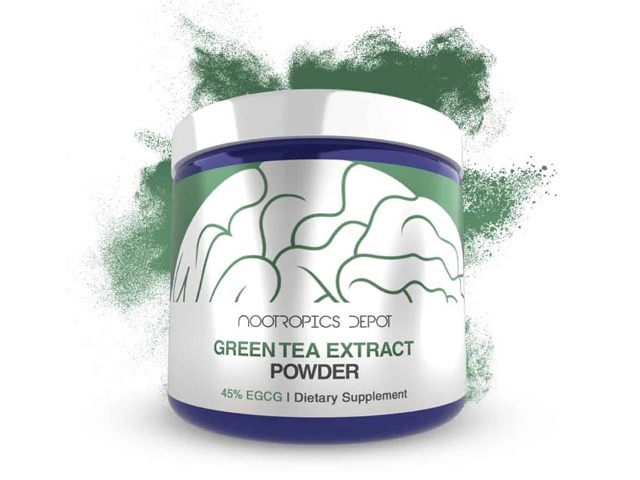
Green Tea Extract by Nootropics Depot
Shop Now →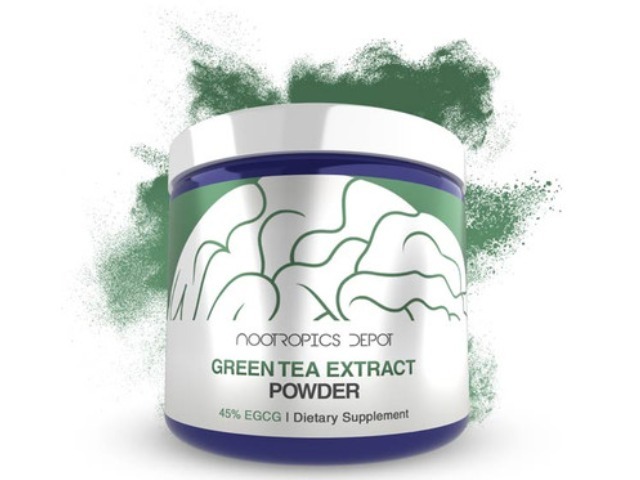
Green Tea Extract Powder | 45% Egcg | Camellia Sinensis by Nootropics Depot
Shop Now →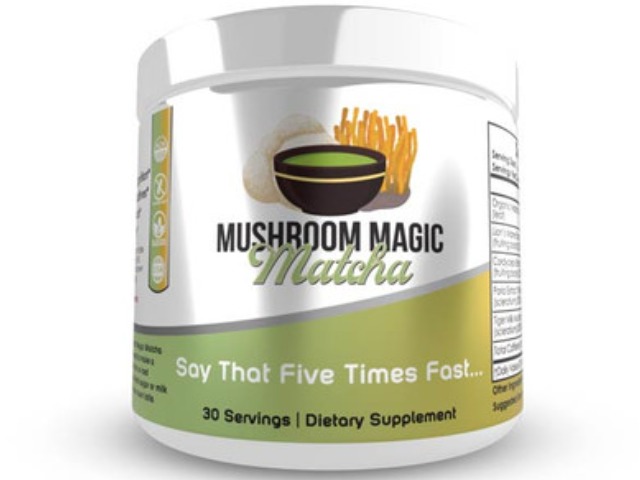
Mushroom Magic Matcha Powder Blend by Nootropics Depot
Shop Now →Disclosure: These are affiliate links. I earn a small commission if you purchase — at no extra cost to you. I only recommend products I personally use or have thoroughly researched.