
- Powerful antioxidant protection for brain and body
- Supports heavy metal detoxification
- Enhances immune function and NK cell activity
- May improve mood and reduce depressive symptoms
- Improves lipid profile and cardiovascular markers
- Supports liver health and reduces inflammation
- Provides dense nutritional foundation for cognitive function
I used to think “superfoods” were mostly marketing hype — a way to charge $40 for a bag of green powder that tasted like a freshly mowed lawn. Then I actually dug into the research on Chlorella. Hundreds of studies. Human clinical trials. Measurable changes in antioxidant status, immune markers, and even depression scores.
It humbled me. This tiny single-celled alga — smaller than a red blood cell — packs more nutritional density per gram than almost anything else you can swallow. It’s not going to give you the “limitless” focus of a racetam or the razor-sharp alertness of modafinil. But as a foundational supplement for long-term brain health? The evidence is surprisingly strong.
The Short Version: Chlorella vulgaris is a freshwater microalga that’s roughly 50–60% complete protein, loaded with chlorophyll, B-vitamins, and a unique growth factor (CGF) rich in nucleic acids. Multiple human RCTs support benefits for antioxidant protection, immune function, lipid profiles, liver health, and mood. It works best as a daily foundational supplement rather than an acute cognitive enhancer — think of it as premium nutrition for your brain’s long game.
What Is Chlorella vulgaris?
Chlorella vulgaris is a spherical, single-celled green freshwater microalga about 2–10 micrometers in diameter. It was first identified by Dutch microbiologist Martinus Willem Beijerinck back in 1890, making it one of the first microalgae ever formally described by science.
After World War II, researchers got excited about Chlorella as a potential solution to global food shortages — and for good reason. This microscopic organism is roughly 50–60% protein by dry weight, contains all essential amino acids, and packs more chlorophyll per gram than any known plant. It’s also rich in iron, zinc, magnesium, B-vitamins, omega-3 fatty acids, and a compound you won’t find anywhere else: Chlorella Growth Factor (CGF), a water-soluble extract loaded with nucleic acids (RNA and DNA), peptides, and polysaccharides.
Japan became ground zero for Chlorella cultivation, where it’s been a staple dietary supplement for decades. Today it’s one of the most commercially cultivated microalgae on the planet. You’ll find two main species in supplements — C. vulgaris (most common, easier to grow) and C. pyrenoidosa (harder cell wall, potentially higher CGF content). Fun fact: the taxon C. pyrenoidosa has actually been reclassified, and many strains sold under that name are likely vulgaris varieties. Don’t let the label confuse you.
Here’s the thing most supplement sites won’t tell you: Chlorella’s tough cellulose cell wall means your body can’t access the nutrients inside unless the wall has been cracked mechanically or through fermentation. If you buy whole-cell Chlorella, you’re essentially paying for expensive green confetti that passes right through you. Always look for “broken cell wall” on the label.
How Does Chlorella vulgaris Work?
Think of Chlorella less like a targeted drug and more like a comprehensive support system for your brain’s infrastructure. It doesn’t flip one switch — it reinforces the entire electrical grid.
Antioxidant Armor
Your brain burns through roughly 20% of your body’s oxygen, which means it generates a disproportionate amount of oxidative stress. Chlorella fights this on multiple fronts. Its chlorophyll, carotenoids (including lutein), and polyphenols act as direct free radical scavengers. But the really interesting part is what happens downstream.
A double-blind, placebo-controlled trial published in Nutrition gave 52 male smokers 6.3g of Chlorella daily for six weeks. The results: plasma vitamin C increased 44.4%, alpha-tocopherol (vitamin E) jumped 15.7%, and two critical antioxidant enzymes — catalase and superoxide dismutase — showed significant increases in activity. A second trial in smokers confirmed these findings and added a significant reduction in malondialdehyde, a key marker of lipid peroxidation.
In plain English: Chlorella doesn’t just bring its own antioxidants to the party — it turns up your body’s internal antioxidant production. That’s a fundamentally different (and more powerful) mechanism than just popping a vitamin C tablet.
BDNF and Neuroplasticity
Here’s where it gets interesting for the nootropic crowd. A 2024 study found that Chlorella, combined with ethanolamine plasmalogen, accelerated BDNF–TrkB–CREB signaling in the hippocampus of rats. BDNF (Brain-Derived Neurotrophic Factor) is essentially fertilizer for your neurons — it drives the formation of new neural connections and strengthens existing ones. This is the same pathway that Lion’s Mane targets, and it’s central to learning, memory, and mood regulation.
Taming Neuroinflammation
A fascinating 2025 study showed that extracellular vesicles derived from Chlorella — tiny membrane-bound packages the alga naturally produces — could modulate astrocyte behavior in the brain when delivered intranasally. Specifically, they reduced the release of neurotoxic complement C3, suppressing neuroinflammation in the hippocampus. This is early research, but it hints at mechanisms beyond simple nutrition.
Stress Response
Chlorella also appears to modulate the HPA axis — your body’s central stress response system. Pretreatment with C. vulgaris significantly reduced stress-related activation of the hypothalamic–pituitary–adrenal axis, measured by decreased expression of corticotrophin-releasing factor (CRF). Less CRF means a calmer baseline stress response.
Reality Check: Most of Chlorella’s brain-specific mechanisms have been demonstrated in animal models, not human cognitive trials. The human evidence is strongest for antioxidant status, immune function, and metabolic health. The nootropic case is real but indirect — Chlorella builds the foundation your brain needs to perform, rather than directly boosting cognition like piracetam or noopept.
Benefits of Chlorella vulgaris
Strong Evidence (Human RCTs)
Antioxidant Protection. Multiple randomized controlled trials consistently show that Chlorella supplementation at 3.6–6.3g/day significantly increases plasma levels of vitamins C and E, boosts antioxidant enzyme activity, and reduces markers of oxidative damage. This is some of the most robust evidence in the entire Chlorella literature.
Lipid Profile Improvement. A 2022 systematic review and meta-analysis pooling 10 RCTs (539 participants) found that Chlorella significantly reduced total cholesterol by 7.47 mg/dL and LDL cholesterol by 7.71 mg/dL. Interestingly, optimal LDL reduction occurred at doses up to 1,500 mg/day — higher doses didn’t add extra benefit.
Immune Enhancement. An 8-week RCT showed that 5g/day of Chlorella significantly increased natural killer (NK) cell activity and boosted Th1 cytokines (IFN-γ, IL-1β, IL-12) in healthy adults. Your NK cells are your immune system’s first responders against infections and abnormal cells. This is meaningful, measurable immune support.
Liver Health. An RCT of 70 patients with non-alcoholic fatty liver disease (NAFLD) found that just 1,200 mg/day of C. vulgaris for 8 weeks significantly improved liver enzymes, fasting blood glucose, and inflammatory markers including hs-CRP and TNF-α.
Moderate Evidence (Smaller Human Trials)
Depression and Anxiety. A pilot RCT of 92 patients with major depressive disorder found that 1,800 mg/day of Chlorella vulgaris extract for 6 weeks, added to standard antidepressants, significantly improved both physical and cognitive depression symptoms (BDI-II) and anxiety (HADS) compared to antidepressants alone. It was well tolerated. The limitation: it was open-label and hasn’t been replicated yet. But for an adjunctive natural therapy, those are promising numbers.
Heavy Metal Detoxification. Chlorella’s cell wall contains functional groups — carboxyl, hydroxyl, sulfate, amine — that bind heavy metals through biosorption. A human study found that 90 days of Chlorella plus Fucus extract supplementation significantly reduced mercury, tin, and lead levels in patients with dental amalgam fillings. Animal studies show consistent results for lead chelation.
Preliminary Evidence (Animal Studies)
Chlorella-enriched diets prevented cognitive decline in SAMP8 dementia model mice. A 2025 rat study showed Chlorella attenuated lead-induced memory impairment and oxidative stress. A Chlorella plus Lion’s Mane complex improved depression-like behavior in aged mice. Promising leads, but we need human data to confirm.
How to Take Chlorella vulgaris
Dosage ranges:
- Starting dose: 1–2g/day for the first week (your gut needs time to adjust)
- General supplementation: 2–5g/day
- Therapeutic/clinical doses: 5–10g/day (this is what most RCTs used)
- Depression support: 1,800 mg/day was effective in the MDD trial
- Immune support: 5,000 mg/day
- Lipid improvement: Up to 1,500 mg/day showed optimal LDL reduction
Timing: Take with meals — this enhances absorption of fat-soluble nutrients and reduces GI complaints. Split your dose across 2–3 meals rather than taking it all at once. Some people notice mild energizing effects, so morning and midday dosing tends to work better than evening.
Forms matter — a lot:
- Broken cell wall tablets or powder: The gold standard. The cellulose wall must be mechanically cracked for your body to access the nutrients. This is non-negotiable.
- Fermented Chlorella: Cell wall broken via fermentation, which may preserve more heat-sensitive vitamins.
- Whole cell (intact wall): Don’t waste your money. Bioavailability is poor.
- CGF liquid extract: Concentrated nucleic acids and peptides without the bulk. Good for targeted supplementation.
- Powder vs. tablets: Powder is cheaper and more versatile (smoothies, juice) but the taste is aggressively green. Tablets are convenient and pre-dosed.
Insider Tip: Start at the low end and increase gradually over 7–10 days. Nearly everyone who complains about Chlorella side effects made the same mistake I did — they went straight to a full 5g dose on day one. Your gut microbiome needs time to adapt to this much chlorophyll and fiber. Be patient.
Cycling: There’s no established need to cycle Chlorella. In Japan, people take it daily for years without breaks. Some practitioners suggest occasional rest days (5 on / 2 off), but that’s tradition, not science. Take it consistently — that’s what the research supports.
Side Effects and Safety
Common (first 1–2 weeks): Bloating, gas, diarrhea, nausea, and stomach cramps. These typically resolve as your body adjusts. Green stools are completely normal — that’s the chlorophyll doing its thing, not a cause for concern.
Less common: Increased sun sensitivity (photosensitivity) from high chlorophyll content. If you burn easily, be aware.
Rare but serious: Allergic reactions, including asthma and anaphylaxis, have been reported — particularly in people with mold allergies. If you’re mold-sensitive, start with a tiny dose and monitor closely.
Important: Chlorella is HIGH in vitamin K, which promotes blood clotting. If you take warfarin (Coumadin) or other anticoagulants, Chlorella can directly antagonize your medication and push your INR to sub-therapeutic levels. This is a documented, serious interaction — case reports exist. Talk to your doctor before even considering it. Similarly, because Chlorella stimulates immune function, it may counteract immunosuppressant medications like cyclosporine. And if you have hemochromatosis or iron overload, Chlorella’s bioavailable iron content is a concern.
Pregnancy and nursing: Japanese research found that maternal Chlorella supplementation actually decreased dioxin levels and increased IgA concentrations in breast milk. The LactMed database considers it generally safe. However — and this is critical — product purity matters enormously. Contaminated Chlorella could expose mother and child to heavy metals. Only use rigorously tested brands during pregnancy.
Stacking Chlorella vulgaris
The Classic Pairing: Chlorella + Spirulina
This is the peanut butter and jelly of the algae world, and for good reason. Spirulina brings higher protein content, GLA (an anti-inflammatory omega-6), and phycocyanin — a potent blue pigment with strong anti-inflammatory properties. Chlorella contributes more chlorophyll, omega-3s, CGF, and detoxification capacity. Together, they cover a broader nutritional and functional spectrum than either alone. Typical stack: 2–3g of each daily.
Mood and Neuroplasticity Stack
Chlorella (2–5g) + Lion’s Mane (500–1000mg). A 2022 study found this combination improved depression-like behavior in aged mice at medium-to-high doses. The logic is sound — Chlorella provides foundational antioxidant protection and BDNF support while Lion’s Mane directly stimulates NGF and BDNF through erinacines and hericenones. They hit neuroplasticity from different angles.
Detox and Antioxidant Stack
Chlorella (3–5g) + NAC (600–1200mg). Both support glutathione production and detoxification pathways. NAC is the rate-limiting precursor to glutathione, while Chlorella provides the broader antioxidant and chelation matrix. Add Vitamin C for enhanced synergy — Chlorella already raises plasma vitamin C, and supplemental C further amplifies the antioxidant cascade.
What to Avoid
Don’t combine Chlorella with warfarin or other vitamin K-sensitive anticoagulants. Don’t stack it with immunosuppressant drugs. And if you’re already supplementing high-dose iron, be mindful of Chlorella’s additional iron contribution — especially if you have any history of iron overload.
My Take
I’ll be honest — Chlorella wasn’t on my radar for years. I was too busy chasing the flashy nootropics, the ones that promised immediate, tangible cognitive enhancement. Chlorella seemed… boring. A green powder your health-food-store aunt takes.
I was wrong.
After incorporating broken cell wall Chlorella into my daily routine at around 3–5g/day for several months, the changes were subtle but undeniable. Better energy baseline. Fewer of those random afternoon crashes. My bloodwork improved — particularly inflammatory markers and lipid numbers. And during a period when I was dealing with some environmental toxin exposure, my functional medicine practitioner specifically recommended increasing my Chlorella dose for its chelation properties.
Here’s who I think Chlorella is best for: Anyone building a long-term brain health protocol who wants a nutritionally dense foundation supplement. People dealing with environmental toxin exposure or living in urban areas. Anyone looking for gentle, evidence-based immune support. And especially people already taking targeted nootropics who want to make sure the basics are covered — because the fanciest stack in the world won’t work if your body is depleted of essential nutrients and drowning in oxidative stress.
Who should probably look elsewhere: If you want acute cognitive enhancement you can feel within hours, Chlorella isn’t your compound. Try modafinil, a racetam, or even L-theanine with caffeine for that kind of immediacy.
The one thing I wish I’d known earlier: form matters more than dose. A cheap, whole-cell Chlorella supplement at 10g/day will do less for you than a quality broken cell wall product at 3g/day. Spend the extra money on a reputable brand that tests for heavy metals and uses closed-system cultivation. Sun Chlorella (Japan) and Algomed (Germany, glass tube bioreactors) are solid choices.
Chlorella isn’t sexy. It’s not going to make you feel like Bradley Cooper in Limitless. But it might be the single most nutritionally complete thing you can add to your daily routine — and your brain, your immune system, and your liver will thank you for it.
Recommended Chlorella Products
I know how frustrating it is to sort through dozens of brands making the same claims. These are the ones I've personally vetted — because quality is the difference between results and wasted money.
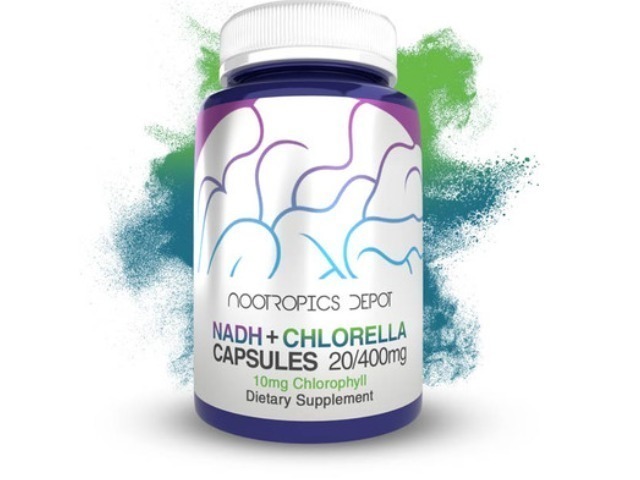
Disclosure: These are affiliate links. I earn a small commission if you purchase — at no extra cost to you. I only recommend products I personally use or have thoroughly researched.
Research & Studies
This section includes 4 peer-reviewed studies referenced in our analysis.