
- Telomerase activation and telomere lengthening
- Neuroprotection and cognitive support
- Immune system modulation
- Anti-inflammatory effects
- Cellular longevity and mitochondrial support
I’ll be honest — when I first heard about a supplement that could “reverse aging at the cellular level,” my BS detector went off immediately. I’d been burned too many times by miracle-pill marketing to take that kind of claim at face value.
But cycloastragenol kept showing up. Not in flashy Instagram ads — in actual peer-reviewed research on telomere biology. And when I dug into the science, I found something genuinely rare in the supplement world: a compound with a plausible, well-studied mechanism that doesn’t require you to suspend your critical thinking to appreciate.
That doesn’t mean it’s a fountain of youth in a capsule. It means the story is more interesting — and more nuanced — than the hype suggests.
The Short Version: Cycloastragenol (CAG) is a natural compound from Astragalus root that activates telomerase, the enzyme responsible for maintaining telomere length — a key biomarker of cellular aging. Research suggests it may support cognitive longevity, immune function, and neuroprotection. It’s best suited for people focused on long-term brain health rather than anyone looking for an immediate cognitive boost. Below, I break down what the science actually shows, how to use it, and whether it’s worth the investment.
What Is Cycloastragenol?
Cycloastragenol is a triterpenoid saponin — a type of plant-derived compound — extracted from the root of Astragalus membranaceus, one of the most widely used herbs in traditional Chinese medicine. Astragalus has been used for centuries to support vitality and immune function, but cycloastragenol is where modern science gets really interesting.
CAG is actually a metabolite of astragaloside IV, another well-known compound from Astragalus. When you take astragaloside IV, your body partially converts it into cycloastragenol through hydrolysis. But here’s the thing — CAG is significantly more bioavailable on its own, which is why it’s become the focus of telomere research rather than its parent compound.
The compound gained mainstream attention largely through TA-65, a branded cycloastragenol extract that was the subject of several clinical studies starting around 2011. That research, combined with the broader explosion of interest in telomere biology after Elizabeth Blackburn won the Nobel Prize in 2009 for discovering telomerase, put CAG on the map for the longevity and nootropics communities.
People use cycloastragenol primarily for anti-aging and cellular health — but the neuroprotective angle is what caught my attention. If your brain cells are aging more slowly and maintaining their structural integrity better, the downstream cognitive benefits could be substantial. This isn’t a “feel it in 30 minutes” nootropic. It’s a long game investment in the hardware your brain runs on.
How Does Cycloastragenol Work?
Think of your chromosomes like shoelaces. At the tip of each one, there’s a protective cap called a telomere — like the little plastic aglet that keeps the lace from fraying. Every time a cell divides, those caps get a tiny bit shorter. When they get too short, the cell either stops dividing or dies. That’s cellular aging in a nutshell.
Telomerase is the enzyme that rebuilds those caps. Most adult cells have very low telomerase activity, which is why telomeres shorten over time. Cycloastragenol activates telomerase — specifically by upregulating the expression of the hTERT gene, which codes for the catalytic subunit of telomerase. A 2011 study published in Rejuvenation Research demonstrated that TA-65 (cycloastragenol) increased telomerase activity and produced measurably longer telomeres in immune cells of human subjects over a 12-month period.
But the story doesn’t stop at telomeres. CAG also appears to work through several other pathways relevant to brain health:
-
Anti-inflammatory activity: CAG inhibits NF-κB signaling, one of the master switches for inflammatory cascades in the body and brain. Chronic neuroinflammation is increasingly recognized as a driver of cognitive decline. A 2014 study in Molecular Medicine Reports showed CAG significantly reduced inflammatory markers in cell culture models.
-
Antioxidant defense: CAG upregulates endogenous antioxidant enzymes like superoxide dismutase (SOD) and glutathione peroxidase. Rather than acting as a direct antioxidant itself, it helps your body’s own defense systems work better — which is a more sustainable approach than flooding your system with exogenous antioxidants.
-
Neuroprotection: Animal studies have demonstrated that CAG protects neurons against oxidative stress-induced damage. A 2015 study in Neuroscience Letters found that cycloastragenol protected hippocampal neurons from glutamate-induced excitotoxicity — the kind of damage associated with neurodegenerative conditions.
-
Mitochondrial support: Emerging evidence suggests CAG may improve mitochondrial function and reduce mitochondrial DNA damage, which directly impacts cellular energy production — including in energy-hungry brain cells.
In plain English: cycloastragenol works by helping your cells maintain themselves better. It’s not giving your brain a temporary boost — it’s supporting the biological infrastructure that keeps your brain functioning well over decades. Think of it less like a performance-enhancing drug and more like high-quality maintenance for your cellular machinery.
Benefits of Cycloastragenol
Let me be upfront about something: most of the human clinical data on cycloastragenol comes from studies on the branded TA-65 extract, and several of those were funded by the company that makes it. That doesn’t invalidate the research, but it’s context you should have. The mechanistic data from independent labs is solid. The large-scale, independent human trials are still catching up.
Telomere Lengthening and Cellular Longevity
This is the headline benefit, and the evidence here is the strongest. The 2011 Rejuvenation Research study by Harley et al. followed 114 subjects taking TA-65 for up to 12 months and observed significant increases in median telomere length in immune cells, along with reductions in the percentage of critically short telomeres. A follow-up study in 2016 confirmed these findings and noted improvements in metabolic markers as well.
Immune System Modulation
Multiple studies have shown that CAG’s telomerase activation appears most pronounced in immune cells. The practical result? Research subjects showed improvements in immune cell profiles, including a remodeling of the immune system toward a “younger” distribution of T-cell populations. For cognitive health, this matters because immune dysfunction and chronic low-grade inflammation are increasingly linked to neurodegeneration.
Neuroprotection
The animal and in vitro data here is promising. CAG has demonstrated protective effects against beta-amyloid toxicity in cell models, reduced neuronal death from oxidative stress, and improved markers of brain health in aged animal models. A 2017 study in Neurochemical Research showed CAG protected cortical neurons through activation of the Nrf2/ARE antioxidant pathway.
Reality Check: Most of the neuroprotective evidence for cycloastragenol comes from animal studies and cell culture experiments. We don’t yet have large human clinical trials specifically measuring cognitive outcomes from CAG supplementation. The telomere data in humans is real, and the mechanistic reasoning for cognitive benefits is sound — but we’re connecting dots, not reading a finished map.
Anti-Inflammatory Effects
CAG’s inhibition of NF-κB and reduction of pro-inflammatory cytokines like TNF-α and IL-6 have been demonstrated across multiple studies. Given that neuroinflammation is now considered a major contributor to brain fog, cognitive decline, and mood disorders, this is a meaningful benefit — even if we’re still waiting for dedicated human cognitive trials.
How to Take Cycloastragenol
Dosage
Clinical studies have used varying doses, but the practical range for supplementation is:
- Starting dose: 5–10mg daily
- Maintenance dose: 10–25mg daily
- Upper range in studies: Up to 25mg daily (TA-65 clinical studies)
Start at the lower end and stay there for at least 4–6 weeks before considering an increase. This isn’t a compound where more equals better — telomerase activation appears to follow a dose-response curve that plateaus, and the cellular changes you’re targeting happen slowly.
Timing
Take cycloastragenol in the morning with food. The fat content in a meal improves absorption of this lipophilic compound. Some users report vivid dreams at higher doses, so morning dosing can help avoid sleep disruption.
Forms
- Pure cycloastragenol: The most direct form. Look for products that specify the actual CAG content in milligrams, not just “Astragalus extract.”
- TA-65: The branded extract used in clinical studies. More expensive, but it’s the form with the most research behind it.
- Astragaloside IV: The parent compound converts partially to CAG, but bioavailability is lower. If you’re specifically targeting telomerase activation, CAG itself is the more efficient route. That said, astragaloside IV has its own benefits worth exploring.
Cycling
There’s no consensus on cycling CAG. Some practitioners recommend 5 days on, 2 days off, or cycling monthly. Others suggest continuous use based on the 12-month clinical study protocols. My approach: use it consistently for 3–6 months, then reassess. Telomere-related benefits are cumulative and slow-building — on-off cycling may undercut the whole point.
Insider Tip: Don’t cheap out on sourcing here. Cycloastragenol is expensive to extract properly, and the supplement market is full of underdosed or mislabeled Astragalus products. If the price seems too good to be true for a CAG product, you’re probably getting generic astragalus extract with trace amounts of the active compound. Look for third-party testing and specific CAG content on the label.
Side Effects and Safety
Cycloastragenol has a generally favorable safety profile based on available data. The TA-65 clinical studies reported no serious adverse events over 12 months of use.
Commonly reported side effects (mild, dose-dependent):
- GI discomfort, particularly when taken on an empty stomach
- Headache, usually during the first week
- Vivid or unusual dreams at higher doses
- Mild fatigue during initial adaptation (some users report this resolving within 1–2 weeks)
Who should be cautious or avoid CAG:
-
People with active or history of cancer: This is the big one. Telomerase activation is a double-edged sword — cancer cells also use telomerase to achieve immortality. While there’s no evidence that CAG promotes cancer in healthy individuals, and some research actually suggests anti-tumor properties, the theoretical concern is real enough that anyone with an active malignancy or significant cancer risk factors should discuss this with their oncologist before using any telomerase activator.
-
Pregnant or nursing women: Insufficient safety data. Avoid it.
-
People on immunosuppressive medication: CAG’s immune-modulating effects could potentially interfere with immunosuppressive therapy. Consult your doctor.
-
Children and adolescents: No safety data in these populations. Telomerase activity is naturally higher in younger people — there’s no reason to supplement.
Important: The telomerase-cancer connection is the most significant safety consideration with cycloastragenol. While current research hasn’t shown a cancer-promoting effect — and some animal studies suggest potential anti-cancer properties — the theoretical concern exists. If you have a personal or strong family history of cancer, talk to your healthcare provider before starting CAG.
Drug Interactions
No significant drug interactions have been definitively established, but CAG may theoretically interact with:
- Immunosuppressants (due to immune modulation)
- Anticoagulants (Astragalus compounds may have mild blood-thinning properties)
- Chemotherapy agents
Stacking Cycloastragenol
CAG works best as part of a longevity-focused stack rather than a stimulant-style nootropic stack. Here’s what pairs well and why:
The Cellular Longevity Stack:
- Cycloastragenol (10–25mg) — telomerase activation
- Nicotinamide Riboside (250–300mg) or NMN (250–500mg) — NAD+ precursors that support mitochondrial function and cellular repair through complementary pathways
- Resveratrol (250–500mg) — sirtuin activation, which works synergistically with NAD+ boosters and supports the same cellular maintenance pathways as CAG
This combination targets three different but overlapping aspects of cellular aging: telomere maintenance, mitochondrial energy production, and epigenetic regulation.
The Neuroprotective Stack:
- Cycloastragenol (10–25mg) — long-term neuronal protection
- Lion’s Mane (500–1000mg) — nerve growth factor stimulation for neuroplasticity
- CoQ10 (100–200mg as ubiquinol) — mitochondrial support, particularly useful since brain cells are among the most energy-demanding in the body
What to avoid combining: There are no known dangerous combinations with CAG, but stacking it with other telomerase activators (like high-dose astragaloside IV) is probably redundant rather than synergistic. You’re hitting the same target from different angles but likely reaching the same activation ceiling.
My Take
I’ll level with you — cycloastragenol is one of the more intellectually compelling supplements I’ve researched, but it requires a different mindset than most nootropics.
If you’re looking for something that sharpens your focus by Thursday, this isn’t it. CAG is playing a fundamentally different game. It’s an investment in the biological infrastructure that keeps your brain functional at 60, 70, 80 — not a tool for crushing your to-do list this week.
In my experience, the people who get the most out of cycloastragenol are those who already have their foundations dialed in — good sleep, clean diet, regular exercise, managed stress — and are now asking “what else can I do to protect my cognitive function long-term?” If that’s you, CAG is one of the few compounds with a genuinely novel mechanism of action and meaningful clinical data to back it up.
The main barrier is cost. Quality cycloastragenol isn’t cheap, and you need to commit to months of consistent use before expecting any measurable changes. If that fits your budget and your philosophy, I think it’s one of the more scientifically interesting additions to a longevity-focused stack.
If you’re earlier in your nootropics journey and still optimizing the basics, I’d suggest starting with Bacopa Monnieri for memory, Lion’s Mane for neuroplasticity, or magnesium L-threonate for foundational brain mineral status. Get those dialed in first. CAG will still be here when you’re ready for the long game.
Recommended Cycloastragenol Products
I know how frustrating it is to sort through dozens of brands making the same claims. These are the ones I've personally vetted — because quality is the difference between results and wasted money.
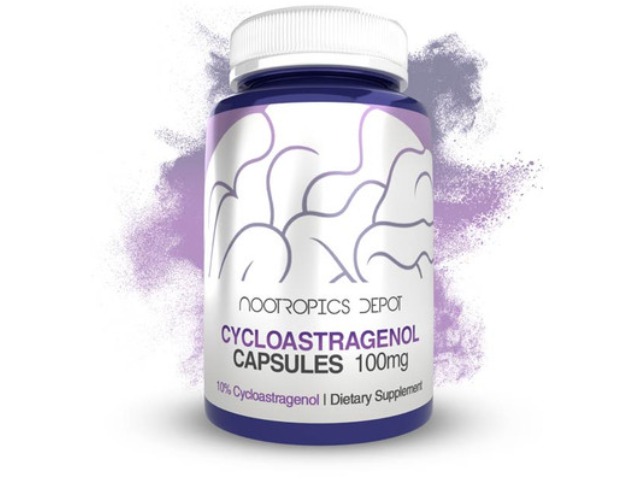
Disclosure: These are affiliate links. I earn a small commission if you purchase — at no extra cost to you. I only recommend products I personally use or have thoroughly researched.
Research & Studies
This section includes 5 peer-reviewed studies referenced in our analysis.