
- Focus & Attention
- Neuroprotection
- Anti-inflammatory support
I’ll be honest — I was skeptical when resveratrol first hit the mainstream wellness scene. A compound from red wine that supposedly makes you live longer and think clearer? It sounded like the kind of thing your yoga instructor would mention between downward dogs, not something with serious clinical backing.
Then I actually read the research. And tried it myself for three months. And realized I’d been too quick to dismiss it.
If you’ve ever wondered whether resveratrol is legit or just expensive grape juice in a capsule, this guide will give you the honest breakdown.
The Short Version: Resveratrol is a polyphenol antioxidant that crosses the blood-brain barrier and supports cognitive function through reduced inflammation, enhanced antioxidant defenses, and improved neural plasticity. Typical doses range from 100-500mg daily with food. The research shows moderate evidence for focus and attention benefits, but this is a long game — expect 8-12 weeks before noticing effects.
What Is Resveratrol? (The Compound That Put Red Wine on the Map)
Resveratrol is a natural polyphenol produced by certain plants as a defense mechanism against stress, injury, and fungal infection. It’s found in the skin of grapes (especially red varieties), berries, peanuts, and Japanese knotweed (Polygonum cuspidatum) — which is actually the most common supplement source because it’s ridiculously high in resveratrol content.
The compound gained mainstream attention in the 1990s when researchers started investigating the “French Paradox” — the observation that French people had lower rates of heart disease despite diets rich in saturated fats. Red wine consumption was a key factor, and resveratrol became the golden child molecule everyone wanted to isolate and study.
Here’s the thing though: you’d need to drink somewhere between 100-1,000 bottles of red wine daily to get the resveratrol doses used in clinical studies. So unless you’re trying to speedrun liver failure, supplementation is the practical route.
People use resveratrol primarily for longevity support, cardiovascular health, and cognitive function. In the nootropics world, it’s valued for neuroprotection — the kind of long-term brain maintenance that doesn’t give you an instant buzz but might keep your brain working better as you age.
Reality Check: Resveratrol isn’t a magic anti-aging pill, and it won’t give you limitless focus by Friday. It’s a foundational compound that works best when you’re already handling the basics — sleep, nutrition, stress management, and movement. If those aren’t dialed in, you’re building on sand.
How Does Resveratrol Work? (Four Pathways to Better Brain Function)
Let me translate the science into something actually useful. Resveratrol works through four main mechanisms in the brain, and they all complement each other beautifully.
First: It shuts down neuroinflammation. Your brain has an immune system, and when it’s chronically overactive, it damages the very neurons it’s supposed to protect. Resveratrol inhibits the NF-kappaB signaling pathway — think of it as the master switch for inflammatory responses. When you dial that down, you reduce production of pro-inflammatory cytokines and calm down overactive microglia (the brain’s immune cells). Studies show measurable reductions in inflammatory markers in brain tissue after resveratrol treatment.
In plain English: it helps your brain stop attacking itself. If you’ve got brain fog that feels like static in your head, chronic inflammation might be a root cause.
Second: It supercharges your antioxidant defenses. Resveratrol doesn’t just scavenge free radicals directly (though it does that too). More importantly, it activates cellular defense pathways — AMPK, SIRT1, and Nrf2 — that increase production of your body’s own antioxidant enzymes like superoxide dismutase (SOD), catalase, and glutathione. It’s like teaching your cells to make their own bodyguards instead of just hiring temporary security.
This matters because oxidative stress — the accumulation of reactive oxygen and nitrogen species — is a primary driver of cognitive decline and neurodegeneration. Resveratrol creates a more robust, sustainable defense system.
Third: It boosts serotonin production. Resveratrol upregulates tryptophan hydroxylase, the rate-limiting enzyme in serotonin synthesis. More enzyme activity means more serotonin production in key brain regions. A 2013 study in Pharmacology Biochemistry and Behavior found that resveratrol treatment significantly increased brain serotonin concentrations in mice, with corresponding antidepressant-like effects in behavioral tests.
Translation: it doesn’t just protect your brain — it can also improve mood regulation and stress resilience by enhancing serotonergic neurotransmission.
Fourth: It enhances synaptic plasticity. This is where things get really interesting. Resveratrol increases dendritic spine density and length in the prefrontal cortex and hippocampus — the physical structures that allow neurons to communicate. It also upregulates brain-derived neurotrophic factor (BDNF), the protein essential for learning, memory, and neuronal survival.
Think of BDNF as Miracle-Gro for your brain. Higher BDNF means better neuroplasticity — your brain’s ability to form new connections, adapt, and learn. This is the mechanism most directly tied to cognitive enhancement.
Pro Tip: Resveratrol’s effects on BDNF are amplified by exercise. If you’re supplementing with resveratrol but sitting at a desk 12 hours a day, you’re leaving major gains on the table. Even 20-30 minutes of moderate cardio 3-4 times per week makes a measurable difference.
Benefits of Resveratrol (What the Research Actually Shows)
Let’s be honest about what the evidence supports and what’s still speculative.
Focus and Attention: Moderate Evidence
Multiple human trials show improvements in attention and processing speed with chronic resveratrol supplementation. A 2015 study in the British Journal of Nutrition by Wightman et al. examined healthy young adults taking 500mg of trans-resveratrol daily for 28 days. Results showed improved cerebral blood flow during cognitive tasks and enhanced performance on attention-based tests compared to placebo.
A 2018 meta-analysis in Nutrition Reviews by Marx et al. pooled data from multiple randomized controlled trials and found modest but consistent improvements in cognitive performance measures, particularly in processing speed and executive function domains.
The effect sizes aren’t enormous — we’re talking 5-15% improvements in cognitive testing scores — but they’re statistically significant and reproducible. This isn’t Modafinil-level focus enhancement. It’s subtler, more foundational.
Neuroprotection and Longevity: Strong Preclinical Evidence, Promising Human Data
Here’s where resveratrol really shines in animal studies. Research in mice and rats shows impressive neuroprotective effects against age-related cognitive decline, reduced amyloid plaque formation (relevant to Alzheimer’s pathology), and even lifespan extension in some models.
Human longevity data is obviously harder to come by (we’d need decades-long trials), but a 2021 study in Nutrients by Evans et al. followed postmenopausal women taking 75mg of resveratrol twice daily for 24 months. The resveratrol group showed better preservation of cognitive function, improved cerebrovascular responsiveness, and favorable changes in cardiovascular markers compared to placebo.
Translation: the long-term brain maintenance benefits look real, but you need patience. This is a compound you take for what your brain will look like in 10-20 years, not for what it feels like next week.
Mood and Stress Resilience: Preliminary but Intriguing
A 2013 study by Wang et al. in Pharmacology Biochemistry and Behavior found antidepressant-like activity in animal models, mediated through increased serotonin, modulation of the HPA axis (your stress response system), and upregulation of BDNF expression.
Human mood data is less robust, but anecdotal reports and small trials suggest benefits for stress resilience and mood stability, particularly in perimenopausal and postmenopausal women. If you’re dealing with hormone-related mood swings or chronic stress, resveratrol might be worth exploring alongside foundational interventions like Magnesium L-Threonate and adaptogenic herbs like Rhodiola Rosea.
Reality Check: The mood benefits are not comparable to SSRIs or even 5-HTP. If you’re dealing with clinical depression, this is a supportive compound at best — not a standalone solution.
How to Take Resveratrol (Without Wasting Your Money)
Dosing resveratrol is where a lot of people mess up. Let me break down the practical details.
| Use Case | Dosage | Timing | Notes |
|---|---|---|---|
| General neuroprotection | 100-200mg | Once daily with food | Start here for most people |
| Cognitive enhancement | 300-500mg | Once daily with fat-containing meal | Clinical trial doses |
| Therapeutic/longevity focus | 500mg+ | Split into 2 doses with meals | Monitor for GI tolerance |
Form matters. Trans-resveratrol is the bioactive form — make sure your supplement specifies this, not just “resveratrol complex” or “red wine extract.” Micronized formulations or resveratrol paired with piperine (black pepper extract) improve absorption significantly.
Timing and bioavailability. Take resveratrol with a fat-containing meal. It’s fat-soluble, so absorption is dramatically improved when consumed with dietary fats. Morning or early afternoon is ideal — there’s some evidence it may interfere with sleep if taken late in the day, though this varies individually.
Cycling. You don’t need to cycle resveratrol. This is a compound that builds effects over time through upregulation of protective pathways. Consistency matters more than cycling strategies.
Starting protocol: Start with 100-150mg daily for the first week to assess tolerance. If no digestive issues, increase to 300-500mg. Give it a full 8-12 weeks before deciding whether it’s working. This is not a compound you “feel” on day one.
Insider Tip: Pair resveratrol with Quercetin — another polyphenol that works synergistically to enhance antioxidant and anti-inflammatory effects. Many high-quality formulas combine the two for this reason.
Side Effects & Safety (What Could Go Wrong)
Resveratrol is remarkably well-tolerated in most people, even at doses up to 1,000mg daily. But here’s what to watch for.
Common side effects (rare, typically dose-dependent):
- Mild digestive upset — nausea, stomach discomfort, diarrhea. Usually resolves by taking with food or reducing dose.
- Headache in some users, particularly at higher doses (500mg+)
Who should avoid resveratrol:
- People with hormone-sensitive conditions (breast cancer, endometriosis) — resveratrol has weak estrogenic activity and may theoretically affect estrogen metabolism. Evidence is mixed, but caution is warranted.
- Those with bleeding disorders or upcoming surgery — resveratrol has antiplatelet effects and may increase bleeding risk.
Drug interactions (this is important):
| Medication/Substance | Interaction Type | Risk Level | Notes |
|---|---|---|---|
| Blood thinners (warfarin, aspirin, clopidogrel) | Antiplatelet/anticoagulant potentiation | High | May increase bleeding risk; consult physician before combining |
| NSAIDs (ibuprofen, naproxen) | Additive antiplatelet effects | Moderate | Monitor for unusual bruising or bleeding |
| Immunosuppressants (cyclosporine, tacrolimus) | Potential efficacy reduction | Moderate | Resveratrol may counteract immunosuppressive effects |
| Cytochrome P450 substrates | Enzyme inhibition | Low-Moderate | May alter metabolism of certain drugs; spacing doses may help |
Pregnancy and nursing: Insufficient safety data. Avoid supplementation during pregnancy and breastfeeding unless under medical supervision.
Important: If you’re on blood thinners or have a bleeding disorder, do NOT start resveratrol without talking to your doctor first. The antiplatelet effects are real and can be significant at higher doses.
Stacking Resveratrol (The Combinations That Actually Work)
Resveratrol pairs beautifully with other polyphenols, antioxidants, and neuroprotective compounds. Here are goal-specific stacks.
For Long-Term Neuroprotection & Anti-Aging:
- 300mg trans-resveratrol + 500mg Quercetin + 500mg Nicotinamide Riboside — morning with breakfast
- This stack targets overlapping longevity pathways (sirtuins, NAD+ metabolism, cellular defense systems)
- Give it 12+ weeks to assess. This is foundation-building, not a quick fix.
For Cognitive Enhancement & Focus:
- 300mg resveratrol + 300mg Alpha-GPC + 200mg L-Theanine + 100mg caffeine — morning or early afternoon
- Resveratrol provides the neuroprotective base, Alpha-GPC boosts acetylcholine for memory and focus, L-Theanine + caffeine smooth out energy and attention
- This is my preferred stack for deep work sessions that require sustained focus without overstimulation
For Mood & Stress Resilience:
- 300mg resveratrol + 400mg Rhodiola Rosea + 300mg Magnesium L-Threonate — morning resveratrol/rhodiola, evening magnesium
- Addresses stress resilience through multiple mechanisms: HPA axis modulation, serotonin support, and magnesium’s calming effects on the nervous system
What to AVOID combining:
- Don’t stack resveratrol with high-dose Curcumin if you’re on blood thinners — both have antiplatelet effects and the combination significantly increases bleeding risk
- Be cautious combining with other potent antioxidants in excessive doses (e.g., megadoses of vitamin C, E, CoQ10). There’s some theoretical concern that excessive antioxidant supplementation might blunt beneficial adaptive responses to exercise-induced oxidative stress. Moderation wins.
Synergy table for quick reference:
| Stack Component | Mechanism Synergy | Best Use Case |
|---|---|---|
| Quercetin | Polyphenol synergy, enhanced antioxidant defense | Longevity, inflammation reduction |
| Nicotinamide Riboside | NAD+ boosting + sirtuin activation | Anti-aging, cellular energy |
| Alpha-GPC | Neuroprotection + cholinergic support | Focus, memory, learning |
| Rhodiola Rosea | Adaptogenic + serotonergic support | Stress resilience, mood |
| Magnesium L-Threonate | NMDA receptor modulation + neuroprotection | Sleep, cognitive function |
My Take (Is Resveratrol Worth It?)
After three years of on-and-off experimentation with resveratrol, here’s my honest assessment: it’s one of the better foundational neuroprotective compounds you can take, but it’s not flashy, and it’s not fast.
If you’re looking for immediate, noticeable cognitive enhancement — the kind of thing you feel within an hour — resveratrol isn’t it. Try Caffeine + L-Theanine or Phenylpiracetam for that.
But if you’re playing the long game — building a brain that stays sharp into your 60s, 70s, and beyond — resveratrol is one of the most evidence-backed compounds you can add to your stack. The research on neuroinflammation reduction, BDNF upregulation, and synaptic plasticity enhancement is compelling, and the safety profile is excellent.
Who should try resveratrol:
- People over 40 focused on cognitive longevity and neuroprotection
- Anyone dealing with chronic inflammation (brain fog, sluggish cognition, inflammatory conditions)
- Those looking for mood support through serotonergic mechanisms, especially if hormone-related
- Individuals already handling the fundamentals (sleep, diet, stress) and ready to optimize further
Who should probably try something else:
- If you need acute cognitive enhancement NOW, go with Modafinil, Alpha-GPC, or racetams like Aniracetam
- If you have hormone-sensitive conditions or are on blood thinners without medical clearance, skip it
- If you’re not willing to commit to 8-12 weeks of consistent use, don’t bother — you won’t notice anything
I keep resveratrol in my daily stack at 300mg with breakfast. I don’t “feel” it the way I feel caffeine or Rhodiola. But I’ve noticed over the long haul that my baseline cognitive resilience is better — less brain fog after poor sleep, faster recovery from stress, more consistent focus day-to-day.
It’s not magic. It’s maintenance. And if you’re serious about keeping your brain working well as you age, maintenance is everything.
Recommended Resveratrol Products
I know how frustrating it is to sort through dozens of brands making the same claims. These are the ones I've personally vetted — because quality is the difference between results and wasted money.
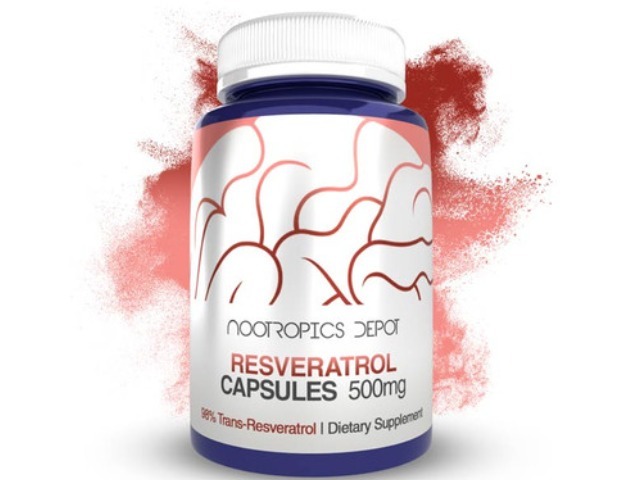
Disclosure: These are affiliate links. I earn a small commission if you purchase — at no extra cost to you. I only recommend products I personally use or have thoroughly researched.
Research & Studies
This section includes 13 peer-reviewed studies referenced in our analysis.
Treatment of endometriosis.
Sternum-splitting incision for radical nephrectomy.
[Fluoride content of drinking water in Hungary].
Preface.
Inhibition of metastatic renal cell carcinomas expressing somatostatin receptors by a targeted cytotoxic analogue of somatostatin AN-238.
Herbal extracts and phytochemicals: plant secondary metabolites and the enhancement of human brain function.
Antidepressant-like activity of resveratrol treatment in the forced swim test and tail suspension test in mice: the HPA axis, BDNF expression and phosphorylation of ERK.
Supplemental substances derived from foods as adjunctive therapeutic agents for treatment of neurodegenerative diseases and disorders.
The effects of chronic trans-resveratrol supplementation on aspects of cognitive function, mood, sleep, health and cerebral blood flow in healthy, young humans.
Effect of resveratrol supplementation on cognitive performance and mood in adults: a systematic literature review and meta-analysis of randomized controlled trials.
Showing 10 of 13 studies. View all →