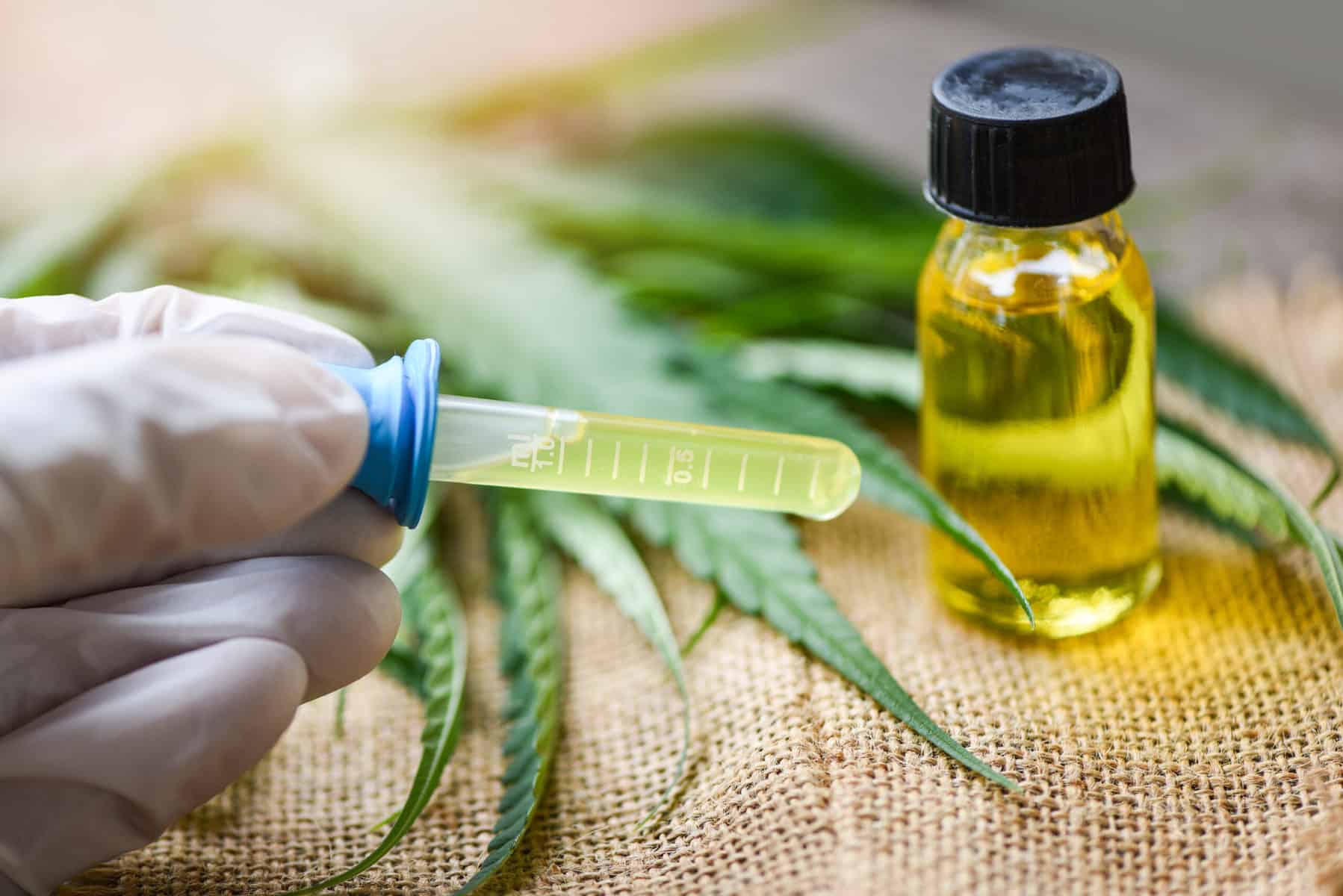

- May reduce nausea and vomiting
- Milder psychoactive effects than Delta-9-THC
- May support relaxation and stress relief
- May stimulate appetite
- May provide pain relief
I’ll be honest — when Delta-8-THC first blew up around 2020, I dismissed it as a legal loophole gimmick. “Diet weed” sold at gas stations? Hard pass. But after digging into the actual pharmacology and watching the first real clinical trial data come out of Johns Hopkins in 2025, I’ve had to update my thinking. This is a real cannabinoid with real effects — and real risks that most sellers don’t want to talk about.
The tricky part? The science is still catching up to the market by about five years. And the quality control situation is genuinely alarming. So let’s cut through the hype and the fear-mongering and look at what we actually know.
The Short Version: Delta-8-THC is a minor cannabinoid that’s roughly half as potent as regular THC (Delta-9), producing milder euphoria, relaxation, and less anxiety and paranoia. Nearly all commercial Delta-8 is made by chemically converting hemp-derived CBD. The evidence base is thin but growing, product quality varies wildly, and rigorous third-party testing is non-negotiable if you choose to use it.
What Is Delta-8-Tetrahydrocannabinol?
Delta-8-THC is a naturally occurring cannabinoid found in trace amounts — less than 1% — in the cannabis plant. It’s a close cousin of Delta-9-THC, the compound most people mean when they say “THC.” The only structural difference is the position of a single chemical bond: on the 8th carbon chain instead of the 9th. That tiny shift changes things more than you’d expect.
The compound was first identified in the 1940s by Roger Adams, one of the grandfathers of cannabinoid research, and later fully synthesized by Raphael Mechoulam in 1965 — the same scientist who discovered THC itself. Mechoulam went on to publish a landmark study in 1995 showing Delta-8 completely prevented vomiting in pediatric cancer patients undergoing chemotherapy. He even patented the process for converting CBD into Delta-8.
Here’s what actually fueled the Delta-8 explosion, though: the 2018 Farm Bill. It defined “hemp” as cannabis containing less than 0.3% Delta-9-THC — and said nothing about Delta-8. When CBD prices collapsed from roughly $25,000 per kilo to around $500, manufacturers realized they could convert cheap CBD into Delta-8-THC and sell it legally in most states. Almost overnight, a compound that had been a scientific curiosity for decades became a billion-dollar market.
That means virtually every Delta-8 product you’ll find is semi-synthetic — made through acid-catalyzed isomerization of CBD, not extracted from the plant naturally. That distinction matters for quality and safety reasons I’ll get into below.
How Does Delta-8-THC Work?
Think of your endocannabinoid system like a dimmer switch for your nervous system. Your body makes its own cannabinoids (endocannabinoids) that dial various signals up or down — pain, mood, appetite, inflammation, sleep. Delta-8-THC works by plugging into that same system, but it turns the dial more gently than its stronger cousin.
Specifically, Delta-8 acts as a partial agonist at CB1 receptors — the primary cannabinoid receptors in your brain and central nervous system. “Partial agonist” means it activates those receptors, but not all the way. Compared to Delta-9-THC, it has roughly 3 to 6 times lower binding affinity at human CB1 receptors, according to a comprehensive pharmacology review by Tagen and Klumpers published in the British Journal of Pharmacology in 2022. It also inhibits cAMP accumulation about 6 times less potently. That reduced binding is the core reason the effects are milder.
One interesting wrinkle: unlike Delta-9 (which preferentially binds CB1), Delta-8 appears to be non-selective between CB1 and CB2 receptors. CB2 receptors are concentrated in immune tissues, which could have implications for anti-inflammatory effects — though this is still poorly understood.
When you take Delta-8 orally, your liver enzymes (CYP2C9 and CYP3A4) convert it into 11-hydroxy-Delta-8-THC, its primary active metabolite. The 2025 Johns Hopkins trial found something notable: this metabolite shows up in much lower concentrations than the equivalent Delta-9 metabolite. That may partly explain why the subjective experience feels gentler.
The bottom line? Same system, same type of key, but it doesn’t turn the lock as far. Most people end up with about half the intensity of Delta-9 at equivalent doses.
Benefits of Delta-8-THC
Let me be upfront about the evidence here — it’s thin. There’s no mountain of double-blind, placebo-controlled trials to point to. But what does exist is worth knowing about.
Anti-Nausea Effects
This is the strongest clinical evidence for Delta-8. Mechoulam’s 1995 study gave Delta-8-THC (18 mg/m² body surface area) to 8 children aged 3-13 undergoing chemotherapy for blood cancers. Over 480 total treatments, vomiting was completely prevented with negligible side effects. That’s a remarkable result, even from a small sample. The children tolerated it far better than Delta-9-THC, which tends to cause more pronounced psychoactive effects in pediatric patients.
Milder Psychoactive Profile
The 2025 Johns Hopkins cross-over trial — the first controlled human dose-response study in over 50 years — confirmed what users had been reporting anecdotally: 20mg of oral Delta-8 produced significantly weaker effects than 20mg of Delta-9. Less intoxication, less heart rate elevation, less cognitive impairment. At 40mg, Delta-8 effects were roughly comparable to 20mg of Delta-9. This makes it potentially useful for people who find regular THC too intense.
Self-Reported Benefits
A consumer survey by Kruger and Kruger (2021) published in Cannabis and Cannabinoid Research found that 51% of Delta-8 users were using it to treat health conditions. The most commonly reported benefits were relaxation (71%), euphoria (68%), and pain relief (55%). Top self-reported uses included anxiety (69%), stress (52%), depression (46%), and chronic pain (41%).
Appetite Stimulation
A 2004 animal study by Avraham et al. found that very low doses of Delta-8-THC (0.001 mg/kg) significantly increased food consumption in mice — even more than Delta-9-THC — without the typical cannabinoid side effects. This hasn’t been replicated in humans.
Reality Check: Most Delta-8 benefit claims come from user surveys and animal studies, not rigorous clinical trials. The antiemetic data is compelling but limited to one study. If someone tells you Delta-8 is “clinically proven” to treat anxiety, pain, or depression — they’re ahead of the science. It may help. The evidence just isn’t there yet to make strong claims.
How to Take Delta-8-THC
Dosage
| Experience Level | Oral Dose | What to Expect |
|---|---|---|
| Beginner | 5–10 mg | Mild relaxation, subtle mood lift |
| Intermediate | 10–25 mg | Noticeable euphoria, body relaxation |
| Experienced | 25–50 mg | Strong effects; 40 mg ≈ 20 mg Delta-9-THC |
Start at the low end. Always. Delta-8 edibles take 45 minutes to 2 hours to kick in, and I’ve seen too many people double their dose at the 30-minute mark because they “don’t feel anything” — then spend the next four hours on the couch regretting that decision.
Forms and Timing
Edibles and gummies are the most popular form (used by 64% of consumers). Onset takes 45 minutes to 2 hours, peak effects hit at 2-4 hours, and the whole experience lasts 6-8 hours. Your liver converts Delta-8 into 11-hydroxy-Delta-8-THC during first-pass metabolism, which crosses the blood-brain barrier more efficiently. Translation: edibles hit differently — often stronger and longer — than inhaled forms.
Vaping offers faster onset (5-10 minutes) but shorter duration (2-4 hours). Roughly 2.5mg per puff, though this varies wildly between products. If you go this route, product quality matters even more — you’re putting vaporized chemicals directly into your lungs.
Tinctures (sublingual) split the difference: 15-45 minute onset, 4-6 hour duration, and more precise dosing via the dropper.
Pro Tip: Effects are noticeably stronger on an empty stomach. Most users prefer evening or nighttime dosing due to the sedative lean. If you’re using Delta-8 regularly, periodic breaks of 2-7 days help prevent tolerance buildup.
A Note on Drug Testing
This is critical: Delta-8-THC will cause you to fail a standard drug test. Immunoassay tests cannot distinguish Delta-8 metabolites from Delta-9 metabolites. If your job, parole, or any other obligation involves drug testing, Delta-8 is not a workaround. Period.
Side Effects and Safety
Common Side Effects
Dry mouth, red eyes, increased appetite, drowsiness, and mild euphoria are par for the course. Most users also experience some increase in heart rate, though less than with Delta-9-THC.
The Serious Stuff
An analysis of FDA adverse event reports (104 cases from December 2020 to February 2022) found that 55% required medical intervention or hospitalization. Reported events included hallucinations, confusion, loss of consciousness, seizures, and respiratory distress — particularly from vaping products. Psychiatric adverse events were also the most common category in a study analyzing Reddit user reports (41.2% of adverse reports).
Important: Pregnant or nursing individuals should avoid Delta-8 entirely — cannabinoids cross the placental barrier and there is zero safety data for fetal exposure. People with a history of psychosis, schizophrenia, serious cardiovascular conditions, or substance use disorders should also steer clear.
Drug Interactions
Because Delta-8 is metabolized by CYP3A4 and CYP2C9, it can interact with a long list of pharmaceuticals that use the same enzymatic pathways. Be especially cautious with SSRIs and SNRIs (increased sedation risk), benzodiazepines and other sedatives (additive CNS depression), blood thinners like warfarin (altered drug levels), and blood pressure medications. Alcohol amplifies impairment significantly. If you take any prescription medication, talk to your doctor before using Delta-8.
Stacking Delta-8-THC
Synergistic Combinations
CBD is the most popular pairing, and it makes pharmacological sense. CBD modulates CB1 receptor activity and may temper Delta-8’s psychoactive effects while enhancing therapeutic benefits through CB2 receptor engagement. A 1:1 or 2:1 CBD-to-Delta-8 ratio is a common starting point for people who want relaxation without heavy intoxication.
CBN at low doses (2-5mg) enhances the sedative qualities — a good combination for sleep-focused use.
L-Theanine may smooth out any anxious edges, based on its general calming mechanism through GABA and alpha brain wave modulation. This is speculative but commonly reported by users.
Magnesium — particularly magnesium glycinate — complements the muscle relaxation and calming effects.
Terpenes also matter. Myrcene enhances sedation, linalool adds anxiolytic properties, and pinene may help preserve mental clarity for daytime use.
What to Avoid
Don’t combine Delta-8 with alcohol (amplified impairment and nausea), benzodiazepines (excessive sedation), MAOIs, or high doses of Delta-9-THC. The whole point of choosing Delta-8 is the milder experience — stacking it with stronger psychoactives defeats the purpose and increases risk.
Insider Tip: The “entourage effect” — the idea that cannabinoids and terpenes work better together than in isolation — is a reasonable hypothesis but not established science. Full-spectrum products may offer advantages, but don’t pay a premium for claims that can’t yet be backed up.
The Product Quality Problem You Can’t Ignore
I wouldn’t normally dedicate a section to sourcing, but with Delta-8 this is genuinely a safety issue.
Independent testing has found that only 32% of Delta-8 products contained the advertised amount of Delta-8-THC — with actual content varying by 10% to over 100% from the label. Even worse, 53% of tested products exceeded the legal 0.3% Delta-9-THC limit, with some containing up to 15.2%. A 2021 study found that none of 27 tested vape pens were labeled accurately, and 11 contained unlabeled contaminants.
Because nearly all Delta-8 is made through chemical conversion of CBD, the synthesis process can leave behind residual solvents, heavy metals, and unknown byproducts if not properly purified.
Non-negotiable requirements: Only buy from companies that provide batch-specific, third-party Certificates of Analysis (COAs) testing for cannabinoid potency, residual solvents, heavy metals, pesticides, and microbial contamination. If a company can’t or won’t show you current lab results from an independent lab, walk away. Avoid products with packaging designed to look like candy brands, vague ingredient lists, or claims of “natural” Delta-8 (commercially unfeasible at current concentrations).
My Take
I’ve gone back and forth on Delta-8 more than almost any other compound I’ve covered. On one hand, the pharmacology is legitimate, the 2025 Hopkins data is encouraging, and the 1995 antiemetic study is genuinely impressive. For people who find Delta-9-THC too intense — too much anxiety, too much paranoia, too much couch-lock — Delta-8 offers a meaningfully different experience. The survey data backs this up, and the clinical data is starting to as well.
On the other hand, the market is a mess. When only a third of products contain what they claim, and more than half are illegally potent with Delta-9, you’re not really getting “Delta-8” — you’re playing roulette with an unregulated supply chain. That’s before we even get into the contaminant question.
Who this is best for: Cannabis-curious individuals who’ve had bad experiences with regular THC. People in states where Delta-9 isn’t accessible who want a legal option with real effects. Anyone looking for mild relaxation and mood lift without heavy cognitive impairment.
Who should look elsewhere: If you already have access to regulated, lab-tested Delta-9 cannabis products, the quality control advantage there is significant. If you need strong therapeutic effects for serious pain or nausea, the reduced potency of Delta-8 may not be enough. And if you’re subject to drug testing, Delta-8 is not the loophole you’re looking for.
My honest recommendation? If you’re going to try it, treat sourcing as the most important decision you make. Spend more for rigorously tested products from transparent companies. Start with 5mg oral and give it a full two hours. And keep your expectations calibrated — this is a real compound with real effects, but it’s not a miracle, and the science still has a lot of catching up to do.
Recommended Delta-8 THC Products
I know how frustrating it is to sort through dozens of brands making the same claims. These are the ones I've personally vetted — because quality is the difference between results and wasted money.
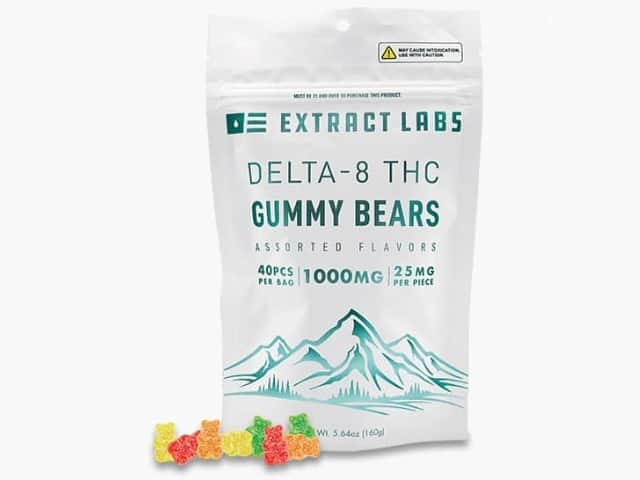
Disclosure: These are affiliate links. I earn a small commission if you purchase — at no extra cost to you. I only recommend products I personally use or have thoroughly researched.