
- Supports immune system function and balance
- Promotes relaxation and sleep quality
- Reduces stress and anxiety
- Modulates inflammatory response
- Supports cardiovascular and lipid health
I used to think medicinal mushrooms were all hype — the kind of thing you’d see on a wellness influencer’s shelf right next to their crystal collection. Then I spent a brutal winter catching every cold my kids brought home, sleeping like garbage, and running on a cocktail of caffeine and cortisol. A friend who’s a TCM practitioner handed me a bag of reishi extract and said, “Just try it for two months.”
Six weeks later, I realized I hadn’t been sick once. I was falling asleep faster. And that low-grade anxiety hum that had become my baseline? Quieter. Not gone — quieter. That’s when I started digging into the research on Ganoderma lucidum, and what I found genuinely surprised me.
The Short Version: Reishi (Ganoderma lucidum) is a medicinal mushroom with over 2,000 years of documented use and some of the strongest clinical evidence of any functional mushroom — particularly for immune modulation, stress resilience, and sleep quality. It’s not a stimulant or a focus pill. It’s a slow-burn adaptogen that works best for people looking to build a more resilient foundation over weeks and months. Below, I break down what the science actually supports, how to take it without wasting money on junk products, and who should (and shouldn’t) try it.
What Is Reishi?
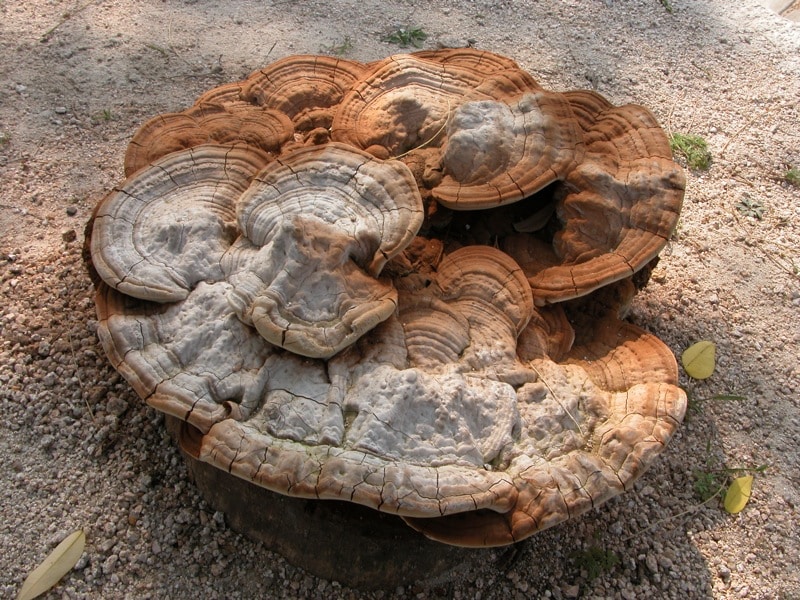
Ganoderma lucidum — known as Reishi in Japan and Lingzhi (灵芝) in China — is a woody, shelf-like polypore mushroom with a glossy, reddish-brown cap that grows on dead or dying hardwood trees. It’s been called the “Mushroom of Immortality,” which is a big claim for a fungus. But the name reflects its status in traditional Chinese medicine, where it’s been revered for over two millennia.
The earliest written reference appears in the Shen Nong Ben Cao Jing, compiled around 200 CE but based on oral traditions going back centuries further. In that foundational text, Lingzhi was classified among “superior herbs” — compounds considered safe for daily, long-term use. For much of Chinese history, it was so rare in the wild that it was reserved exclusively for royalty. Modern cultivation techniques developed in the 1970s and 80s finally made it accessible to the rest of us.
Here’s what makes reishi interesting from a science perspective: researchers have identified over 400 bioactive compounds in this mushroom, primarily triterpenoids (like ganoderic acids — over 150 identified so far), polysaccharides (especially beta-1,3/1,6-D-glucans), peptidoglycans, and various sterols. That’s not one mechanism — that’s an entire pharmacological toolkit packed into a single organism.
Reality Check: Reishi is not going to make you “limitless.” It’s not a focus drug, a stimulant, or something you’ll feel kicking in after an hour. It’s a slow-acting adaptogen and immunomodulator. If you’re looking for an acute cognitive boost, Lion’s Mane is a better starting point. Reishi plays the long game — and it plays it well.
How Does Reishi Work?
Think of reishi as working on two parallel tracks in your body, each driven by a different class of compounds.
Track one: the triterpenoids (ganoderic acids). These are the fat-soluble compounds responsible for reishi’s calming, neuroprotective, and anti-inflammatory effects. They interact directly with GABA-A receptors in your brain — the same receptors that benzodiazepines target, but with a much gentler touch. A 2007 study confirmed that reishi extract potentiates sleep through this GABAergic mechanism. Triterpenoids also inhibit acetylcholinesterase (the enzyme that breaks down acetylcholine), suppress neuroinflammation through the NF-κB pathway, and upregulate BDNF — brain-derived neurotrophic factor — which supports synaptic plasticity and neuronal survival.
A particularly compelling 2021 study published in Nature Scientific Reports showed that reishi promotes sleep through a gut microbiota-dependent, serotonin-involved pathway — increasing serotonin levels and upregulating tryptophan hydroxylase 2 in the hypothalamus. In plain English: reishi helps your gut bacteria produce more of the raw materials your brain needs to generate sleep signals. That’s not a sedative effect — it’s a systems-level recalibration.
Track two: the polysaccharides (beta-glucans). These are the water-soluble compounds driving reishi’s immune effects. Beta-1,3/1,6-D-glucans activate macrophages, dendritic cells, and natural killer cells. They get fermented by your gut bacteria into short-chain fatty acids that influence the gut-brain axis. And they shift your immune response toward anti-inflammatory profiles — increasing regulatory cytokines like IL-10 and TGF-β.
The practical translation? Triterpenoids calm your brain and protect your neurons. Beta-glucans train your immune system to be smarter, not just stronger. Together, they create an adaptogenic effect — helping your body maintain balance whether the stressor is psychological, immunological, or inflammatory.
Pro Tip: This dual mechanism is exactly why dual-extracted reishi products (hot water + alcohol extraction) matter so much. Hot water pulls out the beta-glucans. Alcohol pulls out the triterpenoids. A product using only one extraction method is giving you half the mushroom’s toolkit.
Benefits of Reishi
Let me be straight about what the evidence actually supports — because the internet is full of reishi claims that range from solid to fantasy.
Immune Modulation — The Strongest Evidence
This is reishi’s home turf. A 2023 randomized, double-blind, placebo-controlled trial in healthy adults found that reishi beta-glucan supplementation over 84 days significantly enhanced CD3+, CD4+, and CD8+ T-lymphocytes, improved the CD4/CD8 ratio, increased natural killer cell counts and cytotoxicity, and raised serum IgA levels — all with no adverse effects on liver or kidney function.
A separate 2024 double-blind trial found that 2,000 mg/day of reishi extract for 8 weeks in older women produced a predominantly anti-inflammatory immune modulation — increasing FoxP3, TGF-β, and IL-10 expression. That’s significant because it means reishi isn’t just “boosting” the immune system blindly. It’s making it more regulated and balanced. A 2021 systematic review of 34 RCTs on fungal beta-glucans confirmed reduced incidence and symptoms of respiratory infections.
Stress, Anxiety, and Mood — Solid and Growing
A 2024 double-blind RCT in college students found that just 1,000 mg/day of reishi for 30 days significantly improved anxiety scores, depression scores, vitality, and positive well-being. That’s a relatively modest dose producing meaningful psychological benefits in a well-designed trial. The GABAergic and serotonergic mechanisms described above provide a plausible explanation for these effects.
Sleep Quality — Promising but Needs More Human Data
The mechanistic evidence is strong — confirmed GABAergic sedative effects plus the gut-microbiota-serotonin pathway. Anecdotally, sleep improvement is the most consistently reported benefit among reishi users. But large, rigorous human sleep trials are still lacking. I’d rate this as “very likely effective based on mechanisms and user reports, waiting on definitive RCTs.”
Lipid and Cardiovascular Health — One Strong Recent Trial
A 2025 RCT with 110 participants found that reishi spore oil over 12 weeks significantly lowered total cholesterol, triglycerides, and LDL-C while raising HDL-C, with improved liver function markers. One trial isn’t a slam dunk, but the effect sizes were meaningful and the safety profile was clean.
Neuroprotection — Fascinating but Preclinical
A 2024 review in Biomedicine & Pharmacotherapy catalogued multiple neuroprotective mechanisms: anti-amyloid activity, anti-tau effects, AChE inhibition, BDNF upregulation, and sphingolipid metabolism regulation. Long-term triterpenoid administration in mice mitigated age-associated brain decline. This is genuinely exciting science — but no human clinical trial has directly tested cognitive outcomes in neurodegenerative disease. Don’t let anyone tell you reishi is a proven Alzheimer’s treatment. It’s not. Not yet.
Important: One cautionary finding worth noting: a trial in 29 men with Gulf War Illness found that reishi did not reduce symptoms — and the higher-dose condition actually increased symptom severity. This suggests reishi’s immunomodulatory effects may not be appropriate for all inflammatory conditions. More isn’t always better.
How to Take Reishi Without Wasting Your Money
Dosage
| Form | Daily Dose | Best For |
|---|---|---|
| Concentrated extract (standardized) | 1–3 g/day | Most people — best balance of convenience and potency |
| Dried fruiting body powder | 1.5–9 g/day | Traditional use; split into 2–3 servings |
| Cracked spore powder | 1–3 g/day | Higher triterpenoid content |
| Spore oil | 500–1,000 mg/day | Concentrated triterpenoid source |
| Dual-extracted tincture | 2–4 mL/day | Good bioavailability for both compound classes |
Start at the lower end of whatever form you choose. Give it a full 4–8 weeks before judging. This isn’t caffeine — you won’t feel it on day one.
Timing
For sleep and relaxation, take it in the evening, 1–2 hours before bed. For immune support, take it with meals — dietary fat improves triterpenoid absorption. For general adaptogenic support, split your dose between morning and evening.
What to Look for in a Product
This is where most people waste their money. The reishi supplement market is full of products that are essentially expensive grain powder with trace amounts of mushroom. Here’s how to avoid that:
- Fruiting body extract, not “mycelium on grain.” Fruiting bodies contain 3–5x more beta-glucans. Mycelium-on-grain products test at only 5–7% beta-glucans (with 35–40% residual grain starch). That’s a rice supplement, not a mushroom supplement.
- Dual extraction (hot water + alcohol). Non-negotiable for full-spectrum benefits.
- Beta-glucan content ≥30% listed on the label.
- Third-party testing with accessible Certificates of Analysis.
- If buying spore products, confirm they’re cracked/de-walled — intact spores pass through your GI tract undigested.
Insider Tip: The brands that consistently perform well in independent testing are Real Mushrooms (ConsumerLab top pick multiple times), FreshCap, and Nootropics Depot. If a product doesn’t list its beta-glucan percentage on the label, that’s usually because the number isn’t impressive.
Side Effects and Safety
Reishi is generally well-tolerated in clinical trials. Common side effects include dry mouth, mild GI discomfort, dizziness, and occasional headache. Most people experience none of these.
However, there’s one serious safety signal you need to know about: hepatotoxicity. Case reports document liver injury — including one fatal case of fulminant hepatitis — associated with reishi powder consumption. A 2023 case involved acute liver injury in someone consuming reishi powder alongside alcohol. The pattern across these reports is important: liver injury is primarily associated with the powdered, non-extracted form, not traditional hot-water decoctions or standardized extracts. This distinction matters. Extracted forms have been used safely in trials lasting up to 16 weeks.
Who should avoid reishi:
- People with bleeding disorders or on blood thinners (warfarin, aspirin, clopidogrel) — reishi has antiplatelet activity
- Anyone scheduled for surgery — discontinue at least 2 weeks prior
- People with active liver disease
- Those on immunosuppressant medications — reishi may counteract their effects
- Pregnant or nursing women — safety hasn’t been established
Important: Reishi interacts with at least 73 medications according to drug interaction databases, including anticoagulants, antihypertensives, antidiabetic drugs, and hepatotoxic medications. If you’re on any prescription medication, talk to your doctor before starting reishi. This isn’t optional caution — it’s genuinely important.
Stacking Reishi
Reishi pairs beautifully with other compounds because its calming, immune-focused profile complements more stimulating or cognitively targeted nootropics.
Reishi + Lion’s Mane — This is the classic pairing. Lion’s Mane stimulates NGF for direct cognitive enhancement while reishi handles stress reduction and immune support. Take Lion’s Mane in the morning for focus, reishi in the evening for wind-down. Complementary mechanisms with zero overlap in side effect profiles.
Reishi + Cordyceps — Cordyceps for daytime energy and oxygen utilization, reishi for nighttime recovery and immune support. A natural AM/PM cycle.
Reishi + Ashwagandha — Dual adaptogenic support through different mechanisms. Both modulate the HPA axis, but ashwagandha has stronger evidence for cortisol reduction while reishi brings the immune modulation. Powerful combination for chronic stress.
Reishi + Magnesium Glycinate — Both support GABAergic calming. Together, they can meaningfully improve sleep quality for people whose insomnia has a stress or anxiety component.
What to avoid combining: Don’t stack reishi with blood thinners, immunosuppressants, benzodiazepines or prescription sleep aids (additive sedation), high-dose alcohol, or high-dose acetaminophen. The bleeding risk and hepatotoxicity concerns are real.
My Take
Reishi has earned a permanent spot in my routine, and it’s one of the few supplements where I actually noticed when I stopped taking it. Not because the effects are dramatic day-to-day — they’re not. It’s more like taking off a layer of armor you forgot you were wearing. After about six weeks of consistent use, I realized my sleep was deeper, my stress reactivity was lower, and I’d gone the entire winter without getting sick. When I ran out and didn’t reorder for a month, the colds came back. Coincidence? Maybe. But I reordered.
Here’s who I think reishi is best for: people dealing with chronic stress, poor sleep quality, or frequent illness — especially if those problems are interconnected (which they usually are). If your immune system feels like it’s constantly in reactive mode, or if you’re running on stress hormones and not recovering well, reishi addresses the underlying pattern rather than just masking symptoms.
Who should probably look elsewhere: if you want an acute focus enhancer, Lion’s Mane or Bacopa Monnieri are better choices. If you want pure anxiety relief with faster onset, L-Theanine or Ashwagandha have stronger and quicker evidence for that specific outcome.
The honest assessment? Reishi’s strongest evidence is for immune modulation — and that evidence is genuinely strong. The sleep and stress benefits are well-supported by mechanisms and moderate clinical data. The neuroprotective claims are exciting but still preclinical. And the “foundations first” principle applies perfectly here: reishi works best when your sleep hygiene, gut health, and stress management practices are already in place. It amplifies a good foundation — it doesn’t replace one.
One last thing: buy quality or don’t bother. A cheap mycelium-on-grain product with 5% beta-glucans is not the same thing as a dual-extracted fruiting body with 30%+ beta-glucans. The research was done on real mushroom extracts, not grain filler. Spend the extra money on a reputable product, or save your money entirely. There’s no middle ground here.
Recommended Reishi Mushroom Products
I know how frustrating it is to sort through dozens of brands making the same claims. These are the ones I've personally vetted — because quality is the difference between results and wasted money.
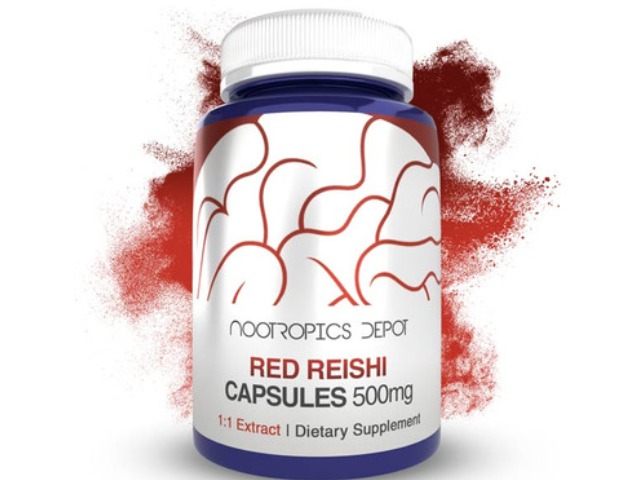
Red Reishi Mushroom Extract Capsules | 500mg by Nootropics Depot
Shop Now →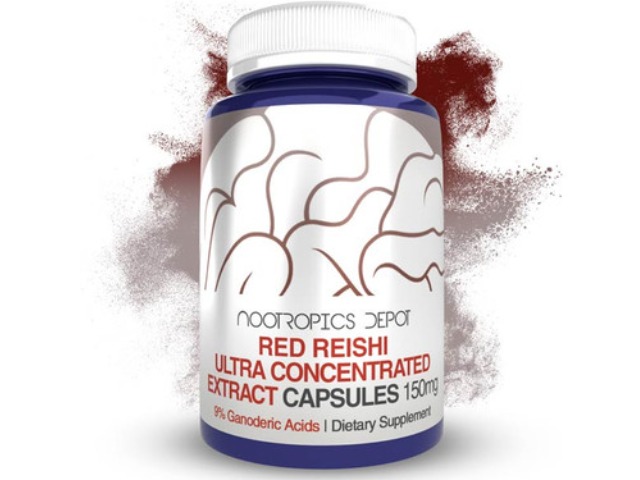
Red Reishi Mushroom Ultra Concentrated Extract by Nootropics Depot
Shop Now →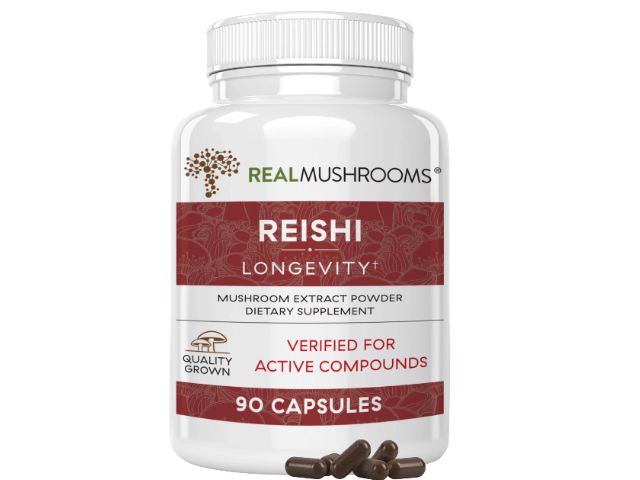
Reishi by Real Mushrooms
Shop Now →Disclosure: These are affiliate links. I earn a small commission if you purchase — at no extra cost to you. I only recommend products I personally use or have thoroughly researched.