
- Supports memory and learning through acetylcholine enhancement
- Neuroprotection against excitotoxicity and oxidative stress
- May slow age-related cognitive decline
- Promotes nerve growth factor production
- Enhances focus and mental clarity
I’ll never forget the week I accidentally double-dosed Huperzine A. My dreams were so vivid I woke up genuinely confused about whether I’d actually had a conversation with my college roommate or just dreamed it. My focus during the day was razor-sharp — almost uncomfortably so. And my stomach? Let’s just say it had opinions.
That experience taught me something important about this compound: Huperzine A is the real deal pharmacologically. It’s not some weak herbal extract you take and shrug at. This is a potent, well-studied molecule that demands respect — and rewards it.
The Short Version: Huperzine A is a natural acetylcholinesterase inhibitor from Chinese club moss that boosts acetylcholine — your brain’s primary memory and learning neurotransmitter. It’s best for people experiencing age-related cognitive decline or anyone looking to sharpen memory and focus as part of a cholinergic stack. The catch: you absolutely must cycle it, and dosing is in micrograms, not milligrams.
What Is Huperzine A?
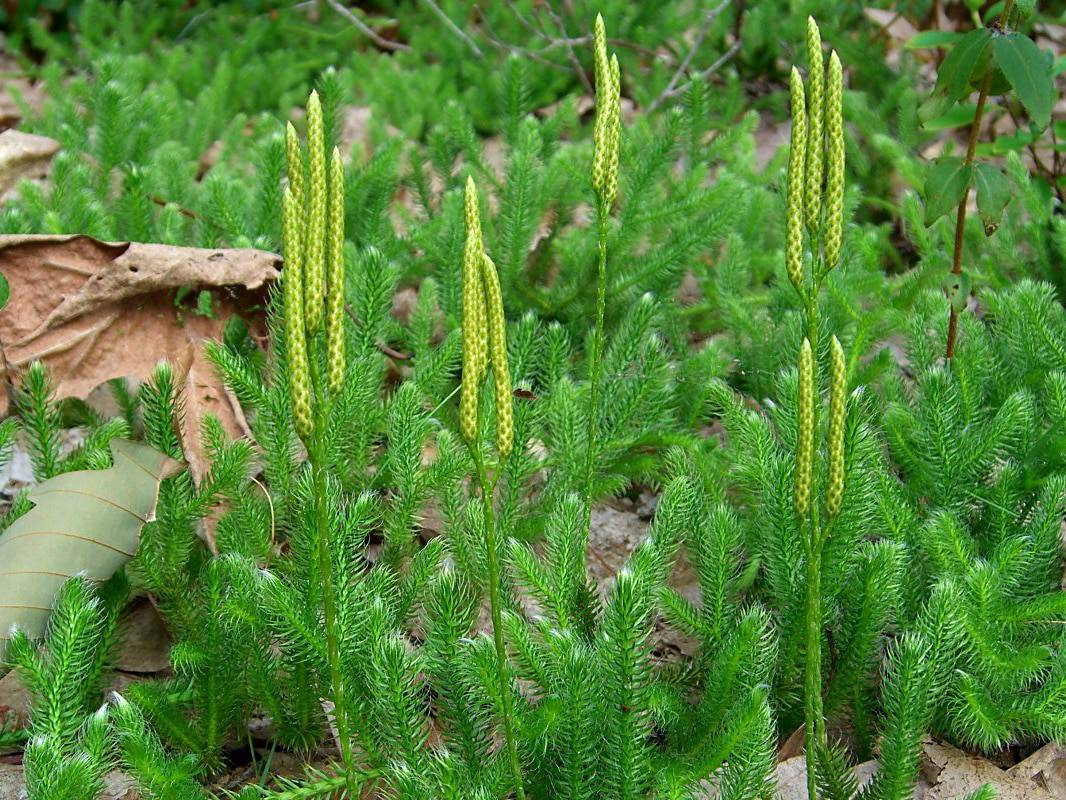
Huperzine A is a sesquiterpene alkaloid extracted from Huperzia serrata, a type of club moss that’s been used in traditional Chinese medicine for over a thousand years under the name “Qian Ceng Ta.” Chinese herbalists prescribed it for everything from fever to swelling to memory problems — and it turns out they were onto something.
The compound was first isolated in 1983 by Chinese scientist Liu Ji-Sheng at the Shanghai Institute of Materia Medica. Researchers quickly realized it was an exceptionally potent inhibitor of acetylcholinesterase — the enzyme that breaks down acetylcholine in your brain. By the 1990s, China had approved it as a prescription treatment for Alzheimer’s disease. In the US and Europe, it’s sold as a dietary supplement.
Here’s what makes Huperzine A interesting from a holistic perspective: it’s not just a one-trick pony. While most people know it as “the thing that boosts acetylcholine,” it actually works through multiple neuroprotective pathways simultaneously. That multi-target profile is rare in the supplement world and puts it in a different league than your typical brain-boosting herb.
That said — and you’ll hear me say this a lot — no supplement replaces the basics. If your sleep is wrecked, your gut is inflamed, and you’re running on stress and caffeine, Huperzine A isn’t going to save you. Fix the foundation first. Then compounds like this become genuinely powerful tools.
How Does Huperzine A Work?
Think of acetylcholine as the neurotransmitter that lets your brain form, store, and retrieve memories. Every time you learn something new, pay attention to a conversation, or recall where you left your keys, acetylcholine is doing the heavy lifting.
Your brain naturally produces an enzyme called acetylcholinesterase (AChE) that breaks down acetylcholine after it’s done its job. That’s normal housekeeping. The problem is that as we age — or when we’re stressed, sleep-deprived, or dealing with neuroinflammation — this system can get out of balance. Too much breakdown, not enough acetylcholine floating around.
Huperzine A puts a brake on that cleanup enzyme. It’s a reversible, highly selective AChE inhibitor, meaning it temporarily prevents acetylcholine from being broken down without permanently disabling the enzyme. The result: more acetylcholine available in the synapses where your neurons communicate.
What really sets it apart from pharmaceutical AChE inhibitors like donepezil or rivastigmine is its selectivity. Huperzine A preferentially targets AChE in the brain rather than in the rest of your body, which means you get the cognitive benefits with fewer peripheral side effects like gut problems. It also crosses the blood-brain barrier more efficiently and has higher oral bioavailability than most of its pharmaceutical cousins.
But here’s the part that doesn’t get enough attention: Huperzine A is also an NMDA receptor antagonist. This is a completely separate mechanism from the acetylcholine stuff. NMDA receptors are involved in excitotoxicity — when neurons get overstimulated by glutamate and essentially burn themselves out. By partially blocking these receptors, Huperzine A protects neurons from this kind of damage.
On top of that, research shows it acts as an antioxidant, protects mitochondrial function, promotes nerve growth factor (NGF) secretion, and may even reduce harmful beta-amyloid processing in the brain. That’s five distinct neuroprotective mechanisms from a single compound.
Pro Tip: When you see a compound that works through multiple independent pathways, that’s usually a sign of genuine pharmacological activity rather than marketing hype. Huperzine A earns its reputation through mechanism diversity.
Benefits of Huperzine A
Memory and Cognitive Function
The strongest evidence for Huperzine A comes from Alzheimer’s disease research. A systematic review and meta-analysis published in PLOS ONE (Yang et al., 2013) analyzed multiple randomized clinical trials and found significant improvements in cognitive function scores at 8, 12, and 16 weeks, along with better performance in activities of daily living.
A Phase II clinical trial conducted in the US found dose-dependent effects: 200 mcg twice daily didn’t move the needle much, but 400 mcg twice daily produced a meaningful 2.27-point improvement on the ADAS-Cog scale at 11 weeks compared to placebo.
Now, an important caveat: most of the existing clinical trials were conducted in China, and many had methodological limitations — small samples, short durations, inconsistent protocols. The evidence is real but not bulletproof. I think it’s honest to say the research is promising and consistent rather than conclusive.
For healthy younger adults, direct evidence of cognitive enhancement is limited. Most of us are extrapolating from the dementia research and the well-established cholinergic mechanisms. That said, if your baseline acetylcholine function is suboptimal — from stress, poor sleep, aging, or diet — there’s good reason to think you’ll notice a difference.
Neuroprotection
Multiple studies demonstrate that Huperzine A protects neurons against beta-amyloid toxicity, glutamate excitotoxicity, and oxidative stress. The NMDA antagonism and antioxidant properties work together here — it’s not just preserving acetylcholine, it’s actively shielding brain cells from damage.
This makes it particularly interesting for long-term brain health rather than just acute cognitive performance.
Dream Enhancement
This one deserves mention because it’s probably the most universally reported effect in the nootropic community. By increasing acetylcholine levels during REM sleep, Huperzine A reliably produces more vivid, memorable, and sometimes lucid dreams. If you’re interested in lucid dreaming or dream work, this is one of the most consistent tools available.
Reality Check: While the mechanisms are solid and the evidence from dementia populations is encouraging, Huperzine A isn’t going to turn a healthy 25-year-old into Bradley Cooper from Limitless. If you’re young and cognitively healthy, the effects will likely be subtle — sharper recall, slightly better focus, more vivid dreams. Manage your expectations accordingly.
How to Take Huperzine A
Dosage
Doses are measured in micrograms (mcg), not milligrams. This is a potent compound — don’t confuse the units.
- Starting dose: 50–100 mcg once daily
- Standard nootropic dose: 100–200 mcg once or twice daily
- Clinical doses (Alzheimer’s research): 200–400 mcg twice daily
- Dream enhancement: 200 mcg before bed
Start low. Give it at least a week at the lower dose before considering an increase. Some people respond strongly to just 50 mcg.
Timing
Take it in the morning or early afternoon for cognitive enhancement. Huperzine A has a long half-life of 10–14 hours, and taking it late in the day is a reliable recipe for insomnia and overly intense dreams. If you’re specifically using it for dream work, an evening dose makes sense — just know what you’re signing up for.
It can be taken with or without food. If you experience any nausea, take it with a meal.
Cycling — This Is Non-Negotiable
Because of its long half-life and potent enzyme inhibition, Huperzine A accumulates with daily use. Cycling prevents tolerance, receptor downregulation, and excessive cholinergic buildup.
- Standard cycle: 2–4 weeks on, 1–2 weeks off
- Conservative approach: Take it only 2–3 days per week on non-consecutive days
- Minimum: Every month of use, take at least one full week off
I cannot stress this enough. Skipping the cycling protocol is the number one mistake I see people make with Huperzine A. The compound works better when you give your system regular breaks.
Insider Tip: If you’re stacking Huperzine A with a choline source like Alpha-GPC, cycle them together. When you take your Hup A break, drop the Alpha-GPC too. This gives your entire cholinergic system a reset.
Forms
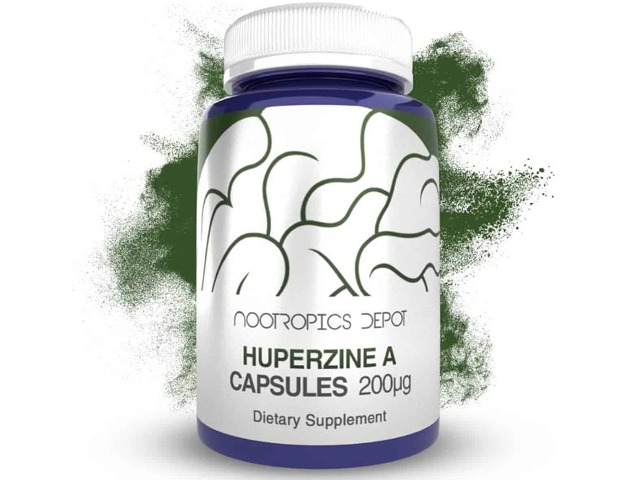
Most supplements come as capsules standardized to 1% Huperzine A, available in 50 mcg, 100 mcg, or 200 mcg doses. Capsules are strongly recommended over bulk powder — we’re talking microgram quantities here, and accurate dosing with powder is extremely difficult without a milligram-precision scale.
Synthetic Huperzine A is chemically identical to the natural extract and often higher purity. Both are effective.
Side Effects and Safety
Most side effects stem from excess cholinergic activity and are dose-dependent:
- Common: Nausea, diarrhea, sweating, loss of appetite, vivid dreams, insomnia
- Less common: Dizziness, headache, muscle twitching, restlessness, slowed heart rate
- Rare but serious: Worsened seizures in epileptic individuals, cardiac conduction issues
The good news: animal toxicology studies show Huperzine A is non-toxic even at 50–100 times the human therapeutic dose. At standard nootropic doses with proper cycling, most people tolerate it well.
Important: Do NOT take Huperzine A if you have epilepsy, cardiac arrhythmias, asthma, COPD, or GI obstruction. Do not combine it with prescription cholinesterase inhibitors (donepezil, rivastigmine, galantamine) — this can trigger a cholinergic crisis. Discontinue at least two weeks before any scheduled surgery, as it may interact with anesthesia drugs. Avoid during pregnancy and breastfeeding.
If you’re on beta-blockers or any anticholinergic medications, talk to your doctor before starting Huperzine A. The interactions are real and pharmacologically significant.
Stacking Huperzine A
The Classic Cholinergic Stack
Alpha-GPC + Huperzine A is the most popular combination for good reason. Alpha-GPC provides the raw material your brain needs to make acetylcholine, while Huperzine A prevents that acetylcholine from being broken down too quickly. It’s the supply-and-preservation approach.
When stacking, reduce your Alpha-GPC dose by about half — 250 mg Alpha-GPC with 100–200 mcg Huperzine A is a solid starting point. Too much of both can tip you into cholinergic overload territory (headaches, brain fog, irritability — the opposite of what you want).
Synergistic Pairings
Racetams + Huperzine A: Compounds like Piracetam or Aniracetam sensitize acetylcholine receptors while Huperzine A increases acetylcholine availability. Different angles on the same system. Add a choline source to this stack to prevent depletion.
Lion’s Mane + Huperzine A: Both promote nerve growth factor, but through different mechanisms and timescales. Lion’s Mane is your long-game neurogenesis play; Huperzine A is your acute cognitive lift. They complement each other beautifully.
Bacopa Monnieri + Huperzine A: Bacopa works through different cholinergic and serotonergic pathways, offering complementary memory enhancement without redundant mechanisms.
What to Avoid
Don’t combine Huperzine A with other acetylcholinesterase inhibitors — that includes galantamine and any prescription dementia medications. The additive effect can push you into cholinergic excess, which is deeply unpleasant and potentially dangerous.
Also watch your total choline intake. If you’re stacking Huperzine A with Alpha-GPC and eating a choline-rich diet and taking a multivitamin with choline, you may end up with too much acetylcholine. Symptoms of excess include headaches, jaw tension, depression, and brain fog. If you experience these, back off the choline sources first.
My Take
Huperzine A is one of those compounds I keep coming back to. Not because it’s flashy or dramatic — it’s not going to give you a movie-montage productivity surge — but because the pharmacology is genuinely impressive. A natural compound with five distinct neuroprotective mechanisms, better brain penetration than most pharmaceuticals in its class, and decades of research behind it? That’s rare.
I think it’s best suited for three groups: people over 40 who are noticing early cognitive changes, anyone building a serious cholinergic nootropic stack, and people interested in dream work. If you’re a healthy 22-year-old looking for a study drug, you’ll probably get more mileage from fixing your sleep and trying L-Theanine with caffeine first.
The cycling thing is my strongest piece of advice. I’ve seen too many people take Huperzine A daily for months, wonder why it stopped working, and then blame the compound. It didn’t stop working — they just didn’t give their receptors a break. Treat it like a tool you pull out strategically, not a daily vitamin.
If you’re going to try it, start at 100 mcg in the morning, cycle two weeks on and one week off, and pair it with a moderate dose of Alpha-GPC or Citicoline. Give it an honest 4–6 weeks with that protocol before deciding if it works for you. And keep a journal — the effects can be subtle enough that you won’t notice them without tracking.
One last thing: buy from reputable sources that provide third-party testing and clearly state the Huperzine A content in micrograms. This is not a compound where you want to guess at your dose.
Recommended Huperzine A Products
I know how frustrating it is to sort through dozens of brands making the same claims. These are the ones I've personally vetted — because quality is the difference between results and wasted money.
Huperzine A
Shop Now →
Huperzine A by Nootropics Unlimited
Shop Now →
Huperzine A by SwissChem
Shop Now →Disclosure: These are affiliate links. I earn a small commission if you purchase — at no extra cost to you. I only recommend products I personally use or have thoroughly researched.
Research & Studies
This section includes 12 peer-reviewed studies referenced in our analysis.
Huperzine A, a potential therapeutic agent for dementia, reduces neuronal cell death caused by glutamate.
Huperzine A, a potential therapeutic agent for treatment of Alzheimer's disease.
Protective effects of huperzine A on beta-amyloid(25-35) induced oxidative injury in rat pheochromocytoma cells.
Effects of Huperzine used as pre-treatment against soman-induced seizures.
Stereoselectivities of enantiomers of huperzine A in protection against beta-amyloid(25-35)-induced injury in PC12 and NG108-15 cells and cholinesterase inhibition in mice.
The psychopharmacology of huperzine A: an alkaloid with cognitive enhancing and neuroprotective properties of interest in the treatment of Alzheimer's disease.
Effects of huperzine A on secretion of nerve growth factor in cultured rat cortical astrocytes and neurite outgrowth in rat PC12 cells.
Progress in studies of huperzine A, a natural cholinesterase inhibitor from Chinese herbal medicine.
Huperzine A attenuates mitochondrial dysfunction in beta-amyloid-treated PC12 cells by reducing oxygen free radicals accumulation and improving mitochondrial energy metabolism.
Efficacy and safety of natural acetylcholinesterase inhibitor huperzine A in the treatment of Alzheimer's disease: an updated meta-analysis.
Showing 10 of 12 studies. View all →