
- Enhanced Exercise Capacity
- Cardiovascular Health
- Nootropic Effects
You know that feeling when you’re 20 minutes into a run and your lungs are burning, but your legs feel like they could keep going? Or when you’re pushing for that last rep and your muscles just hit a wall? That’s your body screaming for more oxygen. For years, I thought the only answer was more conditioning — just endless, grueling cardio.
It turns out there might be a shortcut. It’s a synthetic compound that acts like a key, unlocking the oxygen your red blood cells are already carrying and delivering it more efficiently to your muscles and brain. It’s called ITPP, and it’s one of the most fascinating and controversial performance-enhancing nootropics I’ve ever researched.
The Short Version: ITPP (myo-inositol trispyrophosphate) is a synthetic molecule that forces your red blood cells to release more oxygen into your tissues. The primary, research-backed benefit is a significant increase in exercise capacity. Nootropic effects like mental clarity are reported but are purely anecdotal. Because of its performance-enhancing effects, it is banned in professional sports.
What Is ITPP (Inosine Triphosphate)?
ITPP, short for myo-inositol trispyrophosphate, is not a vitamin, mineral, or herb. It’s a synthetic compound first developed by researchers in Zurich, designed to solve one specific problem: hypoxia, or low oxygen levels in tissues.
Its main function is as an “allosteric effector of hemoglobin.” That’s a mouthful, but the concept is simple. It changes the behavior of hemoglobin — the protein in your red blood cells responsible for transporting oxygen — making it more generous about releasing that oxygen where your body needs it most.
While researchers are studying its potential for serious medical conditions like heart failure and cancer (under the name OXY111A), it’s gained a cult following among biohackers and athletes for its profound effects on endurance and stamina. This isn’t a compound you’ll find at your local supplement shop; it lives in the world of research chemicals, and for good reason.
How Does ITPP (Inosine Triphosphate) Work?
To understand ITPP, you have to picture your red blood cells as delivery trucks loaded with oxygen packages. Hemoglobin is the driver. Normally, this driver is a bit stingy; it only drops off a package when it arrives in a neighborhood with very low oxygen levels.
Layer 1 — What it does (conversational): ITPP gets into the red blood cell and essentially tells the driver to loosen up. It modifies the hemoglobin so that it lets go of its oxygen packages much more easily, even in areas that aren’t desperately low on oxygen yet.
Layer 2 — The evidence (authoritative): Chemically, ITPP binds to a site on the hemoglobin molecule, changing its shape. This reduces hemoglobin’s binding affinity for oxygen, causing a “rightward shift” in the oxygen-hemoglobin dissociation curve. A study on mice with heart failure, published in the Proceedings of the National Academy of Sciences, demonstrated that ITPP administration restored normal exercise capacity by improving oxygen delivery to tissues.
Layer 3 — So what? (practical): The result is a dramatic increase in tissue oxygenation all over your body — in your muscles during a workout, and even in your brain while you’re trying to focus. This is why users report feeling like a “cardio machine” or experiencing a sharp reduction in fatigue. You’re not getting more oxygen into your lungs; you’re just using the oxygen you already have far more effectively.
Benefits of ITPP (Inosine Triphosphate)
The evidence for ITPP is a mixed bag. The animal studies are incredibly promising, but the human data for nootropic or general wellness use is non-existent.
- Enhanced Exercise Capacity: This is the most well-documented benefit, at least in animal models. Studies in mice consistently show that ITPP dramatically increases maximal exercise capacity and endurance. The effect is so pronounced that it led directly to its ban in sports.
- Cardiovascular Health: Preclinical research suggests ITPP can protect the heart muscle during low-oxygen conditions and may help slow the progression of heart failure. By reducing the workload on the heart, it offers a potential therapeutic angle that is being actively explored.
- Nootropic Effects (Anecdotal): This is where we leave the lab and head to the forums. Users frequently report enhanced mental clarity, alertness, and a “clean” energy that they attribute to increased brain oxygenation. Many describe it as a powerful antidote to chronic fatigue.
Reality Check: While the idea of boosting brain oxygen for better focus is compelling, these nootropic benefits are entirely based on user reports. There are no clinical studies measuring the cognitive effects of ITPP in healthy humans. The endurance benefits are real, but the mental benefits are speculative.
How to Take ITPP (Inosine Triphosphate)
Here’s where things get tricky. There are no official dosage guidelines for ITPP. The only established dosing comes from a clinical trial where it was given as a massive intravenous infusion—not exactly practical for home use.
- Dosage (Anecdotal): The user-reported oral dosage range is typically 100mg to 500mg. Due to its reportedly low oral bioavailability, most users administer it sublingually (dissolved under the tongue) to improve absorption.
- Timing: Users often take it on an as-needed basis, about 30-60 minutes before a workout. Others dose it daily to combat chronic fatigue, but the long-term safety of this approach is unknown.
- Forms: ITPP is sold as a white powder. It is notoriously hygroscopic, meaning it absorbs moisture from the air and can quickly degrade. Proper, airtight storage is critical.
Insider Tip: If you are experimenting with ITPP, start at the absolute lowest dose (100mg or less) to assess your individual response. Given its short half-life, the effects should be noticeable within a few hours. Don’t expect it to feel like a stimulant; the effect is more a lack of fatigue than a rush of energy.
Side Effects & Safety
Because ITPP is a research chemical and not a supplement, the safety profile is not well-established for oral use.
- Clinically Observed Side Effects: In the Phase 1b clinical trial using high-dose IV ITPP, the main side effect was hypercalcemia (elevated calcium levels), which was considered manageable by the researchers.
- Anecdotal Side Effects: Most users on forums claim there are few, if any, side effects. However, some have mentioned rashes, headaches, or even nosebleeds. It’s impossible to know if these are from the ITPP itself or from impurities in products from unregulated vendors.
- Contraindications:
- It should absolutely be avoided during pregnancy or nursing.
- Anyone with a pre-existing medical condition, especially related to calcium regulation, should not use ITPP.
Important: ITPP is on the World Anti-Doping Agency (WADA) prohibited list. Any athlete competing in a tested sport should not even consider using this compound. A positive test will result in a ban.
Stacking ITPP (Inosine Triphosphate)
There is no formal research on stacking ITPP. The following are theoretical synergies based on its mechanism.
- Cerebral Blood Flow Enhancers: Combining ITPP with nootropics that increase blood flow to the brain, like Vinpocetine or Ginkgo Biloba, could theoretically produce an even greater brain-oxygenating effect.
- Mitochondrial Support: Since ITPP delivers more oxygen, pairing it with supplements that help your cells use that oxygen more efficiently—like CoQ10 or PQQ—could be a powerful combination for energy and endurance.
Approach any stack with extreme caution. You are combining multiple powerful mechanisms, and the risk of side effects increases.
My Take
I’m going to be blunt: ITPP is not for beginners. It’s not for someone looking for a slight edge in their morning focus. This is a powerful biohacking tool for a very specific purpose: radically increasing physical endurance.
In my experience researching compounds, very few have such a clear and potent effect on a core physiological process. The stories from users aren’t just about feeling a little better; they’re about shattering personal records and experiencing a level of stamina they thought was impossible.
Who is this BEST for? This is for the serious self-experimenter, the longevity enthusiast monitoring their biomarkers, or the athlete in a non-tested sport who wants to explore the absolute limits of their cardiovascular performance.
Who should probably try something else instead? If you’re just looking for better focus, start with the basics: sleep, diet, and foundational nootropics like L-Tyrosine or Alpha-GPC. The risks and unknowns of ITPP are not worth it for general cognitive enhancement.
Is ITPP worth trying? Only if you understand you are operating outside the established lines of sports, medicine, and supplementation. It’s a tool with incredible potential, but it demands respect and a deep understanding of the risks involved. If your goal is to see what your body is truly capable of when its oxygen limitations are removed, ITPP is one of the most effective keys we know of.
Recommended ITPP (Inosine Triphosphate) Products
I know how frustrating it is to sort through dozens of brands making the same claims. These are the ones I've personally vetted — because quality is the difference between results and wasted money.
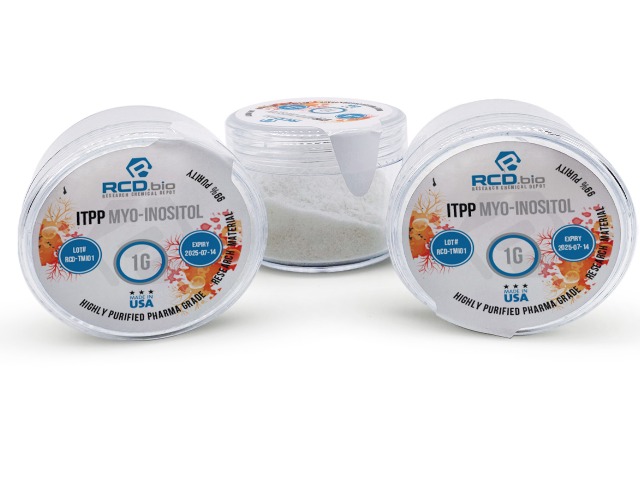
Disclosure: These are affiliate links. I earn a small commission if you purchase — at no extra cost to you. I only recommend products I personally use or have thoroughly researched.
Research & Studies
This section includes 5 peer-reviewed studies referenced in our analysis.