
- Supports cognitive function in mild dementia and age-related cognitive decline
- Enhances cerebral blood flow and oxygen delivery to the brain
- Provides potent antioxidant and neuroprotective effects
- May reduce anxiety through GABA pathway modulation
- Supports healthy circulation and vascular function
I’ll be honest — when I first started exploring nootropics almost a decade ago, Ginkgo biloba was the one I almost wrote off. It felt like something your grandmother would take. Too mainstream. Too “old school.” I wanted the cutting-edge stuff, the obscure peptides and research chemicals that nobody had heard of.
That was a $400 lesson in humility. Because after burning through a dozen trendy compounds with mixed results, I circled back to Ginkgo — and realized it had more rigorous clinical evidence behind it than almost anything else in my supplement cabinet.
The Short Version: Ginkgo biloba (specifically the standardized extract EGb 761) is the most well-researched herbal nootropic on the planet, with strong evidence for treating mild dementia and cognitive impairment at 240 mg/day. It works through multiple pathways — increasing cerebral blood flow, scavenging free radicals, and modulating key neurotransmitters. It’s best suited for older adults with cognitive concerns rather than healthy young people chasing peak performance. Below, I’ll break down the science, the dosing, who it’s actually for, and how to avoid the garbage products that dominate the market.
What Is Ginkgo Biloba?
Ginkgo biloba is a living fossil. That’s not hyperbole — it’s literally one of the oldest tree species on Earth, with fossils dating back 170 million years to the Middle Jurassic. Individual trees can live over 3,500 years. While the dinosaurs came and went, Ginkgo stuck around.
In traditional Chinese medicine, Ginkgo seeds were used for over 2,000 years to treat respiratory and urinary issues. But here’s an important distinction: the modern nootropic use of Ginkgo comes from the leaf extract, not the seeds. That shift happened in the 1960s when a German pharmaceutical company (Dr. Willmar Schwabe) developed EGb 761 — a standardized extract that became the basis for virtually every serious clinical trial since. Today, Ginkgo is a registered pharmaceutical drug in Germany and several European countries. In the US, it’s sold as a supplement — same compound, different regulatory label.
Before we go further, the foundations-first reminder: Ginkgo is a powerful tool, but it’s not going to overcome chronic sleep deprivation, a gut in shambles, or unmanaged stress. If those basics aren’t dialed in, start there. Ginkgo works best when your brain already has a solid baseline to build on.
How Does Ginkgo Biloba Work?
Think of your brain as a city. It needs roads (blood vessels), electricity (neurotransmitters), and a sanitation department (antioxidant defenses). Ginkgo works on all three systems simultaneously, which is part of what makes it unique.
The blood flow effect is probably the most well-established mechanism. Ginkgo activates endothelial nitric oxide synthase (eNOS) in your blood vessel walls, which triggers the release of nitric oxide — a molecule that relaxes and dilates blood vessels. More relaxed vessels mean more blood reaching your brain, carrying oxygen and glucose. Ginkgo also antagonizes platelet-activating factor (PAF), which keeps your blood flowing smoothly and reduces the tendency for platelets to clump together.
The neurotransmitter modulation is where things get really interesting. Ginkgo reversibly inhibits both MAO-A and MAO-B enzymes, which means it keeps more dopamine, serotonin, and norepinephrine available in your synapses. It interacts with GABA receptors in a way that can reduce anxiety. It modulates glutamate signaling through NMDA and AMPA receptors. And it touches the cholinergic and adrenergic systems too.
The antioxidant defense is the third pillar. Both the flavonoids and terpene lactones in Ginkgo are potent free radical scavengers. They inhibit NADPH oxidase activation, modulate NF-kB and Nrf-2 pathways, and reduce inflammatory signaling through multiple cascades.
In plain English: Ginkgo improves the plumbing, tunes the electrical system, and takes out the trash — all at once. That multi-modal approach is why it shows benefits across such a wide range of cognitive measures rather than just hitting one narrow target.
Benefits of Ginkgo Biloba
Here’s where I’m going to be brutally honest, because what Ginkgo is good for and what people think it’s good for are two different things.
Where the Evidence Is Strong
Treating mild dementia and cognitive impairment. This is Ginkgo’s wheelhouse. A 2025 meta-analysis of four randomized controlled trials confirmed that EGb 761 at 240 mg/day is safe and effective for treating mild dementia over 22-24 weeks. A separate 2025 systematic review concluded that EGb 761 is “the only herbal alternative to standard-of-care anti-dementia drugs.” A 2025 study in Frontiers even showed efficacy in patients who were amyloid PET-positive — meaning it worked in people with confirmed Alzheimer’s-related brain changes.
That’s a serious evidence base. We’re talking about multiple large-scale, well-designed trials — not just a single promising mouse study.
Cerebral blood flow. The vasodilatory effects are well-established and consistent across studies. More blood to the brain means more oxygen and nutrients where they’re needed.
Where the Evidence Is Moderate
Anxiety. Some evidence suggests anxiolytic effects, likely through GABA pathway modulation. It’s not going to replace therapy or a solid meditation practice, but it may take the edge off generalized anxiety.
Vertigo and dizziness. One trial showed 47% improvement versus 18% for placebo, though results across studies are mixed.
Where the Evidence Is Weak or Negative
Cognitive enhancement in healthy young people. A systematic review concluded that Ginkgo is “not a smart drug.” If you’re 25 with no cognitive concerns and you’re hoping Ginkgo will make you limitless, the data says otherwise. Some acute effects on attention and processing speed have been demonstrated, but long-term enhancement in healthy populations? Not proven.
Preventing dementia. The large GEM trial and GuidAge trial both showed no significant benefit for preventing dementia in people who were cognitively normal. Ginkgo treats cognitive decline — it doesn’t appear to prevent it.
Tinnitus, sexual dysfunction, and altitude sickness. No convincing evidence for any of these.
Reality Check: Ginkgo biloba is not a limitless pill for healthy brains. It’s a legitimate, well-studied treatment tool for age-related cognitive decline. If that’s what you need, the evidence is genuinely impressive. If you’re a healthy 20-something looking for a study aid, you’re probably better off with Bacopa Monnieri or Lion’s Mane.
How to Take Ginkgo Biloba Without Wasting Your Money
Dosage
The clinically effective dose is 120-240 mg/day of standardized extract, with 240 mg/day being the most common dose used in positive clinical trials. Split it into two or three doses — either 80-120 mg twice daily or 40 mg three times daily. Splitting doses maintains more consistent blood levels throughout the day.
Do not exceed 240 mg/day. Higher doses increase the risk of side effects and drug interactions without demonstrated additional benefit.
What “Standardized” Means and Why It Matters
The extract should be standardized to 24% flavonoid glycosides and 6% terpene lactones — this is the EGb 761 standard, and it’s what virtually all clinical research is based on. Equally important: ginkgolic acid content should be below 5 ppm, ideally below 1 ppm. Ginkgolic acids are allergenic and potentially mutagenic. Cheap products often have dangerously high levels.
Timing
Take it with food to enhance absorption. Peak blood concentration hits about 2.3 hours after ingestion. There’s no strong evidence favoring morning over evening — splitting doses throughout the day is the best approach.
Forms
- Standardized leaf extract (EGb 761): The gold standard. This is what you want.
- Liposomal or self-emulsifying formulations: Can boost bioavailability 1.5-2x, but less clinical validation.
- Raw leaf powder or tea: Not recommended. Unstandardized, variable ginkgolic acid content, poor bioavailability.
- Seeds: Do NOT consume. They contain toxic cyanogenic glycosides. Seizures and deaths have been reported from eating as few as 10 seeds.
How Long to Give It
This is critical. Ginkgo is not a “feel it in an hour” compound.
- Weeks 1-2: Don’t expect much. Some people get mild headaches as they adjust.
- Weeks 2-4: Subtle improvements in clarity and focus may start to emerge.
- Weeks 4-8: Most responders notice meaningful effects by this point.
- Weeks 8-12+: Full effects plateau. This is the minimum recommended trial period.
Insider Tip: The single biggest mistake people make with Ginkgo is quitting too early. If you bail after two weeks because you “didn’t feel anything,” you never gave it a fair shot. Commit to 12 weeks of consistent daily use before you make a judgment call. Clinical trials run 22-24 weeks for a reason.
The Side Effects Nobody Warns You About
Here’s the good news: in well-designed clinical trials using standardized extract, Ginkgo shows no excess side effects compared to placebo. Most people tolerate it extremely well.
Common (and Mild)
Headache, mild GI upset, occasional dizziness, and heart palpitations. These typically resolve within the first week or two. Allergic skin reactions can occur, especially with products that have high ginkgolic acid content — which circles back to why quality matters.
The Serious Stuff
Bleeding risk. Because Ginkgo inhibits platelet-activating factor, it can increase bleeding. There are case reports of severe bleeding events — including intracranial bleeding — in people taking Ginkgo, particularly those also on blood thinners. This is the most important safety consideration.
Seizure risk from seeds. The seeds (not the standardized leaf extract) contain ginkgo toxin (4’-O-methylpyridoxine), which lowers seizure threshold. This is why seeds are not supplements — they’re a potential medical emergency.
Important: Discontinue Ginkgo at least 2 weeks before any scheduled surgery. If you’re on anticoagulants (warfarin, heparin), antiplatelet drugs (clopidogrel, aspirin), NSAIDs, SSRIs, or anti-seizure medications, talk to your doctor before starting Ginkgo. It has 302 documented drug interactions — this is not a supplement to take casually alongside prescription medications.
Who Should Avoid Ginkgo
- Anyone on blood thinners or with bleeding disorders
- People with seizure disorders
- Pregnant or nursing women
- Children (insufficient safety data)
- Anyone within 2 weeks of surgery
Stacking Ginkgo Biloba
The Research-Backed Stack
Ginkgo + Panax Ginseng (Gincosan). This is the most studied Ginkgo combination in existence. Multiple clinical trials using 60 mg Ginkgo + 100 mg Panax ginseng per capsule showed significant improvements in secondary memory and working memory. A 2019 systematic review of 8 clinical studies confirmed consistent benefits for memory performance and cardiovascular function. If you’re going to stack Ginkgo with one thing, this is the one with real data behind it.
Complementary Pairings
Ginkgo + Phosphatidylserine. Ginkgo improves blood flow to the brain; PS supports cell membrane integrity and neurotransmitter signaling. Different mechanisms targeting the same outcome — healthy cognitive aging.
Ginkgo + Omega-3 Fatty Acids (DHA/EPA). Theoretical synergy through complementary anti-inflammatory and vascular pathways. Both are foundational for brain health in aging populations.
What Didn’t Work
Ginkgo + Bacopa Monnieri. These get recommended together constantly in nootropic communities, but a clinical trial of the combined extract showed no cognitive enhancement in healthy subjects. They may still benefit people with existing cognitive impairment separately, but the “synergy” claim doesn’t hold up in healthy populations.
What to Avoid Combining
- Blood thinners of any kind — the bleeding risk compounds
- SSRIs or MAOIs without medical supervision — serotonin syndrome risk
- High-dose antiplatelet herbs like garlic, ginger, or danshen — additive bleeding risk
- Vinpocetine — both enhance cerebral blood flow and have antiplatelet properties, so combining them adds bleeding risk without clear added benefit
My Take
After years of exploring nootropics — from the obscure to the obvious — I’ve come to genuinely respect Ginkgo biloba. Not because it’s exciting or trendy, but because the evidence is real. It’s probably the most well-validated herbal nootropic we have for a specific and important use case: age-related cognitive decline.
Here’s who I think should seriously consider it:
Adults over 50 noticing cognitive slippage — this is Ginkgo’s sweet spot. If you’re forgetting words, losing your train of thought more often, or feeling like your mental sharpness isn’t what it used to be, 240 mg/day of a quality standardized extract is one of the most evidence-backed interventions you can try.
People with poor circulation — cold hands, cold feet, that “foggy” feeling that comes with sluggish blood flow. Ginkgo’s vascular effects are well-established and often noticeable within weeks.
Here’s who should probably look elsewhere: If you’re a healthy person in your 20s or 30s looking for a cognitive edge, the data just isn’t there. You’ll likely get more noticeable results from Bacopa Monnieri for memory, Lion’s Mane for neuroprotection, or even just optimizing your magnesium and sleep.
And one more thing — quality control in the Ginkgo market is genuinely terrible. ConsumerLab found that only 4 out of 10 popular products passed testing. One contained less than 3% of its claimed extract amount. If you’re going to try Ginkgo, invest in a product standardized to the EGb 761 specification with verified low ginkgolic acid content. The cheap stuff from the gas station supplement rack isn’t just ineffective — it could be actively harmful.
The bottom line: Ginkgo biloba earned its reputation. Not as a miracle pill, but as a reliable, well-researched tool for keeping an aging brain sharp. Sometimes the unsexy answer is the right one.
Recommended Ginkgo Biloba Products
I know how frustrating it is to sort through dozens of brands making the same claims. These are the ones I've personally vetted — because quality is the difference between results and wasted money.
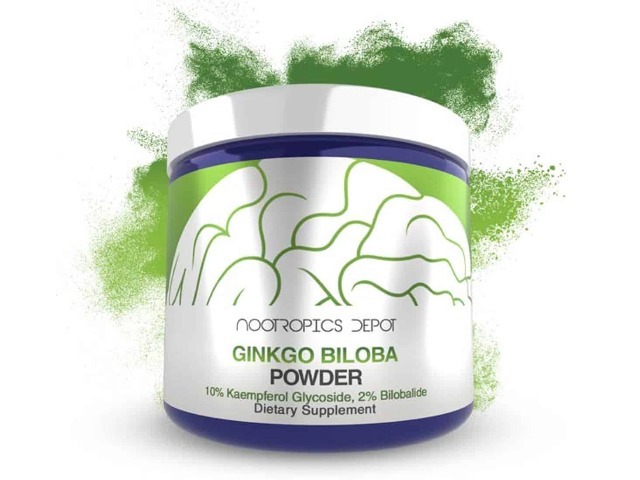
Ginkgo Biloba
Shop Now →Mountain Rose Herbs Ginkgo Biloba
Shop Now →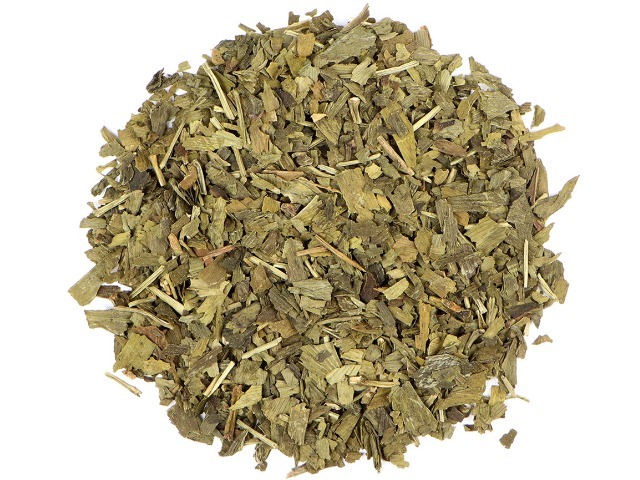
Mountain Rose Herbs Ginkgo Biloba Leaf
Shop Now →Disclosure: These are affiliate links. I earn a small commission if you purchase — at no extra cost to you. I only recommend products I personally use or have thoroughly researched.
Research & Studies
This section includes 27 peer-reviewed studies referenced in our analysis.
Principles of general anesthesia for the handicapped dental patient.
[Neuromediator changes during cerebral aging. The effect of Ginkgo biloba extract].
The ginkgo, the most ancient living tree. The resistance of Ginkgo biloba L. to pests accounts in part for the longevity of this species.
The nitric oxide-scavenging properties of Ginkgo biloba extract EGb 761.
A placebo-controlled, double-blind, randomized trial of an extract of Ginkgo biloba for dementia. North American EGb Study Group.
The dose-dependent cognitive effects of acute administration of Ginkgo biloba to healthy young volunteers.
Reduction of rise in blood pressure and cortisol release during stress by Ginkgo biloba extract (EGb 761) in healthy volunteers.
[Treatment of mild cognitive impairment: value of citicoline].
A double-blind, placebo-controlled, randomized trial of Ginkgo biloba extract EGb 761 in a sample of cognitively intact older adults: neuropsychological findings.
Effects of Ginkgo biloba on mental functioning in healthy volunteers.
Showing 10 of 27 studies. View all →