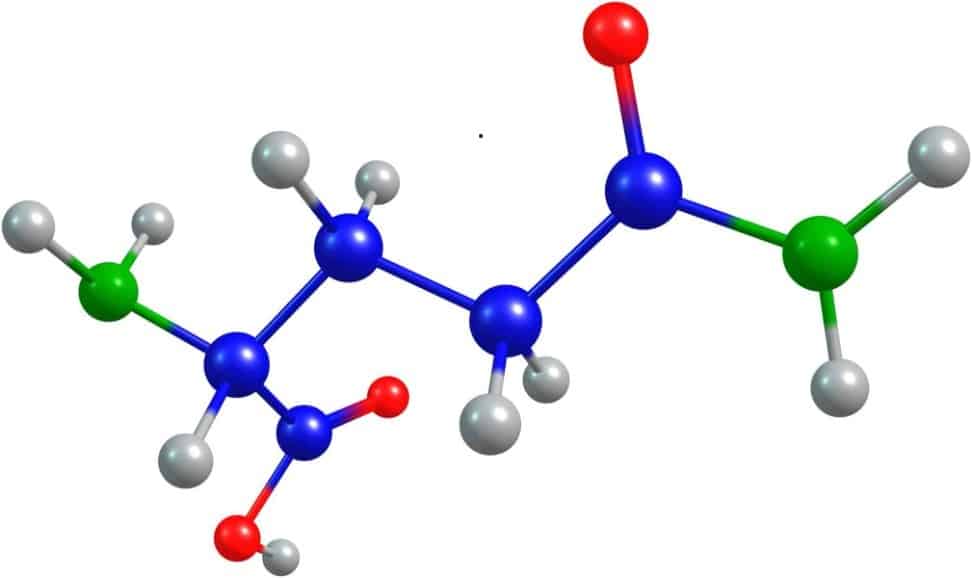

- Supports gut barrier integrity and intestinal health
- Aids alcohol withdrawal and addiction recovery
- Serves as precursor for glutamate and GABA neurotransmitters
- Supports immune function during stress
Four years ago, I threw hundreds of dollars at nootropic stacks while my gut was a complete disaster. I was chasing mental clarity while ignoring the fact that I couldn’t digest a meal without discomfort. Classic mistake.
Turns out, one of the most overlooked “nootropics” isn’t some exotic compound from the rainforest — it’s an amino acid your body already makes. L-Glutamine doesn’t have the marketing pizzazz of racetams or the Silicon Valley hype of modafinil, but for the right person, it’s quietly transformative.
Here’s the catch: it’s not a cognitive enhancer for healthy people. It’s a foundational support compound that shines when your system is under stress.
The Short Version: L-Glutamine is the most abundant amino acid in your body, serving as fuel for your gut lining and a precursor to both excitatory (glutamate) and calming (GABA) neurotransmitters. The research suggests it maintains rather than enhances cognition in healthy individuals, but excels at supporting gut health (at 30g+ daily), alcohol withdrawal, and recovery from physiological stress.
What Is L-Glutamine?
L-Glutamine is technically classified as a “conditionally essential” amino acid — meaning your body normally produces enough on its own, but demand can outstrip supply during periods of stress, intense exercise, illness, or alcohol use. It’s the most abundant amino acid in your blood and muscle tissue, which tells you something about how important it is.
Your body makes about 90% of its glutamine in muscle tissue through an enzyme called glutamine synthetase. The other 10% comes from diet — meat, fish, eggs, dairy, and some plant sources like beans and spinach. Under normal circumstances, this works great.
But here’s where it gets interesting: glutamine isn’t just a building block for proteins. It’s the preferred fuel source for your intestinal cells, a critical component of your immune system, and the precursor to both glutamate (your brain’s primary excitatory neurotransmitter) and GABA (the main calming neurotransmitter). When demand spikes — chronic stress, leaky gut, heavy training, alcohol withdrawal — your body can’t keep up with production.
The supplement industry has seized on glutamine’s role in neurotransmitter synthesis to market it as a cognitive enhancer. That’s… optimistic. If you’re healthy, well-fed, and managing stress effectively, supplementing glutamine probably won’t turn you into Bradley Cooper from Limitless. But if your gut is compromised, you’re in early addiction recovery, or you’re under significant physiological stress? That’s a different story entirely.
How Does L-Glutamine Work?
The glutamine-brain connection runs through several interconnected pathways, and understanding them helps clarify when supplementation makes sense.
First, the glutamate-glutamine cycle. In your brain, neurons release glutamate as a neurotransmitter. Nearby astrocytes (support cells) vacuum up that glutamate, convert it to glutamine, and shuttle it back to neurons, where it gets converted back into glutamate or GABA. This cycle is fundamental to normal brain function — without it, neurotransmitter signaling falls apart.
Glutamine also helps with ammonia detoxification. When your body breaks down amino acids, it produces ammonia as a waste product. In your brain, excess ammonia is neurotoxic — it disrupts neurotransmitter balance and impairs energy metabolism. Glutamine helps package ammonia for safe removal, which is why people in alcohol withdrawal (where ammonia levels can spike) often benefit dramatically from supplementation.
Here’s where the gut-brain axis becomes critical. Your intestinal cells — enterocytes — use glutamine as their primary fuel source. They need it to maintain the tight junction proteins that keep your gut barrier intact. When glutamine levels drop, gut permeability increases (hello, leaky gut), allowing inflammatory compounds and endotoxins to cross into your bloodstream. That systemic inflammation doesn’t just wreck your digestion — it affects your brain through multiple pathways, including cytokine signaling and vagus nerve communication.
A 2024 study in International Journal of Molecular Sciences found that glutamine supplementation activates glutamatergic neurotransmission and prevents chronic-stress-induced cognitive impairment in animal models. The mechanism? Glutamine deficiency in the prefrontal cortex led to depressive behaviors and cognitive decline specifically through reduced glutamatergic activity. Restore glutamine, restore function.
Translation: glutamine doesn’t enhance cognition in healthy brains — it maintains the infrastructure that makes cognition possible. Think of it like oil in an engine. If your oil level is fine, adding more doesn’t make your car faster. But if you’re running low, topping off prevents catastrophic failure.
Benefits of L-Glutamine
Let’s be honest about what the research actually shows, because supplement companies love to oversell this one.
Gut Health & Intestinal Permeability (Strong Evidence)
This is where glutamine truly shines. A 2024 systematic review and meta-analysis found that glutamine supplementation significantly reduced intestinal permeability — but only at doses over 30 grams per day, taken for less than two weeks. That’s a critical detail most articles skip.
Your gut lining regenerates every 3-5 days, and those rapidly dividing cells are metabolically hungry. They preferentially burn glutamine for fuel. Multiple studies confirm that glutamine preserves gut barrier function under conditions that would otherwise increase permeability: intense exercise, chemotherapy, inflammatory bowel conditions, and chronic stress.
In my experience, this is glutamine’s killer app. If you have diagnosed leaky gut, persistent food sensitivities, or chronic digestive issues, a short-term high-dose protocol (30g daily for 1-2 weeks) can be genuinely game-changing. I’ve seen it firsthand, both personally and in countless forum reports from people who’d tried everything else.
Alcohol Withdrawal & Addiction Recovery (Moderate-Strong Evidence)
Clinical trials show that food supplementation combining L-glutamine with D-phenylalanine and L-5-HTP significantly alleviates alcohol withdrawal symptoms and supports immune recovery. The mechanisms make sense: chronic alcohol use inhibits glutamine synthesis and absorption, depletes glutamine stores, and downregulates GABA receptors. When you suddenly stop drinking, you get glutamate overexcitation (contributing to anxiety, tremors, and seizures) combined with glucose dysregulation.
Glutamine addresses both problems. A 2007 study found that glutamine administration increased extracellular GABA concentrations by 30% in brain tissue, providing a calming effect during withdrawal. It also serves as an alternative fuel source when your brain is starved for glucose in early recovery.
Anecdotally, many people in recovery report that glutamine significantly reduces alcohol and sugar cravings — sometimes within 20-30 minutes of taking 5 grams. The effect isn’t universal, but when it works, it works fast.
Reality Check: If you’re using glutamine for addiction recovery, it’s a support tool, not a cure. You still need comprehensive treatment, behavioral support, and — this is critical — you need to address the underlying physiological damage (gut health, nutritional deficiencies, sleep dysfunction) that both contributed to and resulted from alcohol use.
Cognitive Function (Moderate Evidence, Context-Dependent)
Here’s where we need nuance. The current evidence suggests glutamine maintains cognition rather than enhances it in healthy individuals. A 2024 review in International Journal of Molecular Sciences states this explicitly: glutamine “only seems to maintain cognition” rather than providing enhancement.
However, under specific conditions — chronic stress, sleep deprivation, alcohol withdrawal, intense training — glutamine supplementation prevents cognitive decline. In animal models, glutamine preserved working memory and emotional regulation during chronic stress by maintaining glutamatergic neurotransmission in the prefrontal cortex.
So who benefits cognitively from glutamine? People whose glutamine demand exceeds supply: athletes in heavy training blocks, people under chronic stress, anyone in early addiction recovery, anyone with gut dysfunction affecting nutrient absorption. For everyone else? The cognitive benefits are modest at best.
Immune Function (Strong Evidence)
Glutamine is the primary fuel source for rapidly dividing immune cells — lymphocytes, neutrophils, macrophages. During periods of physiological stress (illness, surgery, intense training), immune cells deplete glutamine stores faster than your body can replenish them. Supplementation during these windows supports immune function.
The evidence here is solid, particularly in clinical contexts like post-surgery recovery and intensive care. For everyday immune support in healthy people? Less compelling, but it probably doesn’t hurt if you’re already supplementing for other reasons.
Exercise Recovery (Moderate Evidence)
Studies show glutamine supplementation may support recovery in athletes, with the most pronounced benefits appearing in those under significant training stress or with depleted stores. If you’re a weekend warrior, glutamine probably isn’t your limiting factor. If you’re training twice a day or doing high-volume endurance work, it might move the needle on recovery and immune function.
How to Take L-Glutamine
Getting the dosing right matters more with glutamine than with most nootropics, because effective doses vary wildly depending on your goal.
Dosage
For general cognitive and gut support: 5-10 grams daily. This is the sweet spot for most people looking to support neurotransmitter synthesis and maintain gut integrity. Start at 5 grams and assess for 2-3 weeks before increasing.
For intensive gut healing (leaky gut, IBD support): 30+ grams daily for 1-2 weeks, then drop to maintenance doses of 10-15 grams. The research shows that doses under 30 grams don’t significantly impact intestinal permeability, so don’t waste time with half-measures if gut healing is your primary goal.
For alcohol withdrawal and cravings: 5-10 grams daily, with the option to take an additional 5 grams when cravings spike. Some people report near-immediate craving reduction; others need consistent dosing for several weeks to notice effects.
For exercise recovery: 10-20 grams post-workout. Studies confirm safety for acute doses of 20-30 grams in healthy adults.
Timing
Take glutamine on an empty stomach — typically first thing in the morning or before bed — for best absorption. It competes with other amino acids for absorption, so taking it with a large protein meal reduces bioavailability.
For higher doses (30g+), split into 2-3 doses throughout the day. Example: 10 grams morning, 10 grams afternoon, 10 grams evening. This maintains more consistent blood levels and reduces the chance of GI discomfort.
Forms
Powder is strongly preferred. Glutamine powder mixed in water is absorbed quickly and efficiently. More importantly, it’s practical — getting 30 grams from capsules would require swallowing 30-60 pills, which is absurd.
Capsules work fine for maintenance doses (5 grams or less), but they’re inconvenient and expensive for therapeutic protocols.
There’s L-glutamine and glutamine peptides. Most research uses L-glutamine (the free-form amino acid), which is what I recommend. Glutamine peptides are sometimes marketed as more stable or better absorbed, but the evidence doesn’t strongly support paying the premium.
Pro Tip: Glutamine powder is tasteless and dissolves easily in water, which makes compliance easy. I mix mine in a glass of water first thing in the morning and down it before coffee. No excuses, no forgetting.
Cycling
You don’t need to cycle glutamine. Your body produces it continuously under normal conditions, so there’s no downregulation concern. That said, if you’re doing a high-dose gut-healing protocol (30g+ daily), it makes sense to taper down to maintenance doses after 1-2 weeks rather than staying at therapeutic doses indefinitely.
Side Effects & Safety
Glutamine is remarkably well-tolerated at standard doses, but there are some important considerations.
Common Side Effects
The most frequently reported effects in clinical trials are:
- Constipation (21%)
- Nausea (19%)
- Headache (18%)
- Abdominal pain (17%)
Most of these are mild and resolve with dose adjustment or taking glutamine with food. If you experience persistent GI discomfort, try splitting your dose into smaller servings throughout the day.
Serious Concerns
Important: If you have advanced liver disease (cirrhosis, hepatic encephalopathy), avoid glutamine supplementation. Glutamine is metabolized to glutamate and ammonia, and a compromised liver can’t efficiently clear the ammonia. High doses (10-20 grams) have been shown to elevate serum ammonia in patients with decompensated cirrhosis, which can worsen hepatic encephalopathy.
In rare cases, glutamine supplementation has triggered manic episodes in susceptible individuals — characterized by racing thoughts, increased energy, decreased need for sleep, and risk-taking behavior. If you have bipolar disorder or a history of mania, approach glutamine cautiously and discuss it with your healthcare provider.
Extremely rare: glutamine powder-induced hepatotoxicity. A handful of case reports exist, but causation is unclear. Monitor for signs of liver stress (fatigue, jaundice, dark urine, abdominal pain) if you’re taking high doses long-term.
Contraindications
- Advanced liver disease (cirrhosis, hepatic encephalopathy)
- Pregnancy and breastfeeding (insufficient safety data)
- History of manic episodes or bipolar disorder (use with caution)
Drug Interactions
Good news here: glutamine has no known severe, serious, moderate, or mild drug interactions. It’s metabolized via non-CYP enzymes, so it doesn’t interfere with medications processed by the cytochrome P450 system.
That said, always discuss new supplements with your healthcare provider, especially if you’re on medications for liver, kidney, or psychiatric conditions.
Stacking L-Glutamine
Glutamine works best as a foundational amino acid in combination with other compounds that support neurotransmitter synthesis and gut-brain axis function.
For Neurotransmitter Support: L-Pyroglutamic Acid + Caffeine + L-Theanine
L-Pyroglutamic acid (a glutamine derivative) has synergistic effects with caffeine, enhancing focused energy beyond what either achieves alone. Add L-theanine to smooth out caffeine’s jittery edge and you’ve got a powerful, clean-stimulation stack.
Dosing:
- L-Glutamine: 5g morning
- L-Pyroglutamic Acid: 500-1000mg
- Caffeine: 100-200mg
- L-Theanine: 200mg
This combination enhances glutamatergic activity (focus, alertness) while maintaining GABAergic balance (calm, smooth energy).
For Gut-Brain Axis Health: Glutamine + Zinc Carnosine + Probiotics
If you’re addressing leaky gut or chronic digestive issues, stack glutamine with compounds that support mucosal healing and microbiome balance.
Dosing:
- L-Glutamine: 30g daily (split doses) for 1-2 weeks, then 10g maintenance
- Zinc Carnosine: 75mg twice daily
- Probiotics: Multi-strain formula with 10+ billion CFU
The glutamine fuels enterocyte repair, zinc carnosine supports mucosal healing, and probiotics restore microbial balance. This is the stack I used to fix my gut years ago, and it worked when nothing else had.
For Addiction Recovery: Glutamine + NAC + Magnesium + B-Complex
Support neurotransmitter synthesis, reduce cravings, and address nutritional deficiencies common in early recovery.
Dosing:
- L-Glutamine: 5-10g daily (+ 5g when cravings hit)
- N-Acetyl Cysteine (NAC): 1200-1800mg daily
- Magnesium Glycinate: 400-600mg daily
- B-Complex: High-potency formula
Clinical trials combining glutamine with D-phenylalanine and L-5-HTP showed significant improvements in withdrawal symptoms and immune recovery. NAC reduces cravings through glutathione support and glutamate modulation. Magnesium restores NMDA receptor function.
What to AVOID Combining
No specific contraindications, but general caution:
- Excessive protein/amino acid supplementation: Competes for absorption. If you’re taking 30+ grams of glutamine, don’t also chug a 50-gram protein shake at the same time.
- Alcohol: Counteracts benefits and depletes glutamine stores. (Obvious, but worth stating.)
Related Substances
If glutamine doesn’t move the needle for you, consider these alternatives:
L-Theanine: Structurally similar (N-ethyl-L-glutamine), with stronger evidence for anxiety reduction and focus enhancement in healthy individuals.
Alpha-GPC: If you’re seeking cognitive enhancement specifically, Alpha-GPC has more robust evidence for cholinergic support and memory improvement.
N-Acetyl Cysteine (NAC): Complementary for glutathione synthesis and addiction recovery support, with different but overlapping mechanisms.
Magnesium Glycinate: Essential for NMDA receptor function and GABA support — pairs beautifully with glutamine.
My Take
L-Glutamine is one of those rare supplements where my personal experience and the research are in complete alignment: it’s not a magic bullet, and it’s not a cognitive enhancer for healthy people, but for the right use cases, it’s quietly transformative.
Who should try L-Glutamine:
1. Anyone with diagnosed leaky gut or chronic digestive issues. This is where the evidence is strongest and the benefits most dramatic. If you’ve struggled with food sensitivities, chronic bloating, or inflammatory bowel conditions, a 1-2 week high-dose protocol (30g daily) is worth trying. I’ve seen it work for too many people — including myself — to dismiss it.
2. People in alcohol or addiction recovery. The combination of craving reduction, GABA support, and alternative fuel provision during early recovery makes glutamine a no-brainer addition to comprehensive treatment. It’s not a replacement for therapy or medical supervision, but it’s a powerful support tool.
3. Athletes under heavy training loads. If you’re doing high-volume training, back-to-back sessions, or preparing for a major event, glutamine supports immune function and recovery when your body’s endogenous production can’t keep up.
4. Anyone under chronic physiological stress. Illness, surgery recovery, chronic sleep deprivation, or prolonged psychological stress — these all deplete glutamine faster than your body can make it. Supplementing during these windows prevents cognitive and immune decline.
Who should skip L-Glutamine:
If you’re healthy, managing stress well, eating a balanced diet, and looking for cognitive enhancement, glutamine probably isn’t your best bet. Try Bacopa Monnieri, Lion’s Mane, or Alpha-GPC instead — they have stronger evidence for direct cognitive benefits in healthy populations.
If you have advanced liver disease, stay away entirely. The ammonia metabolism concern is real.
My protocol:
I keep glutamine powder on hand and cycle it based on need rather than taking it continuously. When I’m under heavy stress, traveling frequently, or noticing gut issues creeping back, I’ll run 10 grams daily for a few weeks. When everything’s stable, I don’t bother. My gut health is solid now, so I don’t need the maintenance dose I relied on years ago.
The biggest lesson I learned with glutamine: dose matters. I wasted months taking 5 grams daily for gut healing and seeing minimal results. When I bumped to 30 grams daily for two weeks, the difference was night and day. Don’t half-ass the dosing if gut healing is your goal.
Final thought: glutamine isn’t sexy, and it won’t make you limitless. But if your gut is broken, your neurotransmitter synthesis is compromised, or you’re in early recovery, it’s one of the most underrated tools in the nootropic toolbox. Start with foundations — gut, sleep, stress — and glutamine fits perfectly into that framework.
Recommended L-Glutamine Products
I know how frustrating it is to sort through dozens of brands making the same claims. These are the ones I've personally vetted — because quality is the difference between results and wasted money.
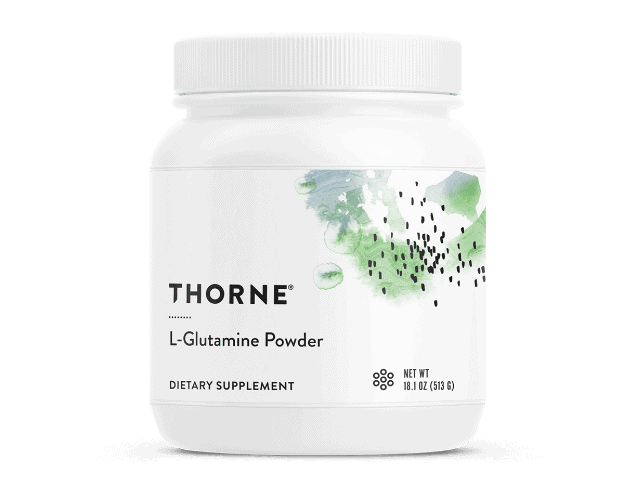
L-Glutamine by Thorne
Shop Now →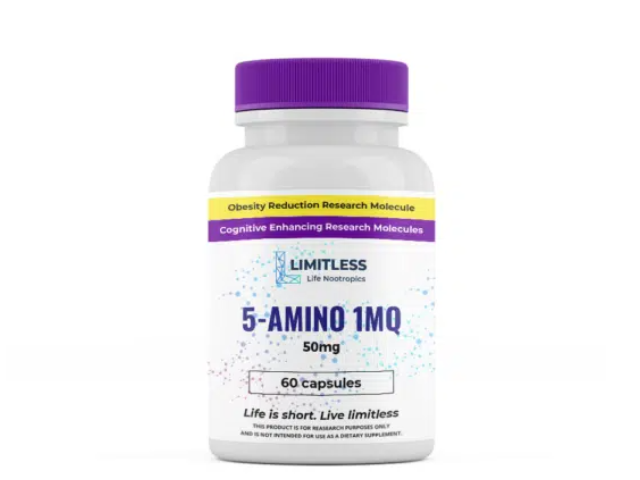
5-Amino-1MQ Capsules by Limitless Life Nootropics
Shop Now →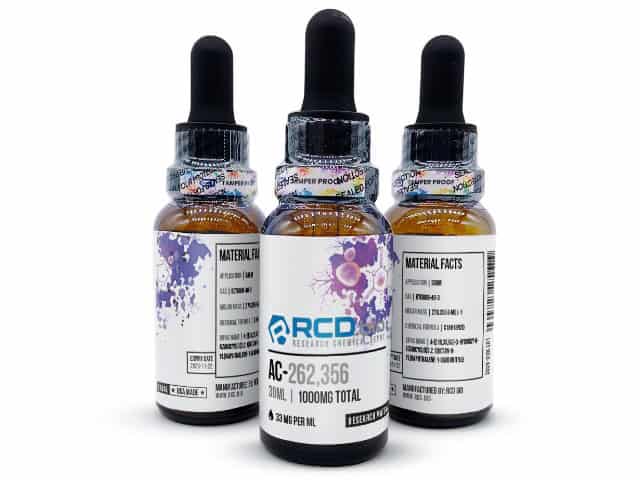
AC-262356 Liquid by Research Chemical Depot
Shop Now →Disclosure: These are affiliate links. I earn a small commission if you purchase — at no extra cost to you. I only recommend products I personally use or have thoroughly researched.
Research & Studies
This section includes 9 peer-reviewed studies referenced in our analysis.