
- Physical performance
- Sexual health
- Stress resilience
- Cognitive support
- Mood enhancement
I’ll admit it—I first tried maca because I read somewhere that Inca warriors ate it before battle. I was struggling with afternoon energy crashes that made me feel like I needed tactical intervention, so I bought the cheapest bag I could find. It was Chinese-grown, raw, and tasted like dirt mixed with regret. My digestion revolted immediately, and I concluded this “superfood” was overhyped nonsense.
Turns out, I was doing everything wrong. Real maca—specifically Lepidium meyenii cultivated in the Peruvian Andes at 14,000 feet—isn’t just another energy powder. It’s a completely different beast that works through mechanisms no other adaptogen touches.
The Short Version: Lepidium meyenii (Maca) is a cruciferous root containing unique compounds called macamides that support sustainable energy, sexual function, and cognitive resilience. Unlike stimulants that force alertness, it enhances mitochondrial efficiency and dopamine sensitivity. Best for those seeking vitality without hormonal disruption or crashes.
What Is Lepidium meyenii?
Lepidium meyenii is a cruciferous vegetable in the Brassicaceae family—technically a cousin of broccoli and cabbage—that grows exclusively at altitudes of 4,000–4,500 meters above sea level in the central Andes. The edible part is the hypocotyl, an underground stem that looks like a small turnip and ranges in color from pale yellow to deep black.
The plant has been cultivated for at least 2,000 years, serving as a staple crop for the Inca civilization. Historical accounts suggest it was so valued for stamina that warriors were forbidden from eating it during peacetime to preserve supplies. Botanist Gerhard Walpers formally described it in 1843, but Western scientific interest didn’t surge until the 1990s when researchers began investigating its fertility applications.
Three distinct phenotypes exist, each with different phytochemical profiles:
- Yellow Maca: The most common variety (60–70% of harvest), associated with general adaptogenic and energetic effects
- Red Maca: Higher antioxidant content, traditionally used for prostate and bone health
- Black Maca: Highest concentration of macamides and macaridins, preferred for cognitive enhancement and male fertility
Reality Check: Maca is not a hormone. It doesn’t contain testosterone, estrogen, or progesterone. Despite marketing claims, it works as a “hormonal buffer”—supporting your endocrine system’s ability to regulate itself rather than flooding it with external signals. This makes it distinct from direct hormone replacement or even herbs like Tongkat Ali that stimulate production.
How Does Lepidium meyenii Work?
Maca’s effects stem from macamides and macaridins—benzylalkamide compounds found nowhere else in the plant kingdom. These lipophilic molecules cross the blood-brain barrier and modulate multiple systems simultaneously.
The Endocannabinoid Connection Macamides act as FAAH (fatty acid amide hydrolase) inhibitors. This means they slow the breakdown of anandamide—your body’s natural “bliss molecule.” The result is subtle mood elevation and anxiolytic effects without the risks of direct serotonin agonism. This FAAH inhibition is unique among adaptogens; neither Ashwagandha nor Rhodiola Rosea touch this pathway significantly.
Dopaminergic Modulation Rather than directly stimulating dopamine receptors like stimulants, maca appears to inhibit MAO-B activity and upregulate tyrosine hydroxylase. Translation: it helps your brain use dopamine more efficiently and make more of it, without the receptor downregulation and crashes associated with amphetamine-like compounds.
Mitochondrial Enhancement Animal studies demonstrate that maca upregulates PGC-1α pathways and autophagy-related proteins (ATG5, LC3-II) in cortical tissue. This enhances mitochondrial biogenesis—the creation of new cellular power plants—and clears out damaged mitochondria through autophagy. For aging brains or those under chronic stress, this is like finally cleaning the solar panels and upgrading the battery bank at the same time.
Neurotrophic Support Through TrkB receptor activation, maca increases brain-derived neurotrophic factor (BDNF). This promotes hippocampal neurogenesis and synaptic plasticity—the physical “rewiring” capacity your brain needs for learning and memory.
Benefits of Lepidium meyenii
The evidence for maca varies significantly by application. Here’s the honest breakdown:
| Benefit | Evidence Level | Key Mechanism |
|---|---|---|
| Physical performance | Strong (Human RCTs) | Mitochondrial efficiency, ATP production |
| Sexual health/libido | Strong (Human RCTs) | Dopaminergic modulation, endothelial function |
| Mood/anxiety | Moderate (Human trials) | FAAH inhibition, serotonergic enhancement |
| Cognitive function | Moderate (Animal > Human) | BDNF upregulation, neuroprotection |
| Hormonal balance | Moderate | HPG/HPA axis modulation |
Physical Performance A 2025 meta-analysis confirmed significant improvements in endurance and time-to-exhaustion across both animal and human studies. The mechanism isn’t stimulation—it’s enhanced mitochondrial efficiency and lactate clearance. A recent double-blind trial in basketball players demonstrated improved sport-specific performance metrics without elevations in heart rate or cortisol.
Sexual Health This is where maca shines brightest. Multiple RCTs show improved sexual desire in men and women without altering serum testosterone or estrogen levels. For postmenopausal women, studies demonstrate significant improvements in sexual dysfunction and psychological symptoms independent of hormonal content. It works via dopaminergic and endothelial mechanisms rather than brute-force hormone manipulation.
Cognitive Support The cognitive evidence is promising but preliminary. Rodent studies show strong protection against scopolamine-induced amnesia and preservation of cognitive function in aging models via autophagy enhancement. Human data is limited to open-label studies showing reduced anxiety and secondary cognitive benefits from mood improvement. Think of it as neuroprotective support rather than acute cognitive enhancement.
How to Take Lepidium meyenii
Form Matters Raw maca contains hard-to-digest starches and goitrogenic compounds. Most people do better with gelatinized (pre-cooked) versions or extracts.
| Form | Typical Dosage | Bioavailability Notes |
|---|---|---|
| Raw Powder | 3,000mg daily | Full enzyme profile; may cause bloating |
| Gelatinized | 1,500–2,000mg | Starch removed; 2–3x concentrated |
| Standardized Extract (0.6% macamides) | 500–1,000mg | Most consistent; fat-soluble |
| Concentrated (10:1 or 20:1) | 300–600mg | Best for cognitive protocols |
Critical Timing Considerations Macamides are fat-soluble. Always take with meals containing dietary fat—avocado, nuts, olive oil, or fatty fish. Absorption increases significantly compared to water-only administration.
Take in the morning or early afternoon. The dopaminergic modulation can be mildly stimulating, and evening doses may disrupt sleep architecture.
Color-Specific Dosing
- Black Maca: 1,500–2,000mg for cognitive focus and pre-workout
- Yellow Maca: 3,000mg for general vitality and energy
- Red Maca: 2,000–3,000mg for antioxidant support and prostate health
Cycling Protocols While not strictly necessary, traditional use suggests:
- 6 days on, 1 day off, or
- 3 weeks on, 1 week off
This prevents potential receptor desensitization and aligns with how adaptogens were historically consumed in the Andes.
Insider Tip: If you’re new to maca, start with gelatinized yellow maca at 1,500mg daily for two weeks before experimenting with black maca extracts. The digestive system needs time to adjust to the unique fiber profile, and the adaptogenic effects build cumulatively rather than acutely.
Side Effects & Safety
Common Side Effects
- Digestive upset, gas, or bloating (especially with raw/non-gelatinized forms)
- Insomnia or overstimulation if taken after 2 PM
- Increased body temperature or sensation of heat
- Mild acne or skin changes (rare; usually resolves with hormonal balancing)
Serious Considerations
Important: Maca contains glucosinolates—goitrogenic compounds that can interfere with iodine uptake. If you have hypothyroidism, Hashimoto’s, or any thyroid condition, avoid maca unless you’re working with a clinician who can monitor thyroid function and ensure adequate iodine intake.
Contraindications
- Hormone-sensitive cancers: While maca doesn’t contain hormones, its effects on HPG axis modulation warrant caution in estrogen receptor-positive cancers until more safety data exists
- Pregnancy and nursing: Traditional use includes pregnancy support, but modern medical consensus recommends avoiding due to lack of controlled safety studies
- Hypertension: May mildly lower blood pressure; use caution with antihypertensive medications
Drug Interactions
- Anticoagulants: High doses may have mild antiplatelet effects; monitor with warfarin
- MAOIs: Theoretical interaction via dopaminergic modulation
- Hormonal therapies: May interact with HRT or testosterone replacement by modulating receptor sensitivity
Stacking Lepidium meyenii
Maca plays well with others, particularly in adaptogenic and cognitive stacks:
The Andean-Siberian Stack Combine with Rhodiola Rosea for complementary HPA axis support. Maca handles the dopaminergic energy and sexual health; Rhodiola manages acute stress and fatigue resistance. Dosage: 1,500mg maca (black) + 300mg Rhodiola (3% rosavins), morning only.
Mitochondrial Enhancement Pair with Cordyceps for synergistic ATP production. Both enhance mitochondrial biogenesis through different pathways—maca via autophagy/PGC-1α, Cordyceps via oxygen utilization and VO2 max.
Cognitive Support Stack with Lion’s Mane for dual neurotrophic support. Maca upregulates BDNF via TrkB; Lion’s Mane stimulates NGF. Together they cover multiple neurotrophic pathways.
HPA Optimization Combine with Ashwagandha for comprehensive stress resilience. Ashwagandha modulates cortisol and GABA; maca supports dopamine and energy. This creates balance without sedation.
Avoid Combining With:
- High-dose caffeine or synthetic stimulants (risk of overstimulation)
- Mucuna Pruriens at high doses (redundant dopaminergic modulation may cause imbalance)
- Sedatives or sleep aids (may reduce efficacy due to dopaminergic activation)
My Take
After years of cycling through various adaptogens, maca has earned a permanent spot in my cabinet—but with caveats. It won’t hit you like a nootropic “smart drug.” There’s no moment of “whoa, I’m dialed in” like you might get with Citicoline or Alpha-GPC. Instead, after about two weeks of consistent morning use, you realize you haven’t hit the 3 PM wall in days. Your libido is quietly optimized. Your stress response feels… buffered.
Who it’s best for: If you’re dealing with HPA axis dysregulation, age-related cognitive concerns, or you simply can’t tolerate stimulant-based nootropics, maca is foundational. It’s particularly valuable for perimenopausal women or men experiencing andropause who need hormonal support without direct hormone manipulation.
Who should skip it: If you need acute focus for a deadline tomorrow, look elsewhere. If you have thyroid issues and aren’t working with a practitioner, avoid it. And please—don’t buy the cheap Chinese-grown stuff. The altitude stress is what creates the macamides. Without that 14,000-foot Peruvian environment, you’re just eating expensive dirt.
Start with gelatinized yellow maca at 1,500mg daily, take it with breakfast containing fat, and give it four weeks before judging the results. Your mitochondria will thank you—even if your email password remains memorable.
Recommended Maca Root Products
I know how frustrating it is to sort through dozens of brands making the same claims. These are the ones I've personally vetted — because quality is the difference between results and wasted money.
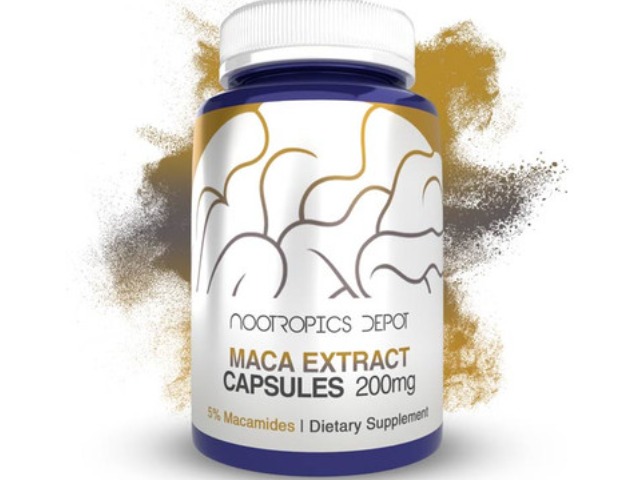
Disclosure: These are affiliate links. I earn a small commission if you purchase — at no extra cost to you. I only recommend products I personally use or have thoroughly researched.