
- Enhances dopamine production through natural L-DOPA
- Supports motivation and mood
- Improves stress resilience and cortisol management
- Neuroprotective against oxidative damage
- May enhance male fertility parameters
I spent three months chasing “productivity hacks” — weird sleep schedules, ice-cold showers at 5 AM, enough coffee to fuel a small country — before I realized the real problem. My dopamine system was running on fumes.
That’s when I discovered Mucuna pruriens, a fuzzy tropical bean that’s been used in Ayurvedic medicine for thousands of years. It sounds like something from a fantasy novel, but the science is remarkably solid: this plant naturally contains L-DOPA, the direct precursor your brain uses to make dopamine.
If you’ve been struggling with motivation, focus, or that flat feeling where nothing seems rewarding anymore, this guide will show you what Mucuna actually does — and whether it’s the right tool for your situation.
The Short Version: Mucuna pruriens is a natural source of L-DOPA that directly enhances dopamine production in the brain. It’s best for people dealing with low motivation, stress-related mood issues, or dopamine depletion from stimulant overuse. The effects are real, but they require consistent use over weeks, not hours.
What Is Mucuna Pruriens?
Mucuna pruriens is a tropical legume native to Africa and Asia, traditionally used in Ayurvedic medicine under the name “Kapikacchu.” The seeds contain 4-7% L-DOPA (levodopa) by dry weight — the same compound used in pharmaceutical treatments for Parkinson’s disease, except Mucuna delivers it alongside a full spectrum of complementary phytochemicals.
The plant has been used for centuries to support vitality, mood, and reproductive health. Modern research has validated many of these traditional uses, particularly around dopaminergic enhancement and neuroprotection. What makes Mucuna unique among natural dopamine supporters is that it doesn’t just nudge dopamine synthesis — it provides the actual building block your brain converts directly into dopamine.
But here’s the foundational piece most people miss: if your dopamine system is depleted because you’re chronically stressed, sleep-deprived, or eating a nutrient-poor diet, Mucuna is putting premium fuel into a broken engine. This isn’t a magic bullet that fixes lifestyle problems. It’s a tool that works best when the basics are dialed in.
Think of dopamine like the “reward currency” of your brain. It’s what makes you feel motivated to pursue goals, experience pleasure from accomplishments, and maintain focus on challenging tasks. When dopamine signaling is optimized, life has color. When it’s depleted, everything feels grey and effortful.
Mucuna pruriens works by directly supplying L-DOPA, which crosses the blood-brain barrier and gets converted into dopamine. This is fundamentally different from substances like L-Tyrosine (which provides raw materials for dopamine synthesis) or Rhodiola Rosea (which modulates dopamine receptor sensitivity). Mucuna takes a more direct route.
How Does Mucuna Pruriens Work? (The Science Behind the Bean)
The primary mechanism is elegantly simple: Mucuna pruriens contains L-DOPA, which your brain converts directly into dopamine.
L-DOPA crosses the blood-brain barrier via active transport, then undergoes enzymatic conversion by aromatic L-amino acid decarboxylase (AADC) into dopamine. This is the exact same pathway pharmaceutical L-DOPA uses — except Mucuna provides it in a natural matrix with complementary compounds that may reduce side effects and enhance neuroprotection.
But the story doesn’t end with dopamine synthesis. Research shows Mucuna pruriens works through multiple complementary mechanisms:
Neuroprotection through antioxidant activity. The plant contains flavonoids, alkaloids, and tannins that directly scavenge free radicals and reduce oxidative stress. A 2004 study in Phytotherapy Research found that Mucuna extracts significantly reduced oxidative stress markers like malondialdehyde while increasing endogenous antioxidant enzymes like superoxide dismutase and catalase. Translation: it protects your dopamine-producing neurons from the damage that accumulates from stress, inflammation, and aging.
Anti-inflammatory effects in neural tissue. Mucuna downregulates key inflammatory pathways including inducible nitric oxide synthase (iNOS), glial fibrillary acidic protein (GFAP), and nuclear factor kappa B (NF-κB). Chronic neuroinflammation impairs dopamine signaling even when dopamine levels are adequate — it’s like trying to make a phone call on a damaged network. By reducing inflammation, Mucuna helps restore the quality of dopaminergic transmission.
Possible serotonergic modulation. While primarily dopaminergic, research suggests Mucuna may also influence serotonin pathways. This contributes to its antidepressant effects and may explain why users report mood benefits that extend beyond what you’d expect from dopamine alone. The interaction between dopamine and serotonin is complex — they’re not isolated systems but rather interconnected regulators of mood, motivation, and emotional processing.
Here’s the key insight: Mucuna pruriens isn’t just dumping dopamine into your brain and hoping for the best. It’s providing the precursor within a protective matrix of compounds that support the health of dopaminergic neurons. This is why some Parkinson’s researchers have found Mucuna to be better tolerated than isolated pharmaceutical L-DOPA — the whole-plant extract appears to buffer some of the side effects.
Benefits of Mucuna Pruriens (What the Research Actually Shows)
Let’s separate the well-supported benefits from the preliminary findings and the internet hype.
Enhanced Motivation and Mood (Strong Evidence)
This is where Mucuna shines. Multiple studies show significant improvements in mood, motivation, and stress resilience with consistent use.
A 2010 study published in Evidence-Based Complementary and Alternative Medicine found that infertile men taking Mucuna pruriens showed significant reductions in psychological stress scores and cortisol levels, with corresponding improvements in dopamine concentrations. The dopamine boost wasn’t just a number on a lab report — participants reported tangible improvements in mood and stress tolerance.
In my experience, the motivational shift from Mucuna isn’t like caffeine (instant energy) or Modafinil (forced wakefulness). It’s more like gradually turning up the “this matters to me” dial. Tasks that felt like pushing a boulder uphill start feeling… achievable. Doable. Worth doing.
Neuroprotection in Parkinson’s Disease (Clinical Evidence)
The most robust clinical evidence for Mucuna comes from Parkinson’s research. A 2004 double-blind, placebo-controlled trial in the Journal of Neurology, Neurosurgery & Psychiatry compared Mucuna pruriens extract to pharmaceutical levodopa/carbidopa in Parkinson’s patients.
The results were striking: Mucuna produced faster onset, longer duration of action, and fewer dyskinesias (involuntary movements that are a common side effect of synthetic L-DOPA). Patients taking Mucuna showed comparable improvements in motor function with better tolerability.
This doesn’t mean Mucuna is a replacement for medical treatment of Parkinson’s — but it does demonstrate that the L-DOPA in Mucuna is pharmacologically active and well-absorbed. If it works in a population with severe dopaminergic depletion, the mechanisms are likely valid for general cognitive enhancement.
Male Fertility and Testosterone Support (Moderate Evidence)
Multiple studies have found that Mucuna pruriens improves sperm parameters in infertile men. A 2009 study in Fertility and Sterility showed that Mucuna supplementation improved sperm count, motility, and morphology while increasing testosterone and luteinizing hormone levels.
The proposed mechanism involves both the hypothalamic-pituitary-gonadal axis and direct reduction of oxidative stress in reproductive tissues. A 2010 study found that Mucuna reduced seminal lipid peroxidation and improved antioxidant status in infertile men.
If you’re not dealing with fertility issues, this probably isn’t your primary reason for taking Mucuna — but the testosterone and stress-reduction effects may contribute to overall vitality and recovery.
Blood Sugar and Metabolic Support (Preliminary Evidence)
Several studies in diabetic animal models show that Mucuna pruriens reduces blood glucose levels and improves insulin sensitivity. A 2011 study in the Asian Pacific Journal of Tropical Medicine found significant anti-diabetic effects in diabetic rats.
The evidence in humans is limited, but the mechanism appears to involve oligocyclitols (inositol-related compounds) that enhance glucose metabolism. This is interesting but preliminary — don’t use Mucuna as a primary intervention for blood sugar issues without medical guidance.
Reality Check: The Parkinson’s research is solid. The mood and motivation benefits are well-supported. The fertility research is promising. Everything else (blood sugar, longevity, cognitive enhancement beyond dopamine) is in the “interesting but needs more research” category. Don’t buy into claims that aren’t backed by human trials.
How to Take Mucuna Pruriens (Without Wasting Your Money)
Dosage
| Use Case | Dosage | Timing | Notes |
|---|---|---|---|
| General mood/motivation support | 200-300mg | Morning with food | Start here for 2-3 weeks |
| Cognitive enhancement | 300-500mg | Morning with food | Assess tolerance before increasing |
| Therapeutic (stress recovery) | 400-600mg | Morning + optional afternoon dose | Split if needed; avoid evening doses |
| Clinical use (under guidance) | Up to 15g whole seed powder | 2-3 divided doses | Medical supervision required |
Critical detail: These dosages assume a standardized extract (typically 15-20% L-DOPA). Whole seed powder contains much less L-DOPA by weight, requiring higher doses. Always check the L-DOPA content on your supplement label.
Most people respond well to 300-500mg of standardized extract daily. Some find benefit at lower doses (200mg), while others need the upper range. There’s individual variation in how efficiently you convert L-DOPA to dopamine.
Pro Tip: Take Mucuna with a small amount of protein and fat. L-DOPA competes with other amino acids for absorption, so taking it on a completely empty stomach with other protein sources can reduce bioavailability. A small meal (not a huge protein shake) is ideal.
Forms and Bioavailability
Standardized extract (15-20% L-DOPA): The most common and cost-effective form. Provides consistent L-DOPA content. This is what most research uses.
Whole seed powder: Contains the full spectrum of plant compounds but requires higher doses (5-15g) to match the L-DOPA content of extracts. Some users prefer this for the “entourage effect” of unextracted compounds.
Mucuna + Carbidopa combinations: Some formulations pair Mucuna with carbidopa (a pharmaceutical compound that prevents peripheral breakdown of L-DOPA). This increases brain delivery but requires medical oversight — it’s essentially creating a DIY Parkinson’s medication.
For most people, standardized extract is the sweet spot — consistent, affordable, well-studied.
Timing and Cycling
Morning dosing works best for most people. Dopamine is wakeful and motivating — taking Mucuna in the evening can interfere with sleep.
Cycling isn’t strictly necessary for Mucuna like it is for some stimulants, but many users find that taking 1-2 days off per week helps maintain sensitivity. I typically use it 5 days on, 2 days off, aligned with workdays.
Long-term daily use (months to years) has been studied in Parkinson’s populations without significant tolerance issues, but there’s less data on healthy individuals. My approach: use it during high-demand periods, take occasional breaks, and listen to your body. If the effects diminish, take a week off.
Insider Tip: Don’t expect immediate effects like you would with caffeine. Mucuna works cumulatively. Most people notice the mood and motivation shift after 5-7 days of consistent use. Give it at least 2-3 weeks before deciding if it’s working for you.
Starting Protocol
- Week 1: Start with 200mg standardized extract in the morning with breakfast. Assess tolerance.
- Week 2-3: If well-tolerated, increase to 300-400mg. This is where most people find their effective dose.
- Week 4+: Adjust based on response. Some people thrive at 300mg, others need 500mg. Rarely is more than 600mg necessary for general use.
Side Effects & Safety (What Could Go Wrong)
Mucuna pruriens is generally well-tolerated, but L-DOPA is pharmacologically active — it’s not inert.
Common side effects (mild, dose-dependent):
- Nausea or digestive upset (most common, especially at higher doses)
- Headache
- Dizziness
- Vivid dreams or altered sleep architecture
These typically resolve with dose reduction or taking Mucuna with food. If nausea persists, try splitting your dose or switching to whole seed powder, which some people tolerate better.
Who should avoid Mucuna:
- People taking MAO inhibitors (risk of hypertensive crisis)
- People with a history of melanoma (L-DOPA may stimulate melanoma cells)
- Pregnant or nursing women (insufficient safety data)
- People taking antipsychotic medications (dopamine antagonism creates a direct conflict)
Important: If you’re taking any psychiatric medication, especially antipsychotics or MAO inhibitors, do NOT take Mucuna without consulting your prescribing physician. The interaction potential is significant.
Drug Interactions
| Medication/Substance | Interaction Type | Risk Level | Notes |
|---|---|---|---|
| MAO Inhibitors (selegiline, phenelzine) | Hypertensive crisis | High | Absolute contraindication |
| Antipsychotics (haloperidol, risperidone) | Dopamine antagonism | High | Directly opposes medication mechanism |
| SSRIs/SNRIs | Possible serotonergic interaction | Low-Moderate | Monitor for agitation or mood changes |
| Blood pressure medications | Additive hypotensive effect | Moderate | May lower blood pressure further |
| Diabetes medications | Possible hypoglycemia | Low-Moderate | Monitor blood sugar if diabetic |
| L-DOPA pharmaceuticals | Additive dopaminergic effects | Moderate-High | Medical supervision required |
Pregnancy and Nursing: Insufficient safety data. Avoid use.
Long-term considerations: Parkinson’s patients have used Mucuna for years without significant adverse effects, but there’s less data on long-term use in healthy populations. The theoretical concern is downregulation of endogenous dopamine synthesis — essentially, could your brain get “lazy” if you’re constantly supplying L-DOPA? The evidence doesn’t strongly support this, but it’s why I recommend cycling and occasional breaks.
Stacking Mucuna Pruriens (The Combinations That Actually Work)
Mucuna pairs well with compounds that support dopamine metabolism, enhance focus, or buffer against overstimulation.
For Focus and Productivity
The Dopamine + Acetylcholine Stack:
- 300mg Mucuna pruriens (standardized extract)
- 300mg Alpha-GPC or Citicoline
- 100-200mg L-Theanine
- Optional: 100mg caffeine if you tolerate stimulants
Why it works: Mucuna provides dopamine for motivation and drive. Alpha-GPC supports acetylcholine for memory and processing speed. L-Theanine smooths the edges and prevents overstimulation. This is my go-to stack for deep work sessions.
Timing: Morning, with or shortly after breakfast.
For Mood and Stress Resilience
The Adaptogenic Dopamine Stack:
- 300-400mg Mucuna pruriens
- 300-400mg Rhodiola Rosea (3% rosavins)
- 200-400mg Ashwagandha (KSM-66 or Sensoril)
- 200mg L-Tyrosine (optional for additional dopamine precursor support)
Why it works: Mucuna directly enhances dopamine. Rhodiola modulates dopamine and serotonin receptor sensitivity while reducing stress hormone output. Ashwagandha lowers cortisol and supports GABA signaling for a calming counterbalance. L-Tyrosine provides additional raw material for catecholamine synthesis.
Timing: Morning for Mucuna and Rhodiola, Ashwagandha can be split (morning/evening) or taken at night if it makes you drowsy.
For Recovery and Neuroprotection
The Brain Health Stack:
- 300mg Mucuna pruriens
- 500-1000mg Lion’s Mane (8:1 extract)
- 500-1000mg Omega-3 fatty acids (high DHA)
- 200-400mg Magnesium L-Threonate
Why it works: Mucuna supports dopaminergic function. Lion’s Mane stimulates nerve growth factor for neuroplasticity. Omega-3s provide structural support for neuronal membranes. Magnesium L-Threonate enhances synaptic density and supports learning and memory.
Timing: Mucuna in the morning, Lion’s Mane morning or afternoon, Omega-3s with a fat-containing meal, Magnesium L-Threonate in the evening.
What to AVOID Combining
Mucuna + Synthetic Stimulants (Adderall, Vyvanse): Excessive dopaminergic activity. Risk of anxiety, overstimulation, and cardiovascular stress. If you’re prescribed stimulant medication, talk to your doctor before adding Mucuna.
Mucuna + High-Dose Caffeine: While low-to-moderate caffeine (100-200mg) pairs well, high doses (400mg+) combined with Mucuna can create jitteriness and anxiety. Both enhance catecholamine activity.
Mucuna + Other Direct Dopamine Precursors: Combining Mucuna with pharmaceutical L-DOPA or high-dose L-Tyrosine creates redundancy and increases side effect risk. Pick one dopamine precursor strategy.
| Stack Goal | Key Synergy | Mechanism | Caution |
|---|---|---|---|
| Focus + Motivation | Mucuna + Alpha-GPC | Dopamine + Acetylcholine = drive + processing | Avoid if overstimulation-prone |
| Mood + Stress | Mucuna + Rhodiola | Dopamine synthesis + receptor sensitivity | Start conservatively |
| Neuroprotection | Mucuna + Lion’s Mane | Dopamine support + NGF stimulation | Long-term strategy, not acute |
My Take (Is Mucuna Pruriens Worth It?)
In my experience, Mucuna pruriens is one of the most underrated tools for dopamine support — but only if you’re using it for the right reasons.
If you’re dealing with genuine dopamine depletion — from chronic stress, stimulant overuse, or that flat, grey feeling where nothing seems rewarding — Mucuna can be genuinely transformative. It’s not going to make you superhuman, but it can restore a baseline sense of motivation and engagement with life that makes everything else feel more worthwhile.
The effect is subtle but cumulative. You won’t “feel it” like caffeine. But after a week or two, you might notice that getting started on tasks feels less Herculean. That your baseline mood is a bit lighter. That things you used to enjoy actually feel enjoyable again.
Who this is BEST for:
- People recovering from burnout or chronic stress with depleted motivation
- Former or current stimulant users trying to restore natural dopamine function
- Anyone dealing with the “grey flatness” of anhedonia (inability to feel pleasure)
- People with consistently low energy and motivation despite adequate sleep and nutrition
Who should probably try something else:
- People with anxiety disorders (dopamine can be activating and anxiogenic)
- People already taking dopaminergic medications
- People looking for an acute cognitive boost (try Citicoline or Bacopa Monnieri instead)
- People who don’t have foundational lifestyle dialed in — fix sleep, stress, and nutrition first
My honest assessment: This is worth trying if you’ve addressed the basics and still feel like your motivation system is running at 60%. The clinical evidence for dopaminergic effects is solid, the side effect profile is manageable, and the cost is reasonable.
Start conservatively (200-300mg for 2-3 weeks), be patient with the timeline, and pay attention to how you feel. If you notice genuine improvements in motivation, mood, and stress resilience, you’ve found a valuable tool. If you don’t notice anything after a month, it’s probably not the right intervention for your situation.
The bottom line: Mucuna pruriens is a legitimate dopamine-supporting botanical with real pharmacological activity. It’s not a magic pill, but it’s also not snake oil. Used intelligently, it can be a game-changer for the right person at the right time.
Recommended Mucuna Pruriens Products
I know how frustrating it is to sort through dozens of brands making the same claims. These are the ones I've personally vetted — because quality is the difference between results and wasted money.
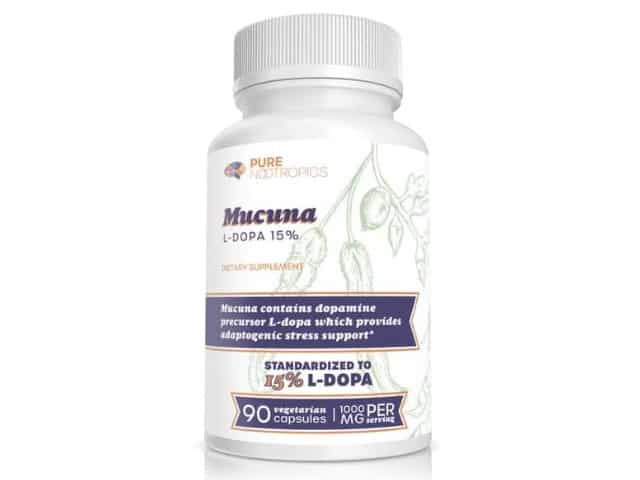
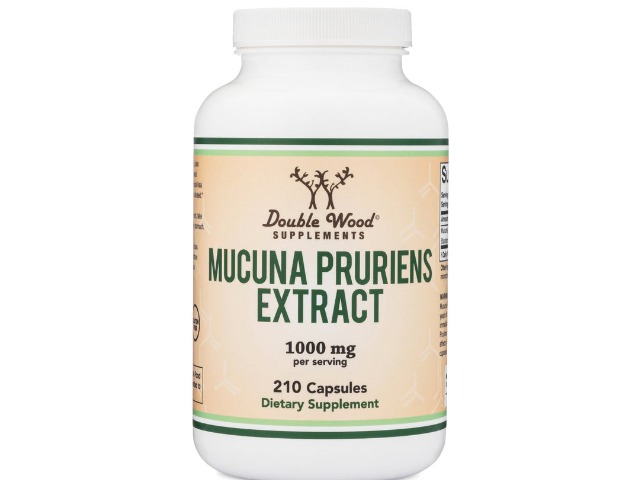
Disclosure: These are affiliate links. I earn a small commission if you purchase — at no extra cost to you. I only recommend products I personally use or have thoroughly researched.
Research & Studies
This section includes 16 peer-reviewed studies referenced in our analysis.
The metabolism of saccharin in animals.
[Immunology of HPV infections and mechanism of a latent infection].
Neuroprotective effects of the antiparkinson drug Mucuna pruriens.
Mucuna pruriens in Parkinson's disease: a double blind clinical and pharmacological study.
Antidiabetic oligocyclitols in seeds of Mucuna pruriens.
Hypoglycemic effect of Mucuna pruriens seed extract on normal and streptozotocin-diabetic rats.
Mucuna pruriens Reduces Stress and Improves the Quality of Semen in Infertile Men.
Mucuna pruriens improves male fertility by its action on the hypothalamus-pituitary-gonadal axis.
Assessment of symptomatic and neuroprotective efficacy of Mucuna pruriens seed extract in rodent model of Parkinson's disease.
Evaluation of the anti-diabetic properties of Mucuna pruriens seed extract.
Showing 10 of 16 studies. View all →