
I used to be the guy who’d lie in bed at midnight, phone six inches from my face, scrolling through Reddit threads about how to fall asleep faster. The irony was not lost on me. As a Functional Nutritional Therapy Practitioner, I knew what I was supposed to do — but knowing and doing are two very different things.
It wasn’t until I started treating my pre-sleep hour like a non-negotiable protocol — the same way I’d treat a supplement stack — that everything changed. Two weeks in, I was falling asleep in under 15 minutes. A month in, I stopped needing an alarm.
Here’s the thing most sleep advice gets wrong: it’s not about any single trick. It’s about building a sequence of rituals that tells your nervous system, in no uncertain terms, that the day is over.
The Short Version: A consistent bedtime routine is the single most underrated tool for better sleep. Research from Duke University shows that sleep regularity predicts cardiovascular and metabolic health better than sleep duration. Below, I break down 9 evidence-based rituals — from herbal teas to journaling — that you can stack into a personalized wind-down protocol tonight.
Why a Bedtime Routine Matters More Than You Think (The Science of Sleep Regularity)
Most people obsess over how many hours they sleep. But a 2024 study from Duke Health tracking 1,978 older adults found that sleep regularity was the strongest predictor of cardiovascular and metabolic disease risk — more predictive than total sleep duration or whether you’re a morning person or night owl. Irregular sleepers had higher body weight, elevated blood sugar, higher blood pressure, and greater 10-year risk of heart attack or stroke.
That finding flipped the script on sleep advice. It’s not just about getting your 7-8 hours. It’s about getting them at roughly the same time every night.
A bedtime routine is the mechanism that makes regularity automatic. When researchers tested a structured 3-step routine — warm bath, massage, quiet activity — they found statistically significant improvements in sleep onset latency, nighttime wakings, and total sleep time. The effects held up at a 1-year follow-up, even when the routine was delivered via telehealth.
Reality Check: A systematic review on sleep timing and consistency rated the overall evidence quality as “very low” to “moderate.” The signal is consistent and the direction is clear — but we’re still waiting for large-scale adult RCTs to nail down exact effect sizes. That said, the risk of trying a bedtime routine is zero and the upside is substantial.
Here’s the practical framework I use: the 10-3-2-1-0 rule.
- 10 hours before bed: No more caffeine
- 3 hours before bed: No large meals or alcohol
- 2 hours before bed: No work or stressful activities
- 1 hour before bed: No screens
- 0: The number of times you hit snooze
That last hour is where the 9 rituals below live. Think of them as a menu — pick 3-4 that resonate, stack them into a sequence, and protect that hour like your health depends on it. Because it does.
Ritual #1: Unwind with Calming Herbal Teas (Your Nervous System’s Off Switch)
Sipping herbal tea is the simplest on-ramp to a bedtime routine. It’s warm, it’s ritualistic, and — depending on what you brew — it’s pharmacologically active.
Chamomile is the best-studied option. It contains apigenin, a flavonoid that binds to GABA-A receptors in the brain, producing a mild sedative effect. One clinical trial found participants fell asleep approximately 15 minutes faster after nightly chamomile consumption. That’s comparable to some over-the-counter sleep aids — without the grogginess.
Beyond chamomile, these herbs have meaningful evidence behind them:
| Herb | Key Compound | Mechanism | Evidence Level |
|---|---|---|---|
| Chamomile | Apigenin | GABA-A receptor binding | Moderate (human trials) |
| Passionflower | Chrysin, flavonoids | GABAergic activity | Moderate (human trials) |
| Valerian | Valerenic acid | GABA reuptake inhibition | Mixed (inconsistent RCTs) |
| Lemon Balm | Rosmarinic acid | GABA transaminase inhibition | Preliminary (small trials) |
| Lavender | Linalool | Anxiolytic, autonomic calming | Moderate (inhalation + oral) |
My protocol: I steep a blend of chamomile and passionflower for 5-7 minutes — longer steeping extracts more active compounds. I drink it about 45 minutes before lights out, which also gives me time to use the bathroom before bed.
Insider Tip: Skip the tea bags from the grocery store. Loose-leaf herbs from reputable suppliers contain significantly higher concentrations of active compounds. Look for organic, whole-flower chamomile — not the dusty powder in most commercial bags.
Ritual #2: Unplug from Screens (Yes, Really — Here’s Why It’s Non-Negotiable)
You’ve heard this one a thousand times. And you’re probably still scrolling in bed. So let me give you the number that finally convinced me to stop.
Blue light exposure from screens suppresses melatonin production by up to 23%. That’s not a subtle shift — that’s your brain being chemically told it’s still afternoon when it’s 11 p.m. The mechanism is straightforward: melanopsin-containing retinal ganglion cells are maximally sensitive to blue wavelengths (~480 nm), and they project directly to the suprachiasmatic nucleus — your master circadian clock.
The fix isn’t complicated, but it requires commitment:
- Ideal: No screens for 60-90 minutes before bed
- Realistic minimum: Enable night shift / warm display modes AND wear blue-light-blocking glasses
- The replacement: Audiobooks, physical books, conversation, stretching, or any ritual from this list
I won’t pretend I’m perfect about this. Some nights I’m on my phone later than I should be. But the nights I fully unplug are noticeably different — I fall asleep faster, I dream more vividly, and I wake up feeling like I actually rested rather than just lost consciousness for a while.
Ritual #3: Take a Warm Bath or Shower (The Temperature Hack Your Body Already Knows)
This one has more science behind it than most people realize. A warm bath 1-2 hours before bed doesn’t just feel relaxing — it actively manipulates your core body temperature in a way that accelerates sleep onset.
Here’s the mechanism: warm water dilates peripheral blood vessels, drawing heat from your core to your extremities. When you step out, your core temperature drops rapidly. This thermoregulatory cascade mimics the natural temperature decline your body uses to initiate sleep, and research published in the Journal of Sleep Medicine found it significantly improves both sleep quality and time to fall asleep.
The optimal protocol based on available research:
- Water temperature: 104-109°F (40-43°C)
- Duration: 10-20 minutes
- Timing: 1-2 hours before bed (not immediately before — you need time for the cool-down effect)
Enhance it: Add Epsom salts (magnesium sulfate) for a two-for-one benefit. While transdermal magnesium absorption is debated, the muscle-relaxing warmth alone justifies the addition. A few drops of lavender essential oil amplifies the parasympathetic activation.
Important: If you have cardiovascular conditions, check with your doctor before hot baths. The vasodilation effect that makes baths sleep-promoting can cause blood pressure drops that are problematic for some people.
Ritual #4: Practice Progressive Muscle Relaxation (Teach Your Body What “Relaxed” Feels Like)
Most of us carry tension we don’t even notice. Jaw clenching, shoulder hunching, fist tightening — these become so habitual that our nervous system forgets what baseline relaxation even feels like.
Progressive muscle relaxation (PMR) is a systematic fix. You deliberately tense each muscle group for 5-10 seconds, then release, working from your feet to your face. The contrast between tension and release teaches your body to recognize — and choose — the relaxed state.
PMR was a component of the 3-step bedtime routine that showed sustained sleep improvements at 1-year follow-up in the Mindell studies. It activates the parasympathetic nervous system, lowers cortisol, and reduces the physiological arousal that keeps you staring at the ceiling.
The 10-minute PMR protocol:
- Feet and calves — curl toes, hold 7 seconds, release
- Thighs and glutes — squeeze, hold, release
- Abdomen — tighten core, hold, release
- Hands and forearms — make fists, hold, release
- Shoulders — shrug to ears, hold, release
- Face — scrunch everything, hold, release
- Full body scan — notice where tension remains
Pair this with slow, diaphragmatic breathing (4 seconds in, 7 seconds hold, 8 seconds out) and you’ve got a parasympathetic activation protocol that rivals many supplements.
Ritual #5: Decompress Through Journaling (Get Tomorrow Out of Your Head)
Racing thoughts at bedtime are often tomorrow’s to-do list trying to lodge itself in your working memory. Your brain doesn’t want to forget it, so it keeps replaying it. The fix is simple: externalize it.
Research on expressive writing shows that journaling before bed reduces cognitive arousal and pre-sleep worry. But not all journaling is created equal for sleep purposes. Here’s what works:
- “Brain dump” journaling: Write everything on your mind — tasks, worries, random thoughts — for 5-10 minutes. The goal isn’t eloquence. It’s extraction.
- Gratitude journaling: Write 3 specific things from today you’re grateful for. This reorients your nervous system from threat-scanning mode (sympathetic) to safety mode (parasympathetic).
- Tomorrow’s top 3: Write the three most important things you need to do tomorrow. This tells your brain “I’ve got it handled” and reduces planning-related rumination.
I alternate between brain dumps and gratitude lists depending on my stress level. High-stress days get the dump. Normal days get gratitude. Both work — the key is consistency.
Pro Tip: Use a physical notebook, not a phone app. The point is to stay off screens. Keep a dedicated sleep journal and a pen on your nightstand.
Ritual #6: Try Gentle Stretching or Yoga Nidra (Movement Without Stimulation)
There’s a sweet spot between “active enough to release tension” and “stimulating enough to wake you up.” Gentle stretching and yoga nidra live right in that zone.
A 5-10 minute stretching sequence targeting the hips, hamstrings, shoulders, and neck releases the physical tension that accumulates during sedentary work. But the real sleeper (pun intended) is yoga nidra — sometimes called “yogic sleep.”
Yoga nidra is a guided body-scan meditation performed lying down. You’re awake but deeply relaxed — hovering in that hypnagogic state between waking and sleeping. Studies suggest it reduces sympathetic nervous system activity and increases parasympathetic tone, essentially priming your autonomic nervous system for sleep.
My evening stretch sequence (5 minutes):
- Standing forward fold — 30 seconds
- Figure-4 hip stretch — 30 seconds per side
- Supine spinal twist — 30 seconds per side
- Legs up the wall — 2 minutes
- Transition to yoga nidra or simply lie still
If stretching isn’t your thing, even a slow 10-minute walk after dinner — well before your wind-down hour — can improve sleep quality by aiding digestion and gently lowering cortisol.
Ritual #7: Optimize Your Sleep Environment (The Unsexy Ritual That Matters Most)
This isn’t glamorous, but it might be the highest-leverage item on this list. Your sleep environment either supports or sabotages every other ritual.
Temperature: Your bedroom should be 65-68°F (18-20°C). Core body temperature needs to drop 2-3°F to initiate and maintain sleep. A warm room fights that process.
Light: Total darkness is the goal. Even small amounts of light — a charging indicator, streetlight through curtains — can suppress melatonin and fragment sleep architecture. Blackout curtains or a quality sleep mask solve this.
Sound: Consistent, low-level background noise (white noise, brown noise, a fan) masks disruptive sounds. Silence is ideal if your environment allows it, but most urban bedrooms don’t.
The sleep environment checklist:
| Factor | Optimal | Common Mistake |
|---|---|---|
| Temperature | 65-68°F | Sleeping in a warm room “because it’s cozy” |
| Light | Total darkness | Leaving phone face-up on nightstand |
| Sound | Consistent or silent | TV on a sleep timer (variable volume wakes you) |
| Mattress | Supportive, 7-10 years old | Using the same mattress for 15+ years |
| Bedding | Breathable fabrics | Synthetic sheets that trap heat |
Insider Tip: The single cheapest upgrade with the biggest impact? A $15 pair of blackout curtains from Amazon. I resisted this for years, thinking my room was “dark enough.” It wasn’t.
Ritual #8: Support Your Routine with Evidence-Based Supplements (When Rituals Need a Boost)
Let me be clear: supplements are the last layer, not the first. If you’re not doing the basics — consistent timing, screen management, temperature optimization — no pill will save you. But once your foundation is solid, certain compounds can meaningfully enhance sleep quality.
Here’s what the evidence actually supports:
Magnesium (glycinate or threonate form) Magnesium is involved in over 300 enzymatic reactions, including GABA receptor function and melatonin synthesis. Many adults are subclinically deficient. Magnesium glycinate (200-400mg elemental magnesium, taken 30-60 minutes before bed) is the best-tolerated form for sleep, while magnesium threonate may offer additional cognitive benefits through its ability to cross the blood-brain barrier.
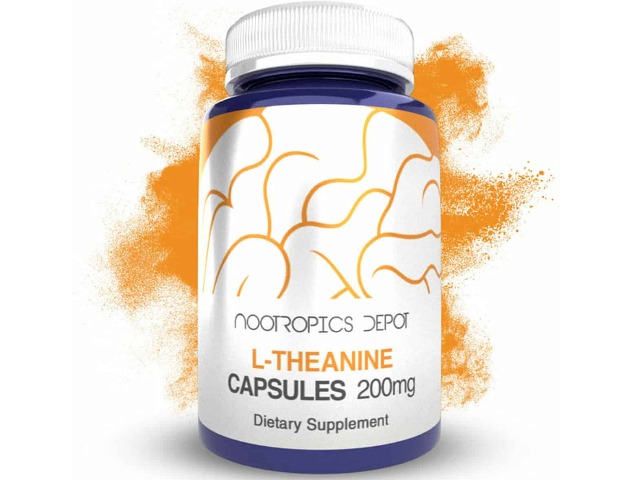
L-Theanine (100-200mg) This amino acid from green tea promotes alpha brain wave activity — the relaxed-but-alert state that precedes sleep. It doesn’t cause drowsiness directly but reduces the anxiety and mental chatter that keep you awake. Excellent for people whose primary sleep problem is a racing mind.
Ashwagandha (300-600mg KSM-66 or Sensoril) Research suggests ashwagandha reduces cortisol by 20-30% in stressed adults. Since elevated evening cortisol is one of the most common drivers of insomnia, this adaptogen addresses a root cause rather than masking symptoms. Best taken consistently, not as a one-off.
Reishi Mushroom Traditional use as a calming agent is supported by preliminary evidence showing improvements in sleep quality. Reishi contains triterpenes that may modulate GABAergic and serotonergic pathways. I take 1-2g of fruiting body extract with my evening tea.
| Supplement | Dose | Timing | Best For |
|---|---|---|---|
| Magnesium glycinate | 200-400mg | 30-60 min before bed | General sleep support, muscle relaxation |
| L-Theanine | 100-200mg | 30 min before bed | Racing mind, anxiety-driven insomnia |
| Ashwagandha | 300-600mg | Evening, with food | Stress-related sleep issues |
| Reishi | 1-2g extract | With evening tea | General calming, immune support |
| Glycine | 3g | Before bed | Core body temperature reduction |
A note on melatonin: I’m cautious about it. A university study found that people relying on melatonin actually had higher insomnia symptom scores — likely because those with the worst sleep reach for it, but also possibly because chronic use may downregulate natural production. If you use it, keep doses low (0.3-0.5mg) and intermittent.
Reality Check: The supplement industry loves to sell sleep solutions because the problem is so universal. But the compounds above are the ones with genuine mechanistic rationale and at least preliminary human evidence. Everything else — GABA supplements, 5-HTP, tart cherry extract — has either weak evidence or bioavailability issues that limit real-world effectiveness.
Ritual #9: Practice Breathwork or Meditation (Train Your Nervous System to Shift Gears)
If I could only recommend one ritual from this list, it would be this one. Breathwork and meditation are the most direct way to activate your parasympathetic nervous system — the “rest and digest” branch that sleep requires.
The 4-7-8 Breathing Technique:
- Inhale through your nose for 4 seconds
- Hold for 7 seconds
- Exhale slowly through your mouth for 8 seconds
- Repeat 4 cycles
This extended exhale stimulates the vagus nerve, which directly increases parasympathetic tone. Heart rate slows, blood pressure drops, and cortisol production decreases. It works because the exhale-to-inhale ratio matters more than the absolute numbers — longer exhales signal safety to the brainstem.
Body scan meditation is another excellent option, especially for people who find breathwork anxiety-inducing (yes, that’s a thing — focusing on breath can trigger hyperawareness in some people). Start at your toes and slowly move your attention upward, noticing sensation without judgment.
Apps like Insight Timer offer free guided meditations specifically designed for sleep. But honestly? You don’t need an app. Lie flat, close your eyes, breathe with a long exhale, and scan your body. That’s the whole protocol.
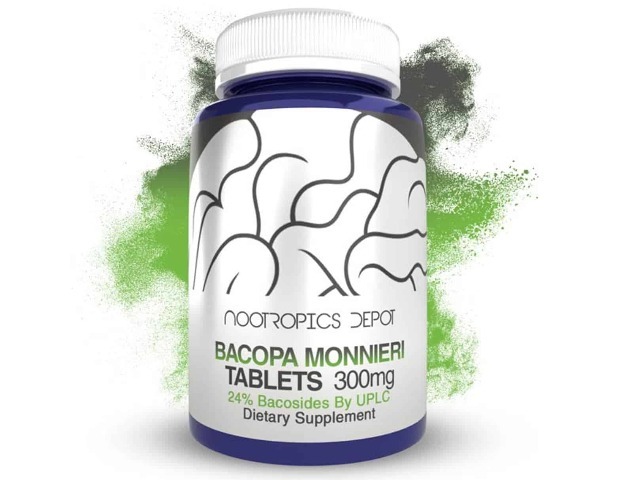
L-Theanine pairs beautifully with meditation — it promotes the alpha wave state that meditation cultivates, essentially giving your brain a head start. And Bacopa monnieri, while primarily known for memory, has anxiolytic properties through its modulation of serotonin and GABA that may deepen the relaxation response over time with consistent use.
Putting It All Together: Build Your Personal Sleep Protocol
You don’t need all 9 rituals. You need 3-4 that work for you, performed consistently. Here’s how I’d structure a beginner, intermediate, and advanced routine:
Beginner (15 minutes):
- Screens off, lights dimmed
- Herbal tea
- 4-7-8 breathing (4 cycles)
Intermediate (30 minutes):
- Screens off, environment optimized
- Warm shower or bath
- Herbal tea + magnesium
- Journaling (brain dump or gratitude)
- 4-7-8 breathing or body scan
Advanced (45-60 minutes):
- Screens off 90 minutes before bed
- Warm bath with Epsom salts
- Gentle stretching (5 minutes)
- Herbal tea + full supplement protocol
- Journaling
- PMR or yoga nidra (10-15 minutes)
- Lights out at the same time every night
| Protocol | Time Investment | Expected Benefit | Best For |
|---|---|---|---|
| Beginner | 15 min | Noticeable in 1-2 weeks | People new to sleep hygiene |
| Intermediate | 30 min | Significant in 1-2 weeks | Most adults |
| Advanced | 45-60 min | Transformative in 2-4 weeks | Chronic sleep issues |
The most important variable isn’t which rituals you choose — it’s consistency. The Duke study found that even 10-minute variations in bedtime mattered. Pick your rituals, pick your time, and protect both.
My Take
I’ve spent years experimenting with every sleep supplement and biohack imaginable. Lion’s mane for cognitive recovery during sleep. Rhodiola to blunt daytime stress so it doesn’t follow me to bed. Ashwagandha for cortisol. Magnesium in every form you can name.
And you know what made the biggest difference? Not a supplement. It was committing to the same wind-down sequence at the same time every night.
Don’t get me wrong — magnesium glycinate and L-theanine are part of my nightly stack and I genuinely believe they help. But they’re the cherry on top of a sundae built from behavioral rituals. Without the routine underneath, they’re just expensive placebo.
If you take one thing from this article, let it be this: your brain wants to sleep. It’s designed to. You just need to stop fighting it with screens, stress, and inconsistency — and start giving it the predictable signals it’s been waiting for.
Start with the beginner protocol tonight. Add one ritual per week. In a month, you won’t recognize your sleep.