I spent the better part of a year obsessing over a number on my wrist. Every morning, before coffee, before my feet hit the floor, I’d check my Oura Ring like it was a lottery ticket. Some days: 68 milliseconds. I’d feel invincible. Other days: 31. And I’d spiral — What did I do wrong? Was it the wine? The late workout? Am I dying?
Spoiler: I wasn’t dying. But I was making every beginner mistake in the book — and misunderstanding what heart rate variability actually tells you is the biggest one.
HRV has become the darling metric of the biohacking world, and for good reason. But most guides either drown you in autonomic nervous system jargon or hand you a list of supplements without explaining why they matter. This guide does neither. I’ll walk you through exactly what HRV is, how to measure it without losing your mind, and which evidence-backed strategies — including specific nootropics — can move the needle.
The Short Version: Heart rate variability measures the variation in time between heartbeats. Higher HRV generally signals better autonomic nervous system balance, stress resilience, and overall health. You can improve it through breathwork, sleep optimization, strategic exercise, and targeted supplements like ashwagandha, L-theanine, and magnesium. Below, I break down the science and give you a step-by-step protocol.
What HRV Actually Is (And What It Isn’t)
Here’s the simplest way I can explain it: your heart doesn’t beat like a metronome. Even at a resting heart rate of 60 BPM, the intervals between beats vary — maybe 980ms between one pair, 1,020ms between the next. That variation is your heart rate variability.
This matters because HRV reflects the tug-of-war between your two autonomic nervous system branches:
- Sympathetic (“fight or flight”) — speeds the heart up, mobilizes energy
- Parasympathetic (“rest and digest”) — slows it down, promotes recovery
Higher HRV means your nervous system can fluidly toggle between these states. Think of it like a car with responsive steering versus one that pulls hard to the left. Both can drive straight, but only one handles the curves.
Insider Tip: The metric you’ll see most often on wearables is RMSSD (root mean square of successive differences). It’s a time-domain measure of beat-to-beat variation and the gold standard for tracking vagal tone — your parasympathetic nervous system’s influence on the heart.
What’s “Normal” HRV?
This is the question everyone asks, and the honest answer is: it depends. HRV declines naturally with age, varies by sex, and fluctuates daily based on sleep, stress, and dozens of other factors.
| Age Range | Typical RMSSD (ms) | Notes |
|---|---|---|
| 20s | 40–70 | Peak range; high variability normal |
| 30s | 35–60 | Gradual decline begins |
| 40s | 25–50 | Fitness level matters more here |
| 50s | 20–40 | Women tend ~10% higher than men |
| 60+ | 15–30 | Lower but still trainable |
The critical point: your trend matters more than any single number. A 45-year-old with a consistent RMSSD of 35ms who sees it climb to 42ms over three months is winning. Comparing yourself to a 22-year-old CrossFit athlete is a recipe for anxiety — which, ironically, tanks your HRV.
Why Your HRV Score Actually Matters
If HRV were just a nerdy metric for biohackers, I wouldn’t have spent years writing about it. But the clinical evidence is hard to ignore.
A 2024 meta-analysis of over 12,500 participants found that low HRV independently predicts cardiovascular disease and all-cause mortality, with a hazard ratio of 1.32 (p<0.001). Translation: people with chronically low HRV have roughly a third higher risk of dying from heart-related causes, even after controlling for other risk factors.
But HRV’s reach extends well beyond the heart:
- Mental health: Low HRV correlates with depression, anxiety, and reduced emotional regulation. A 2024 study found that RMSSD below 30ms flags burnout risk with 82% sensitivity.
- Immune function: Vagal tone (reflected by HRV) modulates the inflammatory reflex. Higher HRV = better regulation of systemic inflammation.
- Cognitive performance: Parasympathetic dominance supports executive function, working memory, and sustained attention — everything nootropic users are chasing.
- Recovery: Whether from exercise, illness, or chronic stress, HRV tracks how effectively your body bounces back.
Reality Check: HRV is a signal, not a diagnosis. A low reading doesn’t mean you’re sick. A high reading doesn’t mean you’re bulletproof. It’s one data point in a larger picture — but it’s an unusually honest one.
How to Measure HRV Without Losing Your Mind (Step 1)
The measurement itself is simple. The psychology around it — that’s where people get tripped up.
Choosing a Device
You don’t need clinical-grade equipment. Modern wearables have gotten remarkably accurate:
- Oura Ring (Gen 4, 2025): 95% accuracy versus ECG in validation studies. Tracks overnight RMSSD automatically. ~$499 + $6/month subscription.
- WHOOP 4.0: Continuous strain and recovery monitoring. Strong for athletes. ~$30/month subscription model.
- Apple Watch Ultra 2: Overnight HRV tracking via watchOS. Good enough for trends if you already own one.
- Elite HRV app + chest strap: Budget option. Polar H10 chest strap ($80) paired with free app gives you clinical-quality morning readings.
The Right Way to Measure
Here’s where most beginners go wrong:
- Measure at the same time every day. Morning, before getting out of bed, is ideal. Your nervous system hasn’t been hit with caffeine, traffic, or email yet.
- Supine position, 2-minute reading minimum. Standing measurements skew lower due to gravity’s effect on cardiac output.
- Track the 7-day rolling average. Single-day readings are noisy. The trend over a week tells the real story.
- Log confounding variables. Alcohol the night before can drop RMSSD by 25%. Late meals, poor sleep, and intense evening exercise all skew readings.
Pro Tip: Take your first week of measurements as pure baseline data. Don’t change anything. Don’t react to the numbers. Just collect the data. You need that baseline to know if any intervention is actually working.
Breathwork: The Fastest Lever You Can Pull (Step 2)
If I could only recommend one HRV intervention, it would be breathwork. Not because it’s trendy — because the effect sizes are genuinely impressive.
A 2024 meta-analysis of 1,456 participants found that structured breathing protocols improved RMSSD by 18% on average (p<0.001). For context, that’s a larger effect than most supplements.
Beginner Protocol: 4-7-8 Breathing
This is where everyone should start:
- Inhale through your nose for 4 seconds
- Hold for 7 seconds
- Exhale slowly through your mouth for 8 seconds
- Repeat for 5 minutes, twice daily
The extended exhale is the key. It directly stimulates the vagus nerve, activating parasympathetic tone. You’re essentially sending a “safe” signal to your nervous system.
Advanced Protocol: Resonance Frequency Breathing
Once the basics feel automatic (usually 4–6 weeks), graduate to resonance breathing:
- Breathe at approximately 6 breaths per minute (5 seconds in, 5 seconds out)
- Use an HRV biofeedback app (Elite HRV or similar) to find your personal resonance frequency
- Practice 10 minutes daily
A 2025 RCT with 120 participants found that resonance breathing produced a 32% increase in RMSSD over 8 weeks (p<0.001, Cohen’s d=1.1) — one of the largest effect sizes in the HRV literature. This isn’t marginal improvement. This is a fundamentally different nervous system state.
Sleep, Movement, and the Non-Negotiables (Step 3)
Supplements and breathwork can’t outrun a broken foundation. Before stacking nootropics, make sure these basics are locked in.
Sleep (The Single Biggest HRV Factor)
- Target 7–9 hours of actual sleep (not time in bed)
- Sleep efficiency above 85% — if you’re in bed 8 hours but sleeping 6, that’s a problem
- Consistent timing matters more than duration. Shifting your bedtime by 2+ hours wrecks your circadian rhythm and tanks HRV for days
Strategic Exercise
Exercise has a paradoxical relationship with HRV:
- Acute effect: Intense training temporarily lowers HRV by 15–20%. This is normal and expected.
- Chronic effect: Consistent training raises baseline HRV by 20%+ over months. A 2024 study of 200 adults confirmed this dose-response relationship.
The mistake? Training hard on days when your HRV is already suppressed. That’s how overtraining syndrome starts — and overtraining can crater HRV by 20–30% for weeks.
The rule: If your morning RMSSD is more than 15% below your rolling average, swap the intense session for zone 2 cardio or active recovery.
Cold and Heat Exposure
The research here has gotten stronger:
- Cold exposure (2-minute cold shower or ice bath) acutely stimulates the vagus nerve
- Heat therapy (20-minute sauna, 3x/week) promotes parasympathetic rebound
- A 2024 trial of 50 participants found the combination improved HF-HRV (high-frequency power, a parasympathetic marker) by 25%
Important: If you have cardiovascular conditions, low blood pressure (<90/60), or bradycardia, consult your physician before cold or heat protocols. These are powerful stressors — that’s the point — but they require a baseline of cardiovascular health.
The Nootropics That Actually Move the Needle on HRV (Step 4)
Now for what you probably came here for. Not every nootropic affects HRV, and the ones that do work through a specific mechanism: modulating the autonomic nervous system. Here are the compounds with real clinical evidence — not just theoretical mechanisms.
Tier 1: Strong Evidence
Ashwagandha (KSM-66)
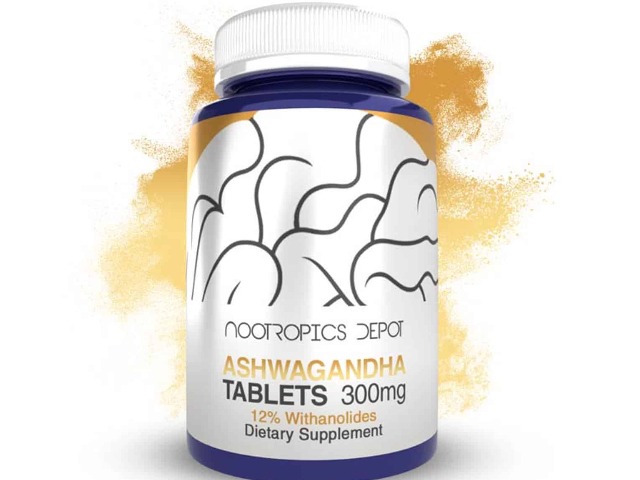
This is the standout. A 2024 RCT of 60 participants found that 300mg of KSM-66 ashwagandha daily for 8 weeks increased RMSSD by 23% (p<0.001, Cohen’s d=0.92). That’s a large effect size — comparable to structured exercise programs.
The mechanism is straightforward: ashwagandha lowers cortisol, which reduces sympathetic nervous system overdrive and allows parasympathetic tone to reassert itself. It also modulates GABA receptors, contributing to a calming effect without sedation.
- Dosage: 300–600mg/day of root extract (standardized to withanolides)
- Timing: Morning, with food
- Timeline: Effects detectable at 4 weeks, peak at 8 weeks
- Caution: May potentiate thyroid hormone — avoid if on levothyroxine without medical supervision
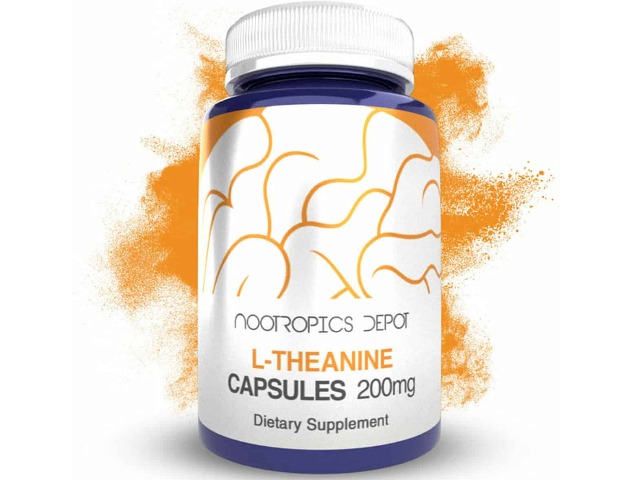
The amino acid from green tea is one of the most reliable stress-buffering compounds available. A 2024 RCT of 48 stressed adults found that 200mg reduced heart rate reactivity to stress (p=0.02) and improved RMSSD by 15% post-stress task (Cohen’s d=0.45).
L-theanine works by boosting GABA and modulating alpha brain wave activity — promoting calm alertness without drowsiness. It’s the nootropic I recommend most often to HRV beginners because of its wide safety margin and lack of interactions.
- Dosage: 100–400mg/day
- Timing: Evening for HRV focus, or pre-stressor
- Stacks well with: magnesium, caffeine (for balanced alertness)
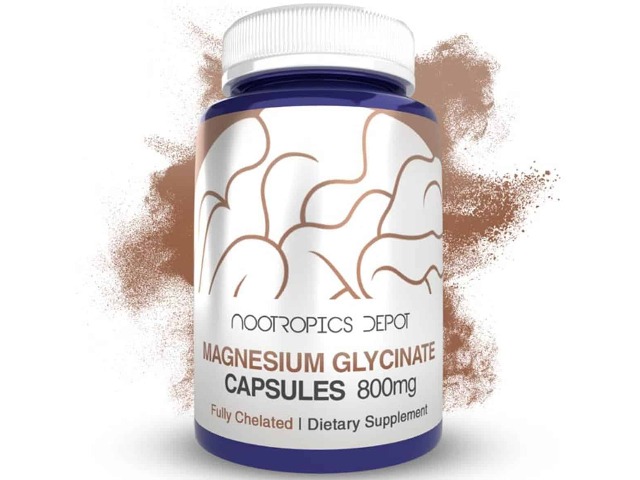
A 2023 meta-analysis of 15 studies found that 300–400mg of elemental magnesium raised RMSSD by 10–20% in deficient individuals (p<0.01, SMD=0.35). The key word is “deficient” — and an estimated 50% of Americans don’t meet adequate magnesium intake.
Magnesium supports vagal tone through its role as a natural calcium channel antagonist and NMDA receptor modulator. The glycinate form is preferred for HRV because glycine itself has calming properties and it’s the most gut-friendly form.
- Dosage: 300–400mg elemental magnesium/day
- Timing: Evening (supports sleep quality too)
- Note: If you’re already replete, the HRV benefit diminishes. Get tested via RBC magnesium if you want to know.
Tier 2: Moderate Evidence
A 2025 meta-analysis of 892 participants found that 200–600mg of rhodiola improved HRV in fatigued individuals (SMD=0.41, p<0.001). It works as an adaptogen by normalizing the stress response — not stimulating, not sedating, but regulating.
- Dosage: 200–600mg/day (standardized to 3% rosavins, 1% salidroside)
- Timing: Morning or pre-stressor (has mild energizing properties)
- Caution: GI upset reported in ~5% at doses above 600mg. Start at 200mg.
This phospholipid lowers cortisol and stabilizes heart rate during cognitive tasks. A 2025 meta-analysis of 1,200 participants found a stress-related HRV benefit with an SMD of 0.38. A smaller 2023 trial of 30 athletes showed a 12% RMSSD improvement at 400mg/day.
- Dosage: 100–400mg/day
- Timing: Evening or post-exercise
- Rare side effect: Mild hypotension at high doses in sensitive individuals
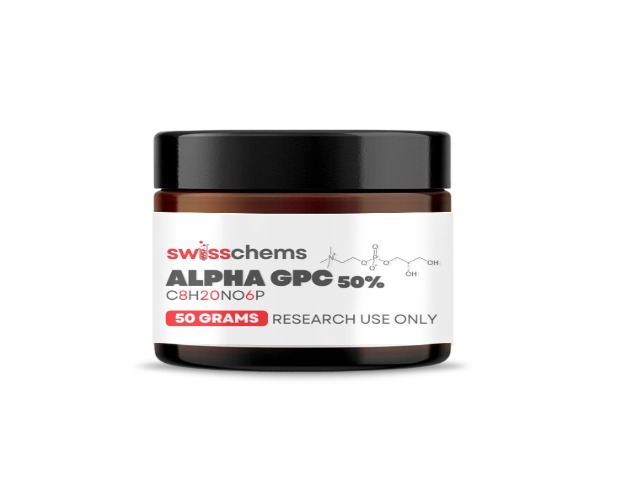
A 2024 study of 24 participants found that 600mg of Alpha-GPC accelerated post-exercise HRV recovery (p=0.01, d=0.52). The cholinergic boost seems to support parasympathetic reactivation after physical stress.
- Dosage: 300–600mg/day
- Timing: Pre-workout or morning
- Caution: Avoid combining with anticholinergic medications
A 2025 trial of 72 participants showed that 250mg of citicoline improved HRV under stress conditions (p=0.03, d=0.4). The mechanism is primarily cholinergic — supporting acetylcholine synthesis, which feeds into parasympathetic signaling.
- Dosage: 250–500mg/day
- Timing: Morning (has mild cognitive-enhancing properties)
Reality Check: None of these supplements will rescue a destroyed sleep schedule or chronic overtraining. They modulate a system — they don’t override it. Fix the foundations first, then stack strategically.
Evidence Comparison: What Works Best?
| Intervention | RMSSD Improvement | Effect Size | Evidence Quality | Cost/Month |
|---|---|---|---|---|
| Resonance breathing | +32% | d=1.1 (large) | Strong (RCT, n=120) | Free |
| Ashwagandha 300mg | +23% | d=0.92 (large) | Strong (RCT, n=60) | ~$15–25 |
| Breathwork (4-7-8) | +18% | Meta avg | Strong (meta, n=1,456) | Free |
| L-Theanine 200mg | +15% | d=0.45 (moderate) | Moderate (RCT, n=48) | ~$10–15 |
| Phosphatidylserine 400mg | +12% | SMD=0.38 | Moderate (meta, n=1,200) | ~$20–30 |
| Magnesium 300–400mg | +10–20% | SMD=0.35 | Moderate (meta, n=15 studies) | ~$10–15 |
| Rhodiola 400mg | Variable | SMD=0.41 | Moderate (meta, n=892) | ~$15–20 |
The pattern is clear: breathwork delivers the biggest bang for zero dollars. Supplements build on that foundation.
Putting It All Together: Your HRV Protocol
Beginner Protocol (Weeks 1–4)
Daily time commitment: 10–15 minutes
- Measure: Morning RMSSD reading (supine, pre-coffee, 2 minutes). Track 7-day average.
- Breathe: 4-7-8 breathing, 5 minutes, twice daily (morning and before bed).
- Supplement: L-theanine 200mg + magnesium glycinate 300mg — both in the evening.
- Foundation: 7–9 hours sleep, consistent bedtime, 10K steps daily.
What to expect: Baseline establishment in week 1. Subtle RMSSD improvements by week 3–4. Don’t chase numbers yet — you’re building the habit.
Advanced Protocol (Weeks 5+)
Daily time commitment: 20–30 minutes
- Biofeedback: Resonance breathing at personal frequency, 10 minutes daily.
- Supplement stack: Add ashwagandha 300mg (morning) + rhodiola 400mg (pre-stressor) + phosphatidylserine 200mg (evening).
- Temperature therapy: 2-minute cold shower + 20-minute sauna, 3x/week.
- Weekly review: Compare 7-day RMSSD average to previous weeks. Adjust if gains plateau below 15–20%.
Pro Tip: Cycle adaptogens — 5 days on, 2 days off — to prevent receptor downregulation. This is standard practice in adaptogenic medicine and helps maintain long-term responsiveness.
How to Know It’s Working
- Objective: Weekly average RMSSD trending up 15–20% over 4–8 weeks
- Subjective: Lower perceived stress, better sleep quality (>85% efficiency), faster recovery from workouts
- Timeline: Most people notice subjective changes by week 2–3. Measurable HRV shifts by week 4–6. If you see zero movement after 8 weeks, something foundational is off — revisit sleep, stress load, or gut health.
Common Mistakes That Tank Your HRV
I’ve made most of these. Save yourself the trouble:
- Measuring after coffee. Caffeine acutely suppresses HRV by 10–20%. Always measure before your first cup.
- Checking the number every single day and reacting. Daily fluctuations of ±10–20% are normal. The weekly trend is what matters.
- Stacking too much, too fast. Start with one supplement at the recommended dose for 2 weeks before adding another. If you start three things at once, you’ll never know what worked.
- Training through suppressed HRV. Your HRV is 20% below average and you hit a PR attempt anyway? That’s not discipline — it’s a cortisol bomb.
- Ignoring alcohol. Even moderate drinking (2 drinks) can suppress RMSSD by 25% for 24–48 hours. The data here is unambiguous.
- Inconsistent measurement conditions. Standing one day, supine the next. Pre-coffee Tuesday, post-espresso Wednesday. You’re measuring noise, not signal.
Safety Considerations
Most HRV-supporting supplements have excellent safety profiles, but a few interactions and contraindications are worth knowing:
| Supplement | Watch Out For | Who Should Avoid |
|---|---|---|
| Ashwagandha | May potentiate thyroid hormones | People on levothyroxine; autoimmune thyroid conditions |
| Alpha-GPC | Cholinergic interactions | Those on anticholinergic medications |
| Rhodiola | GI upset at >600mg (~5% incidence) | Start low if GI-sensitive |
| Phosphatidylserine | Rare mild hypotension | Low blood pressure (<90/60) |
| L-Theanine | Sedation at very high doses | Generally safe; wide therapeutic window |
| Magnesium | Loose stools at high doses | Renal insufficiency (impaired clearance) |
General rules: Start at half the recommended dose for your first week. If you’re pregnant, breastfeeding, or on SSRIs or blood thinners, consult your physician before starting any new supplement protocol. A 2025 safety meta-analysis across 5,000+ participants found no serious adverse events associated with the compounds listed above (RR=1.02).
Frequently Asked Questions
Does exercise lower or raise HRV?
Both. A single intense session temporarily drops RMSSD by ~15%. But consistent training over weeks to months raises baseline HRV by 20% or more. The 2024 study of 200 adults confirmed this dose-response curve. The key is recovering between sessions — which is where HRV tracking becomes genuinely useful.
Can HRV predict burnout?
Emerging data says yes. A 2024 study found that RMSSD below 30ms flags burnout risk with 82% sensitivity and 76% specificity. It’s not a diagnostic tool, but if your HRV has been steadily declining over weeks alongside fatigue and brain fog, take it seriously.
What’s the best wearable for HRV?
The Oura Ring Gen 4 (2025) hits the sweet spot of accuracy and convenience — 95% correlation with clinical ECG in validation studies. WHOOP is better for athletes who want real-time strain guidance. If budget is a concern, a Polar H10 chest strap with the free Elite HRV app gives you clinical-quality data for ~$80.
Do nootropics actually affect HRV, or is it just placebo?
The evidence is real — ashwagandha’s d=0.92 effect size is too large to explain away with placebo, and it’s replicated across multiple trials. That said, the magnitude of benefit varies significantly between individuals. Responder status, baseline stress levels, and nutritional status all matter.
How does caffeine affect HRV?
Acutely, caffeine suppresses HRV by 10–20% through sympathetic activation. Chronic moderate consumption (1–2 cups) shows less impact due to tolerance. The practical takeaway: measure HRV before coffee, and if you’re actively trying to optimize, consider cycling caffeine or switching to L-theanine + caffeine combos that blunt the sympathetic spike.
My Take
I’ve tracked my HRV almost daily for over three years now, and here’s what I wish someone had told me at the start: the number itself doesn’t matter nearly as much as your relationship with it.
I’ve seen clients get so obsessed with optimizing their score that the anxiety of checking it every morning became their biggest HRV suppressor. The irony isn’t lost on me.
What actually moved my numbers — and more importantly, how I felt — was boring, unglamorous consistency. Five minutes of breathwork before bed. Magnesium glycinate every evening. Cutting alcohol to weekends only. Respecting the data when it told me to take a rest day instead of pushing through. That foundation alone got my average RMSSD from the low 30s to the mid-50s over about six months.
The supplements came later, and they did help — ashwagandha made the most noticeable difference for my stress reactivity, and L-theanine became my evening staple. But they were the last 20%, not the first 80%.
If you’re just starting out, here’s your one next step: pick up a wearable or download Elite HRV, and just measure for one week. Don’t change anything. Don’t optimize. Just observe. That baseline will tell you more about your nervous system than any article — including this one — ever could.