I’ve tested dozens of sleep supplements over the years, and the one thing I’ve learned is that a good sleep aid isn’t just about knocking you out. It’s about supporting the biochemical processes that let your brain actually rest, repair, and consolidate memories overnight. When Avinol PM started gaining traction as a “natural sleep solution,” I wanted to dig into whether the formula holds up to scrutiny or if it’s just another overpriced melatonin tablet with a fancy label.
Here’s my honest take: Avinol PM has some solid ingredients, but the devil is in the details — dosing, form, and what’s missing from the formula all matter. If you’re someone who’s been struggling with sleep and wondering whether this product is worth your money, this review should give you the clarity you need.
The Short Version: Avinol PM is a dissolvable sleep supplement combining melatonin, 5-HTP, valerian root, and chamomile. While each ingredient has some research backing, the proprietary blend makes it hard to verify optimal dosing. For most people, building your own sleep stack with standalone ingredients like magnesium, L-theanine, and melatonin will give you better control and likely better results.
What Is Avinol PM?
Avinol PM is a dietary sleep supplement that comes in the form of dissolvable tablets with a lime flavor. The product is marketed as a fast-acting, natural alternative to pharmaceutical sleep aids like Ambien or diphenhydramine-based products. The dissolvable format is actually a smart design choice — sublingual or buccal absorption can bypass first-pass metabolism in the liver, meaning the active compounds may reach your bloodstream faster than a standard capsule.
The formula targets multiple sleep pathways simultaneously: circadian rhythm regulation through melatonin, serotonin support through 5-HTP, and GABAergic calming through valerian and chamomile. In theory, this multi-pathway approach is sound. The question is whether the execution matches the concept.
Avinol PM Ingredients Breakdown
Melatonin
Melatonin is the most well-established sleep supplement on the market, and for good reason. It’s not a sedative — it’s a circadian signal. Your pineal gland naturally produces melatonin as light diminishes, telling your brain it’s time to shift into sleep mode. Supplemental melatonin is most effective for circadian disruptions like jet lag, shift work, or delayed sleep phase disorder.
The research is strong for doses between 0.3 mg and 3 mg. A large meta-analysis of 19 RCTs (1,683 participants) confirmed that melatonin reduces sleep onset latency by approximately 7 minutes and increases total sleep time by about 8 minutes compared to placebo — modest but consistent effects. Importantly, meta-regression found no loss of efficacy with continued use, unlike benzodiazepines. Higher doses (5-10 mg) don’t tend to improve effectiveness and can actually cause grogginess or disrupt your natural production cycle. The Council for Responsible Nutrition updated its voluntary guidelines in 2024, recommending melatonin supplements not exceed 10 mg daily and be labeled for “occasional and/or intermittent use only.”
Worth noting: a large 2025 observational study presented at the American Heart Association Scientific Sessions found a concerning association between long-term melatonin use (12+ months) and increased heart failure risk in adults with chronic insomnia (HR = 1.89). This is preliminary and cannot establish causation — the study’s observational design means the insomnia itself may be driving the cardiovascular risk rather than the melatonin. But it underscores why cycling and not relying on melatonin indefinitely is smart practice.
The issue with Avinol PM, and many combo products, is that it’s hard to dial in melatonin dosing when it’s bundled with other ingredients.
5-HTP
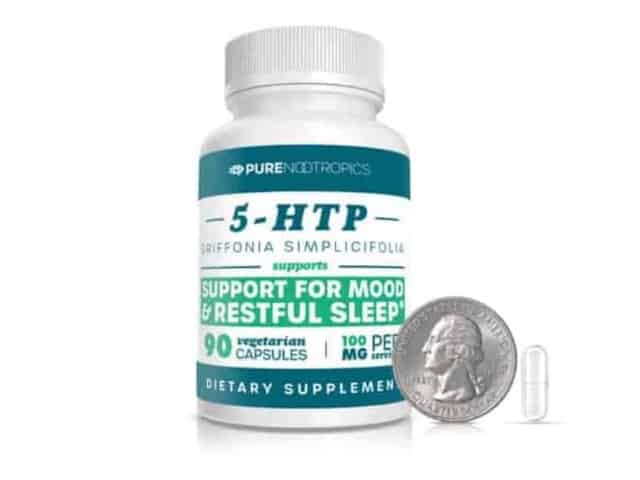
5-HTP is a direct precursor to serotonin, which itself converts to melatonin in the pineal gland. This creates a nice synergy with supplemental melatonin — you’re both providing the end product and supporting the production pathway. Some research suggests 5-HTP can reduce sleep onset time and increase REM sleep duration.
A 2024 randomized controlled trial in older adults found that 100 mg daily of 5-HTP significantly increased serum serotonin levels and improved sleep quality in self-identified “poor sleepers” after 12 weeks, with the added benefit of increasing gut microbiota diversity and short-chain fatty acid-producing bacteria — suggesting a gut-brain axis mechanism for the sleep improvement.
The caveat: long-term 5-HTP use without peripheral decarboxylase inhibitors can potentially deplete dopamine and other catecholamines. For occasional use in a sleep product, this isn’t a major concern. But if you’re taking 5-HTP daily for months, it’s worth being aware of.
Valerian Root Extract
Valerian root has been used as a sleep aid for centuries, dating back to ancient Greek and Roman physicians. It appears to work primarily through GABAergic mechanisms — increasing GABA availability in the synaptic cleft and potentially binding to GABA-A receptors.
The evidence is mixed but generally positive. A 2024 meta-analysis of 18 RCTs reported that valerian significantly reduced sleep latency (SMD = -0.71) and improved subjective sleep quality (SMD = -0.46) compared to placebo, though the effect sizes were smaller than pharmaceutical options. A separate 2024 double-blind RCT in young adults with mild insomnia confirmed objective improvements via wrist actigraphy and polysomnography after 56 days of standardized valerian extract — showing reduced sleep latency, increased total sleep time, and improved sleep efficiency. Valerian seems to work better with consistent use over several weeks rather than as an acute, one-night solution — maximal benefits typically appear after 4-6 weeks.
Chamomile Flower Extract
Chamomile’s active compound, apigenin, binds to benzodiazepine receptors in the brain, producing a mild anxiolytic and sedative effect. A 2024 meta-analysis of 10 RCTs (772 participants) found chamomile significantly reduced Pittsburgh Sleep Quality Index scores (WMD = -1.88), with three out of four studies showing improved sleep onset latency. A 2025 RCT also demonstrated that even chamomile aromatherapy (15 days of inhalation) significantly reduced insomnia severity in young adults compared to controls. It’s gentle — you’re not going to get knocked out by chamomile alone — but it can contribute to an overall calming effect, especially for people whose sleep issues are anxiety-driven.
Does Avinol PM Actually Work?
The ingredient profile is reasonable for a sleep supplement. The multi-pathway approach — targeting melatonin signaling, serotonin production, and GABA activity — covers the major bases of sleep biochemistry. The dissolvable format should provide faster onset than standard capsules, which is a plus.
However, there are some concerns worth noting:
- Proprietary dosing: Without knowing the exact amounts of each ingredient, it’s impossible to evaluate whether you’re getting therapeutic doses. Many combo products under-dose key ingredients to fit everything into a single tablet.
- Missing key ingredients: The formula doesn’t include magnesium or L-theanine, two of the most effective and well-researched sleep support compounds. Magnesium alone addresses GABA modulation, muscle relaxation, and cortisol regulation. Its absence is a notable gap.
- No adaptogenic support: For people whose insomnia is stress-driven, the formula lacks adaptogens like ashwagandha that can address elevated cortisol at the root level.
Safety and Side Effects
Avinol PM is generally well-tolerated for most adults when used as directed. The individual ingredients all have solid safety profiles at standard doses. Potential side effects may include:
- Mild drowsiness the following morning (primarily from melatonin)
- Vivid dreams (common with 5-HTP and melatonin)
- Mild GI discomfort (possible with valerian)
- Headache in sensitive individuals
As with any supplement, consult your healthcare provider before starting Avinol PM, especially if you’re taking SSRIs or other serotonergic medications. Combining 5-HTP with prescription antidepressants can theoretically increase serotonin syndrome risk.
How to Use Avinol PM
Take one dissolvable tablet approximately 30 minutes before bedtime. Place it on your tongue and let it dissolve completely — don’t chew or swallow it whole, as the sublingual absorption is part of the product’s design. Avoid using it with alcohol or other sedating substances.
For best results, pair it with solid sleep hygiene practices: keep your room cool and dark, avoid screens for at least 30 minutes before bed, and maintain a consistent sleep schedule. No supplement can override a chaotic sleep environment.
How Does Avinol PM Compare to Building Your Own Stack?
This is where I have to be direct. While Avinol PM is a decent off-the-shelf option for someone who wants simplicity, you can almost certainly get better results — and better value — by building a targeted sleep stack with individual ingredients.
My recommended approach for most people:
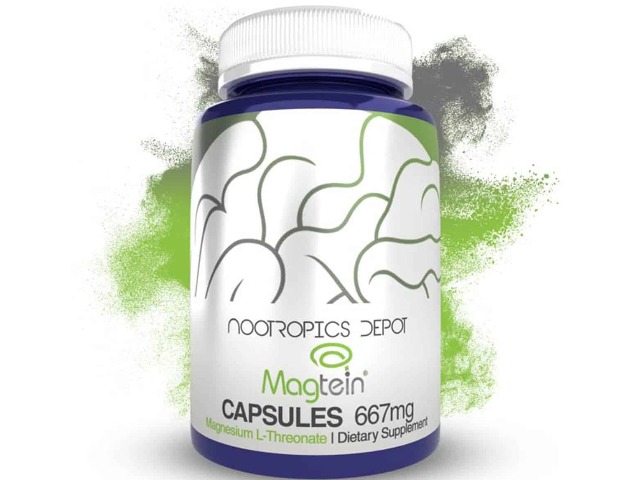
- Magnesium glycinate or threonate (300-500 mg) — GABA modulation and muscle relaxation
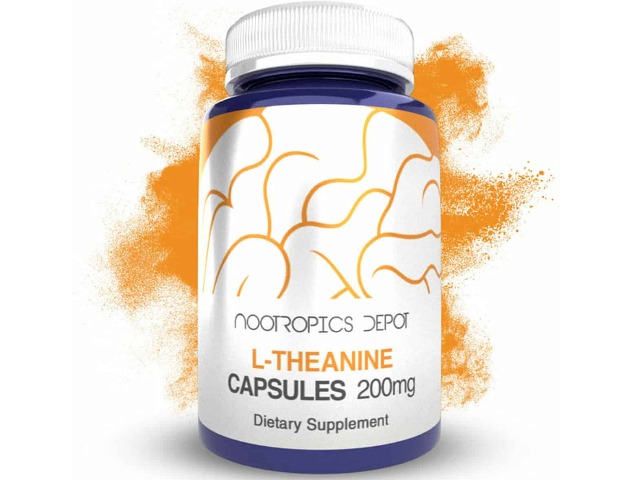
- L-Theanine (200-400 mg) — calms racing thoughts without sedation
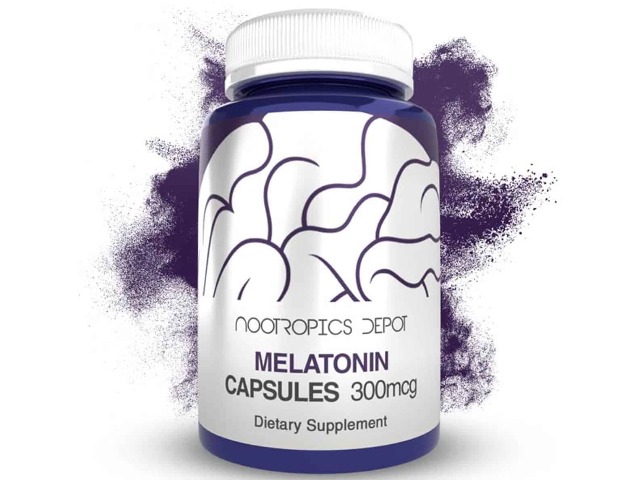
- Melatonin (0.5-3 mg) — circadian signaling, dosed precisely to your needs
This gives you control over dosing, the ability to adjust individual components, and transparency about exactly what you’re taking. You can add valerian or 5-HTP as needed without being locked into a fixed formula.
For a deeper dive into evidence-based sleep supplements, check out my full guide on the best nootropics for sleep.
Who Should Consider Avinol PM?
Avinol PM makes the most sense for people who:
- Want a simple, all-in-one sleep supplement without managing multiple bottles
- Have mild sleep onset issues rather than severe insomnia
- Prefer dissolvable tablets over capsules or powders
- Are looking for a short-term sleep aid (travel, temporary stress, etc.)
It’s less ideal for people with chronic insomnia, those already on serotonergic medications, or anyone who wants full control over their supplement dosing.
The Bottom Line
Avinol PM is a competent but unremarkable sleep supplement. The ingredient selection makes biochemical sense, the delivery format is genuinely well-designed, and for people who want a grab-and-go solution, it’ll likely provide some benefit. But it’s not going to outperform a well-constructed individual stack, and the lack of dosing transparency is a real drawback in a market that’s increasingly demanding it.
If you’re serious about optimizing your sleep, I’d encourage you to explore individual ingredients that target your specific sleep issues — whether that’s magnesium for physical tension, L-theanine for mental chatter, or ashwagandha for stress-driven insomnia. Your sleep is too important to leave to a one-size-fits-all formula.