
I used to think I was a “bad sleeper.” For years, I’d lie awake at 2 a.m., mentally rehearsing every questionable decision I’d made since middle school, convinced my brain was fundamentally broken. Turns out, my brain was fine — my sleep hygiene was terrible, and the supplements I was taking were mostly expensive placebos.
After years of research, self-experimentation, and more than a few sleep-tracking rabbit holes, I’ve landed on a stack that actually works. Not “maybe kinda helps” works — I mean measurably better deep sleep, faster onset, and mornings where I don’t feel like I’ve been hit by a bus.
Here’s the thing most sleep articles won’t tell you: the best nootropic for sleep isn’t always a sedative. Sometimes it’s about lowering cortisol. Sometimes it’s about giving your brain the raw materials it needs to produce its own melatonin. And sometimes, the biggest wins come from changes that cost nothing at all.
The Short Version: For most people, magnesium glycinate, L-theanine, and apigenin form a powerful, non-habit-forming sleep stack. Add tart cherry extract if you want a natural melatonin boost without the groggy hangover. Below, I break down the full evidence, dosing, and which combinations actually make sense.
Why Sleep Is the Ultimate Nootropic (And Why You’re Probably Not Getting Enough)

Before we talk supplements, let’s be honest about the stakes here. Sleep isn’t just “rest” — it’s when your brain literally takes out the trash.
During deep sleep, your glymphatic system clears beta-amyloid plaques and metabolic waste from your brain. Skip that process, and you’re essentially asking your brain to perform in a landfill. A 2009 study in Archives of Internal Medicine found that people sleeping less than seven hours per night were nearly three times more likely to catch a cold — your immune system basically clocks out when you do (Archives of Internal Medicine, 2009).
The numbers are staggering: roughly 35% of American adults are chronically sleep-deprived, sleeping less than seven hours per night (Journal of Clinical Sleep Medicine, 2015). Up to 48% of older adults struggle with chronic insomnia (Journal of Clinical Sleep Medicine, 2018). And short sleep duration is strongly correlated with obesity, cardiovascular disease, and cognitive decline (Sleep, 2008).
Here’s the philosophical problem: most people reach for pharmaceutical sleep aids first, which often suppress the very deep sleep stages your brain needs most. Benzodiazepines and Z-drugs knock you out, sure — but they tend to reduce slow-wave sleep and REM. You’re unconscious, not resting.
That’s where nootropics come in. The best sleep nootropics work with your brain’s existing architecture, not against it.
Quick Comparison: Best Nootropics for Sleep at a Glance
| Substance | Best For | Evidence Level | Onset Time | Key Mechanism |
|---|---|---|---|---|
| Magnesium Glycinate | Falling asleep, muscle relaxation | Strong (multiple RCTs) | 30-60 min | GABA modulation, NMDA antagonism |
| L-Theanine | Racing thoughts, anxiety-driven insomnia | Strong | 30-45 min | Alpha brain wave promotion, GABA support |
| Apigenin | Mild sedation, sleep onset | Moderate | 30-60 min | Benzodiazepine receptor binding |
| Tart Cherry Extract | Natural melatonin boost | Moderate (small RCTs) | 60-90 min | Endogenous melatonin precursor |
| Glycine | Deep sleep quality, core body temp | Strong | 30-60 min | Lowers core body temperature |
| Ashwagandha | Stress-driven insomnia | Strong | 2-4 weeks (cumulative) | Cortisol reduction |
| L-Tryptophan | Serotonin/melatonin production | Moderate | 45-60 min | Serotonin → melatonin pathway |
| Bacopa Monnieri | Sleep architecture improvement | Moderate | 4-8 weeks (cumulative) | Serotonergic, adaptogenic |
| Phosphatidylserine | Cortisol-related sleep disruption | Moderate | 2-4 weeks | Blunts HPA axis hyperactivation |
| Melatonin | Jet lag, shift work, circadian reset | Strong | 20-40 min | Direct circadian signaling |
Best Nootropics for Sleep (The Deep Dive)
Magnesium Glycinate
If I could only recommend one sleep supplement for the rest of my life, it would be magnesium. Not because it’s exotic — because it works, and because most people are deficient without knowing it.
An estimated 50-80% of Americans don’t get adequate magnesium from diet alone. That matters for sleep because magnesium activates GABA receptors — the same calming neurotransmitter system targeted by benzodiazepines — and blocks excitatory NMDA receptors. It’s like your brain’s natural “wind down” signal, and most of us are running on empty.
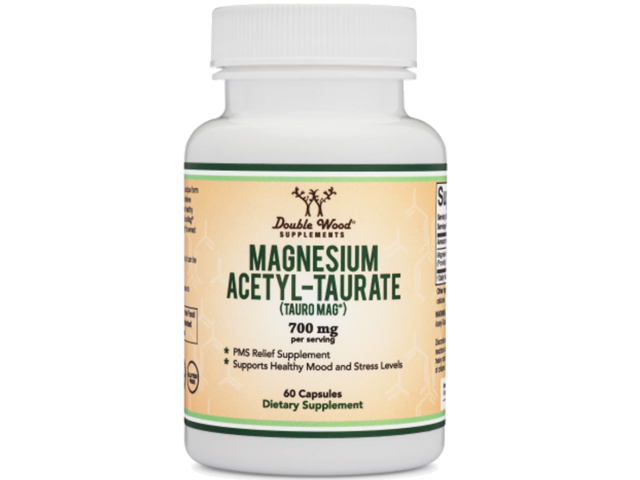
A double-blind, placebo-controlled trial in 46 elderly adults with insomnia found that 500 mg of magnesium daily for 8 weeks significantly improved sleep time, sleep efficiency, and melatonin levels while reducing cortisol (Journal of Research in Medical Sciences, 2012). The glycinate form is preferred because glycine itself has independent sleep benefits (more on that below), and it doesn’t cause the GI distress you get from magnesium oxide or citrate.
- Dose: 300-500 mg magnesium glycinate, 30-60 minutes before bed
- Best for: People who feel physically tense or restless at night, those with muscle cramps
- Stacks well with: L-theanine, apigenin
Insider Tip: If you’re taking magnesium and not noticing anything, check the form. Magnesium oxide — the cheapest, most common form — has roughly 4% bioavailability. You’re basically paying for expensive urine. Glycinate, threonate, and taurate are the forms that actually reach your brain.
L-Theanine
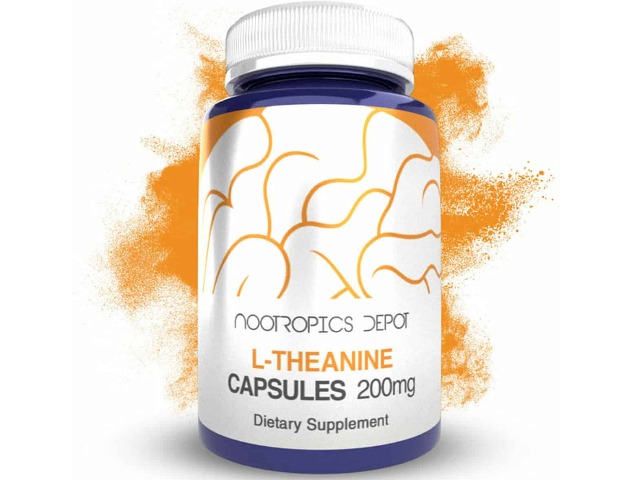
L-Theanine is the reason Buddhist monks could meditate for hours after drinking green tea without falling asleep or getting jittery. It’s an amino acid that crosses the blood-brain barrier and promotes alpha brain wave activity — the same relaxed-but-alert state you hit during meditation.
For sleep, L-theanine shines when your problem is a racing mind. It doesn’t sedate you — it quiets the noise. Research in Asia Pacific Journal of Clinical Nutrition (2008) demonstrated that L-theanine modulates GABA, serotonin, and dopamine levels, creating a calm mental state without drowsiness. This makes it uniquely useful: it helps you fall asleep without making you groggy if you happen to need to get up in the middle of the night.
- Dose: 200-400 mg, 30-45 minutes before bed
- Best for: Anxious sleepers, overthinkers, anyone who can’t “turn off” at night
- Stacks well with: Magnesium, glycine
Apigenin
Apigenin got popular after Andrew Huberman started recommending it, but the science actually precedes the hype. This flavonoid — found naturally in chamomile tea, parsley, and celery — binds to benzodiazepine receptors in the brain, producing a mild sedative effect without the dependency risk or cognitive impairment of actual benzos.
A 2009 study in the Journal of Clinical Pharmacy and Therapeutics confirmed that apigenin acts as a central benzodiazepine receptor ligand with measurable anxiolytic effects. The dose in chamomile tea is quite low, which is why supplemental apigenin (50 mg) tends to be more consistent.
- Dose: 50 mg, 30-60 minutes before bed
- Best for: Mild anxiety-related sleep issues, people looking for a gentle addition to a stack
- Stacks well with: Magnesium, L-theanine
Reality Check: Apigenin is a mild aromatase inhibitor, which means it can lower estrogen. For most men, this is neutral or mildly positive. For women — especially pre-menopausal women — high-dose daily use may not be ideal. If you’re a woman, start low (25 mg) and monitor how you feel.
Glycine
Glycine is one of the most underrated sleep supplements, period. This simple amino acid works by lowering core body temperature — which is one of the strongest physiological triggers for sleep onset. Your body naturally drops its core temperature by about 1-2°F as part of the circadian sleep signal. Glycine accelerates that process.
A study in Sleep and Biological Rhythms (2007) found that 3 grams of glycine before bed improved subjective sleep quality, reduced daytime sleepiness, and improved performance on memory tasks the next day. Participants reported falling asleep faster and feeling more refreshed — and the polysomnographic data backed it up.
The beauty of glycine is that it’s cheap, safe, has a mildly sweet taste, and you can just stir it into water. There’s essentially no downside.
- Dose: 3 grams, 30-60 minutes before bed
- Best for: People who run hot at night, those who want better deep sleep quality
- Stacks well with: Magnesium glycinate (double benefit — you get glycine from both)
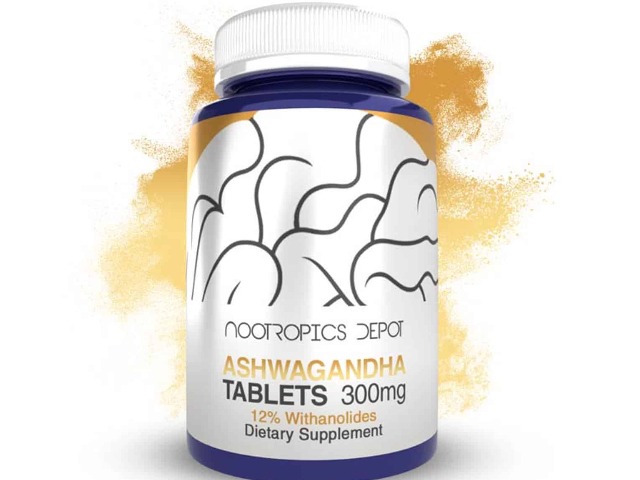
Ashwagandha (KSM-66)
If your sleep problem is stress, ashwagandha should be near the top of your list. This adaptogen directly addresses the HPA axis — the stress-response system that pumps out cortisol when you’re ruminating about your inbox at midnight.
A randomized, double-blind, placebo-controlled study of 64 adults with chronic stress found that 300 mg of KSM-66 ashwagandha twice daily for 60 days significantly reduced serum cortisol levels compared to placebo (Indian Journal of Psychological Medicine, 2012). Participants also reported substantially improved sleep quality on standardized questionnaires.
The key distinction: ashwagandha doesn’t knock you out. It recalibrates your stress response over weeks, so your body can actually access its natural sleep drive. This is a “build over time” supplement, not a “take tonight and pass out” solution.
- Dose: 300-600 mg KSM-66 extract daily (can be taken at night or split morning/evening)
- Best for: Stressed-out professionals, people with elevated cortisol, those whose sleep problems are clearly stress-related
- Stacks well with: Magnesium, L-theanine
Important: Ashwagandha can interact with thyroid medications and may increase thyroid hormone levels. If you have a thyroid condition, talk to your doctor before using it. Also, some people report emotional blunting at higher doses — if you notice you feel “flat,” reduce the dose.
Tart Cherry Extract
This one surprised me. Tart cherries — specifically Montmorency tart cherries — contain naturally occurring melatonin that’s chemically identical to what your pineal gland produces. But unlike supplemental melatonin, tart cherry provides it in a whole-food matrix with anthocyanins and other compounds that may enhance absorption and reduce inflammation.
A study in the European Journal of Nutrition (2012) found that tart cherry juice significantly increased melatonin levels, total sleep time, and sleep efficiency compared to placebo. The CherryPURE extract used in the study provided a standardized dose equivalent to about 100 Montmorency tart cherries.
- Dose: 500 mg CherryPURE extract or 8 oz tart cherry juice concentrate, 60-90 minutes before bed
- Best for: People who want a natural melatonin source without synthetic supplementation
- Stacks well with: Magnesium, glycine
L-Tryptophan
L-Tryptophan is the amino acid precursor to serotonin, which your brain then converts into melatonin. It’s the reason Thanksgiving turkey gets blamed for post-dinner naps (though the real culprit is probably the second plate of stuffing).
Research in the Journal of Psychiatric Research (1986) established that L-tryptophan supplementation can reduce sleep latency — the time it takes to fall asleep — particularly in people with mild insomnia. The key is co-factor support: tryptophan needs vitamin B6 and magnesium to convert efficiently into serotonin.
- Dose: 200-500 mg, 45-60 minutes before bed, taken with magnesium and B6
- Best for: People with serotonin-related mood or sleep issues, those who don’t respond well to direct melatonin
- Stacks well with: Magnesium, Vitamin B6
Pro Tip: Take tryptophan on a relatively empty stomach or with a small amount of carbohydrate. Protein-rich meals create competition at the blood-brain barrier with other large neutral amino acids, reducing tryptophan uptake. A small piece of fruit is the ideal companion.
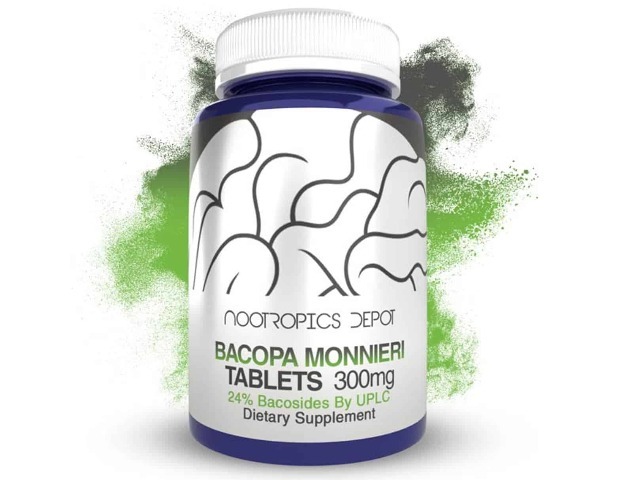
Bacopa Monnieri
Most people know Bacopa as a memory-enhancing nootropic, but it has a lesser-known benefit: it can genuinely improve sleep architecture. A 2008 study in Evidence-Based Complementary and Alternative Medicine found that chronic Bacopa administration improved sleep quality markers in elderly participants, likely through its effects on serotonergic signaling and its adaptogenic properties.
Bacopa is a slow builder — you won’t feel anything the first night. But over 4-8 weeks, many users report both improved cognitive performance during the day and better sleep at night. It’s one of those compounds where the sleep benefit is almost a side effect of getting your neurochemistry into a healthier baseline.
- Dose: 300-600 mg standardized extract (look for 50% bacosides), taken with a fat source
- Best for: People who want cognitive benefits AND sleep improvement, long-term optimizers
- Stacks well with: Ashwagandha, magnesium
Phosphatidylserine
Phosphatidylserine (PS) is a phospholipid that plays a critical role in cell membrane function — but for sleep, its superpower is blunting the cortisol response. Research in Neuroendocrinology (2008) demonstrated that PS supplementation significantly reduced cortisol levels in response to physical stress.
If you’re the kind of person whose cortisol spikes in the evening (you feel “tired but wired”), PS taken in the evening can help flatten that curve. It’s not a sedative — it’s more like a cortisol dimmer switch.
- Dose: 100-200 mg, taken in the evening
- Best for: Evening cortisol spikes, athletes with exercise-induced sleep disruption
- Stacks well with: Ashwagandha, magnesium
Melatonin
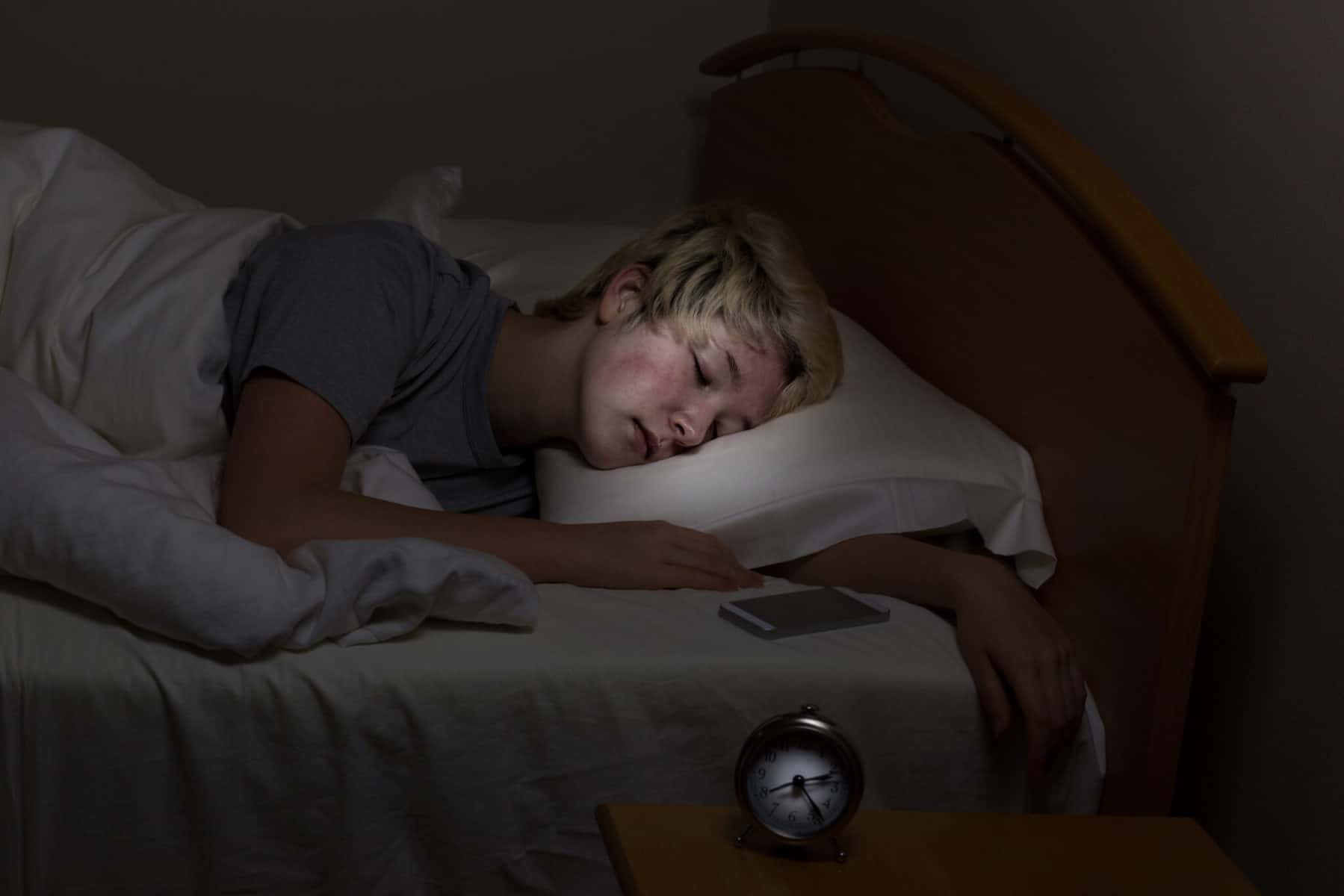
I’m putting melatonin last on purpose, because it’s both the most popular and the most misused sleep supplement on the market.
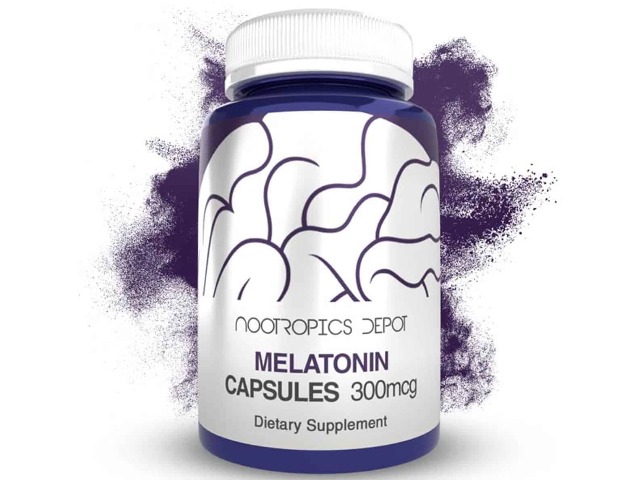
Here’s what most people get wrong: melatonin is a timing signal, not a sedative. It tells your brain “it’s nighttime.” Taking 10 mg because 3 mg “didn’t work” is like shouting louder at someone who speaks a different language. More isn’t better — in fact, supraphysiological doses can desensitize your receptors and make your sleep worse over time.
The research supports melatonin for very specific use cases: jet lag, shift work adjustment, and circadian rhythm disorders. For those applications, it’s excellent. For generic “I can’t sleep,” it’s usually the wrong tool.
- Dose: 0.3-1 mg (yes, that low), 30-60 minutes before your target bedtime
- Best for: Jet lag, shift workers, delayed sleep phase syndrome, circadian rhythm reset
- Avoid if: You already produce adequate melatonin and your problem is sleep maintenance rather than onset
Reality Check: Most melatonin supplements are dosed at 3-10 mg, which is 10-30x the physiological dose. A 2017 analysis found that the actual melatonin content in supplements varied from -83% to +478% of the labeled dose. If you use melatonin, get it from a brand that does third-party testing, and start at 0.3 mg.
Simple Biohacks for Better Sleep (Free or Cheap)
Supplements are only part of the equation. These behavioral and environmental changes can be just as powerful — and they cost nothing.
Temperature: Your bedroom should be 65-68°F (18-20°C). This isn’t arbitrary — core body temperature drop is one of the primary triggers for sleep onset. If you can’t control room temperature, try a warm shower 90 minutes before bed. The rapid cooling afterward mimics the natural temperature decline.
Light exposure: Get 10-15 minutes of direct sunlight within the first hour of waking. This sets your circadian clock with a precision that no supplement can match. In the evening, dim lights and avoid screens — or use blue-light blocking glasses — starting 2 hours before bed.
Caffeine curfew: Caffeine has a half-life of 5-6 hours, meaning that 2 p.m. coffee still has half its punch at 8 p.m. Set a hard cutoff at noon if you’re sensitive, 2 p.m. if you’re not.
Consistent timing: Going to bed and waking at the same time every day — including weekends — is arguably the single most impactful sleep intervention. Your circadian rhythm rewards consistency like a compound interest account.
The “brain dump”: Keep a notebook on your nightstand. Spend 5 minutes writing down everything you need to do tomorrow. Research shows this reduces sleep onset latency by offloading working memory.
How to Build Your Sleep Stack (Without Wasting Money)
Not everyone needs the same stack. Here’s how to choose based on your actual problem:
“I can’t fall asleep” (sleep onset): Start with magnesium glycinate (400 mg) + L-theanine (200 mg). If racing thoughts are the primary issue, add apigenin (50 mg). This is the highest-value, lowest-risk starting point.
“I fall asleep fine but wake up at 3 a.m.” (sleep maintenance): Glycine (3g) + magnesium glycinate (400 mg) is your foundation. If cortisol is the culprit (you wake up with a pounding heart or anxious thoughts), add phosphatidylserine (100 mg) in the evening.
“I’m stressed and wired all day” (HPA axis dysregulation): Ashwagandha KSM-66 (300 mg 2x/day) + magnesium (400 mg at night). Give this 4-6 weeks before judging. Add Bacopa (300 mg) if you also want cognitive benefits.
“I’m jet-lagged or doing shift work” (circadian disruption): Melatonin (0.3-0.5 mg) at your target bedtime + bright light exposure at your target wake time. Tart cherry extract is a good alternative if you prefer a whole-food source.
Budget tier (under $20/month): Magnesium glycinate + glycine. Two supplements, under $20/month combined, backed by strong evidence. This is where everyone should start.
My Take
After testing dozens of sleep supplements over the years, here’s what I actually use: magnesium glycinate (400 mg), L-theanine (200 mg), and glycine (3g), taken about 45 minutes before bed. That’s it. It’s boring, it’s cheap, and it works better than any fancy proprietary blend I’ve tried.
The biggest game-changer wasn’t a supplement, though — it was getting disciplined about light exposure (morning sunlight, evening dimness) and keeping my bedroom cold. Those two free interventions probably account for 60% of my sleep improvement.
Here’s my honest assessment: if you’re sleeping terribly, supplements alone won’t save you. Fix the basics first — consistent schedule, cool room, no screens in bed, caffeine cutoff. Then layer in magnesium and L-theanine as your foundation. Only add more if you have a specific, identifiable problem that matches a specific supplement.
The supplement industry wants you to believe that sleep is a complex puzzle requiring a $90/month stack of exotic compounds. It’s not. Your brain already knows how to sleep — it’s been doing it for millions of years of evolution. Most of the time, you just need to stop getting in its way and give it the basic raw materials it needs.
Sleep well. Your brain will thank you tomorrow.