
I spent my twenties white-knuckling through every productivity hack the internet had to offer. Pomodoro timers. Cold showers. Five different to-do apps. None of it touched the actual problem — my brain just wouldn’t cooperate. When I finally started digging into the neurochemistry behind attention and executive function, I realized that most of the “ADHD supplement” recommendations online were either recycled marketing copy or dangerously oversimplified. You deserve better than that.
This guide is what I wish someone had handed me ten years ago: an honest breakdown of which nootropics have real clinical evidence behind them for ADHD-type symptoms, which ones are promising but unproven, and which ones you should skip entirely.
The Short Version: For most people with ADHD symptoms, Citicoline and Bacopa Monnieri have the strongest evidence profiles. L-Theanine is the best starting point if you’re new to nootropics — it’s safe, well-studied, and pairs beautifully with your morning coffee. Below, I break down 8 nootropics by mechanism, evidence quality, and practical use so you can build a stack that fits your brain.
Quick Comparison: ADHD Nootropics at a Glance
| Substance | Best For | Evidence Level | Onset Time | Key Mechanism |
|---|---|---|---|---|
| Citicoline | Focus & attention | Strong (human trials) | 1–2 weeks | Acetylcholine + dopamine support |
| Bacopa Monnieri | Impulsivity & memory | Moderate (open-label trials) | 8–12 weeks | Serotonergic + antioxidant |
| L-Theanine | Calm focus & sleep | Strong (human trials) | 30–60 minutes | GABA modulation, alpha waves |
| Phosphatidylserine | Cognitive processing | Moderate (human trials) | 2–4 weeks | Cell membrane integrity |
| L-Tyrosine | Motivation under stress | Early/mixed | 30–60 minutes | Dopamine precursor |
| Lion’s Mane | Long-term brain health | Emerging (mostly preclinical) | 4–8 weeks | NGF stimulation |
| Alpha-GPC | Mental speed & clarity | Moderate | 1–2 weeks | High-bioavailability choline |
| Rhodiola Rosea | Stress-related brain fog | Strong (human trials) | Days–2 weeks | Cortisol modulation |
Why ADHD Brains Respond Differently to Nootropics (And Why That Matters)
Here’s something most supplement sites won’t tell you: ADHD isn’t a motivation problem. It’s a neurotransmitter regulation problem.
The ADHD brain typically shows lower baseline levels of dopamine and norepinephrine in the prefrontal cortex — the brain region responsible for executive function, working memory, and impulse control. That’s why stimulant medications like methylphenidate work: a 2020 research review found significant improvements in attention and executive function in children by increasing dopamine availability in exactly those circuits.
This means the nootropics most likely to help ADHD symptoms are the ones that target these specific pathways — not random “brain boosters” with pretty labels. We’re looking for compounds that:
- Increase dopamine or norepinephrine synthesis (like L-Tyrosine)
- Support acetylcholine production (like Citicoline and Alpha-GPC)
- Modulate overactive stress responses that hijack attention (like L-Theanine and Rhodiola)
- Protect and repair neural structures involved in executive function (like Lion’s Mane and Phosphatidylserine)
Reality Check: Nootropics are not a replacement for foundational health practices. If your sleep is wrecked, your gut is inflamed, or you’re running on caffeine and cortisol, no supplement is going to fix your focus. Nail the basics first — then add targeted nootropics on top. That’s the holistic approach.
The Best Individual Nootropics for ADHD
Citicoline
If I had to pick one nootropic for ADHD focus, this is it. Citicoline (also known as CDP-choline) is a naturally occurring compound that your brain uses to build acetylcholine — the neurotransmitter most directly involved in sustained attention and working memory. But unlike basic choline supplements, citicoline also increases dopamine receptor density in the prefrontal cortex, which is exactly where ADHD brains need the most support.
Clinical research has demonstrated improved attentional performance at doses as low as 250mg daily. That’s not a megadose — it’s a targeted, evidence-backed amount. Citicoline also supports phospholipid synthesis, meaning it’s literally helping your brain build and maintain the cell membranes your neurons need to communicate efficiently.
Who it’s best for: Anyone whose primary ADHD symptom is difficulty sustaining focus during cognitively demanding tasks — reading, writing, deep work sessions. If you find yourself re-reading the same paragraph five times, citicoline should be on your radar.
- Supports both acetylcholine and dopamine pathways
- Well-tolerated with minimal side effects at standard doses
- Synergizes well with L-Tyrosine for a dopamine-focused stack
- Recommended dose: 250–500mg daily
Bacopa Monnieri
Bacopa Monnieri is an Ayurvedic adaptogen that’s been used for cognitive enhancement for literally thousands of years — and it has some of the most relevant clinical data for ADHD specifically. In an open-label study of 31 children ages 6–12 with ADHD, 225mg of standardized Bacopa extract taken daily for 6 months produced remarkable results: a 78% reduction in learning problems, a 67% reduction in impulsivity, and 74% of participants showed at least a 20% improvement in overall ADHD symptoms.
Now, I need to be honest about the limitations here. This was an open-label trial — no placebo group, and a small sample size. That matters. But the effect sizes are striking enough to take seriously, especially given Bacopa’s well-established mechanisms: it modulates serotonin and dopamine, provides potent antioxidant protection for neural tissue, and enhances synaptic communication.
The catch? Bacopa is a slow burn. You’re looking at 8 to 12 weeks before the full cognitive benefits kick in. Most people who try Bacopa and give up after two weeks are quitting right before it starts working.
Who it’s best for: People whose ADHD manifests as impulsivity and poor memory retention alongside attention issues. If you’re the type who blurts things out, forgets what you walked into a room for, and struggles with learning new material — Bacopa is your nootropic.
- Targets serotonin AND dopamine pathways
- Reduces anxiety — a common ADHD comorbidity
- Strong safety profile with centuries of traditional use
- Recommended dose: 300–450mg daily of an extract standardized to 50% bacosides
Insider Tip: Take Bacopa with a fat source — a meal, fish oil, or even a tablespoon of MCT oil. Bacosides are fat-soluble, and absorption improves dramatically when taken with dietary fat.
L-Theanine
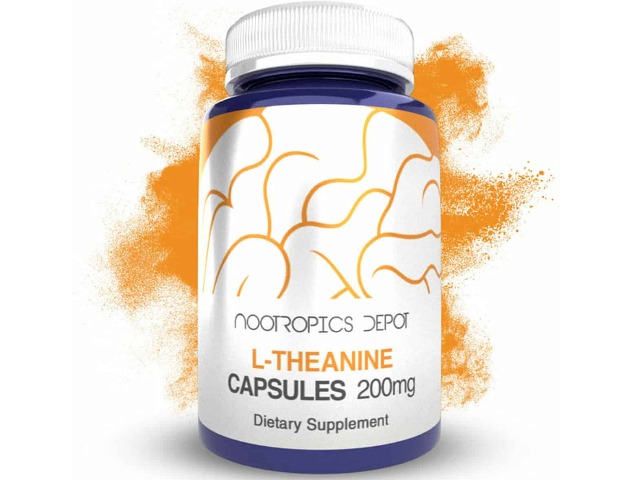
If you drink tea, you already know what L-Theanine feels like — it’s the reason green tea produces calm alertness instead of the jittery anxiety you get from coffee. L-Theanine is an amino acid that crosses the blood-brain barrier and promotes alpha brain wave activity, the neural signature of relaxed, focused attention.
For ADHD specifically, clinical research has shown that L-Theanine improves sleep quality in ADHD patients — and if you have ADHD, you know that poor sleep makes every symptom worse the next day. Early research also suggests direct effects on attention circuitry, making it one of the rare nootropics that addresses both the focus deficit and the hyperarousal that many people with ADHD experience simultaneously.
The real power move is pairing L-Theanine with caffeine. This combination has been studied more than almost any other nootropic stack, and the results are consistent: caffeine provides the alertness and drive, while L-Theanine smooths out the anxiety, jitters, and crash. For ADHD brains that are stimulant-sensitive, this is often the first stack I recommend.
Who it’s best for: The anxious ADHD subtype — people whose attention problems come packaged with racing thoughts, overstimulation, and difficulty winding down at night.
- Promotes alpha brain waves (calm focus state)
- Improves sleep quality in ADHD patients
- Pairs synergistically with caffeine
- No tolerance buildup or withdrawal
- Recommended dose: 100–200mg, 1–2x daily (200mg with caffeine for the classic stack)
Phosphatidylserine
Phosphatidylserine (PS) is a phospholipid that makes up about 15% of your brain’s total phospholipid pool. It’s not a flashy nootropic — no one’s posting about it on Reddit — but it quietly supports both dopamine and acetylcholine signaling, the two neurotransmitter systems most relevant to ADHD.
PS works at the structural level. It maintains cell membrane fluidity, which is essential for neurotransmitter receptor function and signal transduction. Think of it this way: your neurons can only fire as well as their membranes allow. If those membranes are stiff or degraded, signals get garbled. PS keeps the infrastructure working.
Clinical data supports 100mg daily as an effective dose for cognitive enhancement. Several studies have shown improvements in processing speed, memory, and attention — all functions that take a hit with ADHD.
Who it’s best for: People who feel like their thinking is “foggy” or “slow” rather than scattered. If your ADHD feels more like cognitive sluggishness than hyperactive distraction, PS targets that specific pattern.
- Supports dopamine and acetylcholine at the structural level
- Improves processing speed and working memory
- Can be derived from sunflower lecithin (soy-free options available)
- Recommended dose: 100–300mg daily
Pro Tip: PS stacks exceptionally well with Citicoline. Citicoline provides the raw material for acetylcholine production, while PS ensures the cell membranes can actually use it. Think of it as supply (citicoline) meets infrastructure (PS).
L-Tyrosine
L-Tyrosine is the amino acid your body uses to manufacture dopamine, norepinephrine, and epinephrine — the catecholamine family. Since ADHD is fundamentally a catecholamine regulation issue, supplementing the raw building block seems like an obvious move. And sometimes the obvious move is the right one.
I need to be transparent: the clinical evidence for L-Tyrosine specifically for ADHD is early and conflicted. Some studies show benefits under stress conditions (when catecholamine demand is highest), while others show minimal effects in non-stressed states. The strongest evidence comes from research on cognitive performance under conditions of sleep deprivation, cold exposure, and multitasking — situations that deplete dopamine rapidly.
For ADHD, the practical implication is this: L-Tyrosine is most useful when you’re under pressure. Deadline looming, multiple demands competing for attention, stress mounting. That’s when your already-low dopamine reserves get burned through fastest, and that’s when Tyrosine supplementation is most likely to help.
Who it’s best for: High-pressure workers, students during exam periods, or anyone whose ADHD symptoms spike noticeably under stress.
- Primary building block for dopamine and norepinephrine
- Most effective under high-demand conditions
- Fast-acting (30–60 minutes)
- Recommended dose: 500–2,000mg on an empty stomach, 30 minutes before a demanding task
Lion’s Mane
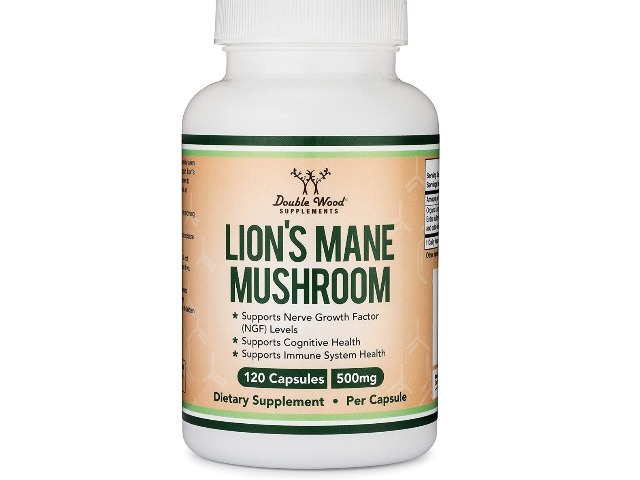
Lion’s Mane mushroom is the long game. While most nootropics on this list work by modulating neurotransmitter levels, Lion’s Mane does something fundamentally different: it stimulates the production of Nerve Growth Factor (NGF), a protein that promotes the growth, maintenance, and survival of neurons.
Why does this matter for ADHD? Because neuroplasticity — your brain’s ability to form new neural connections and strengthen existing ones — is a key factor in developing better executive function over time. You’re not just patching the symptom; you’re potentially supporting the brain’s ability to build better attentional networks.
The research is still largely preclinical, with most NGF stimulation data coming from cell culture and animal studies. Human trials have shown cognitive improvements in older adults with mild cognitive impairment, but direct ADHD trials are still lacking. I include it on this list because the mechanism is uniquely relevant and the safety profile is excellent.
Who it’s best for: People taking a long-term approach to brain health who want neuroprotective benefits alongside their symptom management strategy.
- Stimulates NGF production (unique mechanism)
- Supports neuroplasticity and neural repair
- Excellent safety profile
- May take 4–8 weeks for noticeable effects
- Recommended dose: 500–1,000mg daily of a dual-extract (both hot water and ethanol extracted)
Reality Check: Lion’s Mane is not a quick fix for focus. If you need attention support right now, start with Citicoline or L-Theanine. Add Lion’s Mane for the long-term neuroplasticity benefits — think of it as the retirement account of your nootropic stack.
Alpha-GPC
Alpha-GPC is the most bioavailable form of choline you can take orally. It crosses the blood-brain barrier efficiently and serves as a direct precursor to acetylcholine — the neurotransmitter that governs attention, learning, and memory formation.
Where Alpha-GPC differs from Citicoline is in its mechanism. Citicoline provides choline plus cytidine (which converts to uridine, supporting cell membranes and dopamine). Alpha-GPC is more of a pure choline delivery vehicle — it raises acetylcholine levels faster and more directly. Some people respond better to one, some to the other. It’s worth experimenting with both, but don’t stack them together at full doses — that’s more choline than your brain needs.
Alpha-GPC also has an interesting property: it supports growth hormone release, which may provide indirect cognitive benefits through improved sleep quality and neural recovery.
Who it’s best for: People who want straightforward acetylcholine support without the additional dopamine and membrane effects of citicoline. Also a good option if you’ve tried citicoline and didn’t notice much — your neurochemistry may respond better to the Alpha-GPC pathway.
- Highest bioavailability of any choline source
- Rapidly increases acetylcholine levels
- Supports growth hormone release
- Recommended dose: 300–600mg daily
Rhodiola Rosea
Rhodiola Rosea is an adaptogen with strong clinical evidence for improving cognitive performance under stress — and for many people with ADHD, stress and attention problems are so intertwined they’re almost indistinguishable.
Rhodiola works primarily through cortisol modulation. Chronic stress elevates cortisol, which directly impairs prefrontal cortex function — the same brain region that’s already underperforming in ADHD. By helping normalize the stress response, Rhodiola can clear the path for your other nootropics to work more effectively. I think of it less as an attention booster and more as a “remove the obstacles” compound.
The evidence is solid. Multiple human trials have demonstrated improvements in cognitive performance, fatigue resistance, and subjective well-being under stressful conditions. Onset is relatively fast — many people notice effects within days to two weeks.
Who it’s best for: People whose ADHD symptoms get dramatically worse under stress, or who deal with significant fatigue alongside attention issues. If you feel like stress hijacks your brain, Rhodiola addresses that root cause.
- Proven cortisol modulation
- Reduces mental fatigue
- Fast onset (days to 2 weeks)
- Strong clinical evidence in stressed populations
- Recommended dose: 200–400mg daily of an extract standardized to 3% rosavins and 1% salidroside
Insider Tip: Take Rhodiola in the morning or early afternoon — it’s mildly stimulating for some people. And don’t combine it with prescription stimulants without talking to your doctor first. Both increase catecholamine activity, and stacking them can lead to overstimulation.
How to Choose the Right Nootropic Without Wasting Your Money
With eight options on the table, picking the right one comes down to your specific symptom profile. ADHD isn’t one thing — it’s a spectrum of executive function challenges. Here’s how to match your symptoms to the right starting point:
If your primary issue is sustained focus: Start with Citicoline (250–500mg). Add Alpha-GPC only if citicoline doesn’t move the needle after 4 weeks.
If impulsivity and emotional reactivity dominate: Start with Bacopa Monnieri (300mg). Be patient — it takes 8–12 weeks. Add L-Theanine for immediate calming support while Bacopa builds up.
If anxiety and overstimulation are the core problem: L-Theanine (200mg) is your first move. Pair with Rhodiola Rosea if stress is a major trigger.
If brain fog and slow processing are your symptoms: Phosphatidylserine (100–300mg) paired with Citicoline targets the structural and neurochemical roots of sluggish cognition.
If you’re playing the long game on brain health: Add Lion’s Mane (500–1,000mg) to whichever stack you build. It works on a different axis than everything else here.
| Symptom Profile | Start With | Add If Needed | Timeline |
|---|---|---|---|
| Can’t sustain focus | Citicoline | Alpha-GPC | 1–4 weeks |
| Impulsive, reactive | Bacopa + L-Theanine | Rhodiola | 8–12 weeks |
| Anxious, overstimulated | L-Theanine | Rhodiola | Days–2 weeks |
| Foggy, slow processing | PS + Citicoline | Lion’s Mane | 2–6 weeks |
| Stressed and scattered | Rhodiola | L-Tyrosine | 1–4 weeks |
Important: If you’re currently taking ADHD medication (stimulants, atomoxetine, or others), talk to your healthcare provider before adding nootropics. Some of these compounds affect the same neurotransmitter systems as your medication, and the interaction effects matter. This guide is for informational purposes and is not medical advice.
My Take
After years of testing, researching, and talking to hundreds of people in this community, here’s what I actually recommend:
For most people new to nootropics for ADHD, start with L-Theanine and Citicoline. This combination is safe, well-studied, affordable, and targets the two most common ADHD complaints — an inability to focus and an overactive stress response. Take them for 4–6 weeks before adding anything else. You need a clean baseline to know what’s actually working.
If you’re more experienced and want a comprehensive stack, my personal ADHD-focused protocol is: Citicoline (300mg) + Bacopa Monnieri (300mg) + L-Theanine (200mg) + Lion’s Mane (1,000mg). That covers acetylcholine support, dopamine and serotonin modulation, stress buffering, and long-term neuroplasticity. It’s not cheap, but every ingredient earns its spot.
Here’s what I won’t do: pretend that any of these supplements replaces medical treatment for severe ADHD. They won’t. If you’re struggling significantly, work with a professional. What nootropics can do — and what I’ve seen them do, both for myself and for the people I work with — is move the needle on focus, reduce the cognitive tax of stress, and support a brain that’s working harder than most just to get through the day.
The supplement industry is designed to confuse you. I hope this guide cuts through some of that noise. Start with one or two compounds, track how you feel, and build from there. Your brain is worth the investment.