I spent the better part of a year convinced I was taking the “right” omega-3 — until I actually looked at what was in my capsules.
Turns out, I was paying premium prices for a krill oil that delivered less than 200mg of combined EPA and DHA per serving. Meanwhile, the clinical trials showing real mental health benefits were using four to five times that amount. I was essentially microdosing and wondering why nothing changed.
If you’ve ever stood in a supplement aisle (or scrolled through Amazon at 1 AM) trying to figure out whether fish oil, krill oil, cod liver oil, or algae oil is the one that’ll actually help your mood, focus, or anxiety — I get it. The marketing is designed to confuse you. Let me un-confuse it.
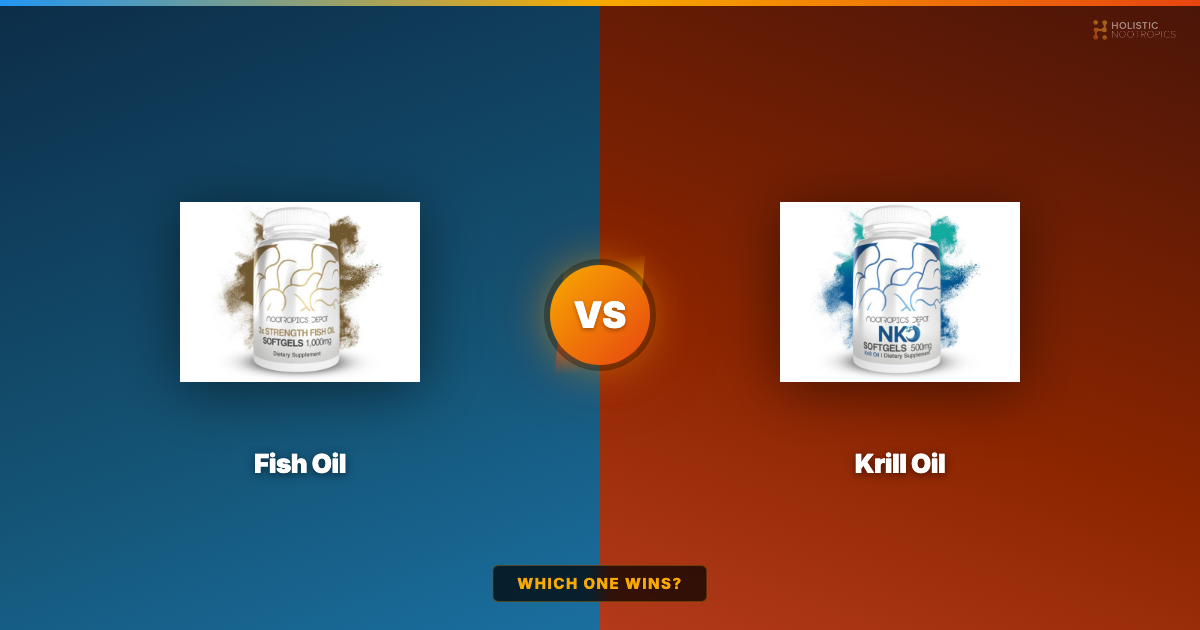
The Short Version: For mental health specifically, fish oil wins — and it’s not particularly close. EPA-dominant fish oil formulations have the strongest clinical evidence for reducing depression and anxiety, offer the most dosing flexibility, and cost the least per effective milligram. Krill oil absorbs better but delivers far less EPA. Algae oil is the best vegan option but skews DHA-heavy. Cod liver oil adds useful vitamins but caps your omega-3 ceiling. Below, I break down exactly why — with the 2026 clinical data, specific products, and pricing.
The Quick Comparison (What You Came Here For)
| Feature | Fish Oil | Krill Oil | Cod Liver Oil | Algae Oil |
|---|---|---|---|---|
| EPA + DHA per serving | 1,000–1,100mg | 190–300mg | 270–500mg | 400–555mg |
| Form | Triglyceride | Phospholipid | Triglyceride | Triglyceride |
| Best for | Depression, anxiety, high-dose protocols | Absorption, joint health | Vitamin A/D synergy, immune support | Vegans, sustainability, DHA-focused |
| Price per serving | $0.20–0.40 | $0.50–0.80 | $0.30–0.50 | $0.40–0.70 |
| Key advantage | Highest EPA per dollar | No fishy burps, phospholipid absorption | Built-in vitamins A + D | Cleanest source, zero contaminants |
| Key downside | Fishy aftertaste (some brands) | Too low-dose for mental health protocols | Vitamin A toxicity risk at high doses | Lower EPA, higher cost |
| Avg. user rating | 4.5/5 | 4.6/5 | 4.4/5 | 4.7/5 |
Why Omega-3s Matter for Your Brain (The 2026 Evidence)
Before we compare bottles, you need to understand what’s actually happening when omega-3s reach your brain — because this is what separates real benefits from supplement-aisle wishful thinking.
Your brain is roughly 60% fat by dry weight, and DHA makes up a significant portion of neuronal cell membranes. EPA, meanwhile, acts more like a signaling molecule — reducing neuroinflammation and modulating serotonin and dopamine pathways. They do different jobs. That distinction matters enormously for mental health.
The landmark data point for 2026 is a massive UK Biobank analysis published in The Journal of Nutrition (Harris et al., 2026). Researchers tracked 258,354 participants with omega-3 biomarker data and 468,145 participants with supplement data over a 13.7-year follow-up. The findings were striking:
- Participants in the highest quintile of total plasma omega-3s had a 15–33% lower risk of depression (OR 0.67–0.85) and 19–22% lower anxiety risk
- Fish oil supplementation specifically was linked to a 20% lower risk of recent anxiety (OR 0.80) and 10% lower risk of lifetime mood disorders
- DHA in the highest quintile showed a 33% reduction in self-harm odds (OR 0.67)
- Non-DHA omega-3s (EPA and ALA) were associated with 14% lower suicidal ideation (OR 0.86)
That’s not a small effect. That’s population-level, large-sample-size evidence that omega-3 status genuinely correlates with mental health outcomes.
Important: Correlation isn’t causation — but the UK Biobank data is backed by interventional evidence. A 2025 double-blind RCT (NCT07157241) gave 64 stressed adults 500mg EPA + 250mg DHA daily for 3 months and found significant reductions in depression (PHQ-9), anxiety (GAD-7), and perceived stress (PSS) scores compared to placebo, plus improvements in sleep quality and memory.
A 2026 narrative review in Lipidology (Lastretti et al.) synthesized the current evidence and concluded that EPA-enriched formulations (≥60% EPA) are superior for depression — particularly in non-inflamed subtypes. DHA’s mood effects remain less consistent. This aligns with what L-Theanine researchers have also found: calming mechanisms work best when targeting specific neurochemical pathways rather than blanketing everything.
The EPA vs. DHA Question
This is the single most important thing to understand for mental health supplementation:
- EPA → stronger antidepressant and anti-anxiety effects
- DHA → better for structural brain health, neuroprotection, and possibly sleep
If you’re supplementing primarily for mood and anxiety, you want EPA to be the dominant fatty acid in your supplement. This immediately reshapes the comparison, because each oil type delivers a very different EPA-to-DHA ratio.
Fish Oil: The Workhorse (And Still the Best for Mental Health)
Fish oil is extracted from fatty fish — salmon, anchovies, sardines, mackerel — and concentrated into either triglyceride or ethyl ester forms. The triglyceride form absorbs better, and most quality brands have shifted to re-esterified triglycerides since around 2010.
Why it wins for mental health:
Fish oil is the only omega-3 source that lets you easily hit the 1–2g daily EPA+DHA range that clinical trials consistently use. A single serving of a quality fish oil like Nordic Naturals Ultimate Omega delivers 650mg EPA and 450mg DHA — that’s already in the therapeutic window. Try doing that with krill oil and you’d need to swallow 6–8 capsules.
The UK Biobank study specifically tracked fish oil supplementation (not krill, not algae) and found that 20% anxiety reduction. The 2025 Saudi RCT used a fish-oil-range dose (500mg EPA + 250mg DHA). When researchers study omega-3s for depression, they’re almost always using fish oil.
The downsides are real but manageable:
About 20% of users report fishy burps — look for enteric-coated capsules or take with meals. Roughly 10% notice an oxidation smell, which is actually a sign of a low-quality product. Buy IFOS 5-star rated brands and store them in the fridge.
Pro Tip: The “fishy burps” problem is almost always a quality issue, not an omega-3 issue. Rancid fish oil (high TOTOX values) causes reflux. Brands with IFOS certification test for oxidation markers. If your fish oil smells off when you open the bottle, throw it away — you’re swallowing oxidized lipids.
Top fish oil picks for 2026:
- Nordic Naturals Ultimate Omega — IFOS certified, triglyceride form, 650mg EPA + 450mg DHA per serving, ~$0.35/serving
- Sports Research Triple Strength — ConsumerLab A+ rating, excellent value, ~$0.25/serving
- Nature Made Fish Oil 1200mg — USP verified, budget-friendly at ~$0.20/serving
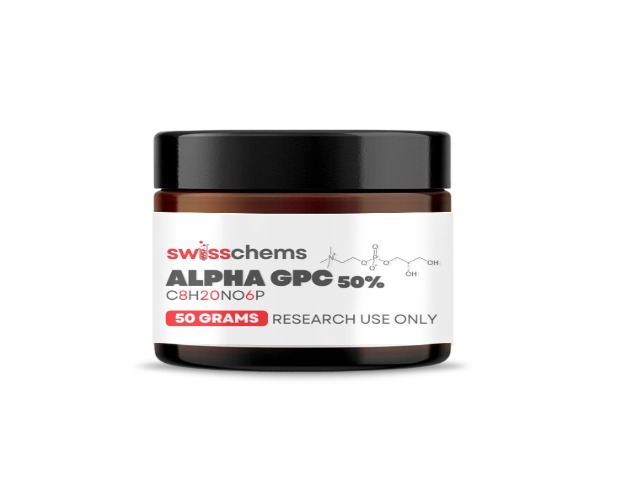
Fish oil also pairs exceptionally well with other nootropics. The synergy between omega-3s and Bacopa Monnieri for memory and anxiety reduction is well-documented in observational research. And because DHA enhances cholinergic function, stacking with Alpha-GPC can amplify both compounds.
Krill Oil: Better Absorption, Wrong Dose
Krill oil comes from tiny Antarctic crustaceans and delivers EPA/DHA bound to phospholipids rather than triglycerides. This matters because phospholipid-bound omega-3s cross cell membranes more readily — older pharmacokinetic studies suggest 20–50% higher bioavailability compared to ethyl ester fish oils.
It also contains astaxanthin, a potent antioxidant that protects the oil from oxidation (which is why krill oil rarely goes rancid) and may have its own neuroprotective benefits.
The absorption advantage is real — but it doesn’t overcome the dose problem.
Here’s the math that krill oil marketing doesn’t want you to do:
MegaRed Ultra Concentrated Krill Oil delivers roughly 130mg EPA and 60mg DHA per two-softgel serving. Even with 50% better absorption, that’s the bioavailable equivalent of ~285mg EPA+DHA from fish oil. The clinical trials showing mental health benefits use 750mg–2,000mg EPA+DHA.
You’d need to take 6–10 krill oil capsules daily to reach therapeutic doses for depression or anxiety. At $0.60/serving for the standard dose, that’s $1.80–3.00/day — versus $0.25–0.40 for the same EPA+DHA from fish oil.
Reality Check: Krill oil is a fantastic supplement for general health, joint support, and people who can’t tolerate fish oil capsules. But if your primary goal is mental health — specifically targeting depression or anxiety — the dosing math simply doesn’t work. You can’t get enough EPA from krill oil without spending 5–8x more than fish oil.
Where krill oil genuinely shines:
- No fishy aftertaste (the #1 reason people switch from fish oil)
- Superior oxidative stability — it essentially doesn’t go rancid
- Astaxanthin provides additional antioxidant benefits
- Smaller capsules, easier to swallow
- 4.6/5 average user rating — highest satisfaction among non-vegan options
Top krill oil picks for 2026:
- Kori Pure Antarctic Krill Oil — No fillers, Krill Canada certified, ~$0.55/serving
- MegaRed Ultra Concentrated — IKOS certified, higher EPA/DHA per capsule, ~$0.60/serving
If you’re using krill oil and want to support mood, consider pairing it with Rhodiola Rosea for stress resilience — the adaptogenic effects complement the anti-inflammatory action of the omega-3s and astaxanthin.
Cod Liver Oil: The Vitamin Bonus (With a Ceiling)
Cod liver oil is exactly what it sounds like — oil extracted from the livers of Atlantic cod. Unlike standard fish oil (which comes from the body tissue), the liver source means it naturally contains significant amounts of vitamins A and D alongside EPA and DHA.
The vitamin synergy argument:
Vitamin D deficiency is strongly linked to depression — and many of the same populations that are low in omega-3s are also low in vitamin D. Cod liver oil addresses both simultaneously. A typical serving (like Carlson Labs Elite) provides:
- 160mg EPA + 110mg DHA
- 850mcg RAE vitamin A (roughly 95% of the daily value)
- 10mcg (400 IU) vitamin D
For someone with both omega-3 and vitamin D insufficiency, this is a genuinely elegant solution. The vitamin D supports serotonin synthesis, and the omega-3s modulate neuroinflammation — they’re working on the same mood pathways from different angles.
The ceiling problem:
Vitamin A is fat-soluble, meaning it accumulates. The upper tolerable limit is 3,000mcg RAE/day, and at higher levels it becomes toxic — causing nausea, headaches, and in chronic excess, liver damage. If your cod liver oil gives you 850mcg per serving, you can safely take 2–3 servings before you start flirting with the limit. That caps your EPA+DHA at roughly 480–810mg — potentially below the therapeutic range for depression.
This is a hard ceiling. You can’t just “take more” the way you can with fish oil.
Important: Pregnant women should be especially careful with cod liver oil. Excessive preformed vitamin A (retinol) is teratogenic — meaning it can cause birth defects. The recommended DHA intake during pregnancy is 200–300mg, which cod liver oil can provide, but monitor your total vitamin A from all sources carefully.
About 12% of users report nausea from cod liver oil, likely related to the vitamin A content. And some people notice a distinctly “liver-y” taste that’s different from standard fish oil.
Top cod liver oil picks for 2026:
- Carlson Labs Elite Cod Liver Oil — NSF certified, low oxidation, ~$0.40/serving
- Rosita Extra Virgin Cod Liver Oil — Raw/unrefined, premium quality, ~$0.70/serving
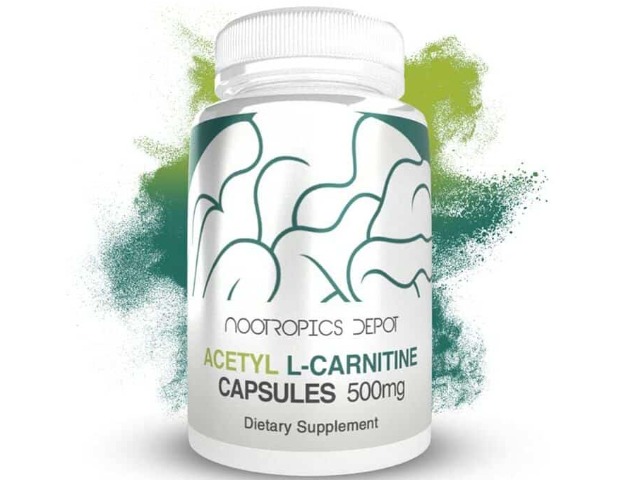
Cod liver oil is a reasonable choice if you’re also looking to support immune function and bone health alongside mood — think of it as a multitasker rather than a specialist. It stacks well with Acetyl-L-Carnitine for mitochondrial and mood support without overlap.
Algae Oil: The Cleanest Source (Best for Vegans)
Algae oil is the original omega-3 source — literally. Fish don’t produce EPA and DHA themselves; they accumulate it from eating microalgae. Algae oil cuts out the middlefish entirely, delivering DHA (and increasingly, EPA) from cultivated marine algae.
The purity advantage:
Because it’s grown in controlled environments, algae oil has effectively zero contaminant risk — no mercury, no PCBs, no microplastics. For the environmentally conscious, it’s also the most sustainable option by a wide margin. No bycatch, no overfishing, no ocean depletion.
The user satisfaction data reflects this: algae oil earns the highest average rating at 4.7/5, with users praising the clean label, lack of aftertaste, and focus-enhancing effects.
The EPA gap:
Here’s the tradeoff. Most algae oils are heavily DHA-dominant. Nordic Naturals Algae Omega, for example, delivers 360mg DHA but only 195mg EPA per two-softgel serving. Remember — EPA is the more important fatty acid for depression and anxiety.
About 18% of algae oil users in review data noted that mood effects felt less potent compared to when they’d previously used fish oil. This tracks with the clinical evidence: DHA supports brain structure and may help with sleep and neuroprotection, but EPA drives the antidepressant signal.
That said, the research on omega-3s and mood in non-clinical populations (PMC12787927, ~2025) found that self-reported omega-3 supplement users — including those taking algae-based products — showed fewer depressive symptoms and better episodic memory versus non-users. So it’s not that algae oil doesn’t work for mood. It’s that it may not work as well as an EPA-dominant fish oil at equivalent cost.
Insider Tip: If you’re vegan and want to maximize EPA for mood, look for newer algae oil formulations that specifically boost EPA content. The technology has improved significantly since 2020, and some brands now offer near-equal EPA/DHA ratios from algae. Also consider pairing algae oil with L-Theanine for a calming stack that doesn’t rely on EPA — theanine modulates glutamate and increases alpha brain waves through a completely independent mechanism.
Top algae oil picks for 2026:
- Nordic Naturals Algae Omega — NSF certified, vegan, 360mg DHA + 195mg EPA, ~$0.50/serving
- Future Kind Vegan Omega-3 — Sustainable sourcing, subscription pricing brings it to ~$0.40/serving
Head-to-Head: The Categories That Actually Matter
Ingredient Potency (EPA + DHA per Dollar)
Fish oil delivers roughly 2,500–4,000mg of EPA+DHA per dollar. Krill oil delivers about 250–400mg per dollar. That’s a 10x difference. For mental health, where dose matters, this is the most important metric.
Winner: Fish Oil (by a wide margin)
Absorption & Bioavailability
Krill oil’s phospholipid-bound omega-3s genuinely absorb better — the older pharmacokinetic data shows 20–50% superior bioavailability compared to ethyl ester fish oils. However, modern triglyceride-form fish oils have largely closed this gap. The absorption advantage of krill over re-esterified triglyceride fish oil is probably closer to 10–20%.
Winner: Krill Oil (but the advantage is smaller than marketed)
Purity & Contaminant Risk
Algae oil wins this outright. Zero ocean pollutants. No mercury. No PCBs. Fish oil and krill oil quality varies by brand — IFOS-certified products test clean, but you have to check. Cod liver oil, being organ-derived, has the highest potential for accumulated toxins if not properly purified.
Winner: Algae Oil
Versatility & Added Benefits
Cod liver oil delivers omega-3s plus vitamins A and D — a genuine two-for-one for people who are deficient in both. Krill oil adds astaxanthin. Fish oil and algae oil are essentially omega-3 specialists.
Winner: Cod Liver Oil (for the multitaskers)
Value for Mental Health
When you weight everything — dose flexibility, EPA content, evidence base, cost, and safety profile — fish oil is the clear winner for anyone supplementing specifically for depression, anxiety, or cognitive function. The clinical trial evidence (NCT07157241, UK Biobank 2026) was generated almost entirely with fish oil protocols.
Winner: Fish Oil
Dosing for Mental Health (What the Trials Actually Use)
| Goal | EPA | DHA | Total | Best Source |
|---|---|---|---|---|
| General brain maintenance | 250mg | 250mg | 500mg | Any |
| Mild anxiety / stress reduction | 500mg | 250mg | 750mg | Fish oil or krill (high dose) |
| Depression (adjunct to treatment) | 1,000–1,500mg | 500mg | 1,500–2,000mg | Fish oil only practical |
| Cognitive performance stack | 500mg | 500mg | 1,000mg | Fish oil or algae |
| Pregnancy (brain development) | — | 200–300mg | 300mg+ | Algae oil (safest) |
Pro Tip: Take omega-3s with a fat-containing meal. Absorption increases significantly when consumed with dietary fat — some studies show up to 3x better uptake. This applies to all forms: fish, krill, cod liver, and algae.
Who Should Buy What
Buy fish oil if:
- Your primary goal is reducing depression or anxiety symptoms
- You want the highest EPA dose for the lowest cost
- You’re willing to deal with occasional fishy aftertaste
- You’re stacking with other nootropics like Bacopa Monnieri or Alpha-GPC and need precise dose control
Buy krill oil if:
- You can’t tolerate fish oil burps and will stop taking it otherwise
- Your goals are general wellness and joint health more than targeted mental health
- You prefer smaller capsules and don’t mind paying more
- You value the added astaxanthin for antioxidant protection
Buy cod liver oil if:
- You’re also deficient in vitamin D (many people are)
- You want a multi-benefit supplement rather than a specialist
- You’re comfortable monitoring your vitamin A intake from all sources
- Your mood goals are moderate — stress reduction rather than clinical depression
Buy algae oil if:
- You’re vegan or vegetarian (non-negotiable — this is your only option)
- Environmental sustainability is a priority
- You have fish or shellfish allergies
- You’re pregnant and want the cleanest DHA source with no contaminant risk
Safety: What to Watch For
Omega-3 supplements are considered safe at 1–3g/day of EPA+DHA (GRAS status). Side effects are generally mild — about 5–10% of users experience GI upset (nausea, loose stools), almost always dose-dependent.
The one real risk: At doses above 3g/day, omega-3s can increase bleeding time. If you’re taking anticoagulants (warfarin, aspirin, Eliquis), talk to your doctor before supplementing. The estimated increased bleeding risk at high doses is OR 1.5–2.0. Stop supplementation 2 weeks before any scheduled surgery.
Cod liver oil specifically: Keep total vitamin A under 3,000mcg RAE/day from all sources. This is especially critical during pregnancy.
Bipolar disorder: There are rare case reports of high-dose omega-3s triggering manic episodes. If you have bipolar disorder, start low and work with your psychiatrist.
Fish allergies: Highly refined fish oil typically removes the proteins that cause allergic reactions, but if you have a severe fish allergy, algae oil is the safest bet. Krill oil should also be avoided if you have shellfish allergies.
Omega-3s are part of a broader foundation — alongside sleep, stress management, and gut health — that makes everything else work better. They pair well with adaptogenic compounds like Rhodiola Rosea and Ashwagandha for a comprehensive stress resilience stack.
Frequently Asked Questions
Does krill oil absorb better than fish oil? Yes — phospholipid-bound omega-3s show 20–50% higher bioavailability in pharmacokinetic studies versus ethyl ester fish oils. But modern triglyceride-form fish oils have narrowed that gap considerably. And absorption doesn’t help if you can’t reach therapeutic doses.
Is algae oil as good as fish oil for the brain? For DHA, absolutely — it’s the same molecule from the original source. For EPA (the more important fatty acid for depression/anxiety), most algae oils deliver less. If mood is your goal, fish oil gives you more EPA per dollar.
What’s the best omega-3 dosage for anxiety? The 2025 RCT (NCT07157241) used 500mg EPA + 250mg DHA daily and saw significant anxiety reductions. For more severe anxiety, the evidence supports going up to 1,000–1,500mg EPA + 500mg DHA daily. Start at the lower end and titrate up.
Can I take omega-3s with other nootropics? Absolutely. Omega-3s stack well with Bacopa Monnieri (memory + anxiety), L-Theanine (calm focus), Alpha-GPC (cholinergic synergy), and Acetyl-L-Carnitine (mitochondrial support). There are no known negative interactions with common nootropic compounds.
Are there mental health side effects from fish oil? Very rarely. The main concern is at very high doses (>3g EPA+DHA) with bleeding risk. There’s no evidence of worsened mood or cognition at standard doses. The one exception is bipolar disorder, where rare manic episodes have been reported.
My Take
I’ve tried all four of these. Extensively. And I keep coming back to fish oil — specifically, a triglyceride-form, IFOS-certified, EPA-dominant fish oil.
It’s not the sexiest answer. Krill oil has better marketing. Algae oil has a better story. Cod liver oil has the vitamin bonus. But when I look at what the science actually says about omega-3s and mental health, it points overwhelmingly toward high-dose EPA — and fish oil is the only practical way to get there without spending a fortune.
That said, supplements are personal. If you’re vegan, algae oil is your path — pair it with L-Theanine and Rhodiola Rosea to build out the mood support that lower EPA might leave on the table. If fishy burps are a dealbreaker and you literally won’t take fish oil, krill oil with astaxanthin is a solid consolation prize.
But if you’re serious about using omega-3s as part of a mental health protocol — whether alongside therapy, medication, or a broader nootropic stack — fish oil gives you the dose flexibility, the evidence base, and the price point to actually make it work.
Start with 1g of EPA+DHA daily, take it with food, and give it 8–12 weeks. That’s not a marketing promise. That’s what the 258,000-person UK Biobank data and the controlled trials suggest is a reasonable timeline for meaningful change.
Your brain is 60% fat. Feed it accordingly.