I remember the exact morning my coffee stopped working. Four years into building Holistic Nootropics, running on 500+ milligrams of caffeine a day, I sat at my desk with a triple espresso and felt… nothing. No clarity. No drive. Just a vague awareness that I’d become an expensive caffeine delivery system with diminishing returns.
If that sounds familiar — if your morning cup has become more ritual than rocket fuel — you’re dealing with caffeine tolerance. And the fix isn’t what most people think.
The Short Version: Caffeine tolerance happens because your brain literally grows more adenosine receptors to counteract caffeine’s blocking effects. A 7–14 day reset (or strategic taper) normalizes receptor density, but smarter cycling and targeted supplements like L-theanine and theacrine can prevent tolerance from building so aggressively in the first place.
What’s Actually Happening in Your Brain (And Why Your Coffee Stopped Working)
Here’s the plain-English version. Caffeine doesn’t give you energy — it blocks the thing that makes you tired.
Your brain produces a molecule called adenosine throughout the day. Adenosine binds to A1 and A2A receptors in your brain, acting like a dimmer switch on neural activity. The longer you’re awake, the more adenosine builds up, and the sleepier you feel. It’s your brain’s built-in “time for bed” signal.
Caffeine is structurally similar enough to adenosine that it parks itself in those same receptors without activating them. With adenosine locked out, your excitatory neurotransmitters — dopamine, norepinephrine, glutamate — run unchecked. That’s the alertness, motivation, and focus you feel after your first cup.
So far, so good. But your brain is smarter than your coffee habit.
Your Brain Fights Back
Within 3–5 days of regular caffeine intake, your brain begins upregulating adenosine receptors — literally growing more docking stations for adenosine. A landmark study in Pharmacological Reviews (Fredholm, 1999) documented that chronic caffeine exposure increases A1 and A2A receptor density by 50–100% in animal models. A 2025 PET imaging study in NeuroImage confirmed this in humans: 15 chronic caffeine users (600mg/day for 14 days) showed a 35% increase in A2A receptor availability (p<0.01).
More receptors means adenosine has more places to bind, even with caffeine present. The net result? You need more caffeine to achieve the same blockade. That’s tolerance in a nutshell.
Reality Check: Tolerance doesn’t mean caffeine “stops working.” It means the same dose produces a weaker effect. Most regular consumers still get some benefit — just a fraction of what they experienced as caffeine-naive users.
The Four Drivers of Caffeine Tolerance (It’s Not Just Adenosine)
Adenosine receptor upregulation gets all the attention, but it’s only one piece. There are actually four distinct mechanisms conspiring to blunt your buzz.
1. Adenosine Receptor Upregulation
The big one. Your brain increases receptor density in the striatum (reward/motivation circuits) and cortex (attention/executive function) specifically. This is why tolerance hits motivation and focus hardest — the areas most relevant to why you drink coffee in the first place.
2. Dopamine Receptor Downregulation
Caffeine indirectly boosts dopamine by blocking adenosine’s inhibitory influence on dopaminergic neurons. Chronic exposure leads to compensatory downregulation of dopamine D2 receptors, reducing sensitivity to caffeine’s mood and motivation effects. This is the same mechanism that drives tolerance to other stimulants — and why your quadruple espresso no longer sparks joy.
3. GABA Depletion
GABA — your brain’s primary inhibitory neurotransmitter — acts as a brake against excessive neural excitation. Sustained caffeine use depletes GABA tone over time through chronic excitatory signaling. The result? Anxiety, jitteriness, and restlessness that weren’t there when you started. It’s not that caffeine suddenly causes anxiety — it’s that your GABA reserves can’t buffer it anymore. Supporting GABA with magnesium becomes critical here.
4. Accelerated Liver Metabolism (CYP1A2 Induction)
Your liver breaks down caffeine primarily via the CYP1A2 enzyme. Regular caffeine consumption upregulates CYP1A2 activity, meaning your body clears caffeine faster. Where a cup of coffee might have sustained you for 5–6 hours initially, chronic users may metabolize it in 3–4 hours.
Insider Tip: Genetics play a massive role here. About 40% of the population carries CYP1A2 variants that make them “slow metabolizers” — caffeine lasts 8–10 hours in their system. If you’re one of them (a 23andMe test can tell you), you’re building tolerance faster because you’re effectively dosing more frequently. These individuals should cap intake at 200mg/day max.
| Tolerance Driver | What Happens | Timeline | Reversible? |
|---|---|---|---|
| Adenosine receptor upregulation | Brain grows more receptors | 3–5 days | Yes, 7–14 days off |
| Dopamine receptor downregulation | Reduced motivation/mood response | 1–2 weeks | Yes, 2–4 weeks off |
| GABA depletion | Anxiety, jitteriness increase | 2–4 weeks | Yes, with GABA support |
| CYP1A2 liver induction | Faster caffeine clearance | 1–3 weeks | Partially, ~1 week off |
How to Reset Caffeine Tolerance (The Evidence-Based Protocol)
Let’s talk about actually fixing this. There are two approaches, and the right one depends on your situation.
Option 1: The Cold Turkey Reset (7–14 Days)
This is the most effective method. Full caffeine abstinence for 7–14 days allows adenosine receptor density to normalize. The 2025 PET imaging study found that 10 days of abstinence restored approximately 80% of baseline receptor levels (effect size: d=1.1).
The catch? Withdrawal is real. About 50% of regular caffeine users experience clinically significant withdrawal symptoms, recognized in the DSM-5 as a diagnostic condition. Here’s what to expect:
- Days 1–2: Peak withdrawal. Headache (the most common symptom), fatigue, irritability, difficulty concentrating. The headache comes from adenosine flooding newly available receptors, causing vasodilation.
- Days 3–5: Symptoms taper. Energy starts returning naturally.
- Days 7–14: Near-complete normalization. First coffee post-reset will hit like it did when you were 16.
Survival toolkit for the reset:
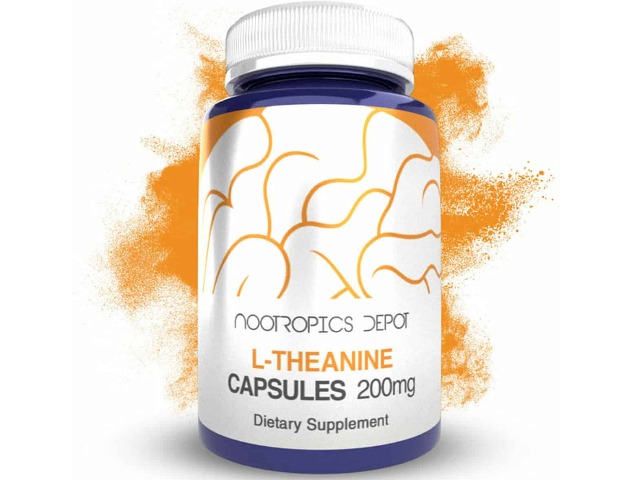
- L-theanine (200mg 2x/day) — calms without sedation, eases irritability
- Magnesium glycinate (400mg before bed) — supports GABA recovery and sleep quality
- Extra hydration — caffeine withdrawal causes mild dehydration rebound
- 15–20 min walk outdoors — natural cortisol regulation replaces caffeine’s kick
Option 2: The Gradual Taper (2–3 Weeks)
If cold turkey isn’t realistic (you have a demanding job, small children, or both), taper by reducing your dose 25–50% each week.
Example taper schedule (from 400mg/day):
- Week 1: 200mg/day (one medium coffee)
- Week 2: 100mg/day (one small coffee or green tea)
- Week 3: 0mg — hold for 7 days minimum
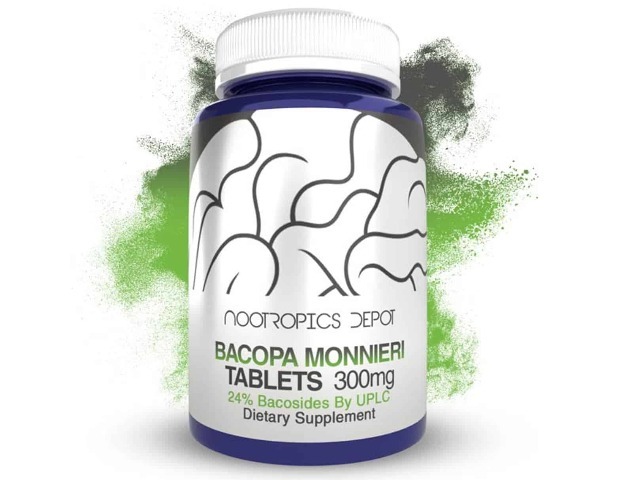
Pro Tip: Replace eliminated caffeine servings with Bacopa Monnieri (300mg standardized extract). A 2022 meta-analysis found bacopa supports sustained attention through cholinergic and serotonergic pathways — giving you a cognitive floor while your adenosine system recalibrates. It won’t feel like caffeine, but it prevents the “I can’t think at all” phase.
Post-Reset: Don’t Blow It on Day One
After your reset, start at 50–100mg (about half a cup of coffee). Your receptor sensitivity is restored — you don’t need a grande to feel it. Build back slowly, capping at 200mg/day if possible. The tolerance threshold in most studies kicks in above 400mg/day sustained.
Smart Cycling: How to Prevent Tolerance From Building (The Maintenance Protocol)
Resetting is great, but the real skill is not needing to reset constantly. Here are evidence-backed strategies for long-term caffeine optimization.
The 5/2 Cycling Protocol
Five days on, two days off. This gives your adenosine receptors a recurring mini-reset before significant upregulation occurs. Weekend-off scheduling works well for most people since cognitive demands are typically lower.
Timing Optimization
- Wait 90 minutes after waking before your first cup. Cortisol peaks naturally in the first 60–90 minutes — caffeine during this window competes with your body’s own alertness system and may accelerate tolerance.
- Cut off 8–10 hours before sleep (or 10–12 hours if you’re a slow CYP1A2 metabolizer). Caffeine disrupting sleep quality creates a vicious cycle: poor sleep → more adenosine → more caffeine → more tolerance.
Dose Discipline
The sweet spot for sustained benefit without aggressive tolerance is 1–3mg/kg body weight — roughly 70–200mg for most adults. A 2021 meta-analysis in Nutrients (21 studies, ~500 participants) found that tolerance to alertness effects developed in 70% of studies at doses above 400mg/day within 20 days (pooled effect size: 0.45, p<0.05), but was significantly delayed at moderate doses.
Important: If you need more than 400mg/day to feel anything, that’s not a dosing problem — it’s a tolerance problem. More caffeine won’t fix tolerance. It will deepen it.
Supplements That Modulate Caffeine Tolerance (The Smart Stack)
This is where it gets interesting. Several compounds can either delay tolerance onset or amplify caffeine’s effects at lower doses.
L-Theanine: The Non-Negotiable Pairing
L-theanine (200mg with 100mg caffeine) is the single most validated nootropic pairing in the literature. A 2023 study in Frontiers in Pharmacology (68 healthy adults) found that 200mg L-theanine + 200mg caffeine daily for 4 weeks delayed tolerance to vigilance effects with a significant effect size (d=0.62, p=0.002) compared to caffeine alone.
L-theanine promotes alpha brain waves and modulates glutamate/GABA balance, essentially buffering the excitatory overshoot that drives tolerance adaptation. If you change nothing else, add this.
Theacrine: The Tolerance-Resistant Caffeine Analog
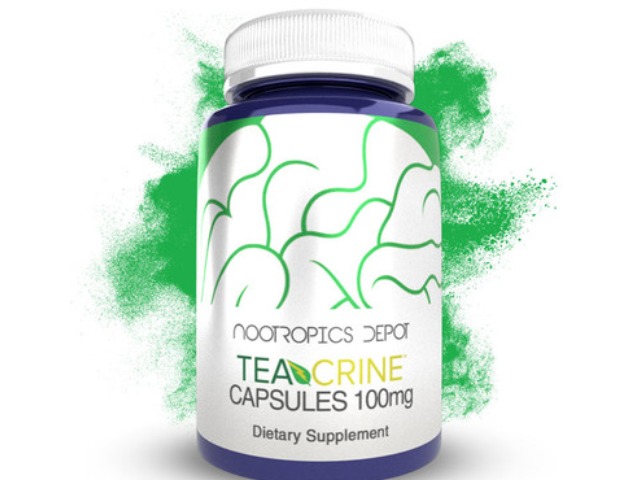
Theacrine (200mg) is structurally similar to caffeine but appears remarkably resistant to tolerance development. It acts on adenosine receptors with a longer half-life (~20 hours) and studies out to 8 weeks have shown no significant tolerance. It’s not a replacement for caffeine — think of it as a complement that provides sustained low-level stimulation your receptors don’t adapt to.
Paraxanthine: The Next Generation
Paraxanthine is caffeine’s primary active metabolite — your liver converts about 84% of caffeine into it. Emerging research suggests paraxanthine is more selective for A2A receptors (less peripheral side effects, less tolerance potential). A 2024 trial in the Journal of Dietary Supplements (40 participants, 300mg paraxanthine equivalent) showed 20% better sustained alertness compared to caffeine at equivalent doses (p<0.05). The supplement market has caught on — standalone paraxanthine products appeared across 2024–2025.
Supporting Cast
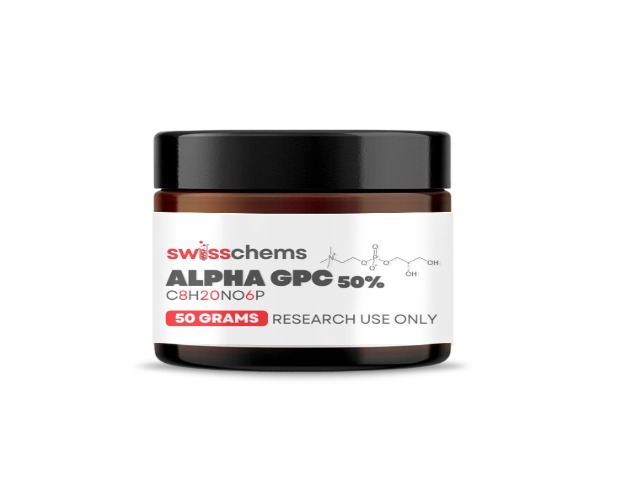
- Alpha-GPC (300mg): Boosts acetylcholine for cognitive synergy with caffeine without contributing to adenosine receptor changes.
- Bacopa Monnieri (300mg): Indirect adenosine modulation through serotonergic and cholinergic pathways. Best for maintaining baseline cognition during tolerance resets or cycling off-days.
- Sulbutiamine (400mg): A synthetic B1 derivative that upregulates dopamine receptor density in the striatum — directly counteracting driver #2 (dopamine downregulation).
| Supplement | Dosage | Primary Mechanism | Best For |
|---|---|---|---|
| L-Theanine | 200mg with caffeine | GABA/glutamate balance, alpha waves | Daily caffeine pairing |
| Theacrine | 200mg | Tolerance-resistant adenosine modulation | Long-term stimulation |
| Paraxanthine | 100–300mg | Selective A2A antagonism | Caffeine replacement |
| Alpha-GPC | 300mg | Cholinergic synergy | Focus stacking |
| Bacopa Monnieri | 300mg | Serotonergic/cholinergic support | Off-cycle cognitive floor |
| Sulbutiamine | 400mg | Dopamine receptor upregulation | Motivation recovery |
Common Myths About Caffeine Tolerance (Debunked)
“Tolerance resets overnight if you skip a day”
No. Adenosine receptor density changes are a structural adaptation, not a switching mechanism. One day off may slightly improve sensitivity, but meaningful receptor normalization requires 7–14 days. The 5/2 cycling protocol works because it prevents significant upregulation from occurring — it’s prevention, not a reset.
”Just drink more coffee”
This is the tolerance trap. Escalating dose accelerates all four tolerance drivers simultaneously. You’ll reach a ceiling where 600mg+ produces less effect than 200mg did when you started — while the side effects (anxiety, insomnia, GI distress) scale linearly with dose. Cycle, don’t escalate.
”Tolerance means caffeine does nothing”
Incomplete tolerance is well-documented. A 2005 Psychopharmacology study (47 participants) found that even after 5 days of 300mg/day, cardiovascular and blood pressure responses only partially habituated (effect size: d=0.8, p<0.01). Tolerance affects subjective alertness and mood more than physiological stimulation — meaning caffeine is still doing things in your body even when you can’t feel it.
”Caffeine half-life is all that matters”
The half-life (~5 hours average) tells you how long until blood levels halve. But paraxanthine, caffeine’s primary metabolite, continues exerting stimulatory effects well beyond the parent compound’s clearance. Slow CYP1A2 metabolizers may experience active effects for 8–12 hours from a single dose. This is why afternoon coffee destroys sleep for some people even though “the caffeine should be gone by bedtime.”
Safety, Interactions, and Who Should Be Careful
Caffeine is one of the most well-studied compounds on earth, but tolerance management still requires awareness of a few critical interactions.
CYP1A2 inhibitors — Medications like fluvoxamine (an SSRI) and ciprofloxacin (an antibiotic) can increase caffeine’s half-life by 2–4x. If you’re on either, treat yourself as an ultra-slow metabolizer. Cap at 100–200mg/day.
Who should limit or avoid caffeine:
- Anxiety disorders: Caffeine’s A2A antagonism can worsen anxiety symptoms, especially as GABA depletes with tolerance
- Pregnancy: Evidence consistently links >200mg/day to increased miscarriage risk
- Heart conditions: Tolerance can mask early arrhythmia warning signals
- CYP1A2 poor metabolizers: Genetic variants affecting ~10% of the population
Reality Check: Caffeine withdrawal is uncomfortable but not dangerous. Headache (50% of users), fatigue (30%), irritability, and difficulty concentrating typically peak at days 1–2 and fully resolve within a week. If you’re anxious about quitting cold turkey, the gradual taper protocol above makes it very manageable.
My Take
I’ve been through the caffeine tolerance cycle more times than I’d like to admit. 500mg/day, feeling nothing, resetting, rebuilding, and inevitably creeping back up. What finally broke the pattern wasn’t willpower — it was protocol.
Here’s what actually works for me and what I recommend to clients: keep your daily intake at 100–200mg, pair it with L-theanine every single time, and do a full 10-day reset every 8–12 weeks. On off-cycle days, Bacopa Monnieri and theacrine fill the cognitive gap without touching your adenosine receptors.
The bigger lesson here fits the “foundations first” philosophy I harp on constantly. If you need 400mg+ of caffeine to function, the problem isn’t your coffee — it’s your sleep, your stress, or both. Fix those foundations and caffeine becomes what it’s supposed to be: a precision tool, not a survival mechanism.
Start with the reset. Your future self — the one who feels a single cup of coffee like it’s rocket fuel again — will thank you.