
- Sustained energy without tolerance buildup
- Enhanced focus and motivation
- Reduced fatigue and improved mood
I’ve tried every stimulant under the sun chasing clean energy without the crash. L-tyrosine made me anxious. Caffeine worked great for about three days, then I needed more and more just to feel baseline. DMAA-containing pre-workouts turned me into a jittery mess who couldn’t sit still during a meeting.
Then I found theacrine. It’s a purine alkaloid structurally similar to caffeine, except it doesn’t seem to build tolerance. I’ve been using it consistently for over a year, and the 200mg dose that worked on day one still works today. No escalation. No withdrawal when I skip it. Just clean, sustained energy that actually lasts.
The Short Version: Theacrine is a naturally-occurring stimulant from kucha tea leaves that provides energy, focus, and motivation without tolerance buildup or the jitters associated with caffeine. Effective doses range from 100-300mg daily, often stacked with caffeine for enhanced cognitive and physical performance. It works through adenosine receptor antagonism and dopaminergic modulation.
What Is Theacrine? (And Why It’s Different From Every Other Stimulant)
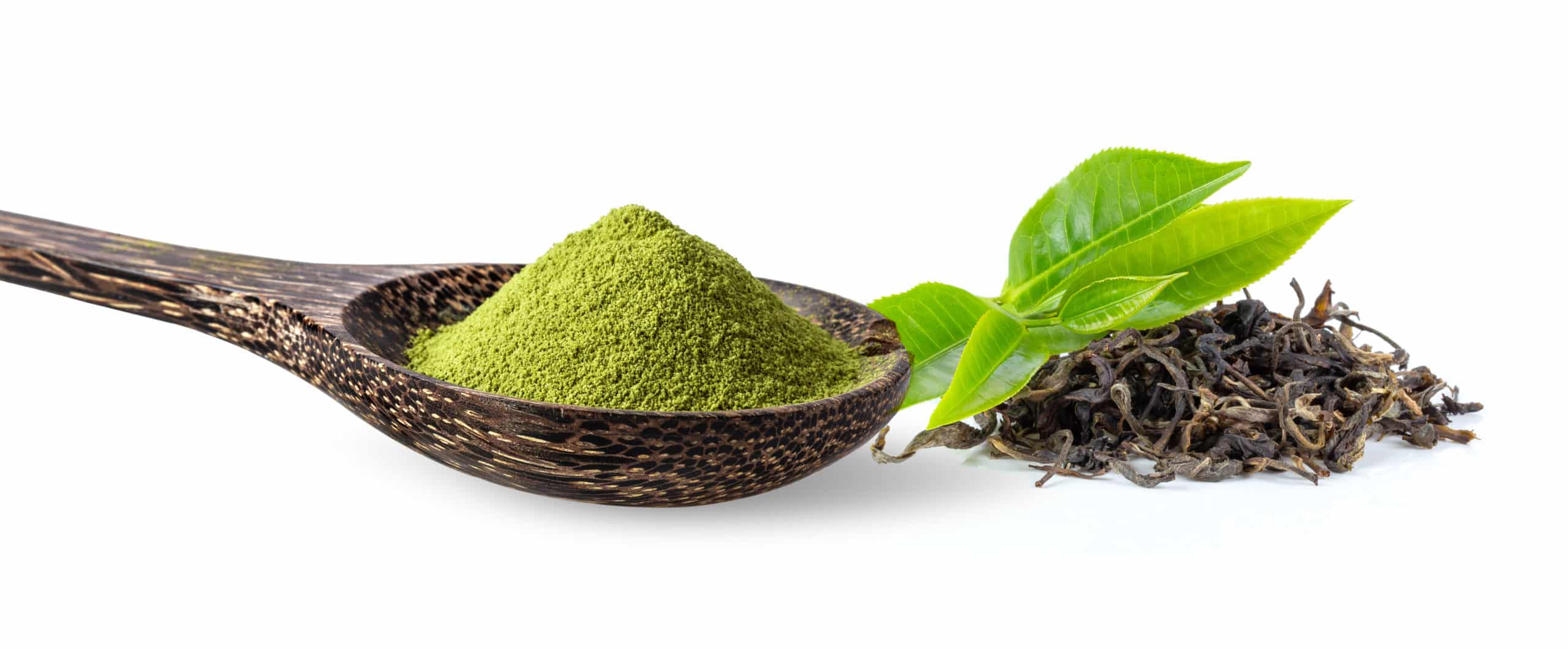
Theacrine is a purine alkaloid found naturally in Camellia assamica var. kucha — a Chinese tea known as kucha. Structurally, it’s nearly identical to caffeine, with just one extra methyl group (1,3,7,9-tetramethyluric acid vs. caffeine’s 1,3,7-trimethylxanthine). That tiny difference completely changes how your body responds to it.
Unlike caffeine, theacrine doesn’t produce tolerance. A 2016 safety study published in the Journal of the International Society of Sports Nutrition followed participants taking TeaCrine® (a patented theacrine extract) daily for eight weeks. No tolerance. No habituation. No increased dosing requirements. That’s virtually unheard of for a stimulant.
Most people use theacrine for sustained energy without the crash, enhanced focus during mentally demanding work, or as a caffeine alternative when they’ve built up too much tolerance. It’s also popular in pre-workout formulas because it improves motivation and reduces perceived exertion without overstimulation.
Reality Check: Theacrine isn’t a magic productivity pill. It works best when you’ve already handled the basics — adequate sleep, stable blood sugar, managed stress. If you’re running on four hours of sleep and three cups of coffee, adding theacrine won’t fix the underlying problem. Start with foundations first.
How Does Theacrine Work? (The Science Without the Headache)
Here’s the plain-English version: theacrine blocks adenosine receptors in your brain (the same ones caffeine targets), which prevents the “I’m tired” signal from getting through. It also modulates dopamine signaling in areas associated with motivation and reward processing. The result is sustained energy, improved mood, and enhanced focus without the jittery overstimulation.
Now the technical layer. Theacrine is a dual-action compound working through both adrenergic and dopaminergic pathways. A 2012 study in Pharmacology Biochemistry and Behavior demonstrated that theacrine produces locomotor activation by antagonizing adenosine A1 and A2A receptors while simultaneously influencing D1 and D2 dopamine receptors. This dual mechanism explains why theacrine feels different from straight caffeine — you get the energy boost, but with smoother motivation and mood enhancement.
The really interesting part is what happens at the mitochondrial level. Research shows theacrine activates SIRT3 pathways, which promote mitochondrial biogenesis — essentially helping your cells produce more energy-generating mitochondria. In Parkinson’s disease models, theacrine prevented dopaminergic neuron apoptosis and restored mitochondrial function. That’s not just “I feel more awake” — that’s cellular energy optimization with neuroprotective effects.
So what does all that mean practically? Theacrine helps your brain produce and sustain energy more efficiently while protecting neurons from oxidative stress. It’s not just borrowing energy from tomorrow (like caffeine can feel when you overdo it) — it’s actually supporting the systems that generate energy in the first place.
Benefits of Theacrine (What the Research Actually Shows)
Sustained Energy Without Tolerance
This is the big one. In the eight-week TeaCrine® safety study I mentioned earlier, 60 healthy adults took theacrine daily with no evidence of tolerance development or habituation. Compare that to caffeine, where most people need to increase their dose every few weeks just to maintain the same effect.
A 2015 study in Nutrients compared theacrine to caffeine and placebo in young adults performing cognitive tasks. Theacrine improved energy levels and reduced fatigue without the spike-and-crash pattern typical of caffeine alone. Participants reported sustained energy throughout the testing period with minimal side effects.
Evidence level: Strong (multiple human RCTs)
Enhanced Cognitive Performance and Focus
The same 2015 Nutrients study found theacrine improved concentration and alertness comparable to caffeine, but with better subjective mood ratings. Participants reported feeling more focused without the anxious, overstimulated feeling caffeine sometimes produces.
A 2024 dose-response study in Scientific Reports examined theacrine’s effects on cognitive performance at 100mg, 200mg, and 400mg doses. The 200mg dose produced optimal results for reaction time and cognitive task performance without negatively impacting subsequent sleep quality — a significant advantage over caffeine at equivalent stimulant doses.
Evidence level: Strong (human RCTs with cognitive testing)
Improved Mood and Motivation
A 2017 study in Neuroscience Letters demonstrated theacrine’s effects on the adenosine system contribute to mood regulation and motivation enhancement. The dopaminergic modulation I mentioned earlier isn’t just about energy — it’s about wanting to do the work, not just having the capacity for it.
In my experience, this is where theacrine really shines. Modafinil gives me the ability to work for 12 hours straight, but I still have to white-knuckle it sometimes. Theacrine gives me the “I actually want to tackle this project” feeling that makes deep work sustainable.
Evidence level: Moderate (human studies + animal models)
Physical Performance and Reduced Perceived Exertion
A 2017 two-part study in the Journal of Dietary Supplements examined theacrine’s effects on oxygen consumption, hemodynamic responses, and exercise performance. While it didn’t significantly alter VO2 max or heart rate, participants reported reduced perceived exertion and improved subjective feelings during exercise.
This translates to being able to push harder in workouts without feeling like you’re redlining. The effort feels more manageable, which means better adherence and performance over time.
Evidence level: Moderate (human studies, subjective measures stronger than objective performance markers)
Pro Tip: Theacrine’s anti-inflammatory and analgesic properties (demonstrated in a 2010 Fitoterapia study) make it particularly useful for recovery-focused training blocks. I notice less muscle soreness when I’m consistently using theacrine, especially when combined with taurine.
How to Take Theacrine (Without Wasting Your Money)
Dosage: Start Low, Assess, Then Optimize
| Use Case | Dosage | Timing | Notes |
|---|---|---|---|
| First-time users | 100mg | Morning with food | Assess tolerance for 3-5 days |
| General cognitive support | 100-200mg | Morning | Sweet spot for most people |
| Pre-workout / physical performance | 200-300mg | 30-45 min before training | Can stack with caffeine |
| Extended focus sessions | 200mg | Morning + 100mg midday | Split dosing for 8+ hour work blocks |
Start with 100mg for the first few days to assess individual response. Some people are highly sensitive to purine alkaloids and will get noticeable effects at this dose. Others need 200-300mg to feel anything.
I settled on 200mg as my standard dose after experimenting across the range. At 100mg, I barely noticed it. At 300mg, I got mild tension headaches. At 200mg, it’s clean energy that lasts 5-6 hours without any crash.
Timing and Food
Take theacrine in the morning or early afternoon. While the 2024 dose-response study found 200mg didn’t significantly impact sleep quality, individual responses vary. If you’re sensitive to stimulants, avoid taking it after 2-3 PM.
You can take it with or without food. I prefer taking it with a small meal because it reduces the (rare) chance of stomach discomfort, but absorption doesn’t seem meaningfully affected either way.
Forms and Bioavailability
Most theacrine supplements use TeaCrine®, a patented extract that’s been used in the majority of clinical research. It’s standardized to 98%+ purity, which means consistent dosing and reliable effects.
You’ll also find generic theacrine powder, which is cheaper but less consistently standardized. If you’re getting powder from a reputable vendor with third-party testing (like Nootropics Depot), it’s a solid option. If you’re buying from Amazon or random supplement brands, stick with TeaCrine® to ensure you’re actually getting what’s on the label.
Cycling: Not Required, But Optional
Unlike caffeine, theacrine doesn’t require cycling to prevent tolerance. The research shows no habituation even with daily use for eight weeks (the longest study period available).
That said, I still take occasional breaks just to see if my baseline energy has shifted or if I’ve been using it as a crutch for poor sleep habits. Every 8-12 weeks, I’ll take a week off. I don’t experience withdrawal — I just feel slightly less motivated to start deep work, and that returns to baseline within a few days.
Insider Tip: If you’ve built up a caffeine tolerance and feel like you’re constantly chasing diminishing returns, try replacing half your caffeine intake with theacrine for 2-3 weeks. A lot of people report “resetting” their caffeine sensitivity this way without having to go through full withdrawal.
Side Effects & Safety (What Could Go Wrong)
Theacrine is remarkably well-tolerated. The eight-week safety study found no serious adverse events, and clinical chemistry markers (liver enzymes, kidney function, lipid panels) remained within normal ranges throughout.
Common Side Effects (Mild and Rare)
- Headaches: Some users report mild tension headaches at doses above 200mg. Usually resolves by reducing the dose.
- Jitteriness: Less common than with caffeine, but possible at higher doses (300mg+) or when stacked aggressively with other stimulants.
- Sleep disruption: Only if taken too late in the day. The 2024 study showed 200mg didn’t impair sleep when taken in the morning, but individual sensitivity varies.
Who Should Avoid Theacrine
- Pregnant or nursing women: No safety data exists for this population. Err on the side of caution.
- Children and adolescents: Not studied in pediatric populations.
- People with cardiovascular conditions: While theacrine doesn’t significantly raise heart rate or blood pressure in healthy adults, those with existing heart conditions should consult a physician before use.
Drug Interactions
| Medication/Substance | Interaction Type | Risk Level | Notes |
|---|---|---|---|
| Caffeine | Synergistic | Low | Well-tolerated combination, no negative interactions in research |
| MAO Inhibitors | Adrenergic potentiation | Moderate-High | Consult physician before combining |
| Stimulant medications (Adderall, Ritalin) | Additive stimulation | Moderate | May amplify side effects, start conservatively |
| Blood pressure medications | Potential opposing effects | Low-Moderate | Monitor blood pressure if combining |
| Antidepressants (SSRIs) | Minimal known interaction | Low | No documented issues, but individual responses vary |
A 2017 study in the Journal of Caffeine Research specifically examined theacrine-caffeine interactions and found no significant pharmacokinetic issues. The two compounds don’t meaningfully affect each other’s metabolism, which is why they stack so well together.
Important: If you’re taking prescription medications, especially for cardiovascular or psychiatric conditions, check with your doctor before adding theacrine. While it’s generally safe, individual responses to stimulants vary widely.
Stacking Theacrine (The Combinations That Actually Work)
Theacrine plays well with others. Here are the goal-specific stacks I’ve found most effective.
For Focus and Deep Work
The Clean Energy Stack:
- 200mg theacrine
- 100-150mg caffeine
- 200mg L-theanine
- 300mg Alpha-GPC
When to take: Morning, 30 minutes before starting focused work.
Why it works: Theacrine and caffeine provide complementary stimulation with minimal jitters. L-theanine smooths out any rough edges and improves alpha-wave activity (the brain state associated with relaxed focus). Alpha-GPC supports acetylcholine production for sustained cognitive performance. This is my default stack for writing, deep analysis, or complex problem-solving.
For Physical Performance and Training
The Pre-Workout Stack:
- 200mg theacrine
- 200mg caffeine
- 3-5g creatine monohydrate
- 6-8g citrulline
- 3-5g beta-alanine (optional)
When to take: 30-45 minutes before training.
Why it works: Theacrine reduces perceived exertion while caffeine boosts power output. Creatine and citrulline support ATP production and blood flow. Beta-alanine buffers lactic acid for higher rep ranges. This combination delivers sustained energy throughout workouts without the harsh crash of traditional high-stim pre-workouts.
For Mood, Motivation, and Stress Resilience
The Balanced Productivity Stack:
- 200mg theacrine
- 300-500mg rhodiola rosea extract
- 300mg ashwagandha (KSM-66 or Sensoril)
- 200mg L-theanine
When to take: Morning with breakfast.
Why it works: Theacrine’s dopaminergic effects enhance motivation while rhodiola and ashwagandha buffer stress response and support cortisol regulation. L-theanine keeps the stimulation smooth. This is ideal for high-pressure work periods where you need sustained performance without burning out.
Synergy Table
| Substance | Synergy with Theacrine | Recommended Ratio | Notes |
|---|---|---|---|
| Caffeine | Strong | 1:1 to 2:1 (caffeine:theacrine) | Most researched combination |
| L-Theanine | Strong | 1:1 (theanine:total stimulants) | Smooths stimulation |
| Alpha-GPC | Moderate | 300mg Alpha-GPC per 200mg theacrine | Cognitive synergy |
| Rhodiola | Moderate | 300-500mg rhodiola per 200mg theacrine | Stress + energy balance |
| Dynamine | Strong | Equal doses | Similar mechanisms, smooth stim |
What to AVOID Stacking
Don’t combine theacrine with multiple high-dose stimulants unless you have significant tolerance and experience. Stacking theacrine + caffeine + DMAA + yohimbine is asking for anxiety, elevated heart rate, and a terrible time.
Also avoid combining with phenibut or other GABAergics during the same dosing window — the opposing mechanisms can create unpredictable effects on mood and cognition.
My Take
I’ve been using theacrine consistently for over a year, and it’s become a cornerstone of my stack. The lack of tolerance development is real — my 200mg dose still hits the same as it did on day one. That alone makes it worth trying if you’re tired of the caffeine escalation treadmill.
Who this is best for:
- People who’ve built up caffeine tolerance and want a clean alternative or synergistic addition
- Anyone who needs sustained energy for 5-6 hours without a crash (knowledge workers, grad students, shift workers)
- Athletes looking for improved motivation and reduced perceived exertion without harsh stims
- People sensitive to caffeine jitters who still want mild stimulation
Who should probably try something else: If you’re looking for an intense, immediate rush of energy, theacrine won’t deliver that. It’s smooth, sustained, and subtle. If you want rocket fuel, you need modafinil or caffeine at higher doses.
If you’re dealing with severe chronic fatigue or adrenal dysfunction, theacrine is a band-aid, not a solution. You need to address the root cause — thyroid issues, cortisol dysregulation, sleep disorders, nutrient deficiencies. Consider working with a functional medicine practitioner and exploring adaptogenic protocols that support HPA axis recovery.
If stimulants make you anxious no matter what, try L-theanine alone first, or explore non-stimulant nootropics like Lion’s Mane or Bacopa Monnieri for cognitive support without any adrenergic activation.
My honest assessment: Theacrine is one of the most underrated compounds in the nootropics space. It’s not flashy, it’s not going to make you feel like you took a drug, and it won’t turn you into a productivity superhero overnight. But if you want clean, reliable energy that doesn’t demand escalating doses or leave you wrecked when it wears off, it’s one of the best tools available.
Start with 100mg. Give it 3-5 days to assess your response. If you like it, dial up to 200mg and stack it with a moderate caffeine dose. That combination — for me and many others I’ve talked to — is the sweet spot where you get the best of both worlds without the downsides of either compound alone.
Recommended Theacrine Products
I know how frustrating it is to sort through dozens of brands making the same claims. These are the ones I've personally vetted — because quality is the difference between results and wasted money.
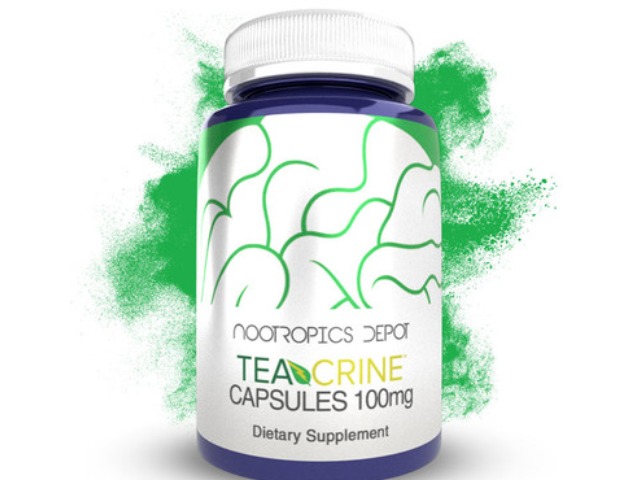
Teacrine (Theacrine) Capsules | 100mg by Nootropics Depot
Shop Now →Teacrine by Nootropics Depot
Shop Now →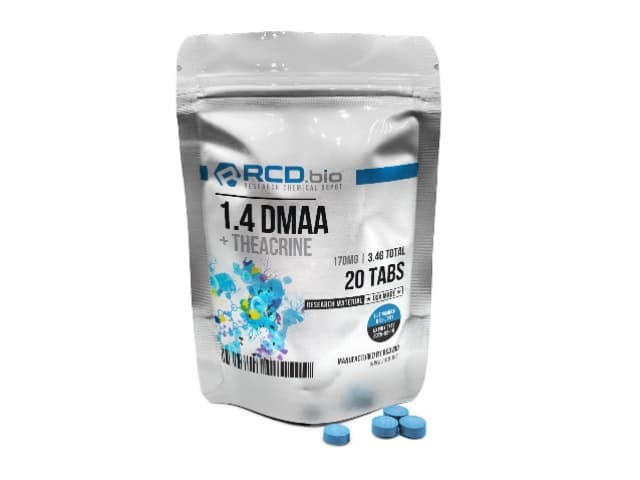
1,4 DMAA + Theacrine Tablets by Research Chemical Depot
Shop Now →Disclosure: These are affiliate links. I earn a small commission if you purchase — at no extra cost to you. I only recommend products I personally use or have thoroughly researched.
Research & Studies
This section includes 11 peer-reviewed studies referenced in our analysis.
Theacrine (1,3,7,9-tetramethyluric acid) synthesis in leaves of a Chinese tea, kucha (Camellia assamica var. kucha).
Theacrine, a special purine alkaloid with sedative and hypnotic properties from Cammelia assamica var. kucha in mice.
Theacrine, a purine alkaloid with anti-inflammatory and analgesic activities.
Locomotor activation by theacrine, a purine alkaloid structurally similar to caffeine: involvement of adenosine and dopamine receptors.
Cognitive Performance and Mood Following Ingestion of a Theacrine-Containing Dietary Supplement, Caffeine, or Placebo by Young Men and Women.
Safety of TeaCrine®, a non-habituating, naturally-occurring purine alkaloid over eight weeks of continuous use.
A Two-Part Approach to Examine the Effects of Theacrine (TeaCrine) Supplementation on Oxygen Consumption, Hemodynamic Responses, and Subjective Measures of Cognitive and Psychometric Parameters
Theacrine: A purine alkaloid from Camellia assamica var. kucha with a hypnotic property via the adenosine system.
Assessment of the Drug-Drug Interaction Potential Between Theacrine and Caffeine in Humans.
Dose response effects of theacrine on cognitive performance and subsequent sleep.
Showing 10 of 11 studies. View all →