
I’ll be honest — I wanted Cognium to work. A one-ingredient nootropic sold at Walgreens for twenty bucks? If it actually delivered, it would be the easiest recommendation I’ve ever made. So I dug into the research, tracked down the clinical trials Natrol loves to brag about, and spent six weeks testing it myself.
The result? Nothing. Not subtle-improvement nothing. Actual nothing. No sharper recall, no better focus, no change on any cognitive test I ran. And when I looked closer at the science, I understood why. The studies Natrol cites used doses two to six times higher than what’s in the bottle, one key mouse study was retracted, and in 2023, a class-action lawsuit brought in experts who concluded the active ingredient likely works no better than a placebo pill.
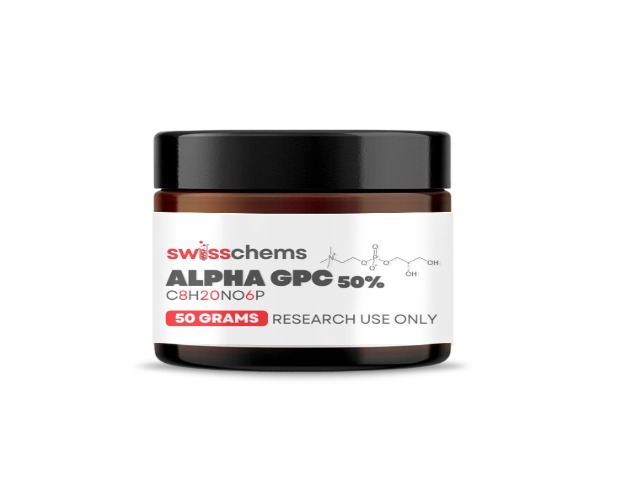
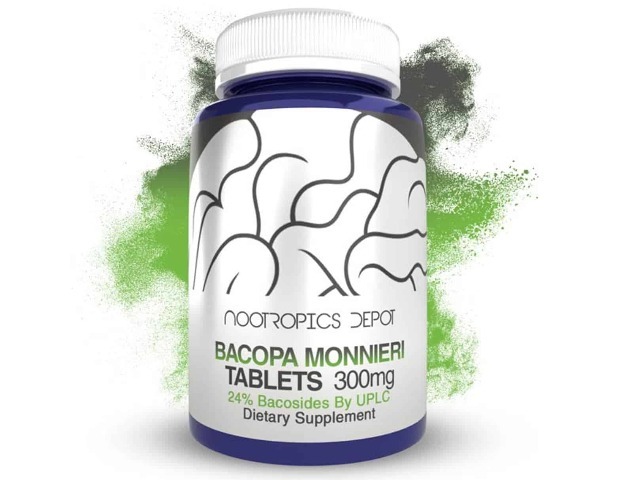
The Short Version: Cognium’s active ingredient — silk protein hydrolysate (Cera-Q/BF-7) — has almost no credible evidence supporting its cognitive claims. The clinical studies are tiny, outdated, and used doses far higher than what Cognium contains. A 2023 class-action lawsuit alleged it’s functionally a placebo. Your money is far better spent on Bacopa Monnieri, Alpha-GPC, or Citicoline.
What Is Cognium, Really? (Silk Worms and Marketing)


Natrol Cognium is a stimulant-free “brain health supplement” you’ll find at Walgreens, GNC, and Amazon. The regular version contains one active ingredient per tablet: 100mg of Cera-Q, a branded form of silk protein hydrolysate — peptides extracted from the cocoons of silkworm moths (Bombyx mori).
Cera-Q is the trade name for Brain Factor-7 (BF-7), a fibroin enzymatic hydrolysate. The claim is that these silk-derived peptides can cross the blood-brain barrier, modulate acetylcholine signaling, increase cerebral blood flow, and improve memory through parahippocampal activation.
That’s a lot of claims for a single ingredient at a low dose.
The “Extra Strength” version bumps Cera-Q to 200mg per tablet. The regular formula also throws in 50mg of phosphatidylserine and trace amounts of vitamins and minerals — 0.7mg riboflavin, 5.5mg zinc — amounts so small they’re essentially decorative.
Reality Check: Clinical research on phosphatidylserine shows cognitive benefits start at 100mg or higher (Journal of Clinical Biochemistry and Nutrition, 2010). Cognium’s 50mg is half the minimum effective dose. The vitamins and minerals are similarly underdosed — this isn’t a formula, it’s window dressing around a single unproven ingredient.
Here’s the uncomfortable truth about Cognium’s retail availability: the fact that it’s sold at Walgreens and Amazon isn’t a stamp of quality. I’ve written extensively about Amazon’s counterfeit supplement problem — mass-market retail channels optimize for shelf space and margin, not for efficacy or third-party testing.
The “Clinical Studies” Natrol Doesn’t Want You to Examine Closely
Natrol markets Cognium as the “#1 clinically studied brain health ingredient for memory.” This is technically a trademark claim, not a scientific one. But let’s look at what those studies actually show.
Study 1: Kang et al. (2018) — The Flagship Trial
The study Natrol leans on hardest was published in Nutrients in 2018. It was described as a placebo-controlled, double-blind trial measuring memory improvement in healthy adults using the Rey-Kim memory test.
Sounds promising — until you read the details:
- The dose used was 400-600mg/day — that’s two to six times what’s in two Cognium tablets (200mg)
- The trial lasted just 3 weeks — far too short for robust memory conclusions
- No specific effect sizes or p-values were reported in the abstract
- Potential funding bias — critics have flagged likely Natrol/industry involvement
- It has never been independently replicated
Even if you take the results at face value, they don’t support Cognium. They support a different product at a different dose that doesn’t exist on shelves.
Study 2: The SPECT Blood Flow Study (2004)
An open-label study published in the Korean Journal of Sericultural Science measured cerebral blood flow changes using SPECT imaging after 400mg of BF-7.
The sample size? Four students. Not forty. Not four hundred. Four.
No control group. No blinding. No randomization. And the dose was, again, four times higher than a single Cognium tablet.
Study 3: The Retracted Mouse Study (2013)
A 2013 study by Yong Koo Kang and colleagues published in the Journal of Microbiology and Biotechnology claimed BF-7 enhanced memory in scopolamine-treated mice. There’s one problem: the study was retracted. It is no longer considered valid scientific evidence.
Natrol’s marketing materials don’t mention this.
| Study | Year | Design | Dose Used | Cognium Dose | Key Problem |
|---|---|---|---|---|---|
| Kang et al. (Nutrients) | 2018 | Placebo-controlled | 400-600mg/day | 200mg/day | 2-3x underdosed; unreplicated |
| SPECT blood flow | 2004 | Open-label | 400mg | 100mg/tablet | n=4; no controls |
| Scopolamine mice | 2013 | Animal | Unknown | N/A | Retracted |
| BF-7 in children | 2009 | Uncontrolled | Unknown | N/A | Never replicated; no blinding |
Important: I searched PubMed and Google Scholar for any new clinical trials on Cera-Q, BF-7, or silk protein hydrolysate for cognition published between 2023 and 2026. The result: zero. Not a single new RCT, meta-analysis, or systematic review. The evidence base hasn’t grown — it’s frozen in time with a handful of flawed, small, outdated studies.
The Bioavailability Problem Nobody Talks About
Here’s the part that should really concern you.
Cera-Q is a peptide — a chain of amino acids. When you swallow a peptide, your digestive system does what it’s designed to do: it breaks those chains down into individual amino acids. That’s how digestion works.
For Cera-Q to deliver on its cognitive claims, these silk peptides would need to survive stomach acid, resist enzymatic degradation in the small intestine, get absorbed intact into the bloodstream, and then cross the blood-brain barrier — one of the most selective barriers in the human body.
Expert analysis submitted as part of the 2023 class-action lawsuit against Natrol concluded that silk protein hydrolysate is almost certainly degraded during digestion, meaning the “active” peptides never reach the brain in any functional form. The expert’s assessment: Cognium likely acts as a placebo.
This isn’t a fringe opinion. It’s basic pharmacology. Most oral peptide supplements face this exact challenge, which is why pharmaceutical peptide drugs are typically injected, not swallowed. Without specific evidence that BF-7 peptides resist GI degradation — and no such evidence exists — the mechanism of action Natrol describes is biologically implausible.
Insider Tip: When evaluating any supplement, always ask: “How does this survive digestion and reach its target?” If the company can’t answer that question with data, you’re probably paying for expensive amino acids — which you could get from a chicken breast.
The 2023 Class-Action Lawsuit (What Natrol Hoped You’d Miss)
In 2023, a class-action lawsuit was filed against Natrol alleging that Cognium’s memory supplements “work no better than a placebo pill.” The lawsuit wasn’t based on opinion — it drew on expert pharmacological analysis.
The key claims:
- No blood-brain barrier crossing: Expert testimony concluded silk protein hydrolysate cannot reach the brain intact after oral ingestion
- Misleading marketing: Natrol’s “#1 clinically studied” claim was challenged as deceptive given the quality and relevance of the cited studies
- Dose mismatch: The studies Natrol referenced used doses significantly higher than what Cognium contains
- No independent replication: None of Natrol’s cited research had been independently confirmed
Whether the lawsuit succeeds or not, the scientific arguments it raised are sound. When independent experts look at Cognium’s evidence and conclude “placebo,” that should give any consumer serious pause.
My Six-Week Test (Spoiler: Nothing Happened)
I tested Cognium for six full weeks at the recommended dose of two tablets daily (200mg Cera-Q). I tracked my performance on reading comprehension tests, logic puzzles, and working memory exercises using standardized tools.
Weeks 1-2: No noticeable changes. Expected — most nootropics need a loading period.
Weeks 3-4: Still nothing. No mood shift, no focus improvement, no memory enhancement. I ran the same battery of cognitive tests. Scores: statistically identical to baseline.
Weeks 5-6: Completed the trial. Final cognitive scores showed zero meaningful improvement across any metric. No side effects either — which is at least something, but “doesn’t hurt you” is a low bar for a supplement that costs $20-25 per bottle.
For context, when I test Bacopa Monnieri at 300mg (55% bacosides), I see measurable improvements in delayed recall by week four. With L-Theanine and caffeine, I notice acute focus changes within an hour. Cognium gave me nothing.
Reality Check: The absence of side effects doesn’t mean a supplement is “safe and effective.” It might just mean it’s inert. An inactive ingredient won’t cause side effects because it isn’t doing anything at all.
What Amazon and Reddit Users Actually Say
Cognium holds roughly a 3.5 out of 5 on Amazon — which sounds acceptable until you read the reviews carefully.
The pattern is consistent:
- Positive reviews tend to be vague: “I feel sharper” (placebo is powerful), often from users who started other habits simultaneously
- Negative reviews are specific: “Took it for two months, tracked my performance, saw no change”
- Reddit threads on r/nootropics and r/supplements are overwhelmingly skeptical, with experienced users pointing to the same dose mismatch and evidence gaps I’ve outlined here
When the detailed, measured reviews say “doesn’t work” and the positive reviews say “I think maybe I feel something,” that’s a textbook placebo signature.
Safety and Side Effects (The One Area Where Cognium Doesn’t Fail)
I’ll give credit where it’s due: Cognium appears to be well-tolerated. In my six-week test, I experienced zero side effects. User reports and the limited clinical data agree — no serious adverse events have been reported.
That said, there are a few populations who should still exercise caution:
- Silk allergy: Cera-Q is derived from silkworm cocoons. If you have a known silk or insect protein allergy, avoid it
- Pregnancy and lactation: No safety data exists for these populations
- Children under 18: Insufficient evidence for pediatric use
- Anyone on acetylcholine-modulating medications: Theoretical interaction risk, though likely minimal given Cognium’s apparent inertness
The irony is that Cognium’s excellent safety profile may be the strongest evidence that it isn’t doing anything biologically meaningful.
What Actually Works (Evidence-Based Alternatives That Aren’t Snake Oil)
If you’ve been taking Cognium — or considering it — here’s where to redirect your money and attention. These alternatives have real clinical evidence at the doses actually available in supplements.
| Substance | Effective Dose | Key Evidence | What It Does |
|---|---|---|---|
| Bacopa Monnieri | 300mg (55% bacosides) | Meta-analysis of 9 RCTs (n=500+), SMD=0.35 for memory | Improves delayed recall and memory retention over 8-12 weeks |
| Alpha-GPC | 300-600mg | RCTs showing ~18% recall improvement (n=70, JISSN, 2015) | Direct acetylcholine precursor — the mechanism Cognium claims but can’t deliver |
| Citicoline | 250-500mg | Improved memory in elderly subjects (Methods Find Exp Clin Pharmacol, 2012) | Supports both acetylcholine and phospholipid synthesis |
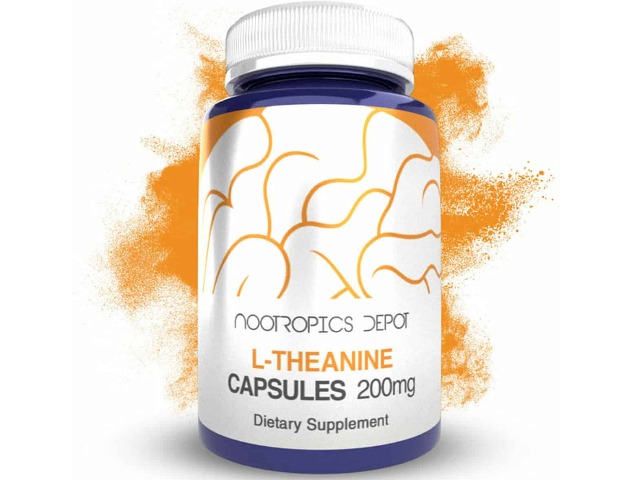
| L-Theanine | 200mg (+ 100mg caffeine) | Stress reduction and cognitive improvement (Nutrients, 2019) | Calm, focused attention without jitters |
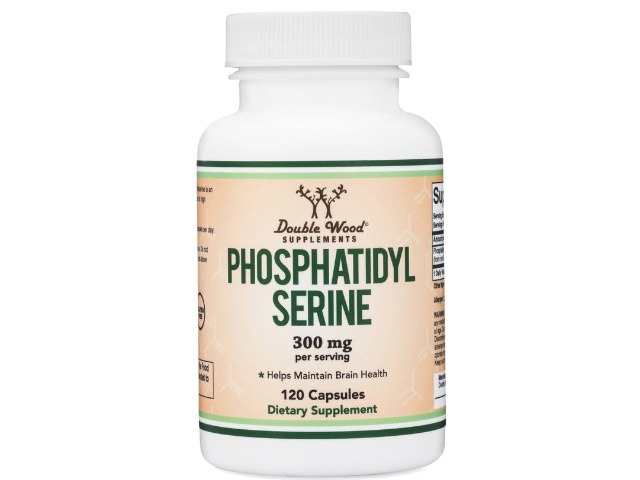
| Phosphatidylserine | 100-300mg | Cortisol reduction; memory support at proper doses | The ingredient Cognium underdoses by half |
Pro Tip: A simple, evidence-based starter stack: Bacopa Monnieri 300mg in the morning for long-term memory support, plus L-Theanine 200mg with 100mg caffeine for acute focus. Total cost: roughly $0.50-0.75/day — comparable to Cognium, but with actual clinical backing.
The Foundations You Can’t Supplement Around
Before spending a dollar on any nootropic — including the ones I just recommended — make sure you’ve covered these first:
- Sleep: 7-9 hours of quality sleep does more for cognition than any supplement on the market
- Exercise: 150 minutes of aerobic exercise per week boosts BDNF (your brain’s growth factor) more effectively than any silk peptide ever could
- Omega-3s: 2g EPA/DHA daily supports neuronal membrane integrity and reduces neuroinflammation
- Stress management: Chronic cortisol wrecks memory formation — breathing exercises and meditation are free and proven
These aren’t boring disclaimers. They’re the actual highest-leverage interventions for cognitive performance. Supplements are the cherry on top — not the foundation.
Frequently Asked Questions
Does Cognium really work? Based on the available evidence, user reports, expert pharmacological analysis, and my own testing — no. The studies that show positive results used doses 2-6x higher than what Cognium contains, and the ingredient likely doesn’t survive digestion intact.
How long does Cognium take to work? Natrol claims results in four weeks. In my six-week test, I observed no cognitive improvements at any point. User reviews corroborate this timeline of non-results.
Is Cognium safe? It appears to be well-tolerated with no serious side effects reported. However, “safe” and “effective” are different questions. Avoid if you have a silk allergy.
Is Cognium FDA approved? No. Like all dietary supplements in the US, Cognium is not evaluated or approved by the FDA for treating, curing, or preventing any disease.
What’s better than Cognium for memory? Bacopa Monnieri has the strongest evidence base for memory improvement among natural nootropics, supported by multiple meta-analyses. Citicoline and Alpha-GPC are well-studied cholinergic options.
My Take
Look, I understand the appeal. A cheap, simple, one-ingredient pill that boosts your memory? I want that to exist. But wanting something to work and having evidence that it works are two very different things.
Cognium fails on every metric that matters: the dose in the bottle doesn’t match the dose in the studies, the studies themselves are small and flawed, a key supporting study was retracted, the active ingredient probably can’t survive your digestive system, no new research has emerged in over three years, and a class-action lawsuit has formally challenged its efficacy.
If you’re serious about cognitive performance, you don’t need to spend more money — you need to spend it differently. A basic stack of Bacopa Monnieri and L-Theanine with caffeine will cost you about the same as Cognium and is backed by actual meta-analyses with real effect sizes in real humans.
And before any of that, prioritize sleep, exercise, and stress management. I know that’s not the sexy answer. But it’s the honest one — and honest is what you came here for.