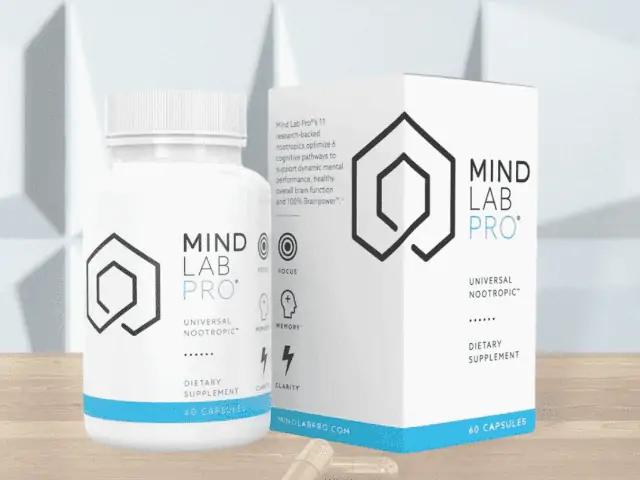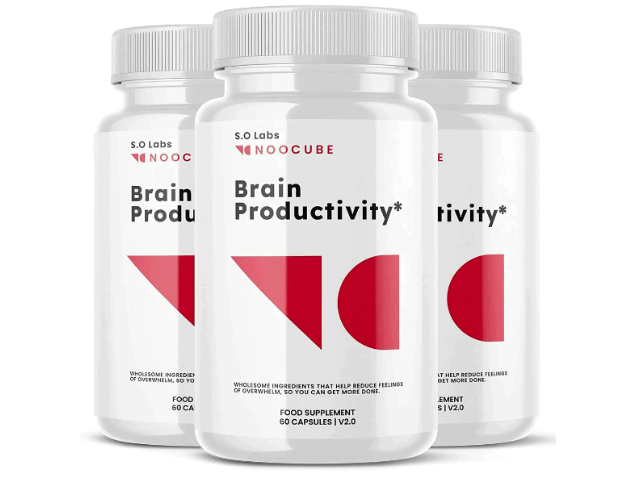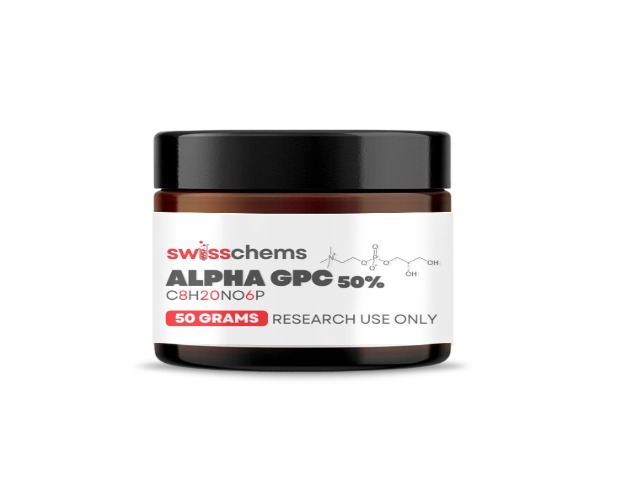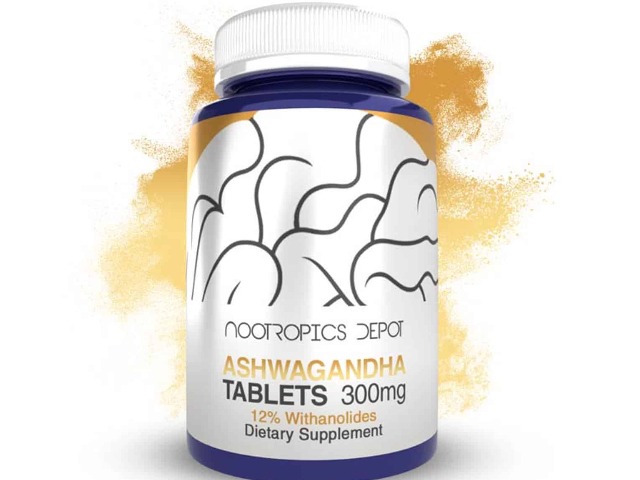
I spent $400 on Amazon supplements before I figured out what was happening.
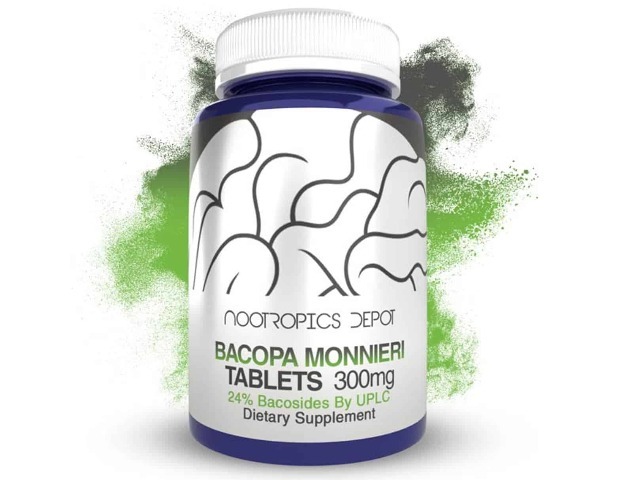
The Bacopa Monnieri that was supposed to sharpen my memory? Flour and rice powder. The CoQ10 I bought for mitochondrial support? Lab testing couldn’t detect a single milligram of active ingredient. And the “deal” I got on Alpha-GPC? Let’s just say the only thing it boosted was my skepticism.
I’m not alone. A University of Mississippi study tested 30 immune-support supplements purchased on Amazon, and 57% — 17 out of 30 — had inaccurate labels. Thirteen products didn’t contain any of their claimed ingredients. Not reduced levels. Zero. And none of them carried third-party testing seals.
This isn’t a fringe problem. It’s the norm. And if you’re buying nootropics on Amazon, you’re playing Russian roulette with your brain chemistry.
The Short Version: Amazon’s third-party seller model creates a pipeline for counterfeit supplements — and nootropics are among the most commonly faked categories. Between 2022 and 2024, major brands like NOW Foods, Pure Encapsulations, and Tru Niagen all confirmed widespread counterfeits on the platform. Below, I break down which supplements are most at risk, how to spot fakes, and where to actually buy nootropics you can trust.
How Amazon Became a Counterfeit Supplement Factory
Amazon doesn’t sell supplements. Not directly, anyway.
They operate a marketplace — a digital bazaar where anyone with an account can list products alongside legitimate brands. And here’s where it gets ugly: Amazon’s commingled inventory system means that even when you buy from a brand’s “official” Amazon listing, you might receive a product shipped from a completely different seller’s warehouse.
Third-party sellers account for roughly 60% of all Amazon sales. In the supplement space, that number climbs higher. The combination of high demand, minimal verification, and an algorithm that rewards low prices creates the perfect ecosystem for counterfeiting.
Here’s how it typically works:
- Listing hijacking: A bad actor attaches their counterfeit inventory to a legitimate brand’s product listing. You think you’re buying from NOW Foods. You’re not.
- Commingled stock: Even “Fulfilled by Amazon” products get mixed. Authentic and counterfeit units sit in the same bin. Amazon picks whichever is closest.
- Expired relabeling: Sellers buy expired or near-expired supplements in bulk, repackage them with new labels, and list them as fresh.
- Complete fabrication: Some sellers manufacture their own capsules with cheap fillers — rice powder, magnesium stearate, maltodextrin — slap a brand’s logo on the bottle, and sell it at a slight discount.
Reality Check: Amazon’s “Brand Registry” and “Transparency” programs exist, but they’re opt-in and limited. Thousands of supplement brands haven’t enrolled, leaving their products completely unprotected on the platform.
The scale is staggering. The FDA’s tainted supplement database has logged over 1,000 adulterated products — many sold through Amazon and eBay — containing hidden pharmaceutical drugs like sildenafil (Viagra’s active ingredient), sibutramine (a banned weight-loss drug), and undeclared stimulants. And those are just the ones they’ve caught.
The Brands That Got Burned (And What It Means for You)
If you think sticking to “reputable brands” on Amazon keeps you safe, let me introduce you to some uncomfortable evidence.
NOW Foods (2023)
In 2023, NOW Foods — one of the most trusted names in supplements — identified 11 counterfeit products being sold under their name by a single Amazon seller operating under the handle “A2X1.” The fakes included psyllium husk, magnesium citrate, and a multivitamin. NOW’s own HPLC testing confirmed the products were completely fraudulent. Amazon eventually blocked the seller, but only after NOW conducted its own investigation and filed complaints.
This wasn’t the first time. In an earlier survey, NOW purchased 11 CoQ10 products from Amazon third-party sellers. Every single one failed testing — 0 out of 11 contained the claimed levels of CoQ10. Most had undetectable amounts.
Pure Encapsulations (2023–2024)
Pure Encapsulations, a professional-grade brand trusted by practitioners, discovered counterfeit versions of their L-glutamine, magnesium glycinate, and other products had been selling on Amazon for years. In 2023, a New Jersey man was arrested by the FBI for manufacturing and distributing fake Pure Encapsulations and Nature M.D. products through the platform.
Think about that. These weren’t sketchy no-name brands. These were products that doctors and nutritionists recommend. And someone was filling the capsules with who-knows-what in a New Jersey basement.
Tru Niagen (NAD+ Booster)
Tru Niagen — the nicotinamide riboside supplement used for NAD+ and longevity support — has battled a surge of counterfeit sales on Amazon. The company has publicly stated that Amazon is not an authorized retailer. Yet fake versions persist, with unknown contents that could be anything from rice flour to something actively harmful.
Important: A brand being “well-known” provides zero protection on Amazon. NOW Foods, Pure Encapsulations, and Tru Niagen are among the most respected names in the industry — and all three have confirmed widespread counterfeiting of their products on the platform.
Which Nootropics Are Most at Risk (And Why It Matters for Your Brain)
Not all supplements get counterfeited equally. Nootropics are particularly vulnerable because they tend to be higher-priced, harder to verify by taste or smell, and purchased by people who assume they’re getting what the label says.
Here’s what’s most at risk and why you should care:
| Nootropic | Why It’s Targeted | What Fakes Typically Contain | What You Lose |
|---|---|---|---|
| Bacopa Monnieri | High demand, bacosides hard to verify without HPLC | Rice powder, generic herb filler | Memory and learning benefits (requires 55% bacosides) |
| Alpha-GPC | Expensive raw material, high margins on fakes | Cheap choline salts, maltodextrin | Choline delivery for focus and neuroprotection |
| L-Theanine | Common in “relaxation stacks,” easy to substitute | Unlisted contaminants, underdosed | Calm focus without sedation |
| CoQ10 (Ubiquinol) | Premium pricing, popular in nootropic stacks | Undetectable in 100% of Amazon tests | Mitochondrial energy production |
| Lion’s Mane | Trending ingredient, Host Defense fakes tracked since 2023 | Mycelium on grain (mostly starch) | NGF stimulation for neuroplasticity |
| Ashwagandha | Bestseller status makes it a prime target | Generic root powder, no withanolide standardization | Stress resilience and cortisol modulation |
| Rhodiola Rosea | TikTok-driven demand surge created opportunity for fakes | Underdosed, wrong species | Fatigue resistance and cognitive stamina |
The problem isn’t just wasting money — though at $20–40 a bottle, that adds up fast. The real issue is opportunity cost. You take a fake Bacopa for 8 weeks, feel nothing, and conclude that Bacopa doesn’t work for you. But it was never Bacopa in the first place. You’ve lost two months and written off a compound that might have genuinely helped your cognition.
Insider Tip: Bacopa Monnieri requires standardization to at least 55% bacosides (like the Bacognize or Synapsa extracts) to match clinical trial outcomes. Counterfeit versions typically contain 0% bacosides — they’re botanically unrecognizable under HPLC testing.
The Hidden Danger Most People Miss: Adulterated Supplements
Counterfeits that contain nothing are actually the best-case scenario. The worst-case? Supplements spiked with undeclared pharmaceutical drugs.
The FDA has identified roughly 50 weight-loss and sexual enhancement supplements sold on Amazon — many labeled “Amazon’s Choice” — that contained hidden active drugs. We’re talking:
- Sildenafil and tadalafil (erectile dysfunction drugs) hidden in “natural” male enhancement pills
- Sibutramine (a cardiovascular-risk weight-loss drug banned in 2010) in fat burners
- DMAA and DMHA (amphetamine-like stimulants) in pre-workouts and “focus” supplements
These aren’t theoretical risks. Sildenafil drops blood pressure. If you’re taking nitrates for heart disease and unknowingly ingest a “natural” supplement containing sildenafil, you could end up in the ER. Sibutramine raises blood pressure and heart rate — the exact reason it was pulled from the market.
For nootropics specifically, the risks include:
- Fake Alpha-GPC with unknown fillers that may be hepatotoxic in large doses
- Counterfeit L-Theanine with contaminants that paradoxically increase anxiety instead of reducing it
- Adulterated “focus” stacks containing undeclared stimulants that interact with SSRI antidepressants or blood pressure medications
Reality Check: If you’re taking any prescription medication — especially blood pressure drugs, blood thinners, SSRIs, or nitrates — buying supplements from unverified Amazon sellers isn’t just wasteful. It’s genuinely dangerous.
The “65% Fake” Myth (And What the Real Numbers Say)
You’ve probably seen the viral claim floating around TikTok and Reddit: “65% of supplements on Amazon are fake.” It makes for a great headline. But it’s not quite accurate.
No single study has confirmed a 65% counterfeit rate across all Amazon supplements. The number appears to be an extrapolation — or outright fabrication — that went viral because it feels true.
Here’s what the actual data shows:
- 57% failure rate in the University of Mississippi’s 2022 test of 30 immune supplements (17/30 had inaccurate labels)
- 100% failure rate in NOW Foods’ CoQ10 survey (0/11 Amazon products contained claimed levels)
- 70% mislabeling rate in a 2021 independent evaluation of 14 colloidal silver products (most were ionic silver, not colloidal — a meaningful efficacy difference)
The real number is probably somewhere between 30% and 60%, depending on the category. But here’s the thing: does it matter whether it’s 40% or 65%? If you had a 40% chance of getting a fake product every time you ordered, would you keep ordering?
The takeaway isn’t the specific percentage. It’s that the structural incentives of Amazon’s marketplace make counterfeiting easy, profitable, and hard to detect.
How to Actually Protect Yourself (A Practical Protocol)
I’m not going to tell you to “be careful on Amazon.” That’s useless advice. Here’s what actually works:
Step 1: Buy Direct From the Brand
This is the single most effective thing you can do. Period.
Most reputable nootropics brands sell directly through their own websites — often at the same price or cheaper than Amazon. You get verified inventory, batch numbers, and certificates of analysis (COAs). Many offer subscription discounts that beat Amazon’s pricing.
Where to buy instead:
- Brand websites (NOW Foods, Pure Encapsulations, Tru Niagen, Thorne)
- Practitioner-grade platforms (Fullscript, iHerb with COA verification)
- Specialized nootropics vendors (Nootropics Depot — industry-leading testing, Labdoor A-rated)
Step 2: Verify Third-Party Testing Seals
Look for these certifications on the actual product (not just the listing):
| Certification | What It Verifies | Trustworthiness |
|---|---|---|
| NSF International | Identity, potency, contaminants, GMP compliance | Gold standard |
| USP Verified | Identity, strength, purity, dissolution | Gold standard |
| ConsumerLab | Independent testing of off-the-shelf products | Strong |
| Labdoor | Purity, label accuracy, nutritional value, projected efficacy | Strong |
| Informed Sport | Banned substance testing for athletes | Sport-specific |
Step 3: Read the Seller Information (If You Must Buy on Amazon)
If you absolutely must purchase supplements on Amazon:
- Check that it says “Ships from and sold by [BRAND NAME]” — not “Sold by [random seller] and Fulfilled by Amazon”
- Verify the brand has an official Amazon storefront (not just a listing)
- Check the seller’s history and review count
- Be suspicious of any price more than 15% below retail
Step 4: Know the Red Flags
Stop and walk away if you see:
- Prices significantly below retail (>30% off is almost always a fake)
- Poor-quality product photos or photos that don’t match the brand’s official packaging
- No batch number or lot number on the product
- Broken or missing tamper-evident seals
- “Amazon’s Choice” badge on supplements — this is an algorithm label based on price and reviews, not quality verification
Pro Tip: If you receive a supplement from Amazon and something feels off — different bottle texture, slightly different label font, missing lot numbers, unusual smell or color of capsules — don’t take it. Contact the brand directly with photos. Most legitimate brands will verify whether the product is authentic and often send you a replacement from their direct inventory.
Step 5: Test If You’re Uncertain
For high-value nootropic stacks, independent testing is available:
- ConsumerLab subscription (~$50/year) — search their database before buying
- Third-party lab testing (Eurofins, ~$200/test) — send a sample for HPLC analysis
- Brand COA requests — email any brand and ask for their current certificate of analysis. Legitimate companies will send one within 24 hours
Building a Verified Nootropic Stack (What I Actually Do)
Here’s my personal protocol for sourcing nootropics without touching Amazon:
- Bacopa Monnieri (300mg, Bacognize extract, 55% bacosides) — purchased direct from Nootropics Depot with COA
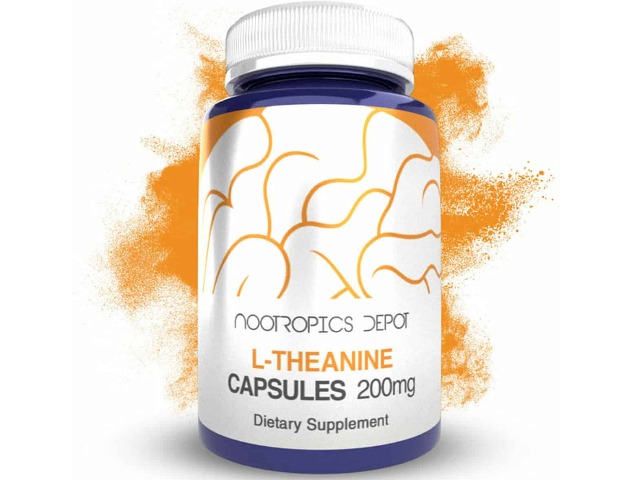
- L-Theanine (200mg, Suntheanine branded extract) — verified NSF certification, bought from brand site
- Alpha-GPC (300mg) — Jarrow Formulas, purchased direct, ConsumerLab verified
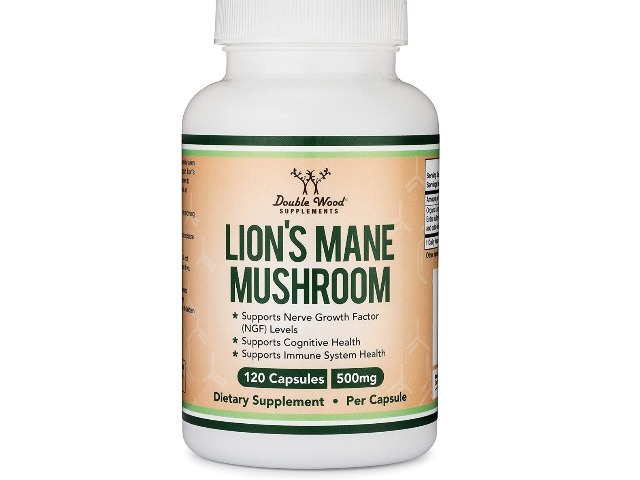
- Lion’s Mane (1000mg, fruiting body extract) — Nootropics Depot or Real Mushrooms, both with COAs
- Rhodiola Rosea (300mg, 3% rosavins / 1% salidroside) — Thorne, NSF Certified for Sport
Total monthly cost buying direct: roughly $80–120. That’s maybe $15–25 more than the “deals” on Amazon. But I know every milligram is what the label says it is. That’s not a premium — it’s the actual cost of the product working.
Insider Tip: Many direct-purchase brands offer 15–25% subscription discounts that bring prices in line with or below Amazon. Thorne, Nootropics Depot, and Pure Encapsulations all run loyalty programs. You’re not paying more — you’re just paying what the real product costs.
Who Needs to Be Especially Careful
Not everyone faces the same level of risk from counterfeit supplements. Some groups need to be particularly vigilant:
- Anyone on prescription medications — Hidden pharma ingredients in adulterated supplements can cause dangerous interactions, especially with blood pressure drugs, blood thinners, and antidepressants
- Pregnant or nursing women — Unknown contents mean unknown toxin exposure. This is non-negotiable: never take unverified supplements during pregnancy
- People with autoimmune conditions — Contaminants and undeclared ingredients can trigger flares
- Children and adolescents — Developing bodies are more sensitive to adulterants
- Anyone stacking multiple supplements — More products from unverified sources = compounding risk of hidden ingredient interactions
My Take
Here’s the honest truth: Amazon is phenomenal for buying books, phone chargers, and kitchen gadgets. It is terrible for buying supplements — especially nootropics, where the whole point is precise dosing of specific compounds to support your brain.
The structural incentives are backwards. Amazon rewards low prices and high volume. Supplement quality requires testing, standardization, and supply chain integrity — none of which Amazon’s marketplace is designed to verify.
I’ve tested this personally. I’ve bought the same Bacopa Monnieri from Amazon and from Nootropics Depot. One did nothing after 6 weeks. The other noticeably improved my recall within a month. Same label. Same claimed dose. Completely different results.
The 15–20% you “save” on Amazon supplements isn’t savings. It’s the discount you get for accepting a coin flip on whether you’re taking the actual compound or flavored rice powder.
Buy direct. Verify COAs. Look for third-party testing seals. And if a deal seems too good to be true on Amazon, it’s because the product inside the bottle isn’t what the label says it is.
Your brain deserves better than counterfeits.