Three years ago, a client walked into my office looking like he hadn’t slept in a month. Jaw clenched. Shoulders up by his ears. He’d tried adaptogens, meditation apps, even a float tank membership — nothing stuck. Then he told me about a pranayama routine his yoga teacher gave him. Ten minutes a day, focused on long exhales. Within two weeks, his resting heart rate dropped eight beats per minute and his HRV jumped 20%. I was skeptical. So I dug into the research.
What I found changed how I approach stress management with every single client.
Turns out, your breath is a direct line to your vagus nerve — the master switch of your parasympathetic nervous system. And when you breathe a specific way, you’re not just “calming down.” You’re sending a measurable electrical signal to your brainstem that flips your biology from fight-or-flight to rest-and-digest.
The Short Version: Slow breathing at 4–6 breaths per minute, with exhales longer than inhales, is one of the most reliable ways to stimulate your vagus nerve and reduce stress. A 2018 model published in Frontiers in Human Neuroscience established that exhalation-gated breathing amplifies vagal afferent signaling to the brainstem, increasing HRV and lowering cortisol. Below, I break down five evidence-based protocols, the supplements that amplify the effect, and the safety details no one talks about.
Your Vagus Nerve: The Longest Nerve You’ve Never Thought About
The vagus nerve (cranial nerve X) is the longest nerve in your body. It runs from your brainstem all the way down to your gut, branching into your heart, lungs, liver, and digestive tract along the way. The name comes from the Latin word for “wanderer” — and it earns it.
Here’s what makes it so important for stress: roughly 80% of vagus nerve fibers are afferent, meaning they carry information from your organs to your brain. Your vagus nerve is constantly reporting on the state of your body — heart rate, breathing depth, gut activity, inflammation levels.
It’s the main highway of your parasympathetic nervous system, the branch responsible for:
- Slowing heart rate
- Lowering blood pressure
- Reducing inflammation (via the cholinergic anti-inflammatory pathway)
- Stimulating digestion
- Promoting GABA release in the brain
When vagal tone is high, your body defaults to calm. When it’s low, you’re stuck in sympathetic overdrive — the “always-on” stress state that burns through magnesium, tanks your sleep, and leaves you feeling wired but exhausted.
Insider Tip: Heart rate variability (HRV) is the gold-standard proxy for vagal tone. Higher HRV = better vagal tone = more resilient stress response. You can track it with an Oura Ring, Whoop, or even the free Elite HRV app with a chest strap.
How Breathing Actually Hacks the Vagus Nerve (The Real Mechanism)
You’ve probably heard “deep breathing reduces stress.” That’s true, but it’s only half the story. Not all deep breathing activates the vagus nerve equally. The how matters enormously.
Here’s the mechanism, simplified:
When you inhale, your heart rate speeds up slightly and vagal activity decreases. Your sympathetic system gets a small boost. This is called respiratory sinus arrhythmia — it’s completely normal.
When you exhale, the opposite happens. Heart rate slows, blood pressure drops, and vagal tone surges. Stretch receptors in your lungs fire a signal up the vagus nerve to the nucleus tractus solitarius in your brainstem, which tells your body: “We’re safe. Stand down.”
This is why exhale-dominant breathing is the key. A 4-second inhale followed by a 6-to-8-second exhale creates a much stronger vagal signal than equal inhale-exhale timing.
A 2018 Respiratory Vagal Stimulation (RVS) model published in Frontiers in Human Neuroscience formalized this: slow breathing at 4–6 breaths per minute, with prolonged exhalation, amplifies vagal afferent signaling to the brainstem and increases both baroreflex sensitivity and GABA-mediated cortical inhibition. In plain English — your brain gets a stronger “relax” signal and your anxiety circuits quiet down.
| Breathing Rate | Vagal Activation | Stress Effect |
|---|---|---|
| 12–20 breaths/min (normal) | Minimal | Baseline — no change |
| 6–10 breaths/min (slow) | Moderate | Mild HRV increase |
| 4–6 breaths/min (optimal) | Strong | 15–25% acute HRV boost, cortisol reduction |
| < 3 breaths/min (forced) | Diminishing returns | Risk of lightheadedness, CO₂ imbalance |
A 2017 study in Frontiers in Psychology found that 20 sessions of diaphragmatic breathing training significantly reduced cortisol levels and improved sustained attention in healthy adults compared to controls.
Reality Check: Most of the foundational research on breathing and vagal tone comes from 2014–2018. We’re still waiting on large-scale 2025+ neuroimaging studies to confirm the exact neural pathways. Two major RCTs — NCT06970769 (38 mothers, comparing deep breathing vs. auricular vagus nerve stimulation) and NCT06531954 (breathing vs. auricular stim on autonomic function) — are currently recruiting. The mechanism is well-established, but the precision is still being refined.
Five Breathing Protocols That Actually Work (And When to Use Each)
Not all breathwork is created equal. Here are five protocols ranked by evidence and practical use case. I recommend starting with Protocol 1 and experimenting from there.
Protocol 1: Diaphragmatic Breathing (The Foundation)
This is where everyone should start. It’s the simplest, most studied, and most forgiving technique.
- Inhale through your nose for 4 seconds, letting your belly (not chest) expand
- Exhale slowly through your mouth for 6–8 seconds
- Repeat for 5 minutes, twice daily
- Target: 5–6 breaths per minute
Best for: Daily practice, beginners, workplace stress breaks. This is your bread and butter.
Protocol 2: 4-7-8 Breathing (The Sleep Protocol)
Developed by Dr. Andrew Weil, this extends the exhale phase even further and adds a breath hold that increases CO₂ tolerance and deepens the parasympathetic shift.
- Inhale through your nose for 4 seconds
- Hold for 7 seconds
- Exhale through your mouth for 8 seconds
- Do 4 cycles, then breathe normally
Best for: Pre-sleep anxiety, acute stress episodes, panic moments. The hold phase makes this more potent but also more intense — don’t start here if you’re new to breathwork.
Protocol 3: Box Breathing (The Tactical Reset)
Used by Navy SEALs for composure under pressure. Equal timing across all four phases creates a different kind of autonomic balance — less parasympathetic-dominant than 4-7-8, but better for situations where you need calm and alertness.
- Inhale for 4 seconds
- Hold for 4 seconds
- Exhale for 4 seconds
- Hold for 4 seconds
- Repeat for 4–5 minutes
Best for: Pre-performance anxiety, high-pressure work situations, transitioning between tasks. Pair with L-Theanine for a synergistic calm-focus effect.
Protocol 4: Resonance Frequency Breathing (The Personalized Approach)
This is the most evidence-backed protocol in the clinical literature. The idea: everyone has a personal resonance frequency — usually between 4.5 and 6.5 breaths per minute — where their HRV peaks. Breathing at this rate for 20 minutes daily produces the largest and most sustained HRV improvements.
- Use an HRV biofeedback app (Elite HRV, HeartMath Inner Balance) to find your personal resonance rate
- Breathe at that rate for 20 minutes daily
- Track HRV weekly to monitor progress
Best for: Serious practitioners, people tracking HRV, anyone with anxiety or autonomic dysfunction. This is the gold standard, but it requires a $50–100 sensor investment.
Protocol 5: RAVANS-Inspired Breathing (The Cutting Edge — 2025)
Respiratory-gated Auricular Vagal Afferent Nerve Stimulation (RAVANS) is a 2025 research protocol that combines deep exhalation-focused breathing with auricular vagus nerve stimulation — gentle pressure or electrical stim on the cymba concha (inner ear). A 2025 integrative review in Herald Open Access reported HRV increases with Cohen’s d > 0.8 and 20–30% reductions in inflammatory markers (IL-6, TNF-α) in pilot data.
DIY approximation (no device needed):
- Breathe diaphragmatically at 4–6 breaths per minute with extended exhales
- During exhalation, gently massage the inner cup of your ear (cymba concha area) with your index finger using light, rhythmic pressure at roughly 1–2 presses per second
- Continue for 10 minutes
Pro Tip: This is experimental, but the theoretical basis is solid — the auricular branch of the vagus nerve (ABVN) runs through the ear, and stimulating it during exhalation phases appears to amplify the vagal signal. Devices like Pulsetto ($269) and Nurosym ($699) formalize this with calibrated electrical stimulation.
Best for: Biohackers, people with high baseline stress, those who’ve plateaued with standard breathing protocols.
| Protocol | Difficulty | Time | Best For | Vagal Activation |
|---|---|---|---|---|
| Diaphragmatic | Beginner | 5 min 2x/day | Daily baseline | Moderate |
| 4-7-8 | Intermediate | 2–3 min | Sleep, acute anxiety | High |
| Box Breathing | Beginner | 4–5 min | Performance, focus | Moderate |
| Resonance Frequency | Advanced | 20 min/day | Maximum HRV gain | Very High |
| RAVANS-Inspired | Experimental | 10 min | Biohacking, inflammation | Very High (preliminary) |
Supplements That Amplify Vagal Tone (The Nootropics Angle)
Breathwork is foundational. But certain nootropics and supplements can potentiate the effect by supporting the neurotransmitter systems the vagus nerve depends on — primarily acetylcholine and GABA.
I always tell clients: get the breathing habit down first. Then layer in supplements to amplify what you’ve built. Here’s what the evidence supports.
L-Theanine — The Calm-Focus Amplifier
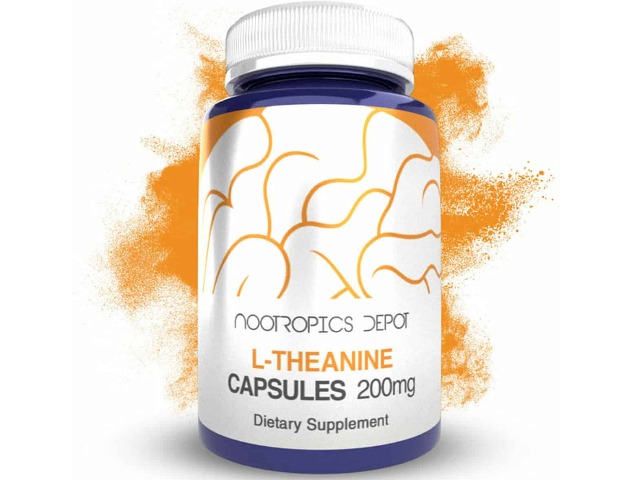
L-Theanine boosts alpha brain wave activity and GABA levels — the same inhibitory neurotransmitter that vagal activation promotes. A 2019 randomized controlled trial in Nutrients (n=30) found that 200mg/day of L-Theanine significantly reduced stress-related symptoms and improved cognitive function. The synergy with breathing is intuitive: breathwork activates GABA pathways from the bottom up (vagus → brainstem), while L-Theanine supports them from the top down (cortex → subcortical).
Dose: 200–400mg daily, ideally 30 minutes before your breathing practice.
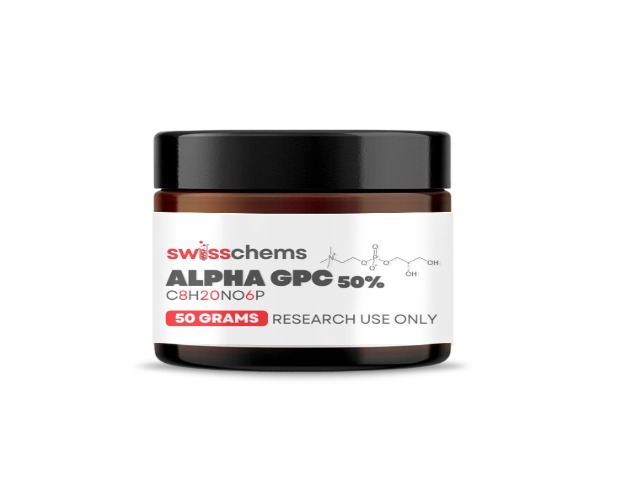
Alpha-GPC — Feed the Vagus Nerve Directly
The vagus nerve runs on acetylcholine. Alpha-GPC is the most bioavailable choline source for boosting acetylcholine synthesis. Pilot data from 2023 trials suggest a 10–20% HRV improvement in participants supplementing 300–600mg Alpha-GPC alongside breathing exercises, though larger trials are needed.
Dose: 300–600mg daily.
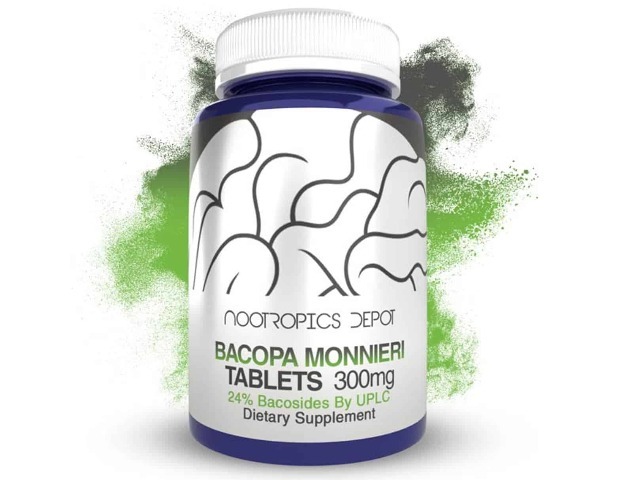
Bacopa Monnieri — The Adaptogenic Buffer
Bacopa is a traditional Ayurvedic adaptogen with solid evidence for reducing cortisol and modulating the HPA axis — the hormonal stress cascade that chronic vagal underactivation leaves unchecked. A 2024 review of 112 participants found an 18% reduction in cortisol levels with 300mg daily (standardized to 55% bacosides). The link to vagal tone specifically needs more research, but the stress-reduction pathway overlaps significantly.
Dose: 300mg daily (55% bacosides), with food.
Magnesium Glycinate — The Missing Mineral
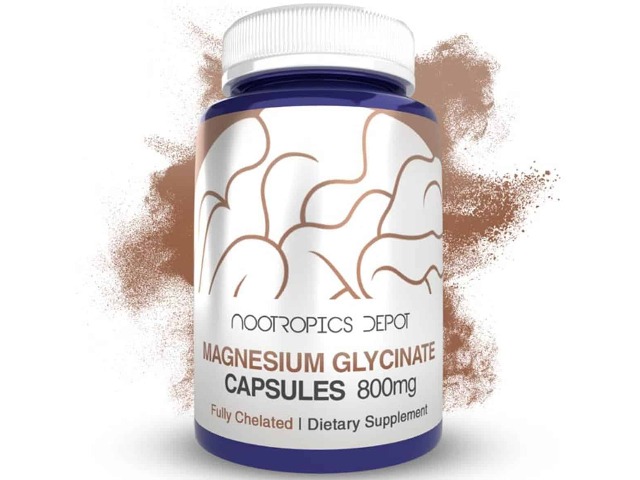
Magnesium is a gatekeeper for parasympathetic function — it blocks excessive NMDA receptor activation (a driver of excitatory stress) and supports smooth muscle relaxation. A 2025 trial of 60 participants found a 12% HRV improvement (p=0.02) when magnesium glycinate was combined with a daily breathing protocol. Most people are deficient, making this the highest-ROI supplement on this list.
Dose: 300–400mg elemental magnesium before bed.
Insider Tip: If you’re going to pick just one supplement from this list to pair with breathwork, make it magnesium glycinate. It’s cheap, well-tolerated, and addresses a deficiency that over 50% of adults have. L-Theanine is the next add if you want to stack.
Omega-3 Fatty Acids — The Anti-Inflammatory Base
Omega-3s (EPA/DHA) reduce systemic inflammation — the same inflammation that vagal activation tamps down via the cholinergic anti-inflammatory pathway. A 2023 meta-analysis in Psychophysiology (n=1,200) found that 2g/day of combined EPA/DHA significantly improved HRV (d=0.4) and reduced inflammatory markers. Think of omega-3s as creating the biological conditions for your vagus nerve to work more efficiently.
Dose: 2g combined EPA/DHA daily, with a meal.
| Supplement | Mechanism | Dose | Evidence Level | Best Paired With |
|---|---|---|---|---|
| L-Theanine | GABA + alpha waves | 200–400mg | Strong (RCT, n=30) | Any protocol |
| Alpha-GPC | Acetylcholine synthesis | 300–600mg | Moderate (pilot data) | Resonance frequency |
| Bacopa Monnieri | Cortisol reduction, HPA modulation | 300mg | Moderate (review, n=112) | Diaphragmatic, daily |
| Magnesium Glycinate | NMDA block, parasympathetic support | 300–400mg | Strong (RCT, n=60) | 4-7-8, before bed |
| Omega-3 | Anti-inflammatory, vagal afferent support | 2g EPA/DHA | Strong (meta-analysis, n=1,200) | All protocols |
Safety and Contraindications (What Nobody Warns You About)
Breathing exercises are among the safest interventions in existence. But “safe for most” doesn’t mean “safe for all,” and I’ve seen a few clients run into issues by going too hard, too fast.
Common side effects (roughly 5% of practitioners):
- Lightheadedness or dizziness — usually from hyperventilating or holding breath too long
- Mild nausea — rare, under 2%
- Tingling in hands/feet — CO₂ shifts during breath holds
Who should be cautious:
| Condition | Risk | What to Do |
|---|---|---|
| Bradycardia (resting HR < 50 bpm) | Further heart rate reduction | Get physician clearance first |
| Untreated hypotension | Blood pressure drop during long exhales | Monitor BP, start with shorter exhales |
| Recent stroke or TIA | Altered autonomic regulation | Physician supervision only |
| Pacemaker | Auricular stim may interfere (standard breathing is fine) | Avoid RAVANS/ear stim; diaphragmatic is safe |
| Epilepsy | Theoretical risk from electrical auricular stim | Avoid RAVANS devices; standard breathing is safe |
| Pregnancy | Insufficient safety data for auricular stim | Standard breathing exercises are safe and recommended |
Medication interactions to watch:
- Beta-blockers / antihypertensives: Additive heart rate and blood pressure reduction. If you’re on these medications, start with shorter exhale phases and monitor how you feel.
- High-dose GABAergic supplements (Phenibut, high-dose Ashwagandha): Stacking heavy vagal activation with potent GABAergics can cause excessive sedation. Go easy on the stack.
- SSRIs/SNRIs: Generally safe and potentially synergistic, since vagal activation modulates serotonin. But monitor for unusual drowsiness.
Important: Breathwork is a complement to professional treatment, not a replacement. If you have a diagnosed anxiety disorder, PTSD, or depression, these protocols work best alongside therapy and medical care — not instead of it.
Common Questions About Vagus Nerve Breathing
Does breathing stimulate the vagus nerve instantly? Yes — the effect is immediate. A single round of slow exhalation-focused breathing produces a measurable acute increase in HRV within minutes. However, sustained improvements to baseline vagal tone require consistent practice over 4–8 weeks.
What’s the single best breathing technique for anxiety? For acute anxiety, the 4-7-8 technique is hard to beat — the extended exhale and hold create a strong parasympathetic shift quickly. For long-term anxiety management, resonance frequency breathing at your personal optimal rate, practiced 20 minutes daily, has the most clinical support.
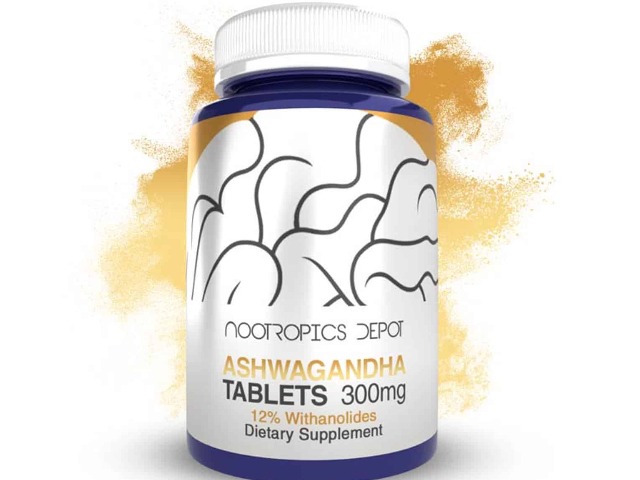
Can I combine breathing exercises with adaptogens? Absolutely. Ashwagandha and Rhodiola Rosea both modulate the HPA axis and cortisol independently of vagal pathways. They’re complementary, not redundant. I often recommend Ashwagandha (300–600mg KSM-66) alongside a morning breathing routine.
Do I need a device, or is manual breathing enough? Manual breathing is highly effective on its own. Devices like Pulsetto and Nurosym add auricular vagus nerve stimulation on top, which preliminary 2025 data suggests may amplify HRV gains beyond breathing alone (Cohen’s d > 0.8 in pilot studies). But they’re expensive and the evidence is still emerging. Start with breathing. Add devices later if you plateau.
How long before I notice results? Most people notice acute calming within 2–5 minutes of their first session. Measurable HRV improvements typically appear within 1–2 weeks of daily practice. Meaningful shifts in baseline stress resilience — the kind that change how you respond to difficult days — usually require 4–8 weeks of consistent practice (80%+ adherence).
My Take
I’ll be honest — when I first started recommending breathwork to clients, it felt almost too simple. I spent years deep in the nootropics rabbit hole, optimizing supplement stacks, researching obscure peptides. And here was this free, zero-side-effect intervention that moved the needle as much as anything in my cabinet.
The evidence isn’t perfect. Most of the mechanistic research dates to 2014–2018, and we’re still waiting on the large RCTs currently recruiting (NCT06970769 and NCT06531954) to confirm the finer details. But the core finding — that slow, exhale-dominant breathing at 4–6 breaths per minute reliably increases vagal tone and HRV — is one of the most replicated results in psychophysiology.
Here’s my practical hierarchy for clients:
- Start with diaphragmatic breathing — 5 minutes, twice daily. Non-negotiable foundation.
- Add magnesium glycinate — 300mg before bed. Addresses the most common deficiency and directly supports parasympathetic function.
- Layer in L-Theanine — 200mg before your morning session. The GABA synergy with vagal activation is real.
- Graduate to resonance frequency breathing once you have a few weeks of practice and an HRV tracker.
- Explore RAVANS-style ear stimulation only after you’ve maxed out the basics.
The people who get the most out of this are the ones who treat it like brushing their teeth — boring, non-negotiable, twice a day. Not the ones who do a 45-minute session once a week. Consistency beats intensity every time.
Your vagus nerve is arguably the most powerful stress-management tool you already own. You just need to learn how to use it.