
I spent three years telling people that inflammation was something you fix from the inside out — gut health, anti-inflammatory supplements, stress management. And I still believe that. But a few years ago, a friend handed me a grounding mat and said, “Just try sleeping on it for two weeks.” I rolled my eyes. It sounded like the kind of thing you’d find sandwiched between crystal healing and aura reading on a wellness blog. Then I actually looked at the research. And then I tried it. What I found surprised me enough to write this article.
The Short Version: Earthing mats conduct the Earth’s surface electrons into your body through conductive materials, and a growing body of pilot studies suggests this can measurably reduce inflammatory markers, lower cortisol, and improve recovery from exercise. The evidence is real but still early — small sample sizes, no large randomized controlled trials yet. Used as part of a broader anti-inflammatory protocol with the right supplements, grounding is a low-risk tool worth experimenting with.
What Earthing Actually Is (And Isn’t)
Earthing — also called grounding — is the practice of making direct physical contact with the Earth’s surface. Walk barefoot on grass, stand on wet sand, or use a conductive mat plugged into a grounded outlet. That’s it.
The premise is electrochemistry, not mysticism. The Earth’s surface carries a negative electrical charge — a virtually unlimited reservoir of free electrons maintained by the global atmospheric electrical circuit (lightning strikes the Earth roughly 5,000 times per minute, continuously replenishing this charge). When your skin contacts the ground, electrons flow into your body.
Why does that matter? Because free radicals — the unstable molecules driving chronic inflammation — are positively charged. They’re missing an electron. When you supply electrons from an external source, those free radicals get neutralized before they can damage surrounding tissue. It’s the same basic principle behind dietary antioxidants like Curcumin or Resveratrol, except the electrons come through your skin instead of your gut.
Reality Check: Earthing is not a replacement for addressing root causes of inflammation — poor diet, chronic stress, gut dysbiosis, and sleep deprivation. Think of it as one layer in a multi-layer strategy, not a magic mat you stand on while eating processed food.
An earthing mat is simply a conductive surface — typically carbon fiber, stainless steel thread, or silver-coated fabric — connected to the ground port of a standard electrical outlet via a cord. When you touch it with bare skin, you complete the circuit and electrons flow.
The Inflammation Connection (What the Studies Actually Show)
Let’s be direct: the evidence base for earthing is promising but limited. Most studies are small pilots. There are no 500-person randomized controlled trials, and as of early 2026, no published meta-analyses. But what exists is consistent and physiologically plausible.
The DOMS Trial That Started It All
The most cited earthing-inflammation study is Chevalier et al. (2015), published in the Journal of Inflammation Research. Eight healthy men performed intense eccentric exercises (toe raises) to induce delayed onset muscle soreness. Four slept grounded via conductive patches on their feet and calves; four slept on sham mats.
The results were striking:
- Grounded subjects reported 67% less pain on a visual analog scale
- They tolerated roughly twice the pressure on a blood pressure cuff before reporting pain
- White blood cell counts (neutrophils and lymphocytes) were significantly lower — meaning fewer inflammatory cells mobilized
- Creatine kinase levels (a marker of muscle damage) dropped faster in the grounded group
| Marker | Grounded Group | Sham Group |
|---|---|---|
| Pain (VAS, 0-10 scale) | ~2-3 points | ~7-8 points |
| Pressure pain tolerance | ~2x higher | Baseline |
| Neutrophil count | Lower | Elevated |
| Creatine kinase | Faster normalization | Prolonged elevation |
Yes, n=8 is tiny. This needs replication at scale. But the effect sizes were large — not the marginal differences you’d expect from placebo alone.
The Cortisol and Sleep Connection
A 2004 study in the Journal of Alternative and Complementary Medicine measured cortisol rhythms in 12 subjects who slept grounded for 8 weeks. Grounded sleepers showed normalized cortisol secretion — their levels aligned more closely with the natural circadian pattern (high in the morning, low at night). Subjective reports of sleep quality, pain, and stress all improved.
This matters because cortisol dysregulation is one of the primary drivers of chronic, low-grade inflammation. If you’re waking up with flat cortisol and crashing in the afternoon, your inflammatory load is almost certainly elevated. Earthing appears to help reset that rhythm — similar to what Ashwagandha does pharmacologically, but through a completely different mechanism.
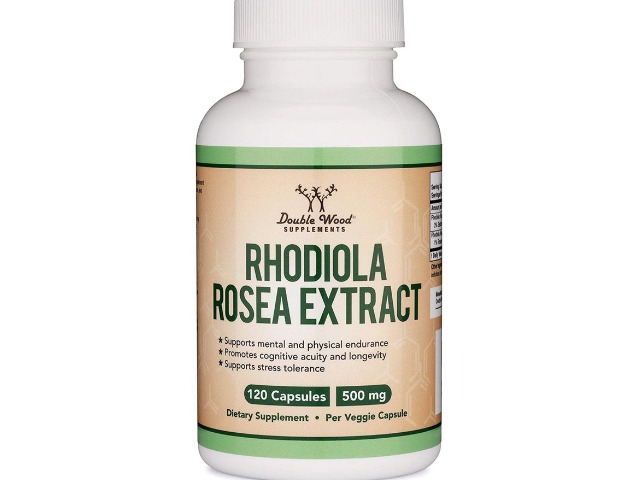
Insider Tip: If you’re already taking adaptogens like Ashwagandha or Rhodiola Rosea for cortisol management, grounding during sleep may amplify those effects. Stack the interventions — they work through different pathways.
Blood Viscosity and Circulation
One of the more intriguing findings comes from research on zeta potential — the electrical charge on the surface of red blood cells that determines how well they repel each other. Higher zeta potential means thinner blood, better microcirculation, and lower cardiovascular risk.
A study on yoga practitioners using grounding mats found a 270% improvement in zeta potential compared to sham conditions. That’s a massive shift in blood fluidity. Thinner blood means better oxygen delivery to tissues, more efficient nutrient transport, and faster clearance of inflammatory waste products.
This is relevant for nootropics users: better cerebral blood flow means better delivery of compounds like Omega-3 fatty acids and Magnesium to the brain.
The 2020 Review
Menigoz et al. (2020) published a comprehensive review in EXPLORE synthesizing roughly 20 studies on earthing. Their conclusion: grounding consistently reduces inflammatory cytokines, white blood cell counts, and pain markers across multiple small trials. They framed earthing as a legitimate integrative medicine strategy — not a cure-all, but a measurable physiological intervention.
| Study Focus | Key Finding | Limitation |
|---|---|---|
| DOMS/exercise recovery | 67% pain reduction, lower WBCs | n=8 |
| Cortisol/sleep | Normalized circadian cortisol | n=12, no blinding |
| Blood viscosity | 270% zeta potential improvement | Sample size unspecified |
| Facial blood flow | Improved microcirculation | Pilot data |
| Hypertension cases | Blood pressure reduction | Case series, no control |
Reality Check: The biggest gap in earthing research is the lack of large, well-controlled RCTs. Most studies have 8-40 participants and limited blinding. The consistency of results across different labs and outcome measures is encouraging, but “promising pilot data” is not the same as “proven.” I treat earthing as a plausible intervention with a favorable risk profile — not as settled science.
Indoor Mats vs. Barefoot Outdoors (They’re Not the Same)
This is one of the biggest misconceptions I see. People assume an earthing mat is equivalent to walking barefoot on grass. It’s not.
An earthing mat delivers electrons only. Walking barefoot outdoors gives you:
- Electrons from the Earth’s surface
- UV and infrared light exposure (which independently modulate inflammation)
- Soil microbiome exposure (which supports immune regulation)
- Negative air ions (higher near water, forests, mountains)
- The psychological and physiological benefits of being in nature
Indoor mats are a reasonable substitute when outdoor grounding isn’t practical — which, let’s be honest, is most of the year for most people. But they’re the compressed-MP3 version of the full outdoor experience.
The practical takeaway: Prioritize 30-60 minutes of barefoot outdoor time when you can. Use mats as your daily baseline — under your desk, on your bed, while reading — and think of outdoor grounding as the upgrade.
How to Actually Use an Earthing Mat (Without Wasting Your Money)
Most people buy a grounding mat, plug it in, and assume they’re done. There are a few critical details that determine whether you’re actually grounding or just touching a fancy rubber pad.
Setup Essentials
-
Test your outlet. Not all outlets are properly grounded. Buy a $10 outlet tester (any hardware store) and verify you see the “correctly wired” indicator. An ungrounded outlet means your mat does nothing.
-
Bare skin contact is required. Socks, shoes, and clothing reduce or eliminate electron transfer. Your feet, hands, or forearms need direct contact with the conductive surface.
-
Duration matters. Infrared imaging studies show measurable changes in circulation beginning around 30 minutes. For sleep benefits, overnight use (7-9 hours) appears optimal based on the cortisol studies.
-
Maintenance. Clean mats with mild soap and water. Body oils and dead skin reduce conductivity over time. Most silver-thread mats last 1-2 years with regular cleaning.
What to Buy (And What to Avoid)
| Product | Price Range | Best For | Notes |
|---|---|---|---|
| Earthing.com Universal Mat | $70-100 | Desk/floor use | Conductive carbon/silver, 60-day trial, lab-tested |
| Silver-thread grounding sheets | $150-300 | Sleep grounding | 99% silver thread, full-body contact, COAs available |
| Budget PU leather mats | $40-60 | Testing the concept | Less durable, limited third-party testing |
| Graphene-infused mats (2026) | $80-150 | Enhanced conductivity | Newer technology, emerging options |
Important: Avoid unbranded Amazon generics that claim grounding without providing conductivity test results or certifications. A mat that doesn’t actually conduct electrons is an expensive mouse pad. Look for products that include an outlet tester and provide lab certificates of analysis (COAs) for their conductive materials.
The Anti-Inflammatory Grounding Protocol (Stacking What Works)
Here’s where this gets practical. Earthing alone is a modest intervention. Combined with targeted supplementation and lifestyle practices, it becomes part of a genuinely powerful anti-inflammatory stack.
Daily Protocol
Morning (30-60 minutes):
- Barefoot outdoor time if possible (grass, soil, concrete — not asphalt or wood)
- If indoors: feet on grounding mat while working
- Morning sunlight exposure (synergizes with grounding for circadian regulation)
Post-workout:
- 40 minutes on grounding mat
- Consider pairing with cold exposure (cold shower or ice bath) for compounded anti-inflammatory effect
Evening/Sleep:
- Grounding sheet or mat during sleep (full 7-9 hours)
- Combine with breathwork — 5 minutes of slow, diaphragmatic breathing to activate parasympathetic tone
The Supplement Stack That Pairs With Grounding
Earthing provides exogenous electrons. These supplements provide complementary anti-inflammatory mechanisms through different pathways:
-
Curcumin (500-2,000mg with piperine): Inhibits NF-κB signaling — the master inflammatory switch. Effect sizes of d=0.5-1.0 for inflammation markers across multiple trials. This is your heavy hitter.
-
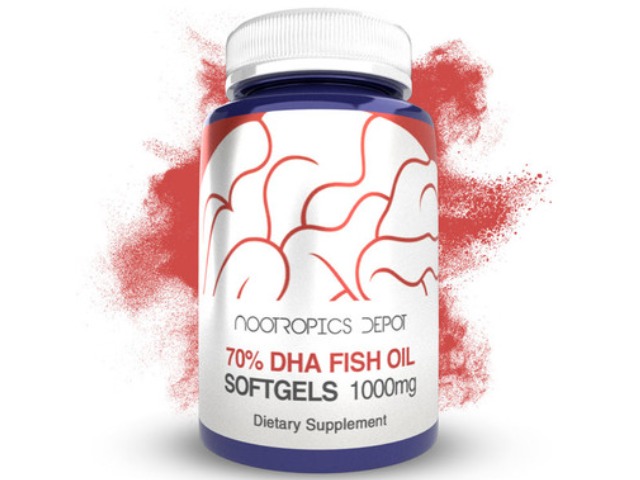
Omega-3s (1,000-2,000mg EPA/DHA): Resolvin and protectin precursors that actively resolve inflammation rather than just suppressing it. Pairs well with grounding’s blood-thinning effects.
-
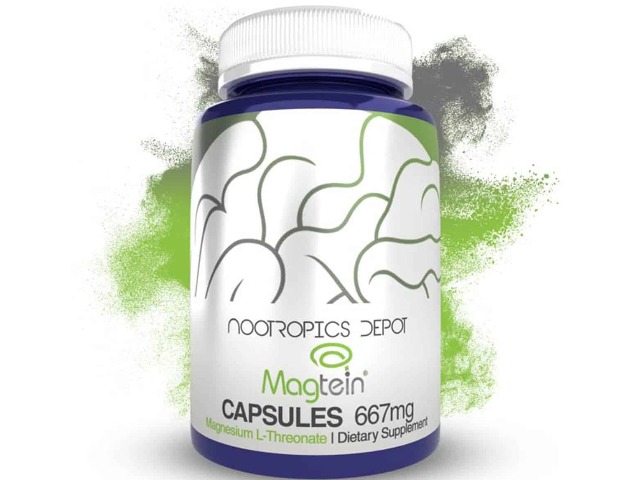
Magnesium Threonate (300-400mg elemental): Supports voltage-gated ion channels and crosses the blood-brain barrier. The relaxation and parasympathetic shift from magnesium complements grounding’s autonomic effects.
-
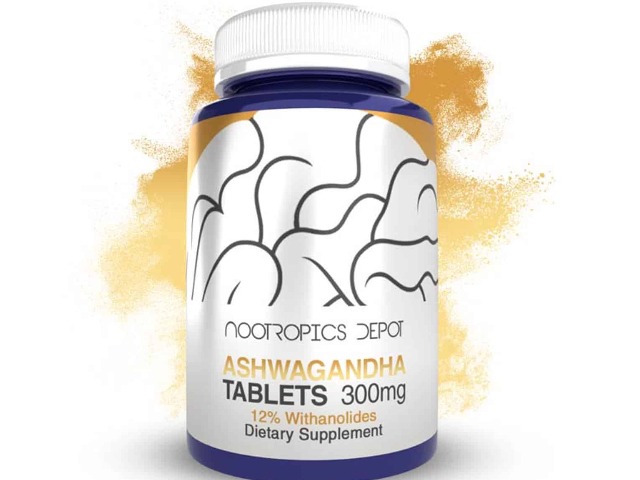
Ashwagandha (300-600mg KSM-66): Cortisol reduction with a meta-analytic effect size of d=0.6. If grounding normalizes your cortisol rhythm from the outside, ashwagandha does it from the inside.
-
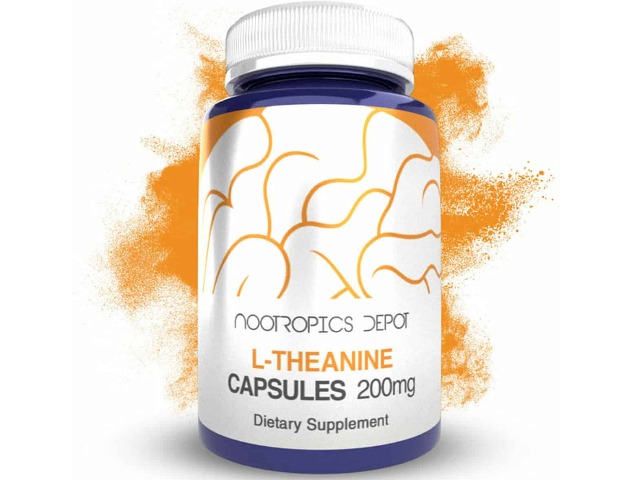
L-Theanine (200mg): Promotes alpha brain waves and calm focus. Complements the parasympathetic shift that grounding produces.
Pro Tip: Track your progress. Use a wearable that measures HRV (heart rate variability) — Oura Ring, Whoop, or even a chest strap with an app. Expect to see parasympathetic markers (RMSSD) trend upward over 2-4 weeks if grounding is working for you. If HRV doesn’t budge, the intervention may not be meaningful for your physiology.
Who Should Be Cautious
Earthing is remarkably safe — no serious adverse events reported in any published study. But a few populations should check with their doctor first:
- People with pacemakers or implanted electrical devices: The electron flow is minimal, but the theoretical risk of electrical interference warrants a conversation with your cardiologist.
- Those on blood thinners (warfarin, aspirin therapy): Grounding’s effect on blood viscosity could theoretically be additive. Monitor INR if applicable.
- Open wounds or skin conditions: Direct contact with conductive materials on broken skin may increase infection risk.
What the Skeptics Get Right (And Wrong)
The skeptics aren’t wrong about everything. The earthing research base is small. The early studies do have methodological limitations. And the wellness marketing around grounding products is often overblown — claims of curing autoimmune disease, reversing aging, and healing chronic pain overnight are irresponsible.
But dismissing earthing entirely because the studies are small is the wrong move. The physiological mechanisms are plausible (electron transfer, zeta potential, autonomic regulation), the effects are consistent across independent labs, and the risk is essentially zero. That’s a favorable profile for experimentation.
The real mistake isn’t trying earthing — it’s treating it as a standalone solution while ignoring the foundations that matter more: sleep quality, gut health, stress management, nutrient-dense food, and targeted supplementation with compounds like Bacopa Monnieri and Rhodiola Rosea that have decades of robust clinical evidence behind them.
Frequently Asked Questions
Do grounding mats need to be plugged into an outdoor ground rod? No. Most mats connect to the ground port of a standard three-prong outlet. However, you must verify your outlet is properly grounded with a tester. No ground connection = no grounding.
Do grounding mats work through socks or shoes? Thin, damp cotton socks may allow some electron transfer, but bare skin is significantly more effective. Shoes with rubber soles completely block the connection.
How long before I notice effects? Infrared imaging shows circulatory changes within 30 minutes. Cortisol and sleep improvements typically emerge over 1-2 weeks of consistent overnight use. Inflammatory marker changes may take 4-8 weeks.
Are grounding mats safe to use near electronics? Yes. The voltages involved are negligible — we’re talking about the Earth’s natural surface charge, not electrical current. Your laptop is fine.
Is this just placebo? The cortisol normalization, white blood cell count changes, and zeta potential measurements are objective biomarkers — they can’t be explained by placebo. That said, placebo-controlled trials with larger samples are needed to quantify the true effect size.
My Take
Here’s my honest assessment: earthing mats are one of those interventions that sit right at the intersection of “mechanistically plausible” and “not yet proven at scale.” The pilot data is genuinely interesting — you don’t see 67% pain reductions and 270% zeta potential improvements from nothing. But I’ve been in this space long enough to know that promising pilots don’t always survive rigorous replication.
What I can tell you is this: I’ve used a grounding sheet on my bed for over a year. My HRV trended up by about 8-12% in the first month. My sleep onset got faster. Is that the grounding? The magnesium I take? The fact that I was also cleaning up my evening routine? Honestly, I can’t isolate the variable. And neither can the current research.
But here’s the thing — a grounding mat costs less than a month of most supplement stacks, carries zero risk, and has a plausible mechanism of action supported by consistent (if small) studies. In a world where people spend $200/month on supplements with less evidence than this, a one-time $80 investment in a grounding mat seems like a reasonable experiment.
Use it as part of a protocol, not as your protocol. Stack it with Curcumin for NF-κB inhibition, Omega-3s for resolution pathways, and Ashwagandha for cortisol management. Get your foundations right first — then see if grounding adds that extra 5-10% that compounds over time.
That’s the holistic approach. Not one magic bullet, but a stack of small advantages that add up to something real.