I used to be one of those militant water-only fasters. Sixteen hours of nothing but H2O, suffering through morning brain fog like some kind of ascetic monk while my coffee maker sat there mocking me from the kitchen counter.
Then I actually read the research. Turns out I was making fasting harder than it needed to be — and missing out on a legitimate cognitive and metabolic edge.
The question “does coffee break a fast?” is one of the most common I get from readers, and the confusion is understandable. The fasting world is full of contradictory rules, gatekeeping purists, and supplement companies trying to sell you overpriced “fasting aids.” Let me cut through the noise.
The Short Version: Black coffee does not break a fast for the vast majority of fasting goals — including autophagy, ketosis, and fat loss. At 2–5 calories per cup with zero sugar and negligible protein, it stays well under any meaningful metabolic threshold. Better yet, caffeine actively enhances several fasting benefits, from fat oxidation to mental clarity. The catch? What you put in your coffee matters enormously.
What “Breaking a Fast” Actually Means (It’s Not What You Think)
Before we can answer whether coffee breaks a fast, we need to get clear on what “breaking a fast” even means — because most people are working with the wrong definition.
There’s no single biological switch that flips from “fasting” to “not fasting.” Your body exists on a metabolic spectrum, and different fasting goals have different thresholds.
| Fasting Goal | What Breaks It | Calorie Threshold | Does Black Coffee Break It? |
|---|---|---|---|
| Autophagy (cellular cleanup) | Amino acids, significant insulin spikes | Debated; protein is the main trigger | No — may actually enhance it |
| Ketosis (fat-burning state) | Carbohydrates, excess protein | ~50 calories from carbs/protein | No — caffeine boosts fat oxidation |
| Insulin sensitivity | Significant insulin response | Foods with high glycemic impact | No — black coffee has minimal insulin effect |
| Caloric restriction | Any calories | Strict: 0 cal; Practical: <50 cal | Technically yes (2–5 cal), but negligibly |
| Gut rest | Anything that activates digestion | Any food or caloric drink | Mostly no — coffee is minimally digestive |
The practical takeaway: unless you’re doing a strict water-only fast for religious or medical reasons, black coffee is safe for every common fasting goal.
Reality Check: The “clean fast” vs. “dirty fast” debate generates more heat than light. What matters is whether a substance triggers a meaningful metabolic response — not whether it contains a theoretical calorie or two.
How Coffee Actually Helps Your Fast (The Science Sandwich)
Here’s where things get interesting. Coffee doesn’t just not break your fast — it actively makes fasting work better through several well-documented mechanisms.
Caffeine Supercharges Fat Burning
When you fast, your body shifts from burning glucose to burning stored fat. Caffeine accelerates this process significantly.
A classic study in the American Journal of Clinical Nutrition found that caffeine increases energy expenditure by 3–11% in lean and post-obese volunteers, with the effect lasting several hours after consumption (Dulloo et al., 1989). That’s not a trivial bump — it means your morning coffee is meaningfully increasing the calories you burn during your fasting window.
The mechanism is straightforward: caffeine blocks adenosine receptors, which triggers a release of norepinephrine and epinephrine. These catecholamines signal fat cells to break down stored triglycerides into free fatty acids — a process called lipolysis. A 2004 study in the same journal confirmed that caffeine specifically increases lipid oxidation (actual fat burning, not just mobilization) by roughly 29% in lean individuals (Acheson et al., 2004).
So when you drink black coffee during a fast, you’re essentially telling your body to burn fat faster. That’s the opposite of breaking a fast.
Coffee May Boost Autophagy (Your Body’s Cellular Cleanup Crew)
Autophagy — your body’s process of recycling damaged cells and proteins — is one of the most compelling reasons people fast. And coffee appears to help here too.
A 2014 study published in Cell Cycle found that both caffeinated and decaffeinated coffee induced autophagy in the liver, heart, and skeletal muscle of mice within 1–4 hours of consumption (Pietrocola et al., 2014). A companion study in the Journal of Nutritional Biochemistry confirmed similar effects in cultured human cells, identifying polyphenols — particularly chlorogenic acid — as key autophagy triggers (Pietrocola et al., 2014).
This is significant because it means coffee’s autophagy benefits aren’t just about the caffeine. The polyphenols in coffee appear to independently activate the same cellular cleanup pathways that fasting triggers.
Insider Tip: If autophagy is your primary fasting goal, you can drink decaf and still get autophagy-boosting polyphenols — though you’ll miss the fat-oxidation benefits of caffeine.
The Insulin Question (Spoiler: It’s Fine)
“But doesn’t caffeine spike insulin?” This is probably the most persistent myth in the fasting community, and it’s based on a misreading of the research.
Yes, some studies show caffeine can slightly affect glucose metabolism. A 2004 study in Diabetes Care found that habitual coffee consumption was associated with higher insulin sensitivity, not lower (Yamaji et al., 2004). The acute effects of caffeine on blood sugar are minimal when consumed black and without food.
The key distinction: caffeine consumed with a meal can temporarily blunt insulin sensitivity. Caffeine consumed during a fast — when there’s no glucose to manage — doesn’t meaningfully spike insulin because there’s nothing for insulin to respond to.
In practical terms, black coffee causes less than a 5% insulin fluctuation compared to a glucose load. That’s metabolic noise, not a fast-breaker.
What Actually Breaks Your Fast (The Coffee Additives Problem)
Here’s where most people trip up. It’s not the coffee that breaks your fast — it’s what you dump into it.
| Additive | Approximate Calories | Insulin Response | Fasting Impact |
|---|---|---|---|
| Nothing (black) | 2–5 cal | Negligible | Safe for all fasting goals |
| Splash of cream (1 tbsp) | 50 cal | Mild | Borderline — may reduce autophagy |
| Sugar (1 tsp) | 16 cal | Significant | Breaks fast (insulin spike) |
| Bulletproof-style (butter + MCT) | 200–400 cal | Moderate (fat-based) | Breaks caloric fast; may preserve ketosis |
| Flavored creamer | 35–70 cal | Significant (sugar content) | Breaks fast |
| Oat/almond milk (1 tbsp) | 5–15 cal | Minimal | Likely safe in small amounts |
The bottom line: sugar breaks your fast. Fat in large amounts breaks your caloric fast. A tiny splash of heavy cream is a gray area. Black coffee is unambiguously safe.
Important: “Bulletproof coffee” (blended with butter and MCT oil) is popular in keto circles, but let’s be honest — at 200–400 calories, it’s breakfast, not fasting. It may keep you in ketosis due to its high fat content, but it absolutely breaks a caloric fast and likely dampens autophagy.
The Nootropic Fasting Stack (Coffee + Smart Supplements)
This is where my biohacker brain gets excited. Coffee during a fast isn’t just about metabolism — it’s a legitimate cognitive enhancer, and you can amplify it with the right supplements that won’t break your fast.
Coffee + L-Theanine: The Classic Stack
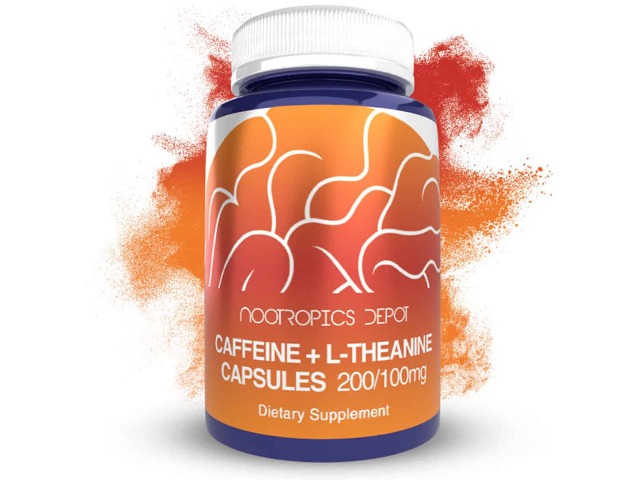
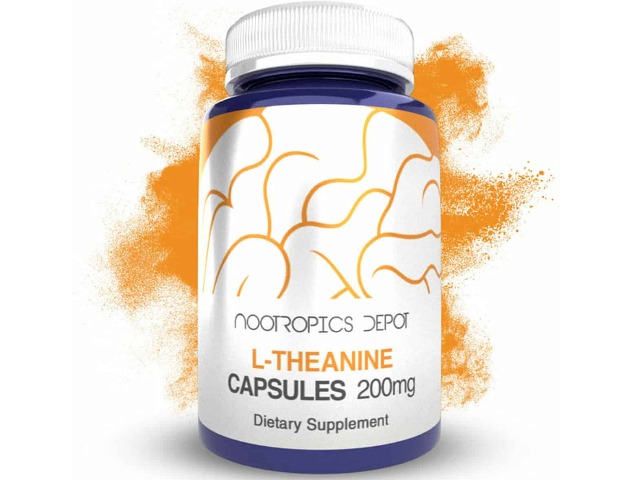
If you only take one thing from this article, let it be this: L-theanine paired with coffee is the single best nootropic stack for fasting.
A 2008 study in Nutritional Neuroscience found that the combination of caffeine and L-theanine improved both speed and accuracy of attention tasks while reducing the jittery, anxious edge that caffeine alone can produce (Owen et al., 2008). A 2019 trial in Nutrients confirmed that 200mg of L-theanine reduced stress-related symptoms and improved cognitive function in healthy adults (Hidese et al., 2019).
The ideal ratio is 2:1 caffeine to L-theanine — so if your coffee has ~100mg caffeine, pair it with 200mg L-theanine. Zero calories. Zero insulin impact. Pure focus.
Other Fasting-Friendly Nootropics
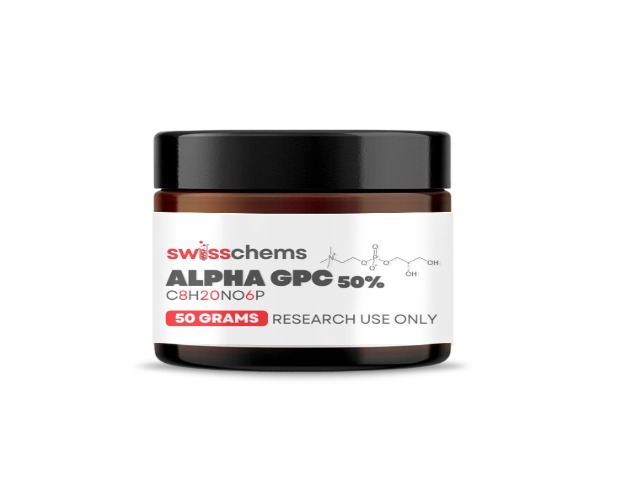
- Alpha-GPC (300mg): Boosts acetylcholine for sharper thinking during your fast. No meaningful caloric or insulin impact.
- Electrolytes (sodium, potassium, magnesium): The unsung hero of fasting. Zero calories, prevents the headaches and fatigue that make people quit fasting. I consider these non-negotiable.
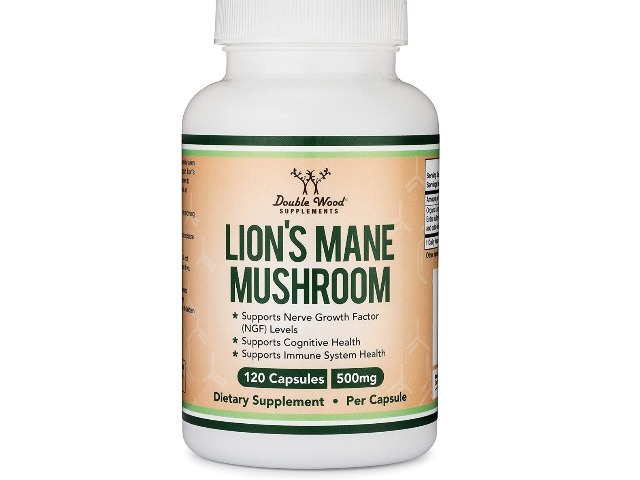
- Lion’s Mane mushroom extract: Increasingly popular in “mushroom coffee” blends. Supports nerve growth factor (NGF) production. Most extracts are calorie-negligible.
What to Save for Your Eating Window
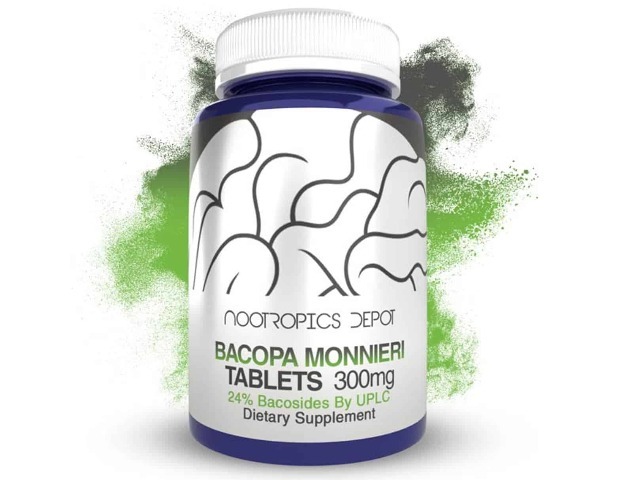
- Bacopa Monnieri: Excellent for memory, but it’s fat-soluble and can cause nausea on an empty stomach. Take this with food.
- MCT Oil: Useful for sustained ketone energy, but at 100+ calories per tablespoon, it breaks a caloric fast. Save it for your first meal or use it only if you’re doing a “dirty fast” specifically for ketosis.
- Fish oil / Omega-3s: Fat-soluble, better absorbed with food, and can cause stomach upset when fasting.
Pro Tip: Build your fasting stack the night before. I keep a small container with my L-theanine capsules next to the coffee maker so I don’t have to think about it at 6 AM. Remove friction, build consistency.
Timing Your Coffee for Maximum Fasting Benefits
When you drink coffee during your fast matters almost as much as what you put in it.
The Cortisol Question
Your cortisol peaks naturally in the first 30–60 minutes after waking (the cortisol awakening response). Drinking coffee during this peak can amplify the stress response more than necessary, leading to jitters and an energy crash later.
The better approach: Wait 60–90 minutes after waking before your first cup. This lets your natural cortisol do its job, and then coffee extends the energy and focus into mid-morning when cortisol naturally dips.
A Practical Coffee-Fasting Protocol
Here’s what a typical fasting day looks like for me:
- 6:30 AM — Wake up. Water + electrolytes (sodium/potassium).
- 8:00 AM — First black coffee + 200mg L-theanine. Deep work begins.
- 10:00 AM — Second coffee if needed (I cap at 2 cups before noon).
- 12:00 PM — Break fast with a real meal. This is when I take Bacopa, fish oil, and any fat-soluble supplements.
- 2:00 PM — Last caffeine of the day (half-life is 5–6 hours — respect it or your sleep pays the price).
The 400mg Ceiling
The FDA’s general guideline of 400mg caffeine per day (roughly 4 cups of brewed coffee) is a reasonable ceiling for most people. During fasting, I’d suggest staying at 200–300mg — enough for cognitive and metabolic benefits without overstimulating a system that’s already in a heightened metabolic state.
| Coffee Type | Caffeine per 8oz | Cups to Hit 400mg |
|---|---|---|
| Drip/brewed | 80–100mg | ~4 cups |
| Espresso (single shot) | 63mg | ~6 shots |
| Cold brew | 100–150mg | ~3 cups |
| Instant | 30–90mg | ~5–6 cups |
| Decaf | 2–15mg | Not a concern |
When Coffee and Fasting Don’t Mix (The Honest Part)
I’d be doing you a disservice if I didn’t mention the scenarios where coffee during fasting is a bad idea.
- Anxiety disorders: Caffeine amplifies sympathetic nervous system activation. If you already deal with anxiety, fasting + coffee can push you into an uncomfortable, wired-but-tired state. Consider L-theanine to take the edge off, or switch to decaf.
- GERD or acid reflux: Coffee stimulates gastric acid secretion. On an empty stomach during a fast, this can worsen reflux significantly. If this is you, try cold brew (lower acidity) or skip coffee until your eating window.
- Pregnancy: Guidelines recommend staying under 200mg caffeine during pregnancy. Combined with fasting — which is generally not recommended during pregnancy anyway — this is a “talk to your doctor” situation.
- Sleep issues: Caffeine’s half-life is 5–6 hours, but it varies by genetics (CYP1A2 gene). If you’re a slow metabolizer, even morning coffee can wreck your sleep. And poor sleep undermines virtually every benefit of fasting. This is where something like Rhodiola Rosea or Ashwagandha as adaptogens might serve you better for energy during fasting.
- Medication interactions: Coffee can interact with stimulant medications (Adderall, methylphenidate), SSRIs, theophylline, and certain antibiotics. If you’re on any of these, check with your prescriber before adding fasted coffee to your routine.
Reality Check: Fasting is supposed to serve your health, not become another source of stress. If coffee during your fast makes you feel terrible, don’t do it. The “optimal” protocol is the one you can actually sustain.
The Health Benefits of Coffee (Beyond Fasting)
Coffee’s benefits extend well beyond the fasting window, and they’re worth knowing because they compound with regular fasting practice.
Cardiovascular protection: Chlorogenic acid and caffeic acid in coffee act as antioxidants, reducing inflammation and improving blood vessel function. A large 2022 study in Annals of Internal Medicine found that coffee drinkers (including those consuming 2–4 cups daily with sugar) had a lower risk of all-cause mortality compared to non-drinkers (Liu et al., 2022).
Neuroprotection: Research consistently shows an inverse relationship between coffee consumption and risk of Alzheimer’s disease and cognitive decline. Coffee appears to prevent the accumulation of amyloid-beta and tau proteins — the hallmarks of Alzheimer’s pathology. Trigonelline, a lesser-known coffee compound, may also support nerve regeneration (Butt & Sultan, 2011).
Liver health: Chlorogenic acid is hepatoprotective, reducing the risk of fibrosis, cirrhosis, and liver cancer in people with preexisting liver conditions (Nieber, 2017). Given that fasting itself supports liver health through autophagy, the combination of coffee + fasting is particularly compelling for liver-focused health goals.
Metabolic health: Regular coffee consumption is associated with reduced risk of type 2 diabetes through improved glucose metabolism, enhanced insulin sensitivity, and reduced glucose uptake — mechanisms that synergize with the metabolic improvements from intermittent fasting.
My Take
I’ll be straight with you: adding black coffee to my fasting practice was one of the easiest, most impactful biohacks I’ve ever made. No exotic supplements. No complicated protocols. Just coffee — the thing I was already going to drink anyway.
The science is clear enough. Black coffee doesn’t break a fast for any practical purpose. It enhances fat burning, likely supports autophagy, and provides the caffeine-driven focus that makes a fasting window genuinely productive rather than just something you white-knuckle through.
But here’s what I think matters more than the molecular details: fasting should be sustainable. If removing coffee from your morning makes fasting miserable, you’re less likely to stick with it. And a fasting practice you abandon after two weeks does nothing for your health.
My actual recommendation? Start simple. Black coffee during your fast. Add L-theanine if you want smoother focus. Make sure you’re getting electrolytes. And don’t let anyone tell you that your 3-calorie cup of coffee is “ruining everything.” It isn’t.
The foundations matter more than the fine print. Get your sleep right. Manage your stress. Eat real food during your eating window. And yes — enjoy your coffee.