I’ll be honest — I used to think I was great at juggling twelve browser tabs, two Slack channels, and a podcast simultaneously. Productive multitasker, right? Then I tracked my actual output for a week. Turns out I was spending roughly 40% of my “productive” hours just recovering from self-inflicted interruptions. Not scrolling. Not procrastinating. Just mentally clawing my way back to whatever I was doing before the last notification hijacked my attention.
If that sounds familiar, you’re not broken. You’re experiencing exactly what your brain was designed to do — chase novel stimuli. The problem is that modern technology has turned that survival feature into a cognitive liability. And the fix isn’t just “put your phone in another room” (though that helps). It goes deeper.
The Short Version: Digital distraction is a cognitive load problem, not a discipline problem. Research shows frequent tech switching overloads working memory and depletes the prefrontal cortex’s ability to filter irrelevant input. The most effective approach combines environmental design, self-regulation training, and — when your foundations are solid — targeted nootropics like L-Theanine, Bacopa Monnieri, and Rhodiola Rosea to support the neurochemistry of sustained attention.
Your Brain on Notifications (The Science of Why You Can’t Focus)
Let’s get one thing straight: digital distraction isn’t a character flaw. It’s a predictable consequence of how your brain processes competing demands.
Two frameworks explain most of what’s happening:
Cognitive load theory says your working memory has a hard limit. Every notification, tab switch, or background alert adds extrinsic load on top of whatever you’re actually trying to do. A 2024 study of 508 university students found that technology use frequency directly predicted cognitive load (β=0.289, p<0.001), which in turn directly predicted distraction levels (β=0.273, p<0.001). Together, these factors explained 47.1% of the variance in distraction — that’s enormous for a behavioral study.
Attention control theory fills in the rest. Your prefrontal cortex acts as a bouncer, deciding what gets through to conscious awareness. But every ping from your phone activates the salience network — the brain’s “is this important?” alarm system. When the salience network fires, your prefrontal bouncer has to actively suppress it. Do that fifty times an hour and the bouncer gets tired.
Reality Check: The American Psychological Association has documented that “multitasking” — rapidly switching between tasks — tanks productivity by up to 40%. You’re not doing two things at once. You’re doing one thing badly, then another thing badly, with a cognitive tax every time you switch.
Here’s the part most productivity content misses: this isn’t just about lost minutes. A 2024 study in Behavioral Sciences of 474 college students showed that smartphone distraction triggers a cascade — distraction leads to procrastination (B=0.20, p<0.001), procrastination fuels academic anxiety (B=0.17–0.47, p<0.01), and the cycle reinforces itself. Self-control moderates this pathway, but it’s not a bottomless resource.
And the dopamine angle matters. Every like, reply, or notification delivers an intermittent reward — the same unpredictable reinforcement schedule that makes slot machines addictive. Over time, your dopaminergic pathways get tuned to expect frequent small hits, making sustained attention on a single task feel neurochemically boring by comparison.
The Multitasking Myth (And Other Lies You’ve Been Told)
Before we get into solutions, let’s clear out some misconceptions that keep people stuck.
Myth #1: “I’m a Good Multitasker”
No, you’re not. Nobody is. A 2025 meta-analysis in Frontiers in Psychology reviewing digital reading comprehension found that any form of media distraction — background music, video, notifications — significantly impaired comprehension. The brain doesn’t parallel-process cognitive tasks. It serial-processes them with switching costs you don’t consciously notice.
Myth #2: “I Just Need More Willpower”
The 2024 PLS-SEM study found something critical: classroom environment significantly moderated the relationship between cognitive load and distraction (β=-0.100, p=0.028). Translation? Your environment matters more than your grit. A device-free zone reduces distraction not because it builds character, but because it removes the stimuli your salience network would otherwise have to suppress.
Myth #3: “Digital Natives Handle It Better”
PISA 2022 data showed 66% of U.S. students reported being distracted by digital devices during math class. Being raised with technology doesn’t build resistance to it — it builds deeper habits around it.
Important: If you’ve been blaming yourself for poor focus in a digitally saturated environment, stop. The system is designed to capture your attention. Reclaiming it requires strategy, not shame.
Step 1: Fix the Foundations Before You Reach for a Pill
This is the part where I might lose the “just tell me what supplement to take” crowd. But I’d be doing you a disservice if I didn’t say it plainly: no nootropic will fix bad sleep, chronic stress, or blood sugar crashes.
Sleep Is Non-Negotiable
Sleep deprivation impairs prefrontal cortex function — the exact brain region responsible for filtering distractions. Seven to nine hours isn’t a luxury. It’s the baseline requirement for your attention hardware to function.
If you’re struggling with sleep quality, start there before anything else. Magnesium L-Threonate and L-Theanine are two of the gentlest, best-supported options for improving sleep onset without next-day grogginess.
Blood Sugar Stability
When blood glucose crashes, concentration goes with it. Your brain runs on glucose — when supply gets erratic, so does your focus. Balanced meals with protein, fat, and complex carbs keep the fuel line steady. If blood sugar regulation is a known issue for you, that’s a foundational problem to address before optimizing for distraction resistance.
Stress and the Attention Tax
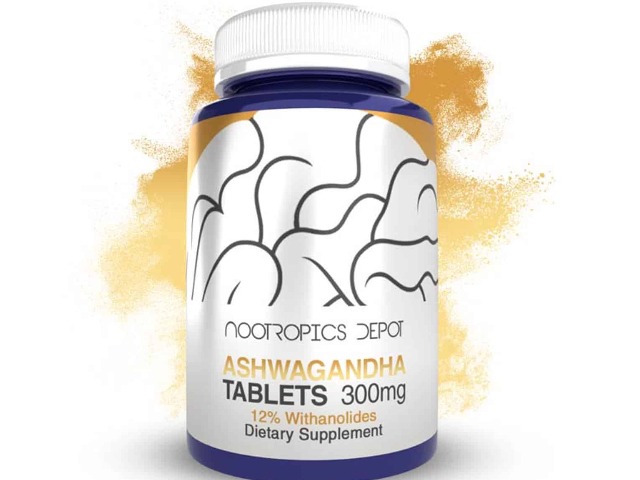
Background anxiety doesn’t just feel bad — it actively competes for prefrontal resources. The 2024 Behavioral Sciences study showed that distraction and anxiety feed each other through procrastination. Ashwagandha and Rhodiola Rosea are two adaptogens with solid evidence for reducing perceived stress, which frees up cognitive bandwidth for actual focus.
Insider Tip: I tell every client the same thing: optimize in this order — sleep, stress, blood sugar, movement, then supplements. You’d be amazed how many focus problems evaporate once the basics are handled.
Gut-Brain Communication
About 95% of your body’s serotonin is produced in the gut. Chronic gut inflammation, dysbiosis, or intestinal permeability (“leaky gut”) can disrupt neurotransmitter production in ways that manifest as brain fog and poor concentration. Prebiotic fibers, fermented foods, and targeted probiotics are foundational. If you’ve addressed the obvious lifestyle factors and still feel scattered, the gut-brain axis is worth investigating.
Step 2: Design Your Environment (Because Willpower Is a Finite Resource)
The research is clear: self-regulation works, but it works better in supportive environments. Here’s how to build one.
The Device-Free Zone Protocol
Pick one physical space — your desk, a reading chair, the dining table — and make it fully device-free during focus hours. No phone, no tablet, no smartwatch. The 2024 PLS-SEM study showed that classroom environment significantly moderated the distraction pathway. Your home environment works the same way.
Grayscale Mode
This one sounds too simple to work, but removing color from your phone screen reduces the visual salience of app icons and notifications. It makes the intermittent dopamine rewards less rewarding. Try it for a week.
Structured Focus Blocks
The Pomodoro Technique (25 minutes on, 5 minutes off) gets recommended constantly because it works. But the why matters: it works because it gives your prefrontal cortex scheduled recovery periods. That’s not a productivity hack — it’s neurological maintenance.
| Strategy | How It Works | Time to Implement | Expected Impact |
|---|---|---|---|
| Device-free zone | Removes stimuli the salience network must suppress | Immediate | High — environment moderation (β=-0.100, p=0.028) |
| Grayscale mode | Reduces visual reward salience | 30 seconds | Moderate — lowers dopaminergic pull |
| Focus blocks (25/5) | Scheduled prefrontal recovery | Immediate | High — prevents cognitive fatigue |
| App limiters (e.g., Freedom, Cold Turkey) | Blocks distracting apps during focus windows | 5 minutes setup | High — eliminates choice fatigue |
| Single-tasking rule | One browser tab, one task, one outcome | Immediate | High — removes switching costs (up to 40% productivity loss) |
| Notification audit | Disable all non-essential push notifications | 10 minutes | Moderate-High — reduces salience triggers |
Pro Tip: Do a notification audit right now. Go into your phone settings and ask yourself, for every app: “Does this notification require immediate action?” If no, turn it off. Most people eliminate 80% of their notifications and don’t miss a single one.
Build Time Management Disposition
The 2024 Behavioral Sciences study found that time management disposition moderated the distraction → procrastination → anxiety pathway (B=-0.004, p<0.05). This isn’t about rigid scheduling — it’s about building the habit of deciding what you’ll do before you sit down to do it. A simple written plan for your focus block eliminates the “what should I work on?” gap where distraction rushes in.
Step 3: Train Self-Regulation (Your Brain’s Distraction Filter)
Environment design removes external triggers. Self-regulation strengthens your internal filter. You need both.
Mindfulness Practice (10 Minutes, Not 60)
You don’t need to become a monk. A 2025 meta-analysis in Frontiers in Psychology highlighted that self-regulation strategies were among the most effective interventions for managing digital distractions during reading tasks. Even brief mindfulness practice — 10 minutes of focused breathing before a work session — primes the prefrontal cortex for sustained attention.
The mechanism is straightforward: mindfulness trains your brain to notice when attention has wandered without emotionally reacting to it. Over weeks of consistent practice, this builds the neural circuitry for faster attentional recovery.
Usage Tracking
You can’t manage what you don’t measure. Screen time tracking apps (built into iOS and Android) give you hard data on where your attention actually goes. Most people are shocked by the gap between perceived and actual usage.
The 10-Second Rule
When you feel the pull to check your phone, pause for 10 seconds. That’s it. This tiny gap engages the prefrontal cortex before the habitual response fires. It doesn’t always work, but it shifts the dynamic from automatic to intentional — and that shift compounds over time.
Reality Check: Self-regulation is trainable, but it’s not unlimited. The 2024 PLS-SEM study found that self-regulation negatively predicted distraction (p<0.05), but its effectiveness was load-dependent. Translation: on a high-stress, high-demand day, even good self-regulators need environmental support. Don’t rely on willpower alone.
Nootropics for Focus and Distraction Resistance (What Actually Works)
Once your foundations are solid and your environment is designed for focus, targeted nootropics can give you a meaningful edge. Here’s what the evidence supports.
L-Theanine + Caffeine: The Starter Stack
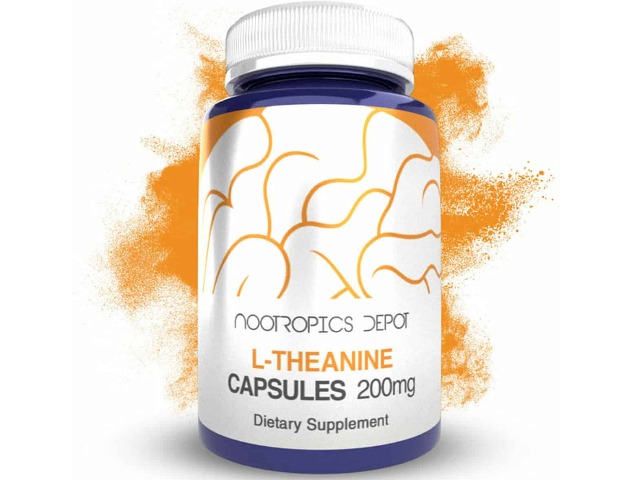
This is where I tell almost everyone to begin. L-Theanine is an amino acid from tea leaves that promotes alpha brain wave activity — the relaxed-but-alert state associated with focused work. Paired with caffeine, it smooths out the jittery edge while preserving the alertness boost.
A 2019 randomized controlled trial in Nutrients found that L-Theanine administration reduced stress-related symptoms and improved cognitive function in healthy adults. The synergy with caffeine has been documented across multiple trials, with effect sizes in the d=0.5–0.8 range for attention tasks.
Protocol: 200mg L-Theanine + 100mg caffeine (roughly one cup of coffee). Morning and early afternoon. Skip the afternoon dose if you’re sensitive to caffeine after 2pm.
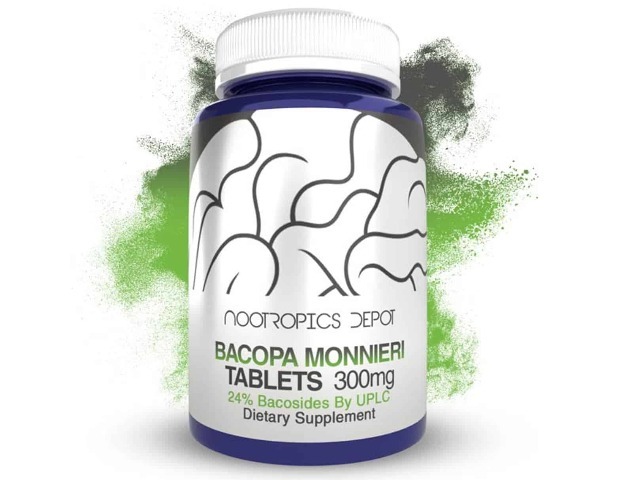
Bacopa Monnieri: The Long Game
Bacopa is the tortoise in a world of hares. It doesn’t hit fast, but over 8–12 weeks it reliably improves working memory and attention — precisely the cognitive functions that digital distraction erodes. It works through serotonergic and dopaminergic modulation, supporting the self-regulation pathways the research identifies as key.
Meta-analyses have found that 300mg/day of standardized extract (55% bacosides) produces meaningful improvements in attention and memory, with effect sizes around d=0.6 across trials with 100+ participants.
Protocol: 300mg standardized extract daily with a fat-containing meal (bacosides are fat-soluble). Commit to 12 weeks minimum before judging results.
Insider Tip: Bacopa can cause mild GI upset in some people. Start with 150mg for the first week and increase. Take it with food, always. And be patient — this is the supplement equivalent of compound interest.
Alpha-GPC and Citicoline: Fueling the Prefrontal Cortex
Your prefrontal cortex — the distraction filter — runs on acetylcholine. Alpha-GPC and Citicoline are two of the most efficient choline donors, directly supporting acetylcholine synthesis.
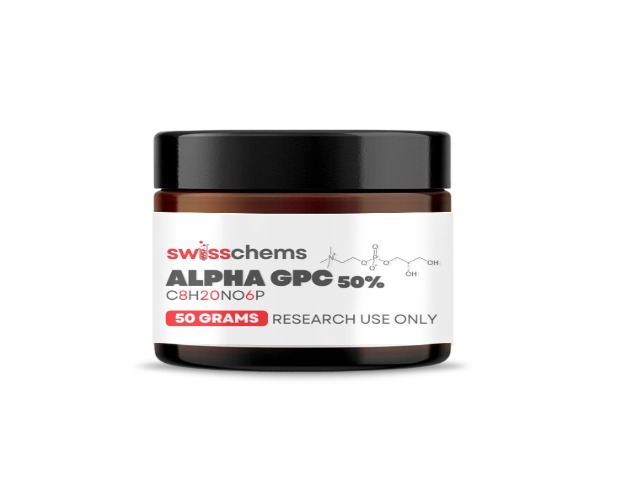
Alpha-GPC delivers choline across the blood-brain barrier efficiently, with trials showing improved focus and mental clarity at 300–600mg/day (effect sizes d=0.4–0.7). Citicoline has additional neuroprotective properties and supports phospholipid membrane integrity.
Protocol: 300mg Alpha-GPC or 250mg Citicoline in the afternoon, when prefrontal fatigue tends to set in. Don’t exceed 1200mg Alpha-GPC daily.
Rhodiola Rosea: The Anti-Fatigue Adaptogen
Mental fatigue is distraction’s best friend. When you’re cognitively depleted, the salience network wins every time. Rhodiola directly addresses this — a 2023 systematic review and meta-analysis in Phytomedicine confirmed its efficacy for reducing mental fatigue with effect sizes around d=0.5 (p<0.01) at 200–400mg/day.
Protocol: 200–400mg standardized extract (3% rosavins, 1% salidroside) in the morning. Avoid late-day dosing — it has mild stimulant properties.
Lion’s Mane: Rebuilding the Attention Hardware
Lion’s Mane takes the longest-term view of any nootropic on this list. It stimulates nerve growth factor (NGF), which supports the health and growth of neurons in the prefrontal cortex and hippocampus. A 2023 systematic review found cognitive improvements at 1–3g/day, though sample sizes remain small (N≈50, d=0.3) and more research is needed.
Think of it as maintenance for your attention infrastructure rather than an acute focus booster.
Protocol: 1–3g daily of fruiting body extract. Effects accumulate over months.
Important: None of these nootropics are substitutes for the environmental and lifestyle strategies above. They’re amplifiers, not replacements. If you’re sleeping five hours a night and drowning in notifications, no supplement will save you.
The Focus Stack: Putting It All Together
| Time | Supplement | Dose | Purpose |
|---|---|---|---|
| Morning | L-Theanine + Caffeine | 200mg + 100mg | Alert calm, sustained attention |
| Morning | Bacopa Monnieri | 300mg (with food) | Long-term working memory support |
| Morning | Rhodiola Rosea | 200–400mg | Anti-fatigue, stress resilience |
| Afternoon | Alpha-GPC or Citicoline | 300mg or 250mg | Prefrontal acetylcholine support |
| Daily | Lion’s Mane | 1–3g | NGF support, long-term neuronal health |
Cycle 5 days on, 2 days off to maintain sensitivity. Adjust based on individual response.
Who Should Be Careful (Safety, Interactions, and Contraindications)
Most of these compounds have excellent safety profiles at recommended doses. But a few flags:
- Rhodiola + stimulant medications: Rhodiola has mild stimulant properties. If you’re on ADHD medication or other stimulants, start low and monitor for overstimulation.
- Alpha-GPC + anticholinergic drugs: These work in opposite directions. Consult your doctor if you’re on anticholinergics.
- Bacopa + thyroid medications: Bacopa may influence thyroid hormone levels. If you’re on thyroid meds, get medical guidance first.
- Under 18, pregnant, or nursing: Skip the nootropic stack entirely. Focus on lifestyle and environmental interventions.
- Existing low blood pressure: Rhodiola can lower BP in some people. Monitor if this applies to you.
Important: If you’re currently taking prescription medications for focus or mental health, talk to your healthcare provider before adding any nootropic. These compounds are generally safe in isolation, but drug-supplement interactions are real and individual.
My Take
Here’s what years of working with clients and experimenting on myself have taught me about digital distraction: the people who solve it never rely on one thing.
The ones who white-knuckle their way through focus blocks without changing their environment burn out. The ones who take nootropics but sleep five hours still can’t concentrate. And the ones who redesign their whole life around focus but skip the internal work — the mindfulness, the self-regulation training — find that the distraction just moves to a new medium.
The magic — if there is any — is in the stack. Not just the supplement stack, but the strategy stack: environment design + self-regulation training + foundational health + targeted nootropics. Each layer makes the others more effective.
If I had to pick one place to start, it would be the notification audit and device-free zone. Zero cost, five minutes, immediate impact. Then layer in the L-Theanine + caffeine combo. Then build from there.
You don’t need to overhaul your entire life by Thursday. You just need to stop blaming yourself for a problem that’s engineered into the technology — and start building systems that work with your neurology instead of against it.