When I was a kid in the ’80s, my mom packed granola in my lunchbox like it was a health sacrament. Wholesome. Natural. Basically a vitamin in crunchy form. Fast forward to my training as a Functional Nutritional Therapy Practitioner, and I discovered that most commercial granola has roughly the same sugar content as a candy bar — sometimes more. That was a fun day.
But here’s where it gets interesting. The latest research (2022–2025) shows that granola isn’t simply “good” or “bad.” The right formulation — specifically one rich in beta-glucan fiber — can measurably improve insulin sensitivity in just three days and reshape your gut microbiome over eight weeks. The wrong formulation? It’s dessert cosplaying as breakfast.
The Short Version: Most commercial granola is a sugar-laden metabolic disaster. But beta-glucan-rich granola (3.2+ grams per serving) can improve blood sugar regulation, increase beneficial gut bacteria, and even reduce stress and insomnia — if you know what to look for. Below, I break down the science and show you exactly how to choose.
The Granola Paradox (Why “Health Food” Needs Quotation Marks)
Walk down the cereal aisle and you’ll see granola packaged in earth tones with words like “natural,” “wholesome,” and “ancient grains.” The branding screams health. The nutrition label tells a different story.
A typical serving of commercial granola packs 12–16 grams of added sugar. That’s in the same ballpark as a Snickers bar. Combine that with processed vegetable oils — usually canola or soybean — and you’ve got a food that drives inflammation and blood sugar instability before you’ve even left the house.
Reality Check: The granola that “health-conscious” consumers buy at the store is almost never the granola used in clinical research. The studies showing real benefits used specifically formulated products with controlled beta-glucan content and prebiotic diversity. Keep that distinction in mind as we go.
But the ingredient list isn’t the whole picture. The emerging science reveals granola as something far more interesting than a carbohydrate delivery vehicle — it’s a microbiota-modulating food with measurable effects on mood, stress, and sleep. The catch? Only if the formulation is right.
Beta-Glucan: The Ingredient That Actually Matters
Let’s talk about the compound that separates therapeutic granola from glorified cookies: beta-glucan.
Beta-glucan is a soluble fiber found naturally in oats and barley. It forms a gel-like substance in your digestive tract that slows glucose absorption — essentially putting a speed limit on how fast sugar hits your bloodstream. This isn’t theoretical. A 2022 crossover study in Frontiers in Nutrition tested three doses of cereal beta-glucan (0.8 g, 3.2 g, and 6.6 g) in 14 healthy adults and found something remarkable.
After just three days of consuming granola with 3.2 grams of beta-glucan:
- The Matsuda insulin sensitivity index improved by 66.8% (p = 0.016)
- Fasting glucose decreased significantly with the higher dose (6.6 g)
- Fasting peptide YY (PYY) — a satiety hormone — increased in a dose-responsive pattern
Here’s the kicker: the high dose (6.6 g) didn’t produce proportionally better results than the medium dose (3.2 g). There appears to be a saturation point around 3.2 grams. More fiber isn’t always better — a theme that shows up repeatedly in nutrition science.
| Beta-Glucan Dose | Insulin Sensitivity Change | Fasting Glucose | PYY (Satiety) |
|---|---|---|---|
| 0.8 g (low) | Minimal improvement | No significant change | Slight increase |
| 3.2 g (medium) | +66.8% improvement | Moderate decrease | Significant increase |
| 6.6 g (high) | +29.2% improvement | Significant decrease | Significant increase |
For context, most commercial granolas deliver less than 1 gram of beta-glucan per serving. You’d need to specifically seek out oat-heavy formulations — or make your own — to hit that 3.2 g threshold.
Pro Tip: If you’re using granola to support blood sugar stability, pair it with 200 ml of low-fat milk. The 2022 study used this combination, and the protein-fat matrix appears to enhance beta-glucan’s bioavailability. This also complements other blood-sugar-supporting compounds like berberine and chromium.
Your Gut on Granola (The Microbiome Connection Nobody’s Talking About)
This is where the science gets genuinely exciting — and where granola stops being “just a breakfast food” and enters nootropic territory.
A 2024 study published in Nutrients followed 99 participants through an 8-week intervention with personalized granola (BodyGranola®, formulated by Calbee, Inc.). The granola contained multiple prebiotic ingredients — inulin, fructooligosaccharides (FOS), and resistant starch — tailored to individual microbiota profiles.
The results were striking:
- Bifidobacterium abundance increased significantly across all microbiota types
- Mood improved — Profile of Mood States (POMS2) vigor-activity scores went up while total mood disturbance decreased
- Increased Bifidobacterium correlated with reduced stress (r = −0.39, p = 0.0035) and reduced insomnia (r = −0.3, p = 0.026)
The mechanism? Granola’s prebiotic fibers feed beneficial bacteria that produce short-chain fatty acids (SCFAs) — particularly acetic acid and caproic acid. These SCFAs cross the blood-brain barrier and modulate GABAergic signaling and neuroinflammation. In plain English: feeding the right gut bugs with the right fiber creates compounds that calm your brain.
This is the same gut-brain axis pathway that makes Bacopa monnieri and L-theanine effective for stress and focus. Granola isn’t replacing those compounds — but it’s working through complementary channels.
Insider Tip: The 2024–2025 studies found that different microbiota types respond on different timelines. Some participants saw mood improvements at week 4, others not until week 8. If you’re experimenting with prebiotic-rich granola, give it a full 8 weeks before deciding it’s not working. Gut remodeling isn’t fast — but the research says it’s real.
The Microbiota-Type Factor
One of the most interesting findings from the 2024 research is that your baseline gut composition determines how you respond to granola. The study categorized participants by microbiota type and found distinct response patterns:
| Microbiota Type | Vigor Improvement | Stress/Mood Improvement | Timeline |
|---|---|---|---|
| BaBiBl | Week 4 | Insomnia improved by week 8 | Early responder |
| BaFBl | Week 8 | Gradual | Slow responder |
| BaBiF | Week 4 | Anger-hostility improved | Early responder (mood-specific) |
This is personalized nutrition in action. It also explains why your friend swears by their morning granola while you felt nothing — your gut bacteria may simply process it differently.
Microbiota testing via 16S rRNA sequencing (roughly $100–300 from services like Viome or Thryve) can help predict your response. It’s not mainstream yet, but it’s where nutrition science is heading.
The Sugar Problem (And Why Most Granola Fails)
Let’s be direct: the majority of granola on store shelves will spike your blood sugar, feed pathogenic gut bacteria, and promote the exact inflammation you’re trying to avoid.
Here’s what to watch for:
Added Sugars
Honey, maple syrup, brown rice syrup, agave — they’re all sugar. Natural? Sure. But your pancreas doesn’t care about the marketing. A granola with 14 grams of added sugar per serving is metabolically equivalent to a cookie, regardless of whether the sweetener came from bees or trees.
Processed Vegetable Oils
Canola oil, soybean oil, sunflower oil — these are standard in commercial granola and are high in omega-6 fatty acids. In the context of an already omega-6-heavy Western diet, excess consumption drives inflammatory pathways that work against everything you’re trying to accomplish with anti-inflammatory compounds and adaptogens like ashwagandha.
Dried Fruit with Sulfites
Dried cranberries, mango, and pineapple often contain added sugar AND sulfite preservatives. Sulfites can trigger reactions in sensitive individuals and don’t do your gut microbiome any favors.
Important: If you’re taking granola seriously as a functional food, you need to read labels like a detective. The front of the package means nothing. Flip it over. Look for: beta-glucan content (or at minimum, whole oats as the first ingredient), less than 6 grams of added sugar per serving, and no processed seed oils.
How to Build a Granola That Actually Works (Without Wasting Your Money)
Based on the clinical evidence, here’s what a therapeutic granola protocol looks like:
The Evidence-Based Formula
- Base: Whole rolled oats (target 3.2 g beta-glucan per 50 g serving)
- Prebiotic boost: Add inulin powder (2–3 g), ground flaxseed, or resistant starch
- Healthy fats: Raw nuts (walnuts, almonds) and seeds (pumpkin, hemp)
- Binder: Coconut oil or extra virgin olive oil — not canola
- Sweetener: Minimal — 1 tsp honey per batch, or none
- Daily dose: 50 grams, consumed consistently for at least 8 weeks
- Timing: Morning or evening — both have been studied
The Nootropic Stack Approach
The 2024–2025 research suggests granola pairs particularly well with specific compounds for sleep and mood:
| Stack Component | Role | Mechanism |
|---|---|---|
| Beta-glucan granola (50 g) | Prebiotic base | Increases Bifidobacterium, SCFA production |
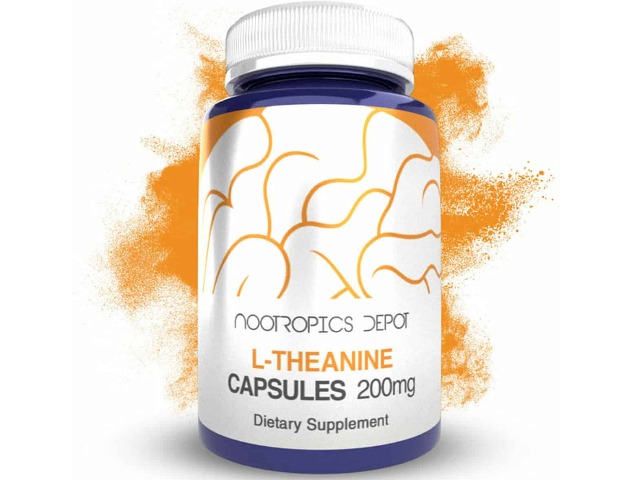
| L-Theanine (200 mg) | Calming agent | Increases alpha brain waves, GABA modulation |
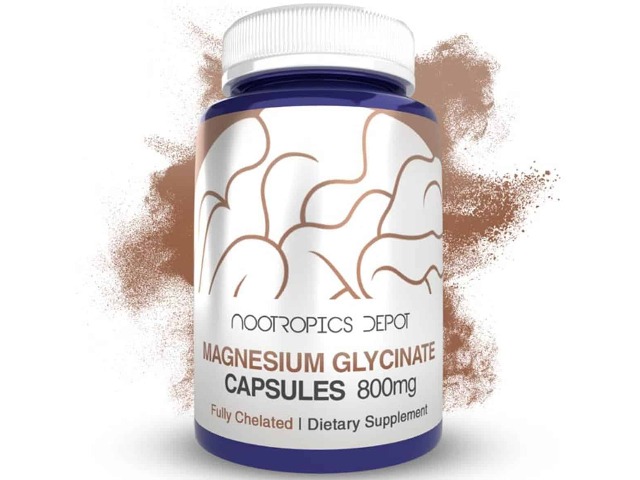
| Magnesium glycinate (400 mg) | Sleep support | GABA cofactor, supports SCFA absorption |
| Bacopa monnieri (300 mg) | Stress resilience | Anxiolytic, complementary GABA pathway |
This isn’t a random supplement pile. Each component targets a distinct node in the gut-brain axis, and the evidence supports their combined use — granola for microbiota remodeling, L-theanine for acute calm, magnesium for sleep architecture, and Bacopa for long-term stress adaptation.
Ramp-Up Protocol (Avoid the Bloating)
The 2024 study reported that bloating and gas worsened in most participants during the first 1–2 weeks. This is a normal die-off and fermentation response as your microbiome adjusts. Here’s how to minimize it:
- Week 1: Start with 25 g daily
- Week 2: Increase to 50 g daily
- Hydration: 2–3 liters of water daily throughout the protocol
- If symptoms persist past week 3: Consider a low-FODMAP approach or consult a practitioner
Who Should Think Twice
Granola isn’t right for everyone. Be cautious if you fall into these categories:
- IBS-D (diarrhea-predominant IBS): The increased stool volume documented in the 2024 study could worsen symptoms
- FODMAP sensitivity: Granola contains fermentable carbohydrates — oats, dried fruit, and added prebiotics are all potential triggers
- Severe gut dysbiosis: Rapid microbiota shifts can cause die-off reactions; consider probiotic support and gradual introduction
- Metformin users: Beta-glucan may enhance glucose-lowering effects — monitor blood sugar closely and talk to your doctor
- Post-antibiotic: Antibiotics disrupt the microbiota remodeling that makes granola effective; wait at least 2 weeks after completing a course
Reality Check: The clinical evidence for granola’s cognitive and mood benefits comes from small studies (14–99 participants) without active control groups. The glycemic data is strong but short-term (3 days). The microbiome data is promising but needs RCTs with placebo comparisons. I’m genuinely excited about this research direction — but I’m not going to oversell it. We’re in “compelling preliminary evidence” territory, not “proven beyond doubt.”
What the Research Still Doesn’t Tell Us
I want to be transparent about the gaps:
- No studies longer than 8 weeks — we don’t know if benefits persist, plateau, or reverse
- No direct cognitive testing — mood and stress were measured, but not working memory, attention, or reaction time
- No placebo-controlled RCTs from 2023–2025 — all recent studies are single-arm or crossover designs
- The “which SCFA” question — butyrate, propionate, and acetate all have different brain effects, and we don’t yet know which one drives the mood improvements
- No US-market personalized granola — BodyGranola® (used in all clinical trials) is Japan-exclusive as of February 2026
These gaps matter. They’re also exactly the kind of questions that get answered in the next 2–3 years as precision nutrition goes mainstream. For now, the practical takeaway is clear: beta-glucan-rich, low-sugar granola is a smart dietary choice with solid metabolic evidence and genuinely promising neurological data.
My Take
I’ll be honest — I started researching this article expecting to write a straightforward takedown of granola as overhyped health food. The sugar content of most commercial products deserves every bit of criticism it gets. But the beta-glucan and microbiome research changed my mind.
The idea that a simple breakfast food can measurably increase Bifidobacterium, produce brain-active short-chain fatty acids, and correlate with reduced stress (r = −0.39) after just 8 weeks — that’s not nothing. It’s not a miracle food, and I wouldn’t recommend it over foundational supplements for someone who’s just starting their optimization journey. Fix your sleep, manage your stress, support your gut with quality probiotics first.
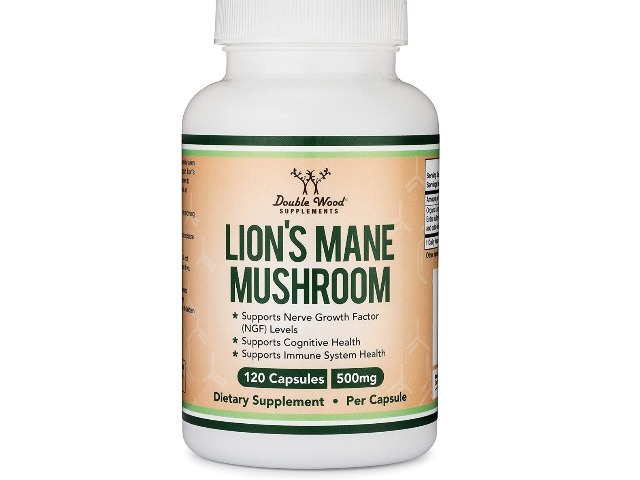
But if your foundations are solid and you’re looking for a dietary lever to support your gut-brain axis? A properly formulated granola — homemade or carefully selected — belongs in the conversation alongside Lion’s Mane for neuroplasticity and Rhodiola for stress resilience. It’s food as functional medicine, which is exactly where nutrition science should be heading.
Just stop buying the stuff with 14 grams of sugar and canola oil. Please.