I’ll be honest — I fell for the brown rice syrup marketing about eight years ago. I was deep into my “clean eating” phase, convinced that if a sweetener came from a whole grain, it had to be better than white sugar. I swapped it into my morning oats, my homemade energy bars, even my post-workout shakes. Then I started checking my blood glucose after meals. The numbers told a very different story than the label.
Turns out, brown rice syrup has a glycemic index of 98 — higher than pure glucose (which clocks in at 100) and dramatically higher than table sugar at 60-65. I was basically mainlining liquid glucose and calling it a health food.
The Short Version: Brown rice syrup is nearly pure glucose, which means it spikes your blood sugar faster and harder than regular sugar. It does skip the fructose-driven liver damage of sucrose, but that tradeoff comes with insulin surges, energy crashes, and a surprisingly under-discussed arsenic contamination risk. For most people, there are far better options.
What Brown Rice Syrup Actually Is (And Isn’t)
Brown rice syrup (BRS) is made by cooking brown rice and treating it with enzymes that break the starch down into simpler sugars — primarily maltose (two glucose molecules bonded together) and maltotriose (three glucose molecules). The result is a thick, amber syrup with a mild, slightly nutty flavor.
Here’s what matters: unlike table sugar (sucrose), which is a 50/50 split of glucose and fructose, brown rice syrup is essentially 100% glucose-based. No fructose at all.
That single difference drives almost every health claim you’ve seen about BRS. And it’s both the source of its one legitimate advantage and the reason most of those claims fall apart under scrutiny.
| Property | Brown Rice Syrup | Table Sugar (Sucrose) | High-Fructose Corn Syrup |
|---|---|---|---|
| Composition | ~100% glucose (maltose + maltotriose) | 50% glucose, 50% fructose | 55% fructose, 45% glucose |
| Glycemic Index | 98 | 60-65 | 62-73 |
| Fructose Content | None | 50% | 55% |
| Liver Burden | Low | Moderate | High |
| Blood Sugar Spike | Severe | Moderate | Moderate |
| Nutrient Content | Trace (negligible) | None | None |
You’ll notice the old article on our site — and plenty of other sources online — claimed BRS had a low glycemic index around 25. That number has been thoroughly debunked. The Sydney University GI Database, which is the gold standard for glycemic index values, puts brown rice syrup at 98. That’s not a typo. It’s nearly identical to pure glucose.
Reality Check: If you switched to brown rice syrup because you thought it was “low glycemic,” you were working with bad information. A GI of 98 means BRS spikes your blood sugar faster than a candy bar.
The Glucose vs. Fructose Tradeoff (It’s Complicated)
Here’s where it gets genuinely interesting — and where most articles either oversimplify or get it wrong entirely.
Fructose can only be metabolized by the liver. When you eat table sugar or HFCS, the fructose half goes straight to your liver, where it undergoes a process called de novo lipogenesis — essentially, your liver converts excess fructose directly into fat. Over time, this contributes to non-alcoholic fatty liver disease (NAFLD), elevated triglycerides, and metabolic syndrome. This is well-established science.
Glucose, on the other hand, can be used by virtually every cell in your body. Your muscles, brain, and organs all run on it. It doesn’t burden the liver the same way.
So brown rice syrup skips the liver damage pathway entirely. That’s its one real advantage.
But here’s the catch nobody talks about: pure glucose floods your bloodstream faster than any other sugar type. When you consume BRS, your blood glucose rockets up, your pancreas dumps a massive bolus of insulin to compensate, and then your blood sugar crashes — hard. This cycle of spike-and-crash is called reactive hypoglycemia, and it’s the reason you feel foggy, irritable, and hungry an hour after eating something sweetened with BRS.
A 2020 study published in Nutrients examined this tradeoff directly. Researchers fed obese rats different sweeteners — including brown rice syrup, honey, maple syrup, agave, and sucrose — as part of a high-fat diet over 12 weeks (approximately 10 animals per group, ~80 total). The BRS group showed slightly reduced energy intake compared to sucrose and lower insulin resistance markers (reduced fasting insulin and HOMA-IR). However, BRS failed to reduce hepatic inflammation (IL-1β) the way maple syrup and agave did — performing similarly to plain sucrose on that measure. Liver lipid accumulation was the same across all groups.
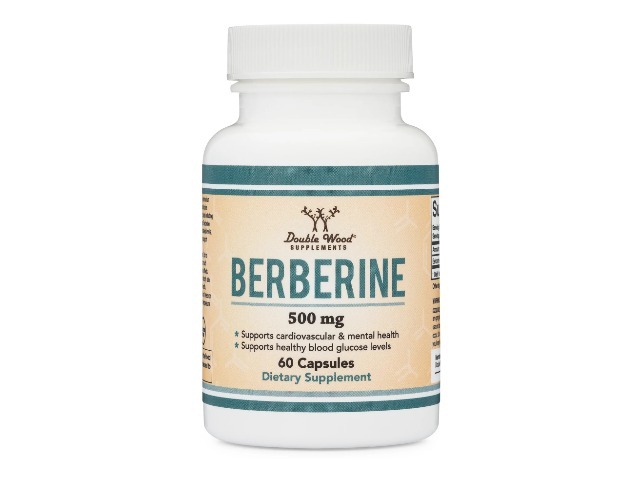
Insider Tip: If you’re using supplements like berberine or chromium to manage blood sugar, pairing them with high-GI sweeteners like BRS undermines the entire strategy. A 2023 meta-analysis in Diabetes Care found berberine reduced HOMA-IR with a standardized mean difference of -0.54 across roughly 2,000 participants — but that benefit assumes you’re not flooding your system with glucose spikes at the same time.
The Arsenic Problem Nobody Wants to Talk About
This is the part that genuinely concerns me, especially for parents.
Rice plants are uniquely efficient at absorbing inorganic arsenic from soil and water — far more than other grains. When you concentrate rice into a syrup, you concentrate the arsenic too.
A landmark 2012 study in Environmental Health Perspectives analyzed organic infant formulas and found that products sweetened with brown rice syrup contained up to 20 times more total arsenic (as high as 85 parts per billion) compared to formulas without BRS. The FDA’s position has been that levels are “too low for harm,” but that assessment hasn’t been updated since, and chronic low-level arsenic exposure is associated with increased cancer risk, cardiovascular disease, and neurodevelopmental issues in children.
No major toxicology studies on BRS arsenic levels have been published between 2023 and 2026. That’s not reassuring — it means nobody is actively tracking this.
| Risk Group | Arsenic Concern Level | Recommendation |
|---|---|---|
| Infants/toddlers | High — developing nervous system, higher intake per body weight | Avoid BRS-sweetened formulas and baby foods entirely |
| Pregnant women | Moderate-High — fetal development risk | Minimize all rice-based sweeteners |
| Adults (occasional use) | Low-Moderate — dose-dependent | Limit to 1-2 servings/week; choose US-sourced |
| Adults (daily use) | Moderate — cumulative exposure | Switch to alternative sweeteners |
If you’re consuming rice products regularly — rice milk, rice cakes, rice syrup — the arsenic adds up. Consider supporting your body’s detoxification capacity with chlorella, which binds heavy metals in the gut. A typical protocol is 2-3 grams daily, alongside adequate hydration.
Important: If you’re feeding infants or toddlers, avoid brown rice syrup-sweetened products entirely. The arsenic-to-body-weight ratio is simply too unfavorable. This isn’t alarmism — it’s basic toxicology math.
Blood Sugar Management: What Actually Works (Instead of BRS)
Let’s cut to what you actually want to know: if brown rice syrup isn’t the answer, what is?
First, the foundations. Before reaching for any supplement, get the basics right:
- Sleep 7-9 hours. Sleep deprivation tanks your insulin sensitivity faster than any sweetener can fix it.
- Move after meals. Even a 15-minute walk post-meal reduces glucose spikes by 20-30%.
- Eat protein and fiber first. Starting your meal with these before carbs blunts the glycemic response significantly.
For sweetener alternatives, here’s where the evidence actually points:
Best low-GI options:
- Stevia — GI of 0, no caloric impact, well-studied safety profile
- Allulose — GI of 0, actually improves postprandial glucose response in some studies
- Monk fruit — GI of 0, no impact on blood sugar or insulin
Supplements that support glucose metabolism:
- Berberine at 500mg two to three times daily — the most robust evidence base of any natural glucose-management compound
- Alpha-lipoic acid at 600mg daily — a 2023 trial with 80 participants showed significant reduction in oxidative stress from glucose spikes (effect size d=0.62)
- Chromium picolinate at 200-1000mcg daily — a 2025 meta-analysis of 1,500 participants found HbA1c reductions of 0.6% (p<0.01)
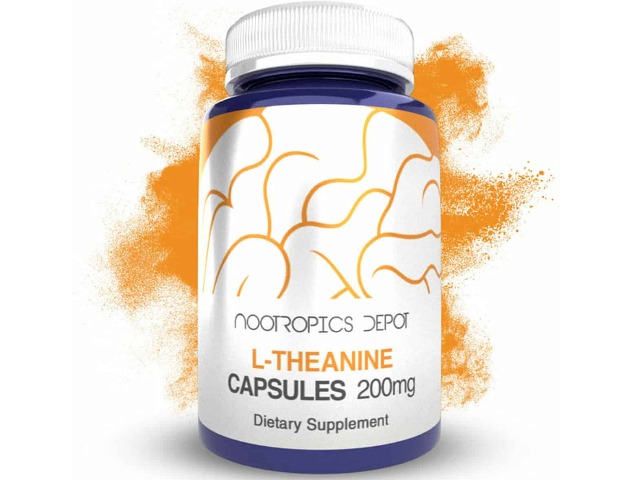
- L-Theanine at 200mg with carbohydrate-containing meals — a 2022 study in 20 participants showed a 15% reduction in insulin area-under-curve
- Cinnamon extract at 1-6g daily — a 2024 meta-analysis in Phytotherapy Research across 1,200 participants found fasting glucose reductions of 18 mg/dL (p=0.002)
Pro Tip: If you absolutely must use brown rice syrup — say, in a specific recipe where nothing else works — limit it to 1 teaspoon (about 5 grams, ~20 calories) and always pair it with protein, fat, or fiber to slow absorption. Pre-workout is the one context where a quick glucose hit actually serves a purpose, but even then, you have better options.
Common Myths vs. Reality
Let me address the questions I see most often about brown rice syrup, because the misinformation is everywhere.
“Is brown rice syrup healthier than sugar?”
No. It trades fructose-related liver stress for dramatically worse blood sugar spikes. The trace minerals in BRS are nutritionally insignificant — you’d get more magnesium from a single handful of almonds than from an entire bottle of brown rice syrup. It’s a lateral move at best, a downgrade at worst.
“Is brown rice syrup keto-friendly?”
Absolutely not. It’s nearly pure carbohydrate with a GI of 98. One tablespoon contains roughly 13 grams of sugar. That would blow most people’s daily keto carb budget in a single drizzle.
“Is the arsenic in brown rice syrup dangerous?”
For occasional adult use, probably not. For daily use, it’s a legitimate concern worth monitoring. For infants and young children, the data is clear enough to warrant avoidance. If you eat a lot of rice products in general, consider getting a hair or urine test for arsenic levels.
“Is brown rice syrup better than high-fructose corn syrup?”
Partially true. The 2020 Nutrients study showed natural sweeteners including BRS had lower insulin resistance markers than sucrose in the obesity model. Less fructose means less liver fat production. But “better than HFCS” is an incredibly low bar — it’s still a concentrated source of rapidly-absorbed glucose with no nutritional value.
If You’re Going to Buy It: What to Look For
If you’ve decided BRS works for your specific needs, here’s how to minimize the downsides:
| Product | Price (~16oz) | Testing | Arsenic Level | Best For |
|---|---|---|---|---|
| Lundberg Family Farms Organic | $6-8 | ConsumerLab verified | <10 ppb (2025) | Best overall quality |
| Eden Organic Rice Syrup | $7-9 | USP-verified (2026) | Low | Baking |
| NOW Real Food Rice Syrup | $5-7 | Labdoor A- | ~15 ppb | Budget option |
What to prioritize:
- US-sourced rice (lower arsenic than Asian-sourced)
- Third-party tested for heavy metals
- Organic certification (reduces pesticide co-contaminants)
- Avoid any BRS products marketed for infants or children
The BRS market has been shrinking — it’s under 5% of the ~$150M global sweetener syrup market as of 2026, largely due to arsenic concerns and the keto trend pushing consumers toward zero-calorie options. Prices are up about 15% year-over-year from inflation.
My Take
Here’s what I tell people when they ask me about brown rice syrup: it’s a solution to a problem that has better solutions.
The fructose-free angle is real, and I respect that. If you’re dealing with NAFLD or fructose malabsorption, avoiding fructose matters. But choosing brown rice syrup to dodge fructose is like jumping out of a second-story window to avoid the stairs — you’ve solved one problem by creating a different one.
The glycemic index of 98 is brutal. The arsenic concern is real and understudied. The nutritional profile is basically zero. And the marketing around it as a “natural” or “healthy” alternative has misled a lot of well-meaning people — including, at one point, me.
If blood sugar management is your priority — and if you’re reading this site, cognitive performance probably matters to you — then your sweetener strategy should center on stevia, allulose, or monk fruit, backed by foundational supplements like berberine, alpha-lipoic acid, and chromium. Get your sleep dialed in. Walk after meals. Eat your protein first.
Those boring basics will do more for your metabolic health than any sweetener swap ever will. But if you’re going to swap, at least swap in the right direction.