I spent years tracking every nootropic under the sun — cycling racetams, tweaking choline ratios, experimenting with adaptogen stacks — before I realized I was ignoring the single cheapest biomarker that predicted whether any of it would actually work on a given day. That biomarker was my heart rate variability. On mornings when my HRV tanked, no amount of Alpha-GPC or Lion’s Mane could rescue my focus. On mornings when it was high, even a simple cup of coffee felt like a cognitive upgrade. If you’ve been chasing mental performance through supplements alone and wondering why results are inconsistent, HRV might be the missing variable you’re not measuring.
The Short Version: Heart rate variability (HRV) reflects your autonomic nervous system’s flexibility — and research consistently links higher HRV to better executive function, working memory, and attention. While the relationship is mostly correlational, practical tools like biofeedback breathing, exercise, and targeted supplements such as Ashwagandha and L-Theanine can meaningfully improve both HRV and cognitive resilience.
What Heart Rate Variability Actually Is (And Why Your Brain Cares)
Your heart isn’t a metronome. The time between each beat fluctuates constantly — sometimes by 50 milliseconds or more — and those fluctuations are the signal, not the noise.
Heart rate variability measures these beat-to-beat timing differences, and it reflects the tug-of-war between two branches of your autonomic nervous system (ANS). The sympathetic branch accelerates your heart when you’re stressed, threatened, or exercising. The parasympathetic branch — primarily through the vagus nerve — slows it down for recovery, digestion, and calm focus. High HRV means both branches are responsive and flexible. Low HRV means your system is stuck — usually stuck in sympathetic overdrive.
Here’s why this matters for your brain: the same vagal pathways that modulate your heartbeat also directly influence your prefrontal cortex, the brain region responsible for attention, decision-making, and impulse control. This isn’t speculation — it’s the foundation of the neurovisceral integration model, first proposed by Thayer and Lane, which demonstrates that cardiac vagal tone and cognitive control share overlapping neural circuitry (Thayer & Lane, Neuroscience & Biobehavioral Reviews, 2009).
Insider Tip: When your HRV is low, it’s not just that your body is stressed — your prefrontal cortex is literally less able to override your amygdala’s fear and distraction signals. That brain fog you feel after a terrible night’s sleep? That’s low HRV in action.
In practical terms, your HRV number tells you how well your nervous system can adapt. High adaptability means sharper thinking. Low adaptability means cognitive rigidity — the mental equivalent of trying to drive with the parking brake on.
The Key HRV Metrics (Not All Numbers Are Equal)
If you’ve looked at an HRV readout and felt confused, you’re not alone. There are multiple metrics, and they measure different things. Here’s what actually matters for cognitive performance.
| Metric | What It Measures | Cognitive Relevance |
|---|---|---|
| RMSSD | Beat-to-beat variation (time domain) | Best single marker for vagal tone and daily readiness |
| HF-HRV (High Frequency) | Parasympathetic/vagal activity (frequency domain) | Predicts executive function, inhibition, attention |
| LF-HRV (Low Frequency) | Mixed sympathetic + parasympathetic | Associated with memory and language processing |
| LF/HF Ratio | Sympathetic-parasympathetic balance | Outdated as a standalone metric — context matters |
A 2019 systematic review in Frontiers in Neuroscience examining over 20 studies found that HF-HRV was the strongest predictor of executive function, while LF-HRV correlated more with memory and language tasks. The review noted consistent effect sizes of r = 0.2–0.4 after controlling for age and blood pressure — modest but meaningful (Forte et al., 2019).
The takeaway: if you’re tracking HRV for brain performance, RMSSD is your daily dashboard metric (most wearables report it), while HF-HRV gives you the deeper picture of your vagal tone and cognitive readiness.
What the Research Actually Shows (The Honest Version)
Let me be straight with you — the HRV-cognition literature is promising but imperfect. Most of the evidence is correlational, the few RCTs are small, and there’s a real gap in large-scale 2023–2026 studies. Here’s what we know, what we don’t, and where the hype outpaces the science.
The Correlational Foundation
The most comprehensive review to date — a 2019 systematic review covering 20+ studies with sample sizes ranging from 20 to 500+ participants — found that higher resting HRV consistently predicted better performance across three cognitive domains (Frontiers in Neuroscience, Forte et al., 2019):
- Attention: 4 out of 5 studies showed high-HRV groups outperformed low-HRV groups. One well-designed study (Hansen et al., 2003) found that participants with above-median HRV scored significantly higher on n-back working memory accuracy.
- Executive function: A longitudinal study (Mahinrad et al., 2016) followed participants over 3.2 years and found that low HRV predicted processing speed decline (β = -0.15, p < 0.01).
- Memory: Multiple studies linked reduced HRV to poorer recall, though effect sizes were smaller.
A 2021 study in PLOS ONE added that reduced phasic HRV (the moment-to-moment fluctuations during tasks) correlated with cognitive decline regardless of age or sex — suggesting HRV isn’t just a concern for older adults.
Reality Check: These are correlations. People with higher HRV tend to think more clearly, but we can’t say definitively that raising HRV causes better cognition. The relationship is likely bidirectional — better health leads to both higher HRV and better cognition. Some large studies, like the Whitehall II cohort, found no significant HRV-cognition link at all.
The Biofeedback Causality Test
The strongest attempt at establishing causality comes from a 2022 randomized controlled trial in Frontiers in Psychology (N = 165, both younger and older adults). Participants did 5 weeks of daily breathing biofeedback designed to boost HRV oscillations.
The results? Mixed. Overall, the biofeedback group showed no statistically significant improvements in inhibition, working memory, or processing speed compared to controls. However — and this is the interesting part — participants whose heart rate oscillation amplitude increased the most during sessions also showed the greatest improvement in Flanker task inhibition performance (p < 0.05).
Translation: the protocol didn’t universally boost cognition, but the people whose HRV actually responded to the training did see executive function gains. This suggests the mechanism is real, but the dose/duration may need to be much higher than five weeks.
Why Low HRV Wrecks Your Thinking (The Mechanism)
Understanding the why behind the HRV-cognition link helps you take it seriously — and intervene strategically.
When your HRV is low, it signals that your vagus nerve isn’t doing its job as a brake pedal on your stress response. Without that brake, your sympathetic nervous system runs unchecked. Here’s the cascade:
- Prefrontal cortex suppression. Your PFC — the brain’s CEO — requires parasympathetic support to maintain executive control. Low vagal tone means your PFC can’t effectively inhibit your amygdala, the brain’s alarm system.
- Attentional narrowing. Sympathetic dominance keeps you locked into threat-detection mode. Great for escaping predators, terrible for creative problem-solving or sustained deep work.
- Working memory degradation. The same prefrontal networks that depend on vagal input also manage your working memory buffer. When they’re offline, you lose the ability to hold and manipulate complex information.
- Emotional reactivity. Low HRV correlates with heightened emotional responses to minor stressors — which further drains cognitive resources through rumination and anxiety.
This is why people with low HRV often report that they “can’t think straight” under pressure. It’s not a willpower problem — it’s a neurophysiological one.
Pro Tip: If you frequently experience “brain fog” during stressful periods, check your morning HRV before reaching for another nootropic. An RMSSD below 20ms is a red flag that your autonomic nervous system needs intervention before any supplement will work optimally.
Actionable Protocols: How to Actually Raise Your HRV (And Your Cognitive Game)
Here’s where theory becomes practice. These interventions are ranked by evidence strength and accessibility.
1. Resonance Frequency Breathing (Strongest Evidence)
This is the single most reliable way to acutely raise HRV, and it’s free.
The protocol:
- Breathe at 4–7 breaths per minute (inhale 4 seconds, exhale 6 seconds is a good starting point)
- Practice for 5–10 minutes daily, ideally in the morning
- Use an app like Elite HRV or HeartMath for real-time feedback
- Target your personal resonance frequency — the breathing rate that maximizes HRV oscillations (usually around 5.5–6 breaths/min for most people)
Expected results: 10–20% improvement in RMSSD over 4–8 weeks of consistent practice. The 2022 RCT showed that session-level HRV oscillation gains predicted cognitive improvement, so tracking your response matters.
2. Aerobic Exercise
A 5-month aqua aerobics intervention showed both increased HRV and improved Stroop task performance (a measure of inhibition and processing speed), with a correlation of r = 0.3 between HRV gains and cognitive improvement. Other research supports 150+ minutes of moderate aerobic exercise per week for meaningful HRV elevation.
3. Sleep Optimization
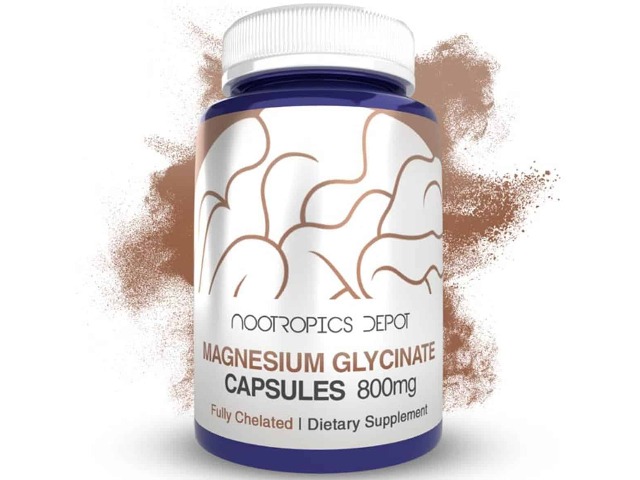
This should be non-negotiable. HRV drops dramatically with sleep deprivation — even one bad night can slash your RMSSD by 30–50%. Prioritize 7–9 hours and consistent sleep/wake times. Magnesium Glycinate (300–400mg before bed) supports both sleep quality and parasympathetic tone.
4. Cold Exposure
Brief cold exposure (cold showers, cold plunges) acutely activates the vagus nerve and can raise HRV. Start with 30 seconds of cold water at the end of a shower and build to 2–3 minutes. Evidence is emerging but mechanistically sound.
| Protocol | Evidence Level | Time to Effect | Difficulty |
|---|---|---|---|
| Resonance breathing | Strong (RCT) | 1–2 weeks acute, 4–8 weeks sustained | Easy |
| Aerobic exercise | Strong (multiple studies) | 4–12 weeks | Moderate |
| Sleep optimization | Strong (mechanistic + observational) | Immediate | Varies |
| Cold exposure | Emerging | Acute | Moderate |
| Supplements | Moderate (see below) | 2–8 weeks | Easy |
Supplements That Support HRV and Cognitive Performance
Let me be upfront: supplements are layer four or five in this hierarchy, not layer one. If your sleep is wrecked, you’re sedentary, and you’re chronically stressed, no pill fixes that. But if your foundations are solid and you want to optimize further, these have evidence for supporting both HRV and cognition.
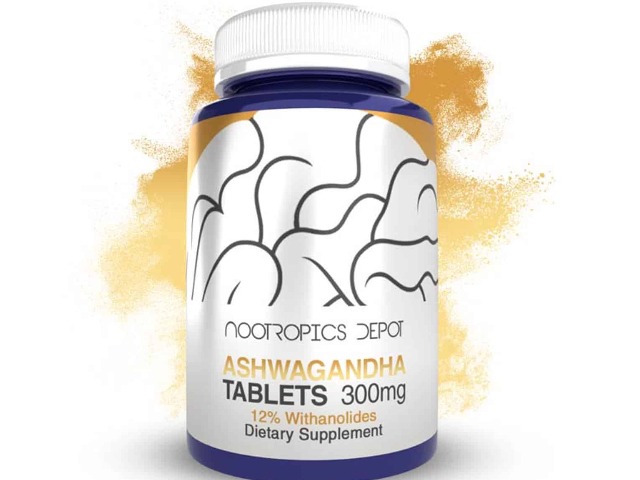
Ashwagandha (KSM-66)
Ashwagandha is probably the strongest supplement option for HRV improvement. A 2021 meta-analysis (N = 500+) found that 300–600mg of KSM-66 daily raised RMSSD with a Cohen’s d of 0.5 (p < 0.01) — a medium effect size — primarily through cortisol reduction. The cognitive benefits are likely indirect: lower stress → higher HRV → better prefrontal function.
Dose: 300–600mg KSM-66, taken in the morning or split AM/PM.
Important: Avoid ashwagandha if you have thyroid disease (it can raise thyroid hormone levels) or are pregnant. It has mild sedative properties — watch for drowsiness, especially if stacking with GABAergic compounds.
L-Theanine
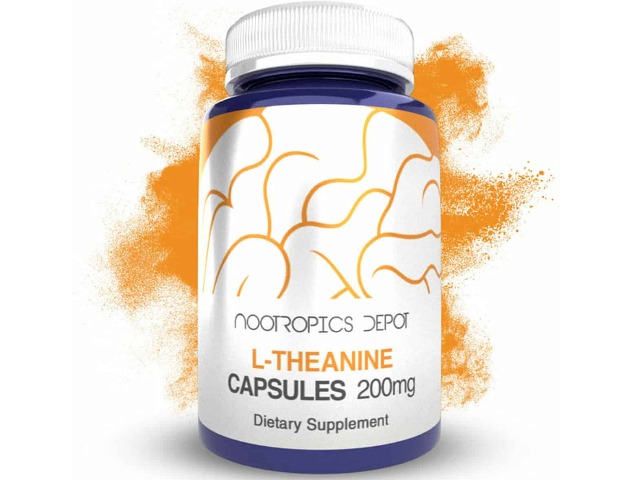
L-Theanine promotes alpha brain wave activity — the same frequency band associated with calm, focused attention. A 2023 trial (N = 30) found that 200mg L-Theanine increased RMSSD by 12% (p = 0.02) during stress tasks, with simultaneous improvements in attention scores.
Dose: 200mg, stacks well with caffeine for jitter-free focus.
Omega-3 Fatty Acids
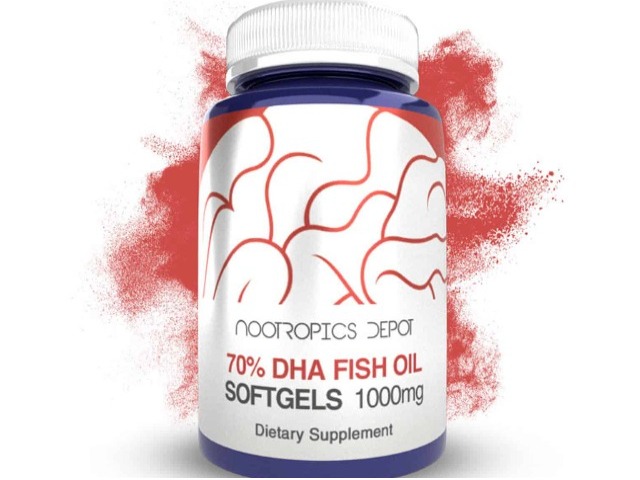
Omega-3 supplementation at 1–3g EPA/DHA daily has shown HRV improvements in a 2022 RCT (N = 80) with concurrent executive function gains (d = 0.4). The mechanism involves reduced neuroinflammation and improved cell membrane fluidity in cardiac and neural tissue.
Dose: 2g combined EPA/DHA daily. Look for third-party tested products (IFOS certified).
Rhodiola Rosea
Rhodiola Rosea is an adaptogen with emerging HRV evidence. A 2024 trial (N = 50) found 400mg daily increased HF-HRV by 15%, suggesting improved vagal tone. Rhodiola’s anti-fatigue effects make it particularly useful for people whose low HRV stems from burnout or overtraining.
Dose: 400mg standardized extract (3% rosavins, 1% salidroside).
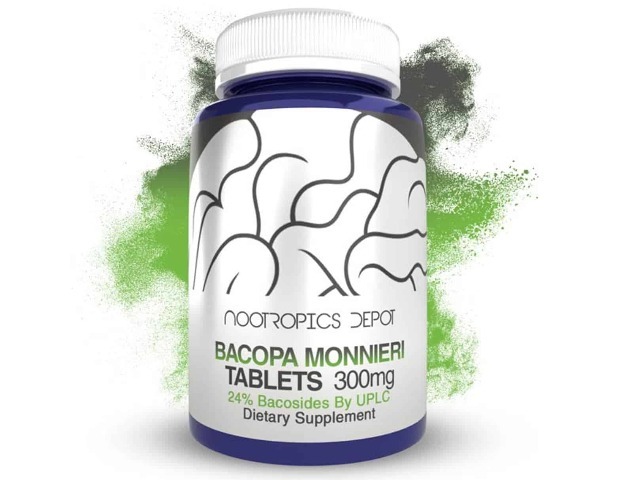
Bacopa Monnieri
Bacopa Monnieri doesn’t have direct HRV studies, but its well-established stress-reducing and memory-enhancing effects suggest indirect benefits. If chronic stress is tanking your HRV, Bacopa’s adaptogenic properties can help break the cycle.
Dose: 300mg standardized to 50% bacosides.
| Supplement | HRV Evidence | Cognitive Evidence | Dose | Key Caution |
|---|---|---|---|---|
| Ashwagandha | Strong (d = 0.5) | Indirect via stress | 300–600mg KSM-66 | Thyroid, pregnancy |
| L-Theanine | Moderate (+12% RMSSD) | Direct attention gains | 200mg | None significant |
| Omega-3 | Moderate (d = 0.4) | Executive function | 2g EPA/DHA | Blood thinning pre-surgery |
| Rhodiola | Emerging (+15% HF-HRV) | Anti-fatigue | 400mg | May be stimulating for some |
| Bacopa | Indirect | Strong for memory | 300mg | GI upset in some users |
How to Track HRV Without Losing Your Mind
You don’t need a lab. The wearable market in 2026 has matured enough that consumer devices provide research-grade accuracy for daily HRV tracking. Here’s what’s worth your money.
For daily morning readiness: The Oura Ring Gen4 ($299–499) or WHOOP 5.0 ($199/year) both provide validated RMSSD measurements that correlate well with ECG-grade equipment. Oura is better if you want a passive, wear-and-forget approach. WHOOP is better if you want real-time strain tracking and recovery scores.
For biofeedback training: The HeartMath emWave ($129 device + app) has actual RCT validation behind it and provides real-time coherence feedback during breathing exercises. Elite HRV (free/premium at $4.99/month) uses your phone camera for spot-check readings.
The protocol I recommend:
- Take a 2-minute morning RMSSD reading before getting out of bed
- Track your baseline over 2 weeks to establish your personal range
- On days your RMSSD drops below your 7-day average by 15%+, prioritize recovery over cognitive load
- Use biofeedback breathing on low-HRV mornings before demanding work
Reality Check: Don’t become obsessive about daily numbers. HRV naturally fluctuates with your menstrual cycle, alcohol consumption, travel, and dozens of other factors. The trend over weeks matters far more than any single reading. If tracking is increasing your stress, you’re defeating the purpose.
Common Questions About HRV and Cognition
“Does low HRV mean I have anxiety or ADHD?” Not necessarily, but there’s overlap. Low HRV is associated with both anxiety disorders and ADHD through the same mechanism — reduced prefrontal cortex regulation of subcortical emotional and attentional circuits. If your HRV is consistently low and you’re experiencing attention or anxiety symptoms, it’s worth discussing with a healthcare provider. HRV biofeedback has shown promise as an adjunct therapy for both conditions.
“How quickly can I raise my HRV?” Acute changes happen within a single breathing session — your RMSSD will spike during resonance frequency breathing. Sustained baseline improvements typically take 4–8 weeks of consistent daily practice, adequate sleep, and regular exercise. Supplements like Ashwagandha show effects within 2–4 weeks in clinical trials.
“Is HRV better than resting heart rate for tracking cognitive readiness?” Yes. Resting heart rate tells you how fast your heart beats on average. HRV tells you how adaptable your nervous system is — which is a far better predictor of cognitive flexibility and stress resilience. Two people can have the same resting heart rate of 60 bpm but dramatically different HRV profiles and cognitive performance.
“I’m young and healthy — does HRV matter for me?” Absolutely. The 2019 systematic review found HRV-cognition associations in young adults, not just older populations. Low HRV in your 20s and 30s predicts executive function deficits regardless of age. Think of it like financial savings — the earlier you optimize, the more compound interest you earn.
My Take
Here’s what I’ve landed on after years of tracking my own HRV alongside every nootropic experiment I’ve run: HRV is the best free diagnostic tool most biohackers aren’t using properly.
The science isn’t perfect — most of the evidence linking HRV to cognition is correlational, and the one well-designed biofeedback RCT (N = 165) didn’t produce the universal cognitive gains we’d all love to see. But the neurovisceral integration model is mechanistically sound, the correlational data across 20+ studies is remarkably consistent, and my personal experience matches the research directionally.
What I tell people is this: before you spend another dollar on nootropics, spend two minutes every morning measuring your HRV. If your RMSSD is consistently below 20ms, focus on sleep, breathing, and exercise before adding supplements. If your foundations are solid and you want the extra edge, Ashwagandha and L-Theanine are the two supplements with the best combined evidence for HRV improvement and cognitive support.
The reader who gets the most out of this information is the one who’s already doing the basics right — sleeping well, exercising, managing stress — and wants to understand why some days their brain works brilliantly and other days it doesn’t. HRV gives you that answer. And once you have the answer, you can actually do something about it.
Don’t overthink it. Measure, breathe, move, sleep. The supplements are the cherry on top — not the sundae.