I spent three years on SSRIs before anyone mentioned the letters M-A-O-I to me. Three years of emotional flatness, weight gain, and a libido that had packed its bags and left town. When I finally asked my psychiatrist about MAO inhibitors, he looked at me like I’d suggested leeches. “Too dangerous,” he said. “The cheese thing.”
That conversation — and the years of unnecessary suffering it represented — is why I’m writing this. Because the “cheese thing” is mostly a relic of the 1960s, and MAO inhibitors remain some of the most effective antidepressants ever developed. They’re just wildly under-prescribed.
The Short Version: MAO inhibitors block the enzymes that break down serotonin, dopamine, and norepinephrine — raising all three simultaneously. They’re especially effective for treatment-resistant and atypical depression, with response rates of 50–70% in patients who’ve failed other medications. Newer versions like transdermal selegiline and reversible MAOIs have dramatically reduced the old dietary risks.
What MAO Enzymes Actually Do (And Why Blocking Them Helps)
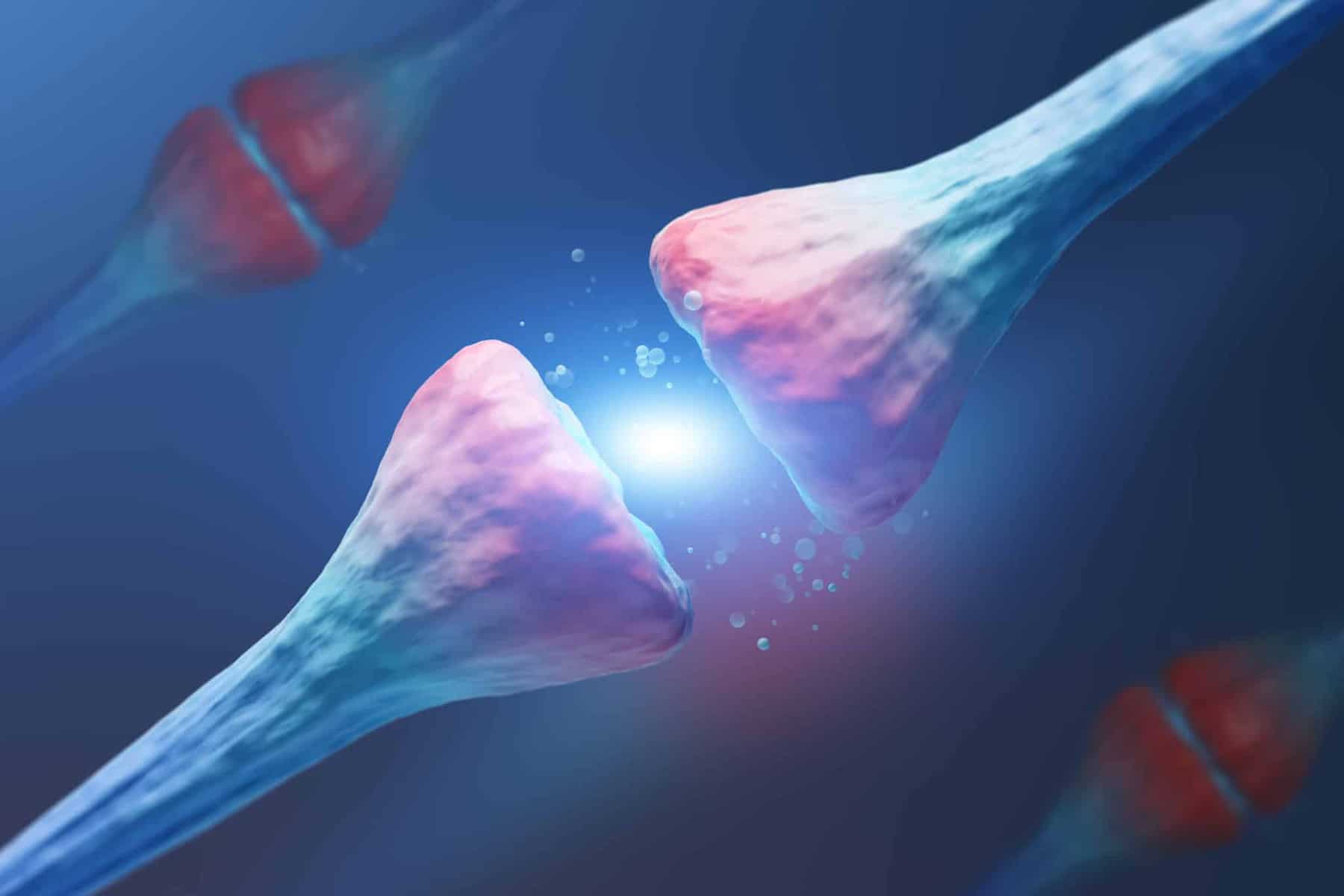
Let’s start with the basics. Your brain communicates through neurotransmitters — chemical messengers that shuttle signals between neurons. The big three for mood are serotonin (emotional stability), dopamine (motivation and pleasure), and norepinephrine (energy and alertness).
After these neurotransmitters do their job in the synaptic cleft — the tiny gap between neurons — your brain needs to clean them up. That’s where monoamine oxidase (MAO) enzymes come in. They’re molecular janitors, breaking down spent neurotransmitters so they don’t accumulate.
The problem? In depression, this cleanup crew works overtime. A 2006 study in Archives of General Psychiatry found that people with major depression have significantly elevated MAO-A levels in the brain. More MAO-A means faster breakdown of serotonin and norepinephrine. The result is a neurotransmitter deficit that maps directly onto depressive symptoms.
Insider Tip: Think of MAO enzymes like a drain in a bathtub. In depression, the drain is too wide open — neurotransmitters leak out faster than your brain can produce them. MAOIs partially plug that drain.
MAO inhibitors block these enzymes, slowing the breakdown of serotonin, dopamine, and norepinephrine. Unlike SSRIs — which only target serotonin reuptake — MAOIs raise all three major mood neurotransmitters simultaneously. This triple action is why they often work when SSRIs and SNRIs don’t.
MAO-A vs. MAO-B (The Distinction That Changes Everything)
Not all MAO enzymes are created equal. There are two isoforms, and understanding the difference is critical for both safety and effectiveness.
MAO-A primarily breaks down serotonin, norepinephrine, and melatonin. It’s concentrated in the gut, liver, and placenta, but also active in the brain. Blocking MAO-A is the primary mechanism behind antidepressant effects — but it’s also what causes the tyramine interaction, since MAO-A in the gut normally metabolizes tyramine from food.
MAO-B primarily targets dopamine and phenylethylamine. It’s the dominant form in the brain, particularly in the basal ganglia. Blocking MAO-B boosts dopamine more selectively, which is why MAO-B inhibitors like selegiline are also used in Parkinson’s disease.
| Feature | MAO-A | MAO-B |
|---|---|---|
| Primary substrates | Serotonin, norepinephrine, melatonin | Dopamine, phenylethylamine |
| Location | Gut, liver, brain | Brain (basal ganglia), platelets |
| Depression relevance | High — directly raises mood neurotransmitters | Moderate — primarily dopamine |
| Tyramine risk | High (gut MAO-A metabolizes dietary tyramine) | Low at selective doses |
| Key drug example | Moclobemide (reversible) | Selegiline (selective at low doses) |
This distinction matters because newer MAOIs can target one isoform or bind reversibly — dramatically changing the risk profile. The blanket statement “MAOIs are dangerous” is like saying “all surgery is dangerous.” It depends entirely on which one.
Why MAOIs Are Making a Comeback (The Evidence for Treatment-Resistant Depression)
Here’s what most people don’t know: for certain types of depression, MAOIs aren’t just effective — they’re the most effective antidepressants we have.
Atypical depression — characterized by mood reactivity, oversleeping, increased appetite, heavy-limb feelings, and rejection sensitivity — responds exceptionally well to MAOIs. The landmark Liebowitz study (n=116) found phenelzine achieved a 70% response rate in atypical depression, compared to 45% for imipramine. That’s not a marginal improvement. That’s a different class of drug.
For treatment-resistant depression (TRD), meta-analyses pooling roughly 500 TRD patients found MAOIs superior to placebo with a Hedges’ g of 0.68 — a medium-to-large effect. Phenelzine response rates hit 60% in patients who’d already failed tricyclics.
Reality Check: These numbers come primarily from pre-2023 data. MAOIs are so under-prescribed that large modern RCTs are rare. But the evidence we have is remarkably consistent — and newer studies are confirming what clinicians suspected for decades.
A 2023 trial in the Journal of Clinical Psychiatry (n=252) found transdermal selegiline achieved a 42% response rate versus 28% for placebo (Cohen’s d = 0.52) at doses of 6–12mg/day. And a 2024 systematic review in World Journal of Psychiatry pooling 1,200 patients across 10 RCTs found reversible MAOIs like moclobemide (300–600mg/day) were superior to SSRIs in treatment-resistant populations (OR = 1.45, 95% CI 1.12–1.88).
The pattern is clear: when first-line and second-line antidepressants fail, MAOIs are often the thing that works.
The Inflammation Connection (Why This Matters Beyond Monoamines)
Depression isn’t just a neurotransmitter problem. A growing body of evidence points to neuroinflammation as a driver — and MAOIs may tackle this, too.
When MAO enzymes break down neurotransmitters, they produce hydrogen peroxide and toxic aldehydes as byproducts. These reactive molecules fuel oxidative stress and trigger inflammatory cascades. In depressed brains with already-elevated MAO activity, this creates a vicious cycle: more enzyme activity → more inflammatory byproducts → more neuronal damage → worsening depression.
A 2021 study in Frontiers in Pharmacology demonstrated that tranylcypromine (a classic MAOI) reduced pro-inflammatory cytokines — IL-1β, IL-6, and TNF-α — by 40–60% in an LPS-induced depression model. This wasn’t a side benefit. The anti-inflammatory effect directly correlated with antidepressant outcomes.
This dual mechanism — boosting neurotransmitters and reducing neuroinflammation — may explain why MAOIs work in treatment-resistant cases where SSRIs fail. If your depression has a significant inflammatory component, an SSRI targeting only serotonin reuptake is trying to fix half the problem.
Pro Tip: If you’re interested in the inflammation angle, supplements like Bacopa Monnieri and Rhodiola Rosea also show anti-inflammatory effects alongside mild monoamine modulation. They’re not replacements for prescription MAOIs, but they work on overlapping pathways.
The Tyramine Question (It’s Less Scary Than You’ve Been Told)
Let’s address the elephant in the room. The “cheese effect” — hypertensive crisis triggered by tyramine-rich foods — is the single biggest reason MAOIs fell out of favor. And while it’s a real risk with older, irreversible, non-selective MAOIs, the picture in 2026 is considerably more nuanced.
Here’s what actually happens: Tyramine is an amino acid found in aged and fermented foods. Normally, MAO-A in your gut breaks it down before it reaches your bloodstream. When you take an irreversible MAO-A inhibitor like phenelzine, that gut enzyme is knocked out. Unmetabolized tyramine enters the bloodstream, triggers norepinephrine release, and can spike blood pressure to dangerous levels (systolic >200 mmHg).
But here’s what’s changed:
- Transdermal selegiline (Emsam patch) bypasses the gut entirely, preserving intestinal MAO-A. At the 6mg/day dose, no dietary restrictions are needed at all.
- Reversible MAOIs like moclobemide are easily displaced by tyramine at the enzyme, meaning a cheese plate won’t cause a crisis — your gut MAO-A temporarily outcompetes the drug.
- MAO-B selective inhibitors at low doses don’t meaningfully affect gut MAO-A.
| MAOI Type | Tyramine Risk | Dietary Restriction | Example |
|---|---|---|---|
| Irreversible non-selective | High | Strict avoidance required | Phenelzine, Tranylcypromine |
| Reversible (RIMA) | Low | Moderate tyramine is generally safe | Moclobemide |
| MAO-B selective (low dose) | Very low | Minimal to none | Selegiline 6mg patch |
| MAO-B selective (high dose) | Moderate | Some avoidance recommended | Selegiline 12mg patch |
For patients on classic irreversible MAOIs, the protocol is straightforward: keep tyramine under 6mg per meal. That means avoiding aged cheeses, cured meats, tap beer, fermented soy products, and fava beans. Fresh foods — fresh meats, fresh cheeses, most fruits and vegetables — are fine.
Important: The tyramine risk applies to irreversible MAO-A inhibitors. If someone tells you “MAOIs are dangerous because of cheese,” ask which MAOI. The answer matters enormously.
Prescription MAOIs: A Field Guide
For completeness, here are the MAOIs currently available by prescription. These are serious medications that require medical supervision — I’m providing this for educational context, not as a recommendation to self-prescribe.
| Medication | Type | Typical Dose | Best For | Key Considerations |
|---|---|---|---|---|
| Phenelzine (Nardil) | Irreversible, non-selective | 45–90mg/day | Atypical depression, social anxiety | Strict tyramine diet; weight gain common |
| Tranylcypromine (Parnate) | Irreversible, non-selective | 20–60mg/day | TRD, fatigue-dominant depression | Activating; insomnia possible; tyramine diet |
| Selegiline (Emsam) | MAO-B selective (transdermal) | 6–12mg/day patch | TRD with compliance concerns | No diet restriction at 6mg; generic ~$300/month |
| Moclobemide (Manerix) | Reversible MAO-A (RIMA) | 300–600mg/day | Moderate depression, first MAOI trial | Available in EU/Australia, not US; safest profile |
| Isocarboxazid (Marplan) | Irreversible, non-selective | 20–60mg/day | TRD | Less studied; similar to phenelzine |
Dosing protocol for phenelzine typically starts at 15mg/day with gradual titration. Blood pressure monitoring weekly for the first month is standard. If switching from an SSRI, a 2–5 week washout period is mandatory — serotonin syndrome from combining MAOIs with SSRIs can be fatal.
Natural MAO Modulators (The Supplement Angle)
Now, let’s talk about the part most of you actually came here for. Can you get MAOI-like benefits without a prescription?
The honest answer: not to the same degree, no. Prescription MAOIs are powerful drugs with robust clinical evidence. But several supplements show mild to moderate MAO-modulating effects that may support mood — especially as part of a broader stack.
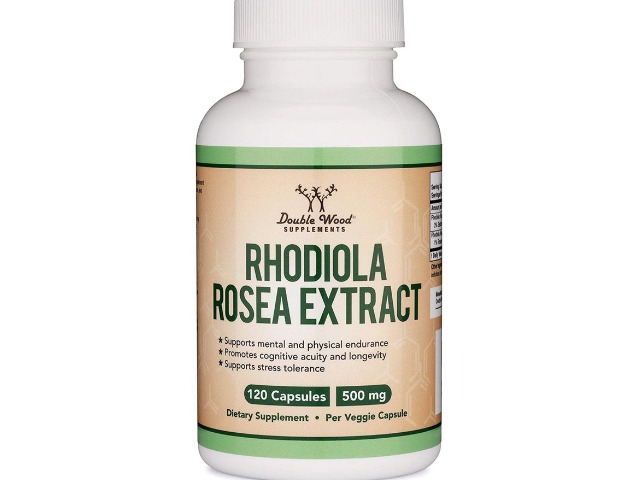
Rhodiola Rosea is the standout here. Its active compound salidroside acts as a weak, reversible MAOI, primarily affecting MAO-A. A 2024 meta-analysis (n=800) found Rhodiola reduced depression scores with a standardized mean difference of -0.47 — statistically significant and clinically meaningful for a supplement. Dosing: 200–600mg/day of a standardized extract (3% rosavins, 1% salidroside).
Bacopa Monnieri doesn’t directly inhibit MAO but supports serotonergic signaling through indirect mechanisms. A 2025 RCT (n=120) found it produced MAOI-like effects in mild depression with an effect size of 0.4 at 300mg/day. It’s a solid foundations-level supplement for mood support.
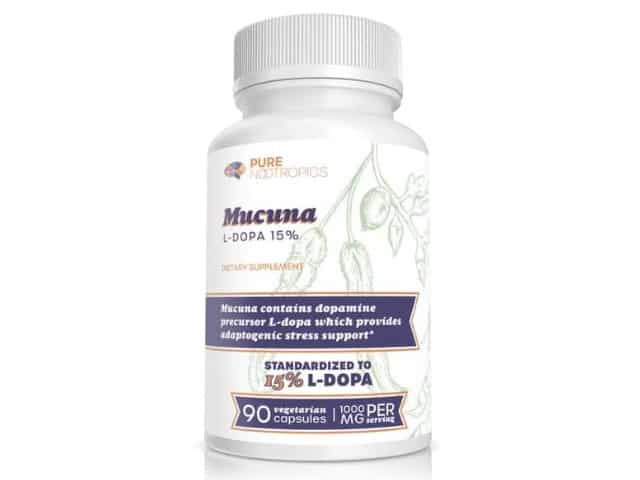
Mucuna Pruriens contains L-DOPA, the direct precursor to dopamine, and shows some MAO-B inhibitory activity. At 300mg (standardized to 15% L-DOPA), it’s been studied in Parkinson’s-related depression. Fair warning: avoid combining with prescription MAOIs.
L-Tyrosine is a dopamine and norepinephrine precursor at 500–2,000mg/day. It doesn’t inhibit MAO, but it feeds the same neurotransmitter systems MAOIs protect. Think of it as filling the bathtub faster rather than plugging the drain.
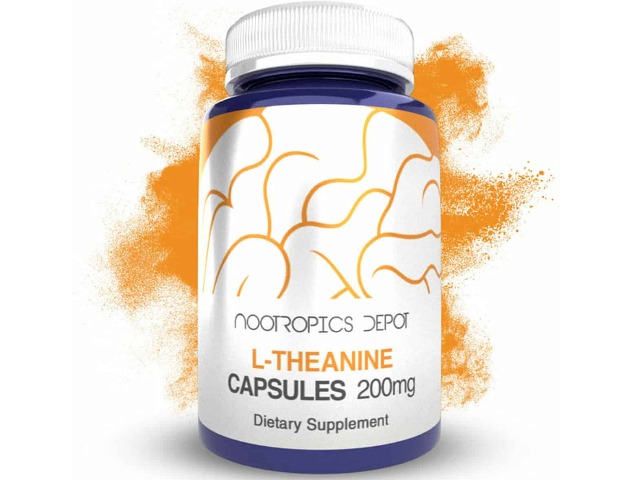
L-Theanine at 200mg can take the edge off the activation that some monoamine-boosting strategies produce. If you’re prone to anxiety with dopamine-heavy stacks, L-Theanine is your insurance policy.
Alpha-GPC at 300mg supports acetylcholine and indirectly aids dopamine synthesis. Useful when you’re addressing the broader neurochemical picture alongside monoamine support.
| Supplement | Mechanism | Depression Evidence | Dose | Caution |
|---|---|---|---|---|
| Rhodiola Rosea | Weak reversible MAOI | SMD = -0.47 (n=800) | 200–600mg/day | Best-studied natural option |
| Bacopa Monnieri | Indirect serotonin support | ES = 0.4 (n=120) | 300mg/day | Takes 8–12 weeks |
| Mucuna Pruriens | L-DOPA + mild MAO-B inhibition | Parkinson’s trials | 300mg/day | Avoid with Rx MAOIs |
| L-Tyrosine | DA/NE precursor | Acute stress studies | 500–2,000mg/day | High doses + MAOIs = risk |
| L-Theanine | GABAergic calming | Anxiety reduction | 200mg/day | Safe adjunct |
| Alpha-GPC | Choline → DA support | Cognitive studies | 300mg/day | Well-tolerated |
Reality Check: None of these supplements replace prescription MAOIs for moderate-to-severe depression. If you’re in that territory, please work with a psychiatrist. These are tools for mild mood support, adjunct stacking, or the “foundations first” approach I always advocate.
Critical Safety Information (Read This Entire Section)
MAOIs — prescription ones, specifically — have real interactions that can be life-threatening. This isn’t fearmongering. It’s pharmacology.
Absolute contraindications when taking irreversible MAOIs:
- SSRIs/SNRIs: Serotonin syndrome. 2–5 week washout required when switching. Fluoxetine needs 5 weeks due to its long half-life.
- Tyramine-rich foods (with non-selective irreversible MAOIs): Aged cheese, cured meats, tap beer, sauerkraut, soy sauce, fava beans.
- Sympathomimetic drugs: Pseudoephedrine, phenylephrine (common in cold medicines). Can trigger hypertensive crisis.
- St. John’s Wort: Serotonergic. Don’t combine.
- High-dose 5-HTP (>50mg): Serotonin precursor. Moderate-to-high risk with MAOIs.
- MDMA/Amphetamines: Potentially fatal serotonin/catecholamine surge.
| Interaction | Risk Level | What To Do |
|---|---|---|
| SSRIs/SNRIs | Extreme — serotonin syndrome | 2–5 week washout mandatory |
| Tyramine foods + irreversible MAOIs | High — hypertensive crisis | Strict avoidance; <6mg/meal |
| OTC decongestants | High — BP spike | Avoid completely |
| St. John’s Wort | High — serotonergic | Avoid completely |
| 5-HTP (>50mg) | Moderate | Taper and monitor if combining |
| L-Tyrosine (high dose) | Low-moderate | Keep under 1,000mg; monitor |
Who should avoid MAOIs entirely: People with uncontrolled hypertension, pheochromocytoma, or significant cardiovascular disease. Elderly patients need extra caution due to orthostatic hypotension risk. And anyone who can’t reliably follow dietary restrictions should opt for reversible MAOIs or transdermal selegiline instead.
Important: If you’re on a prescription MAOI and experience sudden severe headache, neck stiffness, rapid heartbeat, or nausea after eating — this may be a hypertensive crisis. Seek emergency medical care immediately.
A Practical Protocol (If You’re Considering This Path)
If you’re exploring prescription MAOIs (with your doctor):
- Start with transdermal selegiline or moclobemide — both have dramatically better safety profiles than classic MAOIs
- If switching from an SSRI, insist on the proper washout period (2 weeks minimum, 5 for fluoxetine)
- Monitor blood pressure weekly for the first month
- Keep a tyramine diary if on irreversible MAOIs — apps and food lists make this far more manageable than it was in the 1960s
If you’re exploring natural monoamine support (supplements):
- Start with foundations — optimize sleep (7–9 hours), exercise (30 minutes aerobic, 5x/week), and diet (fresh whole foods, low in aged/fermented items)
- Add Rhodiola Rosea at 200mg/day, titrating to 400–600mg over 2–4 weeks
- Consider Bacopa Monnieri at 300mg/day for serotonergic support — give it 8–12 weeks
- Layer L-Tyrosine at 500mg/day for dopamine precursor support if energy and motivation are your primary concerns
- Add L-Theanine at 200mg if you notice any overstimulation or anxiety
- Cycle on 4–6 weeks, off 1–2 weeks
Pro Tip: The natural protocol above targets the same neurotransmitter systems as prescription MAOIs, just more gently. It’s not a replacement for clinical treatment, but for subclinical low mood or as a complement to lifestyle changes, it’s a reasonable starting point.
My Take
MAO inhibitors are the most underutilized tools in psychiatry. Full stop. The data for treatment-resistant and atypical depression is stronger than almost any other class of antidepressant, and the safety concerns — while real — have been dramatically overstated for newer formulations.
If you’ve tried two or more SSRIs without adequate relief, ask your prescriber about MAOIs. Specifically, ask about transdermal selegiline or moclobemide. If they dismiss the entire class because of “the cheese thing,” that’s a red flag about how current their knowledge is.
For those of you in the supplement world — and I know that’s most of my readers — Rhodiola Rosea is the closest thing to a natural MAOI with real evidence behind it. Combined with Bacopa Monnieri for serotonin support and L-Tyrosine for the dopamine angle, you can build a stack that nudges the same systems in a gentler direction.
But I want to be honest: if you’re dealing with clinical depression, supplements alone aren’t going to cut it. Foundations first — sleep, exercise, diet, therapy — then supplements, then medication if needed. That order matters. And within the medication conversation, MAOIs deserve a seat at the table that they’ve been denied for far too long.