I spent three months in a basement apartment in my twenties convinced I was developing early-onset dementia. Couldn’t hold a thought. Forgot conversations from the same morning. Walked into rooms and stood there, blank-faced, like my brain had buffered mid-sentence. My doctor ran bloodwork and told me I was “fine.” I wasn’t fine — I was living with black mold behind the drywall, and it was quietly wrecking my brain.
If that sounds familiar — the creeping brain fog, the anxiety that came from nowhere, the feeling that your cognitive engine is running on fumes — you’re not imagining it. And you’re definitely not “just stressed.”
The Short Version: Mycotoxins produced by indoor mold cross the blood-brain barrier and trigger neuroinflammation, oxidative stress, and impaired neurogenesis — particularly in the hippocampus. Research shows mold-exposed individuals exhibit cognitive deficits comparable to mild traumatic brain injury. The good news: with proper remediation and targeted neuroprotective support from compounds like NAC, glutathione, and Bacopa Monnieri, much of this damage appears reversible.
What Mold Actually Does to Your Brain (It’s Worse Than You Think)
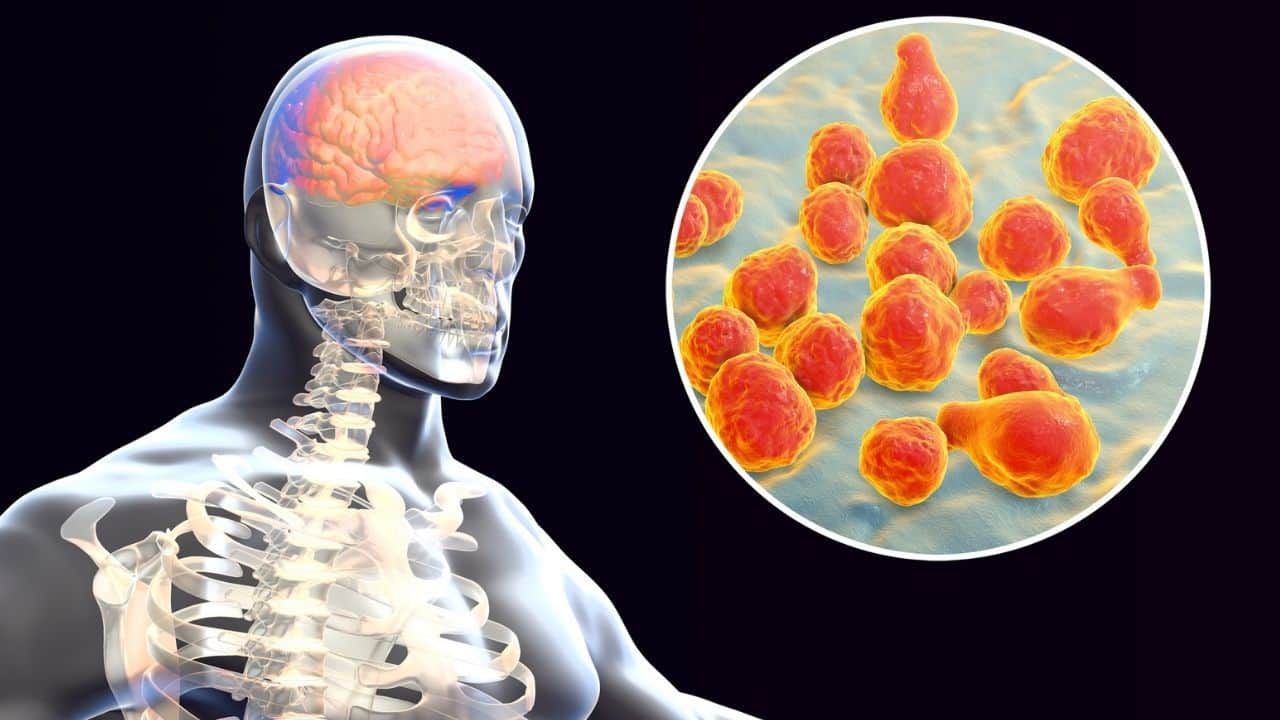

Let’s get one thing straight: mold toxicity isn’t about seeing fuzzy green stuff on your shower tiles. The real danger is invisible — microscopic mycotoxins that mold colonies release into the air as metabolic byproducts.
Here’s the part that should concern you. Your brain is roughly 60% fat by dry weight, and mycotoxins like ochratoxin A, satratoxin, and fumonisin B1 are lipophilic — meaning they’re attracted to fat. They cross the blood-brain barrier (BBB) with disturbing ease and accumulate in the very structures responsible for memory, learning, and emotional regulation.
A 2023 review in the Journal of Integrative Neuroscience mapped where these toxins deposit: the hippocampus (memory), striatum (motor control and reward), and cerebellum (coordination). That’s not a random scattering — it’s a targeted assault on the brain regions you need most for daily cognitive function.
Reality Check: Mycotoxin exposure doesn’t require a visibly moldy home. Spores, fragments, and volatile organic compounds from hidden mold colonies (behind walls, under flooring, in HVAC systems) are enough to trigger neurological symptoms. In one study, 87.5% of refrigerators tested contained mold and bacteria — the stuff is everywhere.
The Inflammation Cascade
Once mycotoxins cross the BBB, they activate your brain’s innate immune system — specifically microglia, the brain’s resident immune cells. These microglia release a storm of pro-inflammatory cytokines including TNF-α (tumor necrosis factor alpha), IL-6 (interleukin-6), and activate the NF-κB signaling pathway, your body’s master inflammatory switch.
In a healthy brain, this inflammatory response resolves quickly. But with chronic mold exposure, the inflammation becomes self-sustaining. The hippocampus — where you consolidate new memories and regulate emotional responses — takes the hardest hit.
A 2023 mouse study published in PLOS ONE demonstrated something remarkable: even nontoxic mold spores from Stachybotrys chartarum (common black mold) caused significant hippocampal inflammation, spatial memory deficits, and anxiety-like behavior. The toxic spores were worse, adding motivational deficits to the mix. But the takeaway is clear — you don’t need the “dangerous” mold strains to damage your brain.
Neurogenesis Gets Shut Down
Your brain is constantly generating new neurons in the hippocampus — a process called neurogenesis that’s essential for learning, memory consolidation, and mood regulation. Mycotoxin exposure directly suppresses this process.
Research shows that mold-exposed mice exhibited reduced neurogenesis alongside increased pain sensitivity and anxiety-like behavior. The satratoxin mycotoxin specifically inhibits ceramide synthesis — ceramides being lipid molecules essential for neuronal membrane integrity and signaling. Without adequate ceramide production, neurons degenerate and amyloid-beta plaques can accumulate — a hallmark of Alzheimer’s disease pathology.
That’s worth pausing on. Chronic mold exposure may contribute to the same neurodegenerative processes involved in Alzheimer’s.
The Cognitive Damage Is Real (And Measurable)
One of the most frustrating aspects of mold toxicity is how often it gets dismissed. “It’s just stress.” “Maybe you need more sleep.” “Have you tried meditation?” Meanwhile, objective testing tells a very different story.
In a landmark study by Brewer and colleagues examining 182 patients with confirmed mold exposure, researchers found cognitive impairments comparable to mild traumatic brain injury. Brain scans were abnormal in 26 out of 30 patients assessed, and 97% showed impairment on at least one of 25 neuropsychological measures — including memory, executive function, attention, and psychomotor coordination.
A separate study by Kilburn compared 31 mold-exposed individuals against 47 healthy controls and 91 people with documented TBI. The mold group’s deficits in memory and executive function matched the TBI group, with most scoring at least 1 standard deviation below normal on key measures.
| Cognitive Domain | Mold Exposure Effect | Comparable To |
|---|---|---|
| Verbal memory | Significant decline | Mild TBI |
| Visuospatial learning | Impaired | Mild TBI |
| Executive function | Reduced | Mild TBI |
| Psychomotor speed | Slowed | Mild TBI |
| Attention/concentration | Deficits | Mild TBI |
| Emotional regulation | Anxiety, depression | Chronic inflammation |
A clinical review from AustinMD found that neurological symptoms in mold-exposed populations carried a relative risk of 6.63 (p<0.001) compared to non-exposed controls. That’s not a subtle association — that’s a screaming signal.
Important: If you’re experiencing unexplained cognitive decline, brain fog, new-onset anxiety, or memory problems — especially in combination with fatigue, sinus issues, or respiratory symptoms — mold exposure should be on your differential list. It’s not “all in your head” in the dismissive sense. It quite literally is in your head, and it’s inflammatory.
Children Are Especially Vulnerable
Studies on children with prolonged mold exposure found abnormal brainstem auditory evoked potentials, somatosensory evoked potentials, and visual evoked potentials — objective neurophysiological measures that can’t be faked or attributed to stress. These findings suggest that developing brains may be even more susceptible to mycotoxin-induced damage.
How Mold Gets Into Your System (More Ways Than You’d Think)
Airborne Exposure
The primary route. You breathe in mold spores, hyphal fragments, and volatile mycotoxins released from colonies growing in damp or water-damaged areas. These particles are small enough (2-10 micrometers) to penetrate deep into your lungs and enter your bloodstream.
Common indoor sources:
- Behind drywall in water-damaged walls
- HVAC systems and ductwork
- Under sinks, around toilets, and in shower enclosures
- Basement and crawlspace environments
- Window condensation areas
Foodborne Exposure
Mycotoxins contaminate the food supply more than most people realize. Grains (wheat, corn, oats), coffee, dried fruits, nuts, and fermented foods are common carriers of aflatoxins and ochratoxin A. While regulatory limits exist, chronic low-level dietary exposure adds to your total mycotoxin burden.
The Genetics Factor (HLA-DR)
Approximately 24% of the population carries HLA-DR gene variants that impair their ability to recognize and clear mycotoxins through normal immune pathways. If you’re in this group, your body essentially can’t “tag” mycotoxins for removal the way most people’s immune systems can. The result: they accumulate, recirculate, and continue triggering inflammation long after exposure ends.
Insider Tip: If you’ve been exposed to mold and your symptoms persist long after remediation, ask your doctor about HLA-DR testing. It’s a simple blood test that can explain why you’re not recovering at the expected pace — and it changes the treatment approach significantly.
The Mold Types That Hit Hardest

Not all molds are created equal. Here are the heavy hitters:
| Mold Species | Key Mycotoxins | Primary Health Effects |
|---|---|---|
| Stachybotrys chartarum (black mold) | Satratoxin H, roridin | Neuroinflammation, neurodegeneration, ceramide disruption |
| Aspergillus species | Aflatoxin B1, ochratoxin A | Hepatotoxicity, BBB penetration, immunosuppression |
| Penicillium species | Ochratoxin A, citrinin | Nephrotoxicity, neurotoxicity, endocarditis |
| Fusarium species | Fumonisin B1, zearalenone | Ceramide disruption, hormonal interference |
| Chaetomium | Chaetoglobosin A | Neurological effects, less studied |
Aspergillus deserves special attention because most people encounter it daily without issue. But for immunocompromised individuals, asthmatics, or those with chronic exposure, it becomes a significant problem — allergic bronchopulmonary aspergillosis (ABPA) being the most recognized clinical presentation.
Detection: Stop Guessing, Start Testing
This is where a lot of people spin their wheels. They suspect mold, Google their symptoms for six months, buy random supplements, and never actually confirm the exposure. Don’t be that person.
Test Yourself
- Urinary mycotoxin panel (Great Plains/Mosaic Diagnostics MycoTOX Profile, RealTime Labs): $300-400. CLIA-certified. Measures ochratoxin A, aflatoxins, trichothecenes, gliotoxin, and others directly in your urine. This is the gold standard for confirming personal mycotoxin burden.
- HLA-DR genotyping: Simple blood draw. Identifies genetic susceptibility.
Test Your Environment
- ERMI (Environmental Relative Moldiness Index): $150-300. Dust sample analyzed for 36 mold species via DNA. Gives a composite score.
- HERTSMI-2: Focused version of ERMI targeting the 5 most dangerous species. Faster, cheaper, often sufficient.
Pro Tip: Visual inspection and “mold sniffing” are not reliable. Many of the worst mold contaminations I’ve seen were hidden behind walls, under flooring, or in HVAC systems with zero visible evidence. If you suspect mold and your home tests clean visually, get an ERMI done. The $200 is worth the certainty.
Don’t Skip This Step
You need to know what you’re dealing with before throwing supplements at it. If your home is still contaminated, no amount of NAC or glutathione will overcome continuous re-exposure. Remediation first. Supplementation second.
The Detox Protocol (Evidence-Based, Not Woo)
Once you’ve confirmed exposure and addressed the source, here’s how to support your brain’s recovery. I’m going to be honest — the clinical trial data specifically for mold detox protocols is thin. Most of this is extrapolated from mycotoxin toxicology, neuroinflammation research, and clinical practice patterns. I’ll tell you what’s well-supported and where we’re working with reasonable inference.
Phase 1: Bind and Remove
Mycotoxin binders work in the gut, intercepting mycotoxins that your liver dumps into bile via enterohepatic recirculation. Without binders, these toxins get reabsorbed and recirculate.
- Cholestyramine: 4g, 4x/day (prescription). The most studied binder for mycotoxins, originally developed for cholesterol. Shoemaker’s clinical protocols center on this.
- Activated charcoal: 500-1000mg/day between meals. Broad-spectrum binder. Less specific than cholestyramine but available OTC.
- Bentonite clay: 1-2 tsp/day in water. Binds aflatoxins well; less data on other mycotoxins.
Important: Binders are indiscriminate — they’ll bind medications, nutrients, and supplements too. Take all binders at least 2 hours away from other supplements and medications. This is non-negotiable.
Phase 2: Antioxidant Support (Protect the Brain)
Mycotoxin-induced oxidative stress — specifically lipid peroxidation in brain tissue — is a primary damage mechanism. Your brain needs targeted antioxidant support.
-
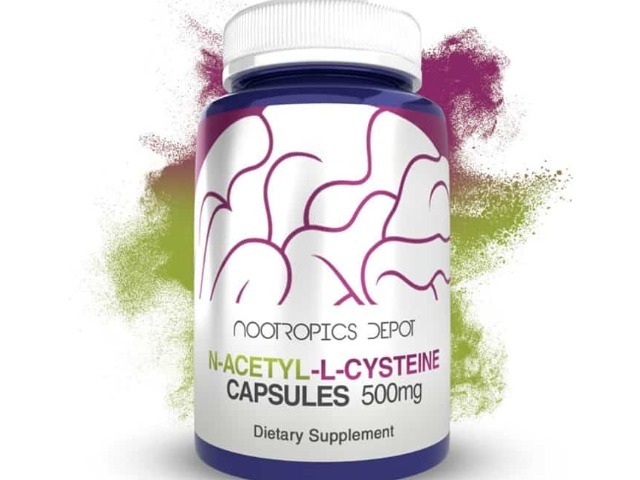
NAC (N-Acetyl Cysteine): 600-1800mg/day. The most important supplement in this protocol. NAC is the rate-limiting precursor to glutathione, your brain’s master antioxidant. It crosses the BBB, reduces neuroinflammation, and supports phase II liver detoxification. Well-tolerated with decades of safety data.
-
Glutathione: 250-500mg/day liposomal (oral) or IV. Direct antioxidant defense against mycotoxin-induced oxidative damage. Standard oral glutathione has poor bioavailability — liposomal formulations or IV administration are significantly more effective.
-
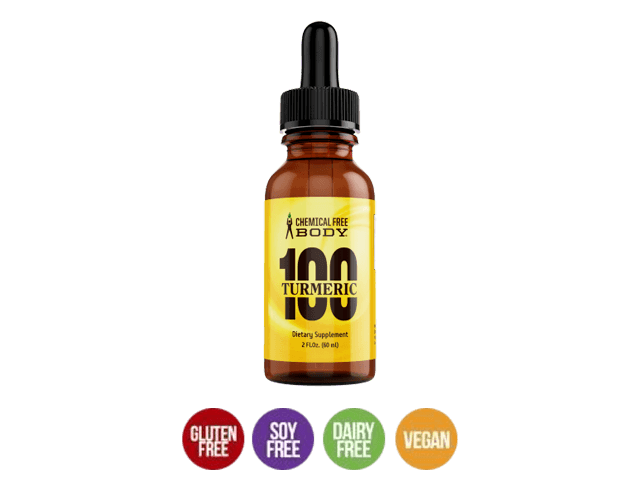
Curcumin: 500-1000mg/day with piperine for absorption. Directly inhibits the NF-κB and TNF-α pathways that mycotoxins activate. Strong anti-neuroinflammatory data, though most studies aren’t mold-specific.
| Supplement | Daily Dose | Primary Mechanism | Evidence Level |
|---|---|---|---|
| NAC | 600-1800mg | Glutathione precursor, reduces oxidative stress | Strong (general); moderate (mold-specific) |
| Glutathione | 250-500mg liposomal | Direct antioxidant, mycotoxin neutralization | Strong (general); moderate (mold-specific) |
| Curcumin | 500-1000mg w/ piperine | NF-κB/TNF-α inhibition | Strong (anti-inflammatory); limited (mold-specific) |
| Quercetin | 500mg | Mast cell stabilizer, mycotoxin binding | Moderate |
| Omega-3 (EPA/DHA) | 2-4g | Anti-inflammatory, membrane repair | Strong (general) |
Phase 3: Rebuild Cognitive Function
Once the toxic burden is reduced and inflammation is managed, support neurogenesis and cognitive recovery.
-
Bacopa Monnieri: 300mg standardized to 55% bacosides. One of the best-studied nootropics for hippocampal support and memory enhancement. Given that the hippocampus takes the brunt of mycotoxin damage, Bacopa is a natural fit for the recovery phase.
-
Alpha-GPC: 300-600mg/day. Choline donor that supports acetylcholine synthesis and neuronal membrane repair. Particularly relevant for the visuospatial and verbal memory deficits documented in mold-exposed patients.
-
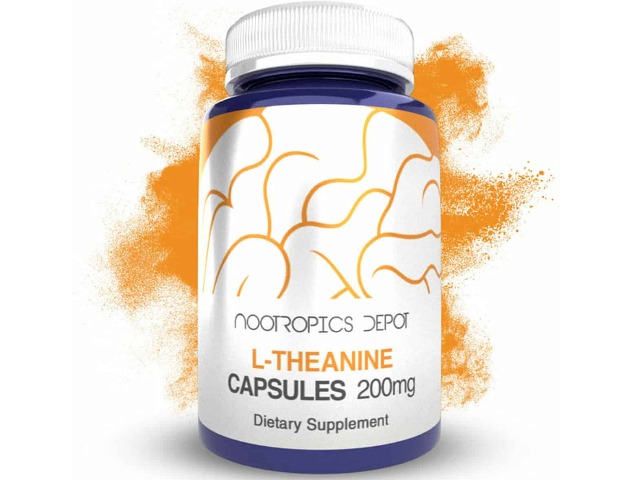
L-Theanine: 200-400mg/day. Promotes calm focus and reduces the anxiety that’s so common with mold toxicity. Works synergistically with the anti-inflammatory compounds above.
-
Lion’s Mane: 500-1000mg/day. Stimulates nerve growth factor (NGF) production, directly supporting the neurogenesis that mycotoxins suppress. If you’re rebuilding from mold damage, this is one of the most targeted nootropics available.
Pro Tip: Don’t start everything at once. Begin with binders and NAC for 2-4 weeks, then layer in the cognitive support compounds. Your detox pathways need to be open before you start aggressively supporting neurogenesis — otherwise you’re trying to rebuild while the house is still on fire.
Phase 4: Lifestyle Interventions
These aren’t optional add-ons. They’re force multipliers.
- Infrared sauna: 20-30 minutes, 3x/week. Promotes mycotoxin excretion through sweat. The evidence for sauna-based detoxification is legitimate — mycotoxins have been detected in sweat.
- HEPA air purification: Run continuously in sleeping and working areas. An Austin Air HealthMate ($700-900) with activated carbon handles both particulate mold and volatile mycotoxins.
- Dehumidification: Keep indoor humidity below 50% RH. Mold cannot colonize below this threshold.
- Low-mold diet: Reduce grains (especially corn and wheat), conventional coffee, dried fruits, and peanuts. These are common mycotoxin carriers. Switch to organic, wet-processed coffee and fresh foods.
Common Questions About Mold and Brain Health
Can mold actually cause anxiety and depression? Yes. The hippocampal inflammation triggered by mycotoxins directly disrupts emotional regulation circuits. Multiple studies document new-onset anxiety, depression, and even panic attacks in mold-exposed individuals that resolve after remediation and treatment. This isn’t “stress from dealing with a mold problem” — it’s neuroinflammation altering your brain chemistry.
Is mold brain damage reversible? In most cases, yes — particularly if caught within the first few years. The key is complete removal from the contaminated environment followed by appropriate detox and neuroprotective support. The neuropsychological studies show that patients who remediate and treat typically recover significant cognitive function, though HLA-DR susceptible individuals may recover more slowly.
How do I know if my symptoms are from mold vs. something else? The combination is distinctive: brain fog + fatigue + sinus/respiratory symptoms + anxiety, especially if symptoms improve when you leave your home and worsen when you return. A urinary mycotoxin panel provides objective confirmation. Don’t rely on symptom matching alone.
My doctor says mold illness isn’t real. What do I do? This is unfortunately common. Mold illness (CIRS — Chronic Inflammatory Response Syndrome) is not yet part of standard medical education, despite mounting evidence. The 2023 mouse studies demonstrating hippocampal inflammation from mold exposure are helping shift the conversation. Seek out a functional medicine practitioner or environmental medicine specialist familiar with the Shoemaker protocol.
My Take
I’ll be straight with you — mold toxicity is one of those topics where the online discourse ranges from legitimate science to full conspiracy territory. People selling $500 “mold detox kits” with zero evidence. Forums where every symptom gets blamed on mold. I get the skepticism.
But the science is real, and it’s getting stronger. When a 2023 mouse study shows that even nontoxic mold spores inflame the hippocampus and cause measurable memory deficits, we’re past the point of dismissal. When mold-exposed patients score like mild TBI patients on neuropsych testing, that’s not psychosomatic.
Here’s what I’d tell a friend: if you suspect mold is behind your brain fog, test, don’t guess. Get a urinary mycotoxin panel. Get an ERMI for your home. If both come back positive, remediate first, then support your brain with NAC, glutathione, and binders. Add Bacopa and Lion’s Mane once the acute phase settles. Be patient — neuroinflammation doesn’t resolve overnight, but the brain is remarkably good at healing when you stop poisoning it.
The foundations-first philosophy applies here more than anywhere: fix the environment, remove the toxin, reduce the inflammation, then optimize. No amount of nootropic stacking will outperform getting out of a moldy building.