I still remember the first time I tried Rhodiola rosea. I was deep in one of those stretches where every day felt like running through wet concrete — low energy, scattered focus, and this persistent mental fog that no amount of coffee could cut through. As someone who geeks out over the research behind supplements, I’d read about Rhodiola’s adaptogenic properties for years. But reading about something and actually feeling it are two very different things.
Within 30 minutes of that first dose, something shifted. Not a jittery caffeine rush — more like someone turned the contrast up on my brain. Colors seemed sharper, my to-do list stopped feeling overwhelming, and I actually wanted to work. That was five years ago, and Rhodiola has earned a permanent spot in my daily stack.
But here’s what matters more than my experience: the clinical evidence behind this herb is genuinely impressive. Let me show you what the research actually says.
The Short Version: Rhodiola rosea is one of the most well-studied adaptogens on the planet, with clinical trials showing meaningful improvements in mood, mental performance under stress, and fatigue resistance — often within days. Its active compounds (salidroside and rosavins) work by modulating cortisol, optimizing neurotransmitter levels, and potentially supporting neuroplasticity. Standard dosing is 200–600mg/day standardized to 3% rosavins and 1% salidroside.
What Rhodiola Rosea Actually Is (And Why Most People Misunderstand It)
Let’s clear something up right away: Rhodiola rosea is not a stimulant. I hear this misconception constantly, and it’s one of the biggest reasons people either avoid it or take it wrong.
Rhodiola is an adaptogen — a class of herbs that help your body normalize its stress response rather than pushing it in one direction. Think of it like a thermostat rather than a heater. If you’re burned out and depleted, it brings you up. If you’re wired and anxious, it helps bring you down. This biphasic action is what makes adaptogens fundamentally different from stimulants like caffeine.
The plant grows in harsh, cold environments — Scandinavian mountains, Siberian tundra, high-altitude regions of Central Asia. It’s been used in traditional medicine across these cultures for centuries, where it earned the reputation of helping people endure brutal winters, grueling physical labor, and the psychological toll of extreme environments.
The active compounds responsible for most of Rhodiola’s effects are rosavins (rosavin, rosarin, rosin) and salidroside. Quality extracts are standardized to contain at least 3% rosavins and 1% salidroside — this is the ratio found in the plant itself and the one used in most clinical research.
Reality Check: Not all Rhodiola supplements are created equal. Cheap extracts on Amazon are frequently adulterated or under-dosed. The specific extract matters enormously — look for SHR-5 or equivalent standardized extracts with third-party testing.
How Rhodiola Reshapes Your Stress Response (The HPA Axis Connection)
To understand why Rhodiola works so well for mood and focus, you need to understand what chronic stress actually does to your brain.
Your hypothalamic-pituitary-adrenal (HPA) axis is your central stress command system. When you encounter a threat — a deadline, a difficult conversation, financial pressure — your hypothalamus signals your pituitary gland, which tells your adrenals to pump out cortisol. That’s the normal, healthy stress response. The problem starts when this system never shuts off.
Chronic HPA axis activation leads to persistently elevated cortisol, which damages hippocampal neurons, depletes neurotransmitters, impairs memory formation, and tanks your mood. It’s the biological mechanism behind that “fried” feeling so many high-performers describe.
Rhodiola directly modulates HPA axis activity by helping restore the cortisol feedback loop. In an observational study of over 1,100 participants, Rhodiola supplementation produced significant reductions in irritability, exhaustion, and concentration difficulties — and these improvements showed up within just three days (p<0.01) (International Journal of Psychiatry in Clinical Practice, 2022).
That speed of onset is unusual for a natural supplement. Most adaptogens like Ashwagandha need weeks to build up. Rhodiola’s rapid effects suggest it works through immediate neurotransmitter modulation in addition to longer-term HPA axis recalibration.
Mood Enhancement: More Than Just “Feeling Better”
If you’re dealing with low mood, persistent irritability, or that flat emotional state where nothing feels exciting anymore, Rhodiola’s mechanism of action is worth understanding.
The Neurotransmitter Picture
Rhodiola influences mood through multiple pathways simultaneously:
- Serotonin: Increases availability by mildly inhibiting MAO-A, the enzyme that breaks down serotonin. This is the same general mechanism as pharmaceutical MAOIs, but at a much gentler, more modulated level.
- Dopamine: Enhances dopamine signaling by inhibiting MAO-B and supporting dopamine receptor sensitivity. This drives the motivation and reward-seeking behavior that depression suppresses.
- Norepinephrine: Preserves norepinephrine levels under stress, maintaining alertness and emotional engagement.
This multi-target approach is why Rhodiola can feel different from single-target antidepressants — it doesn’t just boost one neurotransmitter, it helps rebalance the entire system.
What the Depression Trials Show
In a 12-week randomized trial comparing Rhodiola rosea to sertraline (Zoloft), Rhodiola produced clinically meaningful improvements on the Hamilton Depression Rating Scale (HAMD). While sertraline showed slightly larger effect sizes, Rhodiola had significantly fewer side effects — half the adverse event rate of the pharmaceutical group (Phytomedicine, 2015).
A separate RCT using 600mg/day for 12 weeks found significant HAMD score reductions (p<0.05), with notable improvements in insomnia, emotional stability, and somatization. Higher doses appeared to enhance the effect (Phytotherapy Research, 2022).
Important: Rhodiola is not a replacement for prescribed antidepressants if you have moderate-to-severe depression. Think of it as a strong option for mild-to-moderate symptoms, or as an adjunct to therapy and lifestyle interventions. If you’re on SSRIs or MAOIs, talk to your prescriber before adding Rhodiola — there’s a theoretical serotonin syndrome risk with combination use.
| Intervention | Trial Duration | Depression Improvement | Side Effects | Best For |
|---|---|---|---|---|
| Rhodiola rosea 340mg/day | 12 weeks | Moderate HAMD reduction | Minimal (<5% adverse events) | Mild-moderate depression, fatigue-linked mood issues |
| Rhodiola rosea 600mg/day | 12 weeks | Significant HAMD reduction (p<0.05) | Mild (dry mouth, dizziness) | More pronounced depressive symptoms |
| Sertraline 50mg/day | 12 weeks | Slightly larger HAMD reduction | ~2x the adverse events vs. Rhodiola | Moderate-severe depression |
Focus and Mental Performance Under Pressure (Where Rhodiola Really Shines)
Here’s where Rhodiola separates itself from most nootropics: it doesn’t just work in ideal conditions. It works best when conditions are worst.
Most cognitive enhancers show their effects in rested, well-fed, low-stress test subjects. Rhodiola’s most impressive data comes from people who are sleep-deprived, overworked, or under extreme pressure — exactly the conditions where you need a nootropic most.
The Clinical Evidence
Military cadets under sleep deprivation: In a placebo-controlled trial of 161 cadets during a stressful training period with limited sleep, Rhodiola significantly improved reaction time, accuracy, and memory recall compared to placebo. These are young, healthy people at baseline — the fact that Rhodiola could measurably enhance performance on top of their already high baseline is notable.
Night-shift physicians: Doctors working overnight shifts showed improved associative thinking, calculation speed, and short-term memory with Rhodiola supplementation versus placebo. If you’ve ever tried to think clearly at 3 AM, you know how meaningful this is.
A 2020 study in Phytotherapy Research: This 12-week open-label trial of 50 adults using 400mg/day of Rhodiola extract (Rosalin® WS®1375) found improved reaction times across multiple attention tasks (p<0.05), including divided attention and executive function tasks. EEG data showed increased P3 wave amplitude — a neurophysiological marker of mental resource allocation. In plain English: people’s brains were literally dedicating more processing power to the task at hand.
Post-COVID cognitive recovery: A controlled trial using 400mg/day Rhodiola extract found quicker reaction times, stronger working memory, and better executive function versus placebo (p<0.05) in participants recovering from COVID-related brain fog. Given the millions of people dealing with persistent post-COVID cognitive symptoms, this is a particularly relevant finding.
Insider Tip: For acute focus needs, take 200mg of standardized Rhodiola extract 30–60 minutes before you need to perform. Effects typically onset within 30 minutes and last 4–6 hours. This makes it an excellent pre-work or pre-exam supplement — something I use on days with heavy writing or podcast recording.
Why It Works for Focus
Rhodiola’s focus-enhancing effects come from several converging mechanisms:
- Sustained monoamine levels — by preventing enzymatic breakdown of dopamine and norepinephrine, Rhodiola maintains the neurochemical fuel for attention and motivation
- Cortisol regulation — excessive cortisol impairs prefrontal cortex function (your brain’s CEO). By keeping cortisol in the optimal range, Rhodiola allows higher-order thinking to function properly
- Neuropeptide Y expression — Rhodiola upregulates NPY, a peptide involved in stress resilience and cognitive performance under pressure
- Enhanced blood-brain barrier permeability for neurotransmitter precursors, giving your brain better access to the raw materials it needs
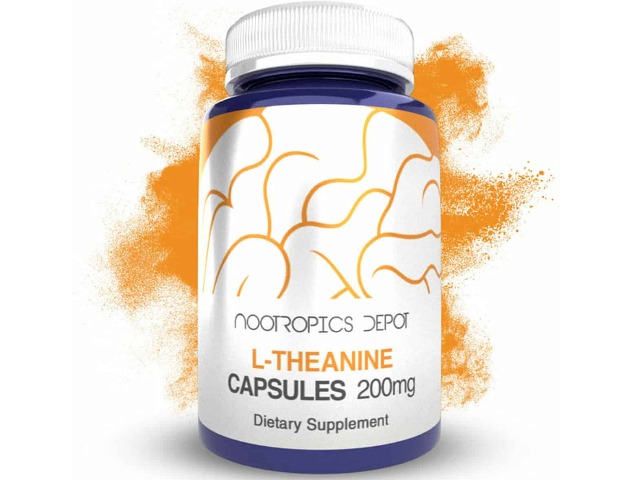
This is why Rhodiola pairs so well with L-Theanine — Rhodiola provides the drive and alertness, while L-Theanine smooths out any overstimulation and supports calm focus. It’s one of my favorite stacks for deep work sessions.
The Neuroplasticity Question (Promising, But Let’s Be Honest About the Evidence)
This is where I have to put on my “evidence integrity” hat. The neuroplasticity angle for Rhodiola is genuinely exciting — but the human evidence is thin, and I’m not going to oversell it.
What the Animal Data Shows
Salidroside, Rhodiola’s primary bioactive compound, has demonstrated remarkable neuroplasticity effects in preclinical research:
- Hippocampal neurogenesis: Salidroside promotes the proliferation of neural stem cells in the hippocampus — your brain’s memory and learning center — via activation of the CREB/BDNF signaling pathway (Brain Research, 2019). BDNF (brain-derived neurotrophic factor) is essentially fertilizer for neurons, and the CREB pathway is one of the primary mechanisms through which your brain forms new memories and strengthens neural connections.
- Neuroprotection and restoration: A 2022 review in Frontiers in Pharmacology documented salidroside’s neuroprotective properties across multiple models of neuronal damage, including oxidative stress, excitotoxicity, and inflammation. The compound appears to protect existing neurons while supporting the growth of new ones.
- Synaptic plasticity: Animal studies show salidroside enhances long-term potentiation (LTP) — the cellular process underlying learning and memory — in hippocampal neurons.
The Human Evidence Gap
Here’s the honest reality: there are no direct human trials measuring Rhodiola’s effects on neuroplasticity biomarkers like BDNF levels or hippocampal volume. The human evidence is inferential — we see cognitive improvements in fatigued and stressed populations, and we know the mechanisms through which Rhodiola works in animal models. But the direct bridge hasn’t been built yet.
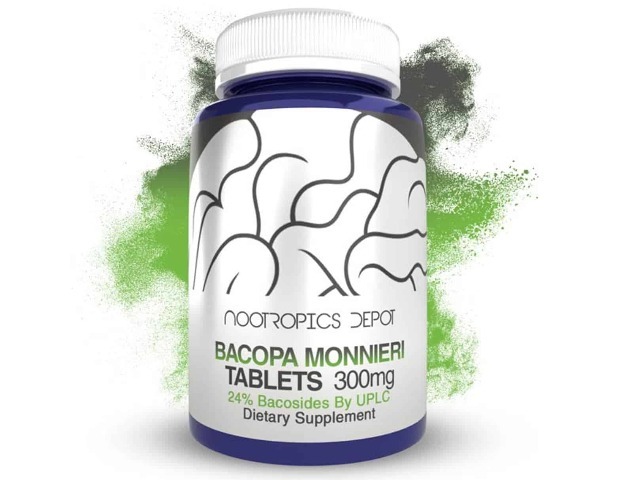
That said, the indirect evidence is suggestive. Cognitive recovery in chronic fatigue and post-COVID populations hints at neurorestorative properties beyond simple neurotransmitter modulation. And Bacopa monnieri, which shares some overlapping mechanisms with Rhodiola, has more established human neuroplasticity data — making a Rhodiola + Bacopa stack an interesting theoretical approach to hippocampal support.
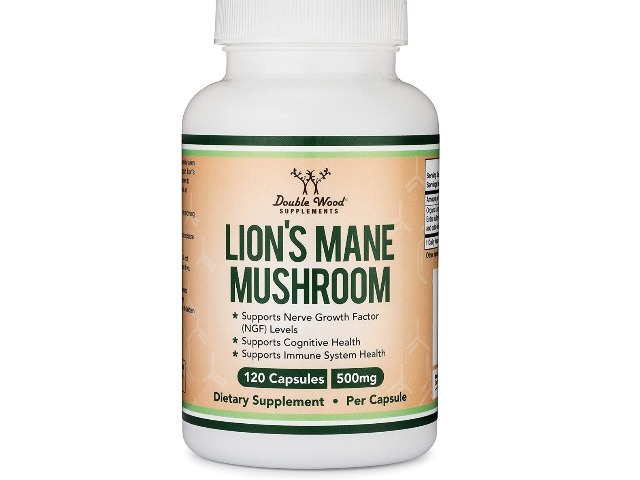
Reality Check: If neuroplasticity is your primary goal, Lion’s Mane has more robust human evidence for nerve growth factor (NGF) stimulation, and Bacopa has stronger data for hippocampal BDNF upregulation. Rhodiola’s neuroplasticity story is promising but preliminary. I’d stack it with one of these rather than relying on it alone for neuroplasticity benefits.
How to Actually Use Rhodiola (Dosing, Timing, and Stacking Protocols)
This is where most articles get lazy with a generic “take 200-600mg daily” and call it a day. Let me give you something more useful.
Dosing Fundamentals
| Goal | Daily Dose | Timing | Duration |
|---|---|---|---|
| Acute focus/performance | 200mg | 30–60 min before task | As needed |
| General stress resilience | 400mg (200mg 2x/day) | Morning + early afternoon | 8–12 weeks, then cycle |
| Mood support | 400–600mg | Split AM/PM (not after 3pm) | 12+ weeks with periodic breaks |
| Fatigue recovery | 400mg | Morning | 4–8 weeks |
Standardization matters: Always look for extracts standardized to 3% rosavins and 1% salidroside. This is the clinically validated ratio.
Cycling Protocols
Rhodiola works best when cycled. I recommend 5 days on, 2 days off for general use. For longer therapeutic protocols (mood support), take it daily for 12 weeks, then take a 2-week break before resuming. This prevents tolerance buildup and maintains sensitivity to the active compounds.
Stacking for Maximum Effect
Here are the stacks I’ve personally tested and recommend:
The Focus Stack (for deep work):
- Rhodiola rosea: 200mg
- L-Theanine: 200mg
- Caffeine: 100mg
- Take together 30 minutes before work
The Mood + Resilience Stack:
- Rhodiola rosea: 400mg (morning)
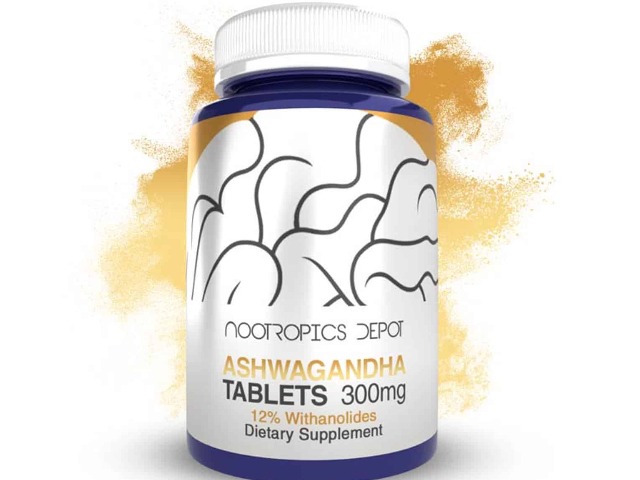
- Ashwagandha: 300mg KSM-66 (evening)
- Phosphatidylserine: 100mg (evening)
The Neuroplasticity Stack (theoretical, based on overlapping mechanisms):
- Rhodiola rosea: 400mg
- Lion’s Mane: 1000mg
- Bacopa monnieri: 300mg (standardized to 50% bacosides)
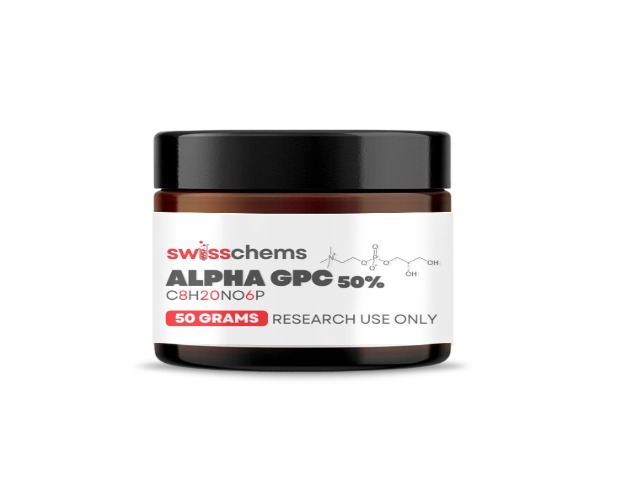
- Alpha-GPC: 300mg
Pro Tip: Always take Rhodiola in the morning or early afternoon. Its activating effects can interfere with sleep if taken too late. And start with 200mg for the first week to assess your response — some people are sensitive to its energizing effects.
Side Effects and Safety (What Nobody Warns You About)
Rhodiola has an excellent safety profile across clinical trials involving over 1,100 participants. But “generally safe” doesn’t mean “safe for everyone.”
Common Side Effects (mild, <5% of users)
- Dry mouth
- Dizziness
- Restlessness or agitation (usually with high doses or late-day dosing)
- Vivid dreams
Who Should NOT Take Rhodiola
- People with bipolar disorder — Rhodiola’s dopamine-enhancing effects can potentially trigger manic episodes. This is a serious concern, not a minor caveat.
- Pregnant or nursing women — insufficient safety data exists.
- People on SSRIs or MAOIs — the combination creates a theoretical risk of serotonin syndrome due to Rhodiola’s MAO-inhibiting properties. Consult your prescriber.
- Those on blood pressure medications — Rhodiola may have mild hypotensive effects that could interact with antihypertensives.
Important: If you’re on any psychiatric medication, don’t add Rhodiola without talking to your doctor. The drug interaction risk is low but real, and the consequences of serotonin syndrome are serious.
The “Foundations First” Reminder
I say this in every article because it’s the most important thing I can tell you: no supplement replaces the fundamentals. If your sleep is garbage, your diet is inflammatory, and you’re chronically stressed, Rhodiola will be a band-aid on a bullet wound. Fix sleep hygiene, nutrient density, movement, and stress management first. Then Rhodiola becomes the force multiplier it’s designed to be.
Choosing a Rhodiola Supplement (Without Wasting Your Money)
The Rhodiola supplement market is full of under-dosed, poorly extracted, and sometimes outright adulterated products. Here’s what to look for and what to avoid.
What to Look For
- Standardized to 3% rosavins / 1% salidroside — this is non-negotiable
- SHR-5 extract or equivalent clinically tested extract
- Third-party testing (NSF, USP, or ConsumerLab verified)
- Veggie capsules — avoid unnecessary fillers and flow agents
What to Avoid
- Amazon bargain brands with no COA (certificate of analysis)
- Proprietary blends that hide the actual Rhodiola dose
- Products using “Rhodiola root powder” instead of standardized extract — you’re paying for sawdust
- Combination formulas where Rhodiola is under-dosed (less than 200mg)
| Product | Dose/Serving | Extract Type | Testing | Best For |
|---|---|---|---|---|
| Nootropics Depot Rhodiola Rosea | 500mg | 3% rosavins / 1% salidroside | Third-party (NSF/USP) | Best overall value and potency |
| Thorne Rhodiola | 100mg | Standardized extract | GMP/NSF certified | Precision low-dose protocols |
| Gaia Herbs Rhodiola Rosea | 120mg | Whole-root organic extract | Purity-tested | Those preferring whole-plant formulations |
My Take
After five years of daily Rhodiola use and recommending it to hundreds of clients, here’s my honest assessment:
Rhodiola rosea is one of the most reliable, well-researched nootropics available. Its ability to improve mental performance specifically under stress and fatigue makes it uniquely practical — most of us aren’t looking for cognitive enhancement while lounging on a beach. We need it when we’re under-slept, over-committed, and running on fumes.
The mood evidence is solid for mild-to-moderate symptoms, especially when fatigue and stress are driving the low mood. The focus data is excellent, particularly the military and physician trials showing measurable improvements under real-world pressure. The neuroplasticity story is the weakest link — genuinely promising in animal models, but we need human trials measuring BDNF and hippocampal outcomes before making strong claims.
Who benefits most from Rhodiola? High-stress professionals, students during exam periods, shift workers, anyone recovering from burnout or post-viral fatigue, and people with mild mood issues who aren’t ready for (or don’t need) pharmaceuticals.
If I could only take three nootropic supplements, Rhodiola would make the list — alongside Lion’s Mane for neuroplasticity and Bacopa monnieri for memory consolidation. That trio covers a remarkable amount of cognitive territory for under $2 a day.
Start with 200mg in the morning. Give it a week. Then tell me if it wasn’t worth every penny.